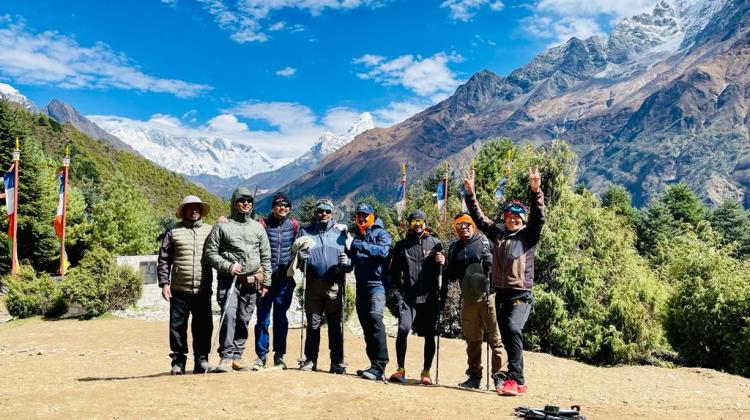
Mardi Himal Trek Information

The Mardi Himal Trek is one of Nepal's best short treks, offering close-up views of Machhapuchhre (Fishtail), Annapurna South, and Hiunchuli without the long duration or high altitude of routes like Annapurna Base Camp. Tucked just southeast of the main Annapurna Base Camp trail, Mardi Himal remained a hidden gem until it was officially opened to trekkers in 2012, and it still sees far fewer crowds than its more famous neighbors.
The trek begins with a scenic drive from Pokhara to Kande or Phedi, then climbs through dense rhododendron and oak forests before breaking out above the treeline into open ridgeline meadows. From High Camp (around 3,580m), trekkers get a front-row view of Machhapuchhre's dramatic fishtail summit, close enough that it feels almost within reach. Many trekkers push on to Mardi Himal View Point (around 4,200m) for an even more sweeping panorama of the Annapurna range at sunrise.
At just 5 to 7 days round-trip from Pokhara, Mardi Himal is ideal for trekkers who want a genuine high-mountain experience without committing to a two-week itinerary. The trail is moderately challenging, with steady uphill sections rather than technical terrain, making it suitable for reasonably fit beginners as well as experienced trekkers looking for something shorter.
Accommodation along the route consists of simple teahouses, becoming more basic the higher you climb, so be prepared for limited electricity and Wi-Fi above Low Camp. The best seasons to trek Mardi Himal are spring (March–May) for rhododendron blooms and autumn (September–November) for the clearest mountain views, though the trail is also doable in winter for those prepared for colder temperatures at High Camp.
Trek Highlights
- Close-up views of Machhapuchhre (Fishtail), Annapurna South, and Hiunchuli
- A short, less-crowded alternative to Annapurna Base Camp
- Walk through rhododendron, oak, and bamboo forests
- Sunrise views from Mardi Himal View Point (around 4,200m)
- Authentic Gurung villages and traditional teahouse hospitality
- No restricted-area permit required, keeping logistics simple
Mardi Himal Trek Itinerary (Typical 5–7 Days)
- Day 1: Drive from Pokhara to Kande, trek to Australian Camp or Pothana
- Day 2: Trek to Forest Camp (Kokar) through rhododendron forest
- Day 3: Trek to Low Camp
- Day 4: Trek to High Camp
- Day 5: Early hike to Mardi Himal View Point, then descend to Low Camp or Siding village
- Day 6: Trek down to Lumre or Kalimati and drive back to Pokhara
Itineraries can be shortened or extended by a day or two depending on pace, acclimatization needs, and starting/ending trailheads.
Difficulty Level
Mardi Himal is rated moderate. There are no technical climbing sections, but the trail involves sustained daily ascents of several hours, sometimes on narrow ridge paths. Trekkers with basic hiking fitness and a few weeks of preparation can complete it comfortably. The maximum altitude (around 4,200m at the view point) is high enough that mild acclimatization awareness is still important, even though the trek is short.
Permits Required
- Annapurna Conservation Area Permit (ACAP)
- TIMS Card (Trekkers' Information Management System)
Unlike Manaslu or Upper Mustang, Mardi Himal does not require a restricted-area permit, which makes it quicker and cheaper to arrange than many other Annapurna-region treks.
Estimated Cost
Costs vary by season, group size, and whether a guide or porter is hired, but a typical Mardi Himal Trek package generally covers permits, teahouse accommodation, meals during the trek, and a licensed guide. Independent trekkers can budget lower by self-guiding and paying as they go, though hiring a guide is recommended given the sometimes unclear trail junctions above Forest Camp.
What to Pack
- Warm layered clothing for cold nights at High Camp
- A good pair of broken-in trekking boots
- A headlamp for the early sunrise hike to the view point
- Trekking poles for the steep, sometimes muddy sections
- A basic first-aid kit and water purification tablets
Conclusion
The Mardi Himal Trek is proof that you don't need weeks in the mountains to have an unforgettable Himalayan experience. In under a week, you'll walk through rhododendron forests, sleep in cozy teahouses, and wake up to a close-up view of Machhapuchhre that few other treks can match. Whether you're a first-time trekker or a seasoned hiker looking for something shorter, Mardi Himal delivers big mountain views without a big time commitment.
To make the most of your trek from permits and itinerary planning to an experienced local guide trek with Nepalaya Treks, the best tour and travel agency in Nepal, and start planning your Mardi Himal adventure today.
Frequently Asked Questions
How long is the Mardi Himal Trek?
Most itineraries run 5 to 7 days round-trip from Pokhara, making it one of the shortest treks in the Annapurna region.
What is the highest point of the trek?
Mardi Himal View Point, at roughly 4,200 meters, is the highest point most trekkers reach.
Is Mardi Himal suitable for beginners?
Yes. With moderate fitness and some preparation, it's considered one of the more approachable treks in the Annapurna region.
Do I need a guide?
A guide isn't legally mandatory, but is strongly recommended, since upper sections of the trail can be poorly marked in fog or after snowfall.
When is the best time to go?
Spring and autumn offer the best combination of clear mountain views and stable weather.
Leave Your Comment.
Best Selling
Our Best Selling Packages You May Like.