Overview
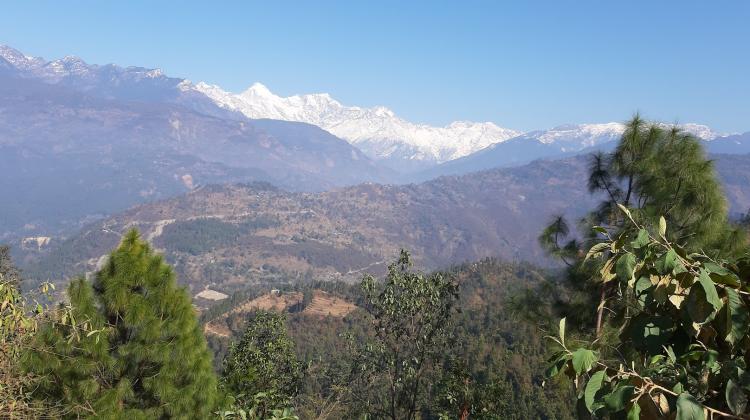
Everest Base Camp Trek through Gokyo Lake is one of the most beautiful and rewarding treks in the Everest region. This trek is an alternative to the traditional route to Everest Base Camp via the Gokyo Valley, the Cho La Pass and then to Everest Base Camp and Kala Patthar. For trekkers seeking to experience the beauty of glacial lakes, the magnificence of mountain scenery and the world's highest peak, it is an outstanding choice.
It all starts with your arrival in Kathmandu, which is followed by a flight to Lukla. On the way, you cross the traditional Sherpa villages, through the beautiful Khumbu Valley, through the magnificent forests before reaching the quiet Gokyo Lakes. The trek to Gokyo Ri provides fantastic views of Mount Everest and the other giants of the Himalayas.
You cross the challenging Cho La Pass before joining the classic Everest Base Camp trail. From there, you continue to Everest Base Camp and Kala Patthar, where you can enjoy breathtaking views of Mount Everest up close. There is also a chance for acclimatization days to adapt to the altitude, a few comfortable teahouse nights, a chance to experience Sherpa culture, and some of the highest mountains around you in Nepal.
This trek offers:
Each meal typically has lots of variety like:
Some of the main highlights of this trek are:
Cultural Highlight of the hike are:
Our acclimatization programme will contain:
Permits required are:
Your insurance covers these costs:
On the hike you're likely to see:
This itinerary includes:
For your safety, we offer:
Some of our responsible tourism practices are:
The equipment you can hire include:
It all starts with your arrival in Kathmandu, which is followed by a flight to Lukla. On the way, you cross the traditional Sherpa villages, through the beautiful Khumbu Valley, through the magnificent forests before reaching the quiet Gokyo Lakes. The trek to Gokyo Ri provides fantastic views of Mount Everest and the other giants of the Himalayas.
You cross the challenging Cho La Pass before joining the classic Everest Base Camp trail. From there, you continue to Everest Base Camp and Kala Patthar, where you can enjoy breathtaking views of Mount Everest up close. There is also a chance for acclimatization days to adapt to the altitude, a few comfortable teahouse nights, a chance to experience Sherpa culture, and some of the highest mountains around you in Nepal.
Why Choose Everest Base Camp Trek via Gokyo Trek?
The Everest Base Camp Trek via Gokyo Lakes is a great choice for trekkers who want to experience more than the classic Everest Base Camp route. This adventure combines the famous Everest Base Camp Trek with the stunning Gokyo Lakes and the exciting Cho La Pass, offering a more diverse and rewarding journey through the Everest region.This trek offers:
- A visit to the famous Everest Base Camp.
- The chance to explore the beautiful Gokyo Lakes.
- An exciting crossing of Cho La Pass.
- A quieter route with fewer crowds than the classic Everest Base Camp Trek.
- Stunning views of Mount Everest, Lhotse, Makalu, and Cho Oyu from Gokyo Ri and Kala Patthar.
- A journey through glaciers, mountain valleys, forests, and traditional Sherpa villages.
- The opportunity to experience the rich Sherpa culture and warm local hospitality.
- One of the most complete and rewarding trekking experiences in the Everest region.
Additional Information
What to Expect on Everest Base Camp Trek
This walking tour is an amazing experience in the Everest region. Enjoy spectacular mountain views, traditional Sherpa villages, suspension bridges, glacial landscapes and gorgeous forests with scenic mountain flights. The trail also leads to the beautiful Gokyo lakes, the grueling trek to Cho La Pass, Everest Base camp and Kala patthar. A comfortable teahouse inn and a hearty welcome from the Sherpas enhances the journey.Extra Highlights of the Everest Base Camp Trek
- A sightseeing flight from Kathmandu to Lukla.
- Soak up the tranquility of Gokyo Valley.
- Explore the enchanting turquoise colored Gokyo Lakes.
- Arrive by foot to view amazing panoramic views of the Himalayas from Gokyo Ri.
- Cross the exciting Cho La Pass.
- Experience the thrill of reaching Everest Base Camp and climbing Kala Patthar.
- Discover and visit Sherpa countryside towns.
- Walk along the magnificent Ngozumpa Glacier, the biggest glacier of Nepal.
The ideal times for the Everest Base Camp Trek
Selecting the right season can help make your Everest base camp trek even better. While the weather and mountain views vary depending on the season and the best time to visit is Spring or Autumn. In these seasons the air is usually clear, the temperatures are pretty tame and trekking routes are stunning.- The Everest Base Camp Trek is one of the most popular seasons, especially during the spring (March-May). It's generally cloudless with longer, warmer days and a hill of rhododendrons in bloom. The skies are also clear, offering good views of the Himalayan peaks.
- The season of autumn (September to November) is also a great season for the hike. Following monsoon, freshness of the air, and crystal clear sky with breathtaking mountain view. The weather is good and the trekking is comfortable throughout the trek.
- But in winter (Dec to Jan - Feb) treks are possible and it's quieter with snowy beauty. However, at higher elevations, and lower areas, temperatures can drop below freezing making it more complicated.
- Trekking during the monsoon (June to August) is also possible, but the trails can be muddy and slippery with a high frequency of rain. There is also a risk of no flights from Lukla due to weather, and clouds may also obscure mountain views.
Accommodation and Meals on Everest Base Camp Trek
As you trek the Himalayas grandeur to Everest Base Camp, you will stay at local teahouses and will have some different freshly prepared meals. The lodging and meals are very basic and comfortable; all the necessities for an enjoyable trekking experience. Accommodation during the trek is in comfortable local teahouses. Rooms are basic and clean, and offer a haven to come back to at the end of the day's walking.Each meal typically has lots of variety like:
- Dal Bhat (rice, lentils, and vegetables)
- Noodles and pasta
- Fried rice
- Soups
- Potatoes and bread
- Eggs and porridge
- Tea and coffee
Everest Base Camp Trekking: Why is it Popular?
Everest Base Camp Trek is one of the most well known trekking experiences around the globe. This is a remarkable area of the country for its stunning mountain scenery, traditions of the Sherpas and the ability to be at the base of the highest mountain. This is even more exceptional when the Gokyo Lakes and Cho La Pass are added as part of the plan and they offer more diverse landscapes and lesser crowds.Some of the main highlights of this trek are:
- Gaze down from the foot of the world's loftiest peak – Mount Everest.
- Spend time in magnificent views of Everest, Lhotse, Makalu as well as Cho Oyu.
- Have a sightseeing visit to the beautiful turquoise Gokyo Lakes.
- Cross one of the exciting Cho La Passes.
- Soak up the authentic Sherpa culture and hospitality.
- Visit to old monasteries, prayer flags, traditional villages etc.
- Walk through forests, glaciers and valleys along high mountain passes.
- Have one of the most fulfilling adventures in the Himalayas.
Cultural Experience During the Everest Base Camp Trek
The Sherpa tribe is a group that is native to the Himalayas and the Everest region, and are known for their hospitality, traditions, and strong bond with the mountains. On the journey you will see and sense the unique lifestyle and culture of local communities of the hills until you reach the traditional villages, historic Buddhist structures along the way.Cultural Highlight of the hike are:
- Encounter the friendly and welcoming Sherpa's.
- Explore typical villages like Namche Bazaar and Khumjung.
- Visit old monasteries and Buddhist monasteries.
- Notice the colorful prayer flags, chortens and mani walls.
- Study Sherpa customs, traditions and lifestyle of the mountains.
- Taste local food and experience teahouse hospitality.
- Experience the spiritual ambiance of the Everest region.
Altitude and Acclimatization on the Everest Base Camp Trek
The peak of this hike is at Kala Patthar, at 5,550 m. It is a thorough hike, which calls for proper acclimatization. Your course structure will be planned carefully to allow for rest days necessary to process the increasing altitudes and minimise altitude sickness.Our acclimatization programme will contain:
- When it's Acclimatization Day in Namche Bazaar.
- Acclimatization day in Gokyo.
- Steep uphill ascents
- Lots of rest and recovery time.
- Maintain a slow and steady walking pace.
- Keeping the body well hydrated and nourished.
- Medical staff on duty during the trail to keep a check on your health.
Required Permits for the Everest Base Camp Trek
There are some permits required to get to the Everest region and trek all the way to the end. These permits contribute to the conservation of the area and its local population. These are normally packaged and provided by most trekking companies before starting the trek.Permits required are:
- The entry permit of Sagarmatha National Park.
- Khumbu Pasang Lhamu Rural Municipality Permit
Travel Insurance for the Everest Base Camp Trek
During the Everest Base Camp trek, it is highly recommended to obtain travel insurance. The hike is quite high and is located in a remote mountain region, which is why having proper insurance while going on the hike gives added assurances and safety.Your insurance covers these costs:
- Peak climbing up to height 5550m
- Emergency helicopter evacuation
- Medical expenses
- Trip cancellation and delays
Difficulty Level of the Everest Base Camp Trek
This trail to Everest base camp is rated as medium to difficult. It's physically demanding because it involves lots of walking, the high elevation and the mountains. It is possible and very rewarding with the proper fitness and preparation, however.On the hike you're likely to see:
- Walk for around 4-8 hours a day.
- Several steep ascents and descents
- High elevation from 5000m and up
- Highly active and challenging but the thrill is rewarding
Why Trek with Nepalaya Treks?
Our aim at Nepalaya Treks is to ensure your Himalayan experience is safe, comfortable and memorable. Experiencing years of walking in the Everest region, we work with you to make sure that all the details of your trip are looked after, so you can enjoy the trekking. Some of the benefits of trekking with Nepalaya Treks include:- The highly experienced and certified trek guides from the government.
- A warm and friendly group of Sherpas, who prioritise your comfort and health.
- Carry out careful choice of accommodation and reliable transport.
- No hidden fees or additional costs.
- Provide continuous support before, during and after your hike.
- Individualised service and attention for you throughout your travels.
Why Choose This Itinerary?
This trek has been meticulously planned to provide the optimum mix of adventure, comfort & acclimatisation. In addition to a gradual ascent, it also gives ample time to the trip so as not to miss the best of the Khumbu region, while travelling safely.This itinerary includes:
- Getting used to altitude and climbing slowly to minimize the chances of altitude sickness symptoms.
- Culture sightseeing tour in Kathmandu before starting the trek.
- Hiking beautiful Sherpa villages, forests, glaciers and monasteries.
- An overnight stay near Everest Base Camp.
- A hike in the morning with magnificent views of the world's highest mountains.
- Accommodation in the hotel in Kathmandu and in a teahouse while trekking.Well organized room in a hotel at Kathmandu and room in a teahouse on the way.
Safety on the Everest Base Camp Trek
Safety will always be paramount in your journey. Our professional guides will keep an eye on your health and see to it that you follow the schedule according to the comfortable pace to minimize chances of altitude sickness.For your safety, we offer:
- Professional guides licensed for trekking.
- Gradual ascent with sufficient acclimatization period.
- Health checks throughout the journey.
- Prompt help in emergencies.
Responsible Tourism
Our mission is to ensure that we protect the natural beauty of the Himalayan mountains and assist the local people. We encourage responsible travel that helps us to conserve our natural surroundings and local culture.Some of our responsible tourism practices are:
- Minimization of waste generation and promoting eco-tourism.
- Revering the local culture and customs.
- Assisting the local communities through locally owned teahouses.
- Sustainable tourism in the Everest region.
Group Size
We welcome both small and large groups and can arrange the trek according to your preferences.- Small groups offer a more personal and flexible experience.
- Larger groups create a fun and social trekking atmosphere.
- Solo trekkers, friends, families, and corporate groups are all welcome.
Private Departure Available
There are private departures for those who would like to have more flexibility in their tour. Private tours are suitable for:- Individuals traveling alone.
- Couples and families.
- Friends traveling together.
- Those who want to have a tailor-made tour plan.
Equipment Rental Information
In case you don’t have any of your personal trekking gear, then you should rest assured that almost all kinds of trekking gear can be hired in Kathmandu prior to the trip.The equipment you can hire include:
- Sleeping bag
- Down jacket
- Trekking stick
- Duffle bag
Trip Highlights
- Enjoy the majestic beauty of the Himalayas on the way, enjoy comfortable teahouses throughout the journey.
- Enjoy real Sherpa culture, monasteries, prayer flags, mani walls and traditional mountain villages
- Hike up to Kala Patthar (5,550m) and enjoy the best up close and personal Everest sunrise views.
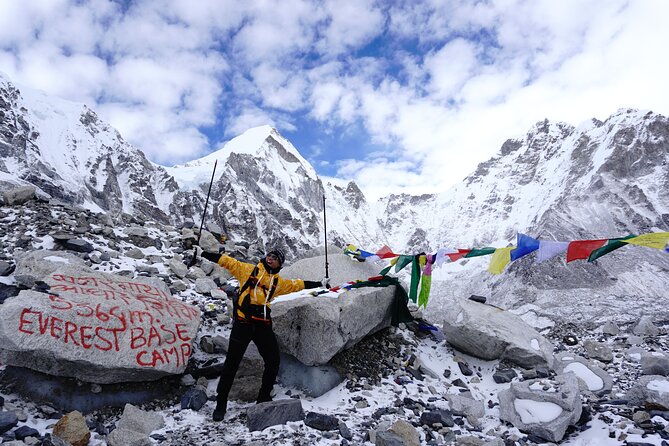
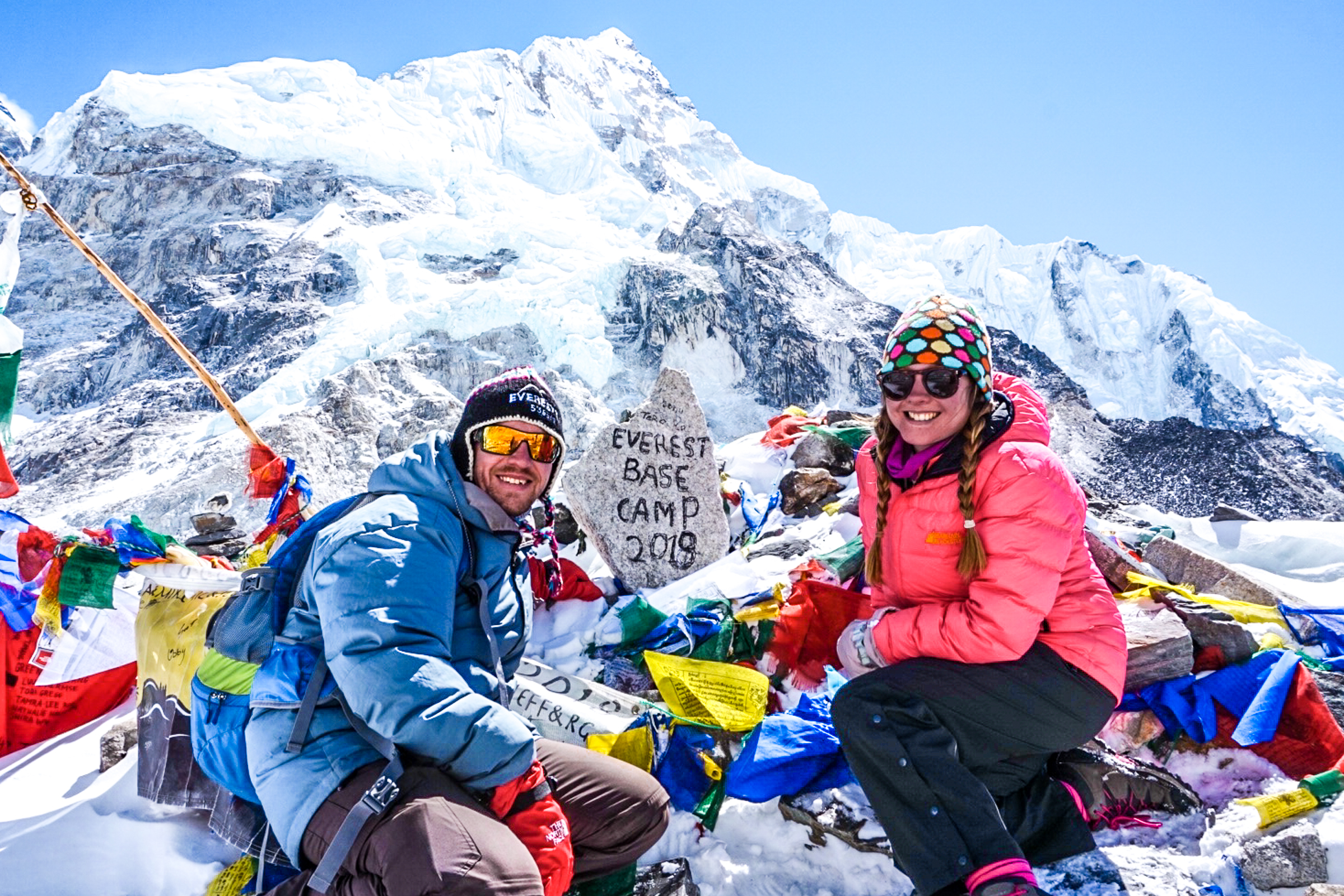
- Hike to the base of the world's highest peak - Everest Base Camp (5,364m).
- Cross the exciting Cho La Pass (5,420m), one of the most exciting parts of the trek.
- Follow the steps of the majestic Ngozumpa Glacier, Nepal's largest glacier.
- Walk up to Gokyo Ri (5,357m) for incredible views of Everest, Lhotse, Makalu, Cho Oyu and all other peaks.
- See the beautiful turquoise, Gokyo Lakes.
- Head into the peaceful Gokyo Valley away from the more touristy Everest trail.
- Extra evening on acclimatization to Everest View Hotel or Khumjung Village.
- Visit a vibrant mountain town called the ‘Namche Bazaar'.
- Travel through the scenic Khumbu Valley and into traditional Sherpa Villages
- Scenic mountain flight between Kathmandu and Lukla.
Itinerary
Day 1: Arrival in Kathmandu and Pickup at the airport, then shift to the hotel
Our staff will welcome you at Tribhuvan International Airport and accompany you to your Kathmandu Hotel. Once you arrive, you can simply rest and recuperate from your travel. Depending on when you arrive, the guide will give briefing information on trek, weather, permits, and important information for your trek. It is also a great time to review the equipment you'll need for your trek to the Himalayas and do the final preparations before you go.
- Max Elevation: 1,400m (Kathmandu)
- Travel Distance: Approx. 6 to 8 km (Airport to Hotel)
- Travel Duration: 20 to 40 minutes (Drive)
- Accommodation: Hotel in Kathmandu
- Meal: Dinner
Day 2: Fly from Kathmandu to Lukla (2,860m); trek to Phakding (2,610m, 3 to 4 hours).
Day 3: Phakding to Namche Bazaar (3,440m, 6 to 7 hours).
Day 4: Acclimatisation day in Namche. Hike to Everest View Hotel or Khumjung Village for early mountain views.
Day 5: Namche Bazaar to Dole (4,038m, 5 to 6 hours).
Day 6: Dole to Machhermo (4,470m, 4 to 5 hours).
Day 7: Machhermo to Gokyo (4,800m, 4 to 5 hours). Walk along the Ngozumpa Glacier to reach the beautiful Gokyo Lakes.
Day 8: Acclimatisation day in Gokyo. Hike up Gokyo Ri (5,357m)
Day 9: Gokyo to Thangnak (4,700m, 3 to 4 hours).
Day 10: Thangnak to Dzongla (4,830m, 6 to 7 hours). Cross the challenging, snow-covered Cho La Pass.
Day 11: Dzongla to Lobuche (4,910m, 3 to 4 hours).
Day 12: Lobuche to Everest Base Camp (5,364m) and return to Gorak Shep (5,164m, 6 to 8 hours total).
Day 13: Hike to Kala Patthar (5,550m, for the best sunrise views of Everest), then descend to Pheriche (4,240m, 5 to 6 hours)
Day 14: Pheriche to Namche Bazaar (6 to 7 hours).
Day 15: Namche Bazaar to Lukla (6 to 7 hours).
Day 16: Fly from Lukla back to Kathmandu
Inclusion / Exclusion
Inclusion
- Pick-up and drop-off at the airport.
- Hotel stay for 2 nights in Kathmandu with breakfast.
- Flights from Kathmandu to Lukla, returning after the trek.
- Food while on trek (Breakfast, Lunch, Dinner with Tea/Coffee).
- English speaking trek guide, assistance guide and porters if needed.
- Permit of Sagarmatha National Park and Khumbu Pasang Lhamu Rural Municipality.
- Salaries, food, lodging and equipment for trek guides.
- Emergency first aid medical kit.
- Trek duffel bag, T-shirt or cap as a memento.
- Trekking map.
- Farewell dinner in Kathmandu.
Exclusion
- The cost of international flights to and from Nepal.
- Visa charges to enter Nepal.
- Travel insurance (compulsory and must cover high-altitude treks and helicopter evacuation).
- Breakfast and lunch in Kathmandu.
- Personal trekking equipment and clothing like boots, jackets, and sleeping bags.
- Fees for warm showers, Internet, and recharging batteries in teahouses.
- Personal food, drinks, water bottles, and extra tea/coffee.
- Guides and porters tips.
- Additional expenses due to any delay in your flight or adverse weather conditions.
- Evacuation expenses that will not be covered by your insurance.
- Any other activity/services not mentioned in the itinerary.
- Your personal expenses such as washing, shopping, and calls/bar bills.
Check List
A correct packing is an essential aspect of the trek preparation. Traveling to the Everest region involves all sorts of changes in the weather, particularly at higher elevations, so it is important to pack the right gear to keep you comfortable and safe during your trip. Meanwhile, pack light with just essentials to make the venture lighter on your shoulders.
Clothing
- Moisture-wicking base layers (2–3 sets)
- Thermal tops and bottoms
- Warm fleece jacket or pullover
- Insulated down jacket (essential for high altitudes)
- Waterproof and windproof shell jacket
- Waterproof trekking pants
- Comfortable trekking pants (2 pairs)
- Quick-dry t-shirts (2–3)
- Warm beanie or wool hat
- Sun hat or cap
- Lightweight gloves
- Insulated waterproof gloves
- Neck gaiter or buff
- Warm trekking socks (4–6 pairs)
- Inner socks (optional)
- Sturdy, well-broken-in trekking boots
- Camp shoes or sandals for teahouses
Trekking Gear
- Backpack (30–40L daypack)
- Duffel bag (70–90L, carried by porter)
- Sleeping bag (rated to at least -15°C)
- Sleeping bag liner (optional)
- Trekking poles
- Headlamp with spare batteries
- Water bottles (2L capacity) or hydration bladder
- Rain cover for backpack
- Dry bags or waterproof stuff sacks
Personal Essentials
- Sunscreen (SPF 50+)
- SPF lip balm
- Sunglasses with UV protection
- Toothbrush and toothpaste
- Biodegradable soap and shampoo
- Hand sanitizer
- Wet wipes
- Quick-dry towel
- Toilet paper and tissues
- Nail clipper
- Moisturizer (the mountain air is very dry)
First Aid & Medications
- Personal prescription medications
- Diamox (if prescribed for altitude sickness)
- Pain relievers
- Adhesive bandages
- Blister treatment (Compeed or moleskin)
- Antiseptic cream
- Oral rehydration salts
- Anti-diarrheal medication
- Cold and cough medicine
- Water purification tablets or a portable water filter
Electronics
- Mobile phone
- Camera (optional)
- Power bank (10,000–20,000 mAh)
- Charging cables
- Universal travel adapter (Type C, D, or M for Nepal)
- Spare camera batteries and memory cards
Snacks
- Energy bars
- Trail mix and nuts
- Chocolate
- Electrolyte tablets or drink powder
- Energy gels (optional)
Documents
- Passport (valid for at least six months)
- Nepal visa (or documents for visa on arrival)
- Travel insurance documents
- Flight tickets
- Trekking permits
- Passport-sized photographs
- Copies of important documents (digital and printed)
- Emergency contact information
Money
- Nepali Rupees in cash for personal expenses
- Credit or debit card (for use in Kathmandu)
Optional Items
- Trekking map or guidebook
- Journal and pen
- Playing cards or a small travel game
- Earplugs
- Inflatable travel pillow
- Binoculars
- Lightweight book or e-reader
- Small sewing kit
- Zip-lock bags for organizing gear
- Gaiters (recommended during snowy or muddy conditions)
Trip FAQs
-
Is the Everest Base Camp Trek via Gokyo suitable for beginners?
Yes, beginners with a good level of fitness can complete this trek. However it is a challenging hike because of the walks to be done, as well as the high altitudes. Mental preparation is suggested, taking regular walks or hiking before going is recommended. -
What is the best time to do the Everest Base Camp Trek via Gokyo?
Spring (MARCH-MAY) & Autumn (SEPTEMBER-NOVEMBER) are the best times. Most of the months of this time have relatively clear skies, relatively stable weather, and are at their peak to see the mountain views. -
How difficult is the Everest Base Camp Trek via Gokyo?
Enjoy a moderately challenging trek that combines adventure, beautiful scenery, and a rewarding experience. The walks are approximately 4-8 hours a day, with the high Cho La Pass and up to 5,500 m up and down, so fitness and preparation is important. -
Do I need travel insurance for this trek?
Yes. Travel insurance is strongly recommended and should include treatment at high altitude up to 5,550 m, medical treatment and helicopter evacuation, if necessary. -
What kind of accommodation is available during the trek?
During the trek you will be spending your nights in local teahouses as well as Kathmandu's hotels. A teahouse offers a basic, clean room and freshly cooked meals – a safe haven after every day's trek. -
What permits are required for the trek?
The following permits are required: Sagarmatha National Park Permit and Khumbu Pasang Lhamu Rural Municipality Permit. Usually these permits are arranged in advance when you go on a trek and with your trekking company. -
Is altitude sickness a concern on this trek?
Yes. This hike is more than 5500 metres so be careful of altitude sickness. A few days will be spent in acclimatization exercises in Namche Bazaar and Gokyo so that your body may acclimatize to the higher elevation. -
What should I pack for the Everest Base Camp Trek via Gokyo?
Take warm clothing, a trekking suit to keep you dry, comfortable trekking boots to get you to the mountains and back, a sleeping bag, your own medications, sunscreen, sunglasses and other necessary trekking gear. Light packing and carrying with all essential equipment is best. -
Can I charge my phone and camera during the trek?
Of course, the majority of teahouses provide charging services and it will cost more. It is also suggested to bring a power bank, as charging may not be possible or reliable at higher altitudes. -
What makes the Everest Base Camp Trek via Gokyo different from the classic Everest Base Camp Trek?
This trek is amazing as it passes by the wonderful Gokyo Lakes, one of the hikes to Gokyo Ri and the thrilling crossing of Cho La Pass before arriving at Everest Base Camp. It provides a much wider variety of scenery, lesser tourism in Gokyo Valley and some of the best vantage-grounds in the Everest region.
All Inclusive Cost
BOOK NOW QUICK ENQUIRY- Best Price Guarantee
- Hassle-Free Booking
- Team of highly experienced Experts
You may also like !!
Our Best Selling Packages You May Like.