Nar Phu Via ACT
Overview
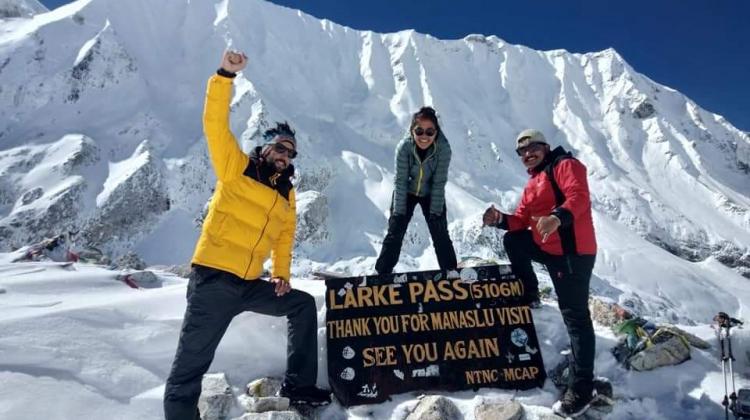
The Nar Phu Via Annapurna Circuit Trek is a 19-day journey that combines the remote Nar Phu Valley with the famous Annapurna Circuit. This trip starts with an overland transport from Kathmandu to Jagat and then follows the trail from Marsyangdi Valley to Koto. After leaving Koto, you depart from the main Annapurna Circuit route and head into the remote Nar Phu Valley, which comprises routes across the deep valleys, tough terrain, and cultural settlements. You will also explore the remote villages of Phu Gaon and Nar before crossing the challenging Kang La Pass at a height of about 5,320 meters.
After crossing Kang La Pass, you will rejoin the Annapurna Circuit and continue towards Ngawal, Manang, Yak Kharka, and Thorong Phedi. The trip then goes across Thorong La pass at a height of 5,416 meters to descend to the holy city of Muktinath. From there, you travel to Jomsom, fly to Pokhara, and return to Kathmandu. Along the way, the trek offers a blend of Tibetan-influenced culture, high mountain passes, traditional villages, and diverse landscapes across the Annapurna region.
This itinerary includes:
After crossing Kang La Pass, you will rejoin the Annapurna Circuit and continue towards Ngawal, Manang, Yak Kharka, and Thorong Phedi. The trip then goes across Thorong La pass at a height of 5,416 meters to descend to the holy city of Muktinath. From there, you travel to Jomsom, fly to Pokhara, and return to Kathmandu. Along the way, the trek offers a blend of Tibetan-influenced culture, high mountain passes, traditional villages, and diverse landscapes across the Annapurna region.
What to Expect on the Nar Phu Via ACT Trek
The Nar Phu via ACT Trek is an adventure trek to the remote regions of the Nar Phu Valley and the famous Annapurna Circuit. You can hike through forests, river valleys, mountain villages, high alpine terrain, and two mountain passes. You will be given an opportunity to discover the remote villages of Phu Gaon and Nar, and join the Annapurna Circuit trek from Ngawal. You will have the opportunity to do the following during the Nar Phu via ACT trek:- Hike in the dense forests, valley of rivers, rocky areas, and mountainous terrain.
- Trekking for about 4-8 hours each day on the trekking days.
- Enter the restricted Nar Phu Valley through Koto and explore its remote surroundings.
- Visit Phu Gaon and Nar and experience their Tibetan-influenced culture.
- To cross the challenging Kang La Pass at an elevation of around 5,320 meters.
- To leave the Nar Phu Valley and connect with the Annapurna Circuit from Ngawal and proceed towards Manang and Thorong Phedi.
- Cross Thorong La Pass, the highest point of the trek, at around 5,416 meters.
- Stay at the local teahouses with basic amenities, particularly during the Nar Phu Valley Trek.
- Meals of dal bhat, noodles, soup, rice, vegetables, potatoes, and pasta.
- Expect cold and changing weather conditions as you gain altitude.
- Traditional stone houses, monasteries, chortens, prayer flags, and mani walls.
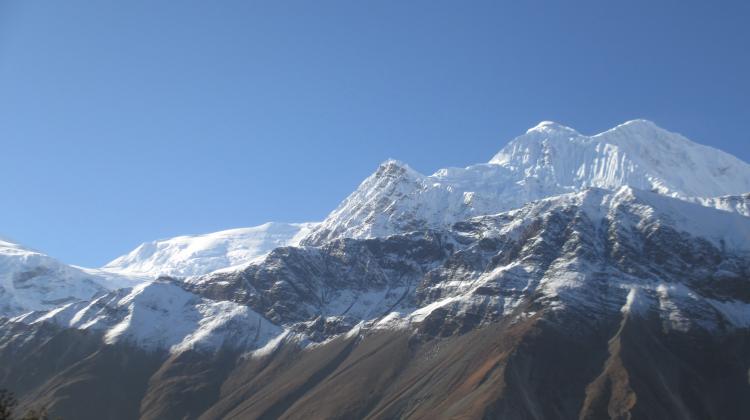
- Views of Annapurna II, Annapurna III, Gangapurna and other surrounding mountains.
- Visiting the holy place of Muktinath before going towards Jomsom and Pokhara.
Extra Highlights of the Nar Phu Via ACT Trek
Nar Phu Via ACT Trek combines the rugged beauty of the Himalayan terrain, the ancient culture of the mountain people, and some of the most spectacular areas of the Annapurna range. The difference from the Annapurna Circuit trek is that this trip includes the less-known Nar Phu Valley before joining the circuit. One can explore villages, passes, Buddhist cultural elements, and various landscapes while trekking. Some of the highlights of the Nar Phu Via ACT trek include:- The exploration of the remote and less-known Nar Phu Valley.
- Visit to Phu Gaon and Nar, two settlements with their traditional stone-built houses and the culture under Tibetan influence.
- Walk through the narrow gorges and rocks of the mountain landscapes.
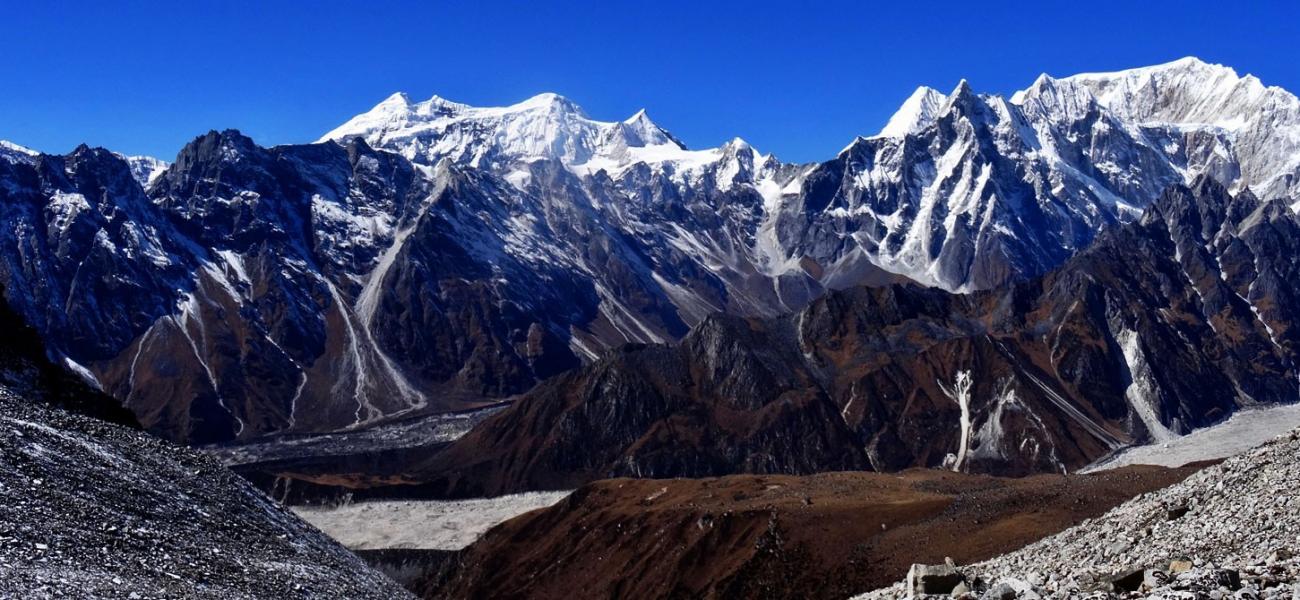
- Climb to Kang La Pass with its views on the surrounding mountains.
- Rejoin the classic Annapurna Circuit in Ngawal.
- Explore Manang with its unique mountain environment and lifestyle.
- Cross Thorong La Pass, one of the highest trekking passes in the Annapurna region.
- Visit Muktinath, a sacred pilgrimage destination for both Hindus and Buddhists.
- Experience dry and rough landscapes of Mustang and Kali Gandaki Valley.
- Explore the monasteries, chortens, prayer flags, and mani walls along the way.
- Watch the local farming and livestock herding traditions and life in the villages.
- Rest in Pokhara after the difficult parts of the trek.
Best Time for the Nar Phu Via ACT Trek
The best time for the Nar Phu Via ACT Trek is generally spring or autumn, when the weather is more stable and mountain visibility is usually clear. Moreover, spring and fall provide favorable conditions for crossing Kang La Pass and Thorong La Pass. Winter brings freezing temperatures, while the monsoon season can bring rain and slippery trails. The northern part of the Nar Phu Valley lies in a rain-shadow area and generally receives less precipitation.1. Spring (March-May)
Spring is considered one of the best seasons for the Nar Phu Via ACT Trek. This season provides pleasant temperatures, clear skies, greener landscapes in the lowlands, and blooming rhododendrons and flowers along the path. The highlands remain cold, but generally comfortable for trekking and crossing the passes.2. Autumn (September-November)
Autumn is one of the best seasons for the Nar Phu Via ACT Trek with its stable weather conditions and clear visibility of mountains. In this season, the trails will have been improved due to the end of monsoon, while the best conditions for trekking are provided by October and November months.3. Winter (December-February)
Winter months are characterized by freezing temperatures and snowfalls, especially in higher areas. During this period, Kang La Pass and Thorong La Pass may be closed due to heavy snowfall. If you decide to undertake the trek in winter, prepare yourself accordingly.4. Monsoon (June-August)
This period is characterized by rain, cloudy weather, and slippery paths in most of the lowlands. Since the northern part of the valley is characterized by a rain shadow, less precipitation is expected in this area. However, the weather conditions around Kang La Pass and Thorong La Pass may be rather unpredictable.Accommodation and Meals during the Nar Phu Via ACT Trek
Accommodation during the Nar Phu Via ACT Trek is primarily provided in local mountain teahouses, offering you an opportunity to have a taste of the traditional Himalayan accommodation. The rooms are normally basic and usually on a twin-sharing arrangement, with facilities being more basic in the isolated Nar Phu Valley. The pre- and post-trek portions are spent in the more comfortable tourist hotels in Kathmandu and Pokhara. Meals are available at teahouses throughout the trek and generally include:- Breakfast: Eggs, bread, pancakes, porridge, Tibetan bread, tea and coffee.
- Lunch and dinner: Dal bhat, noodles, rice, pasta, soup, vegetables and potatoes.
- Drinking Water: Drinking water can be organized along the route. It is advised that you carry a reusable water bottle along with water purification tablets or filters.
- Meals are provided throughout the trekking portion and vary depending on the teahouse.
- The meals get more basic as the trekking moves into the more isolated portions of the Nar Phu Valley.
Nar Phu Via ACT Trek: What Makes It Popular?
Nar Phu Via ACT Trek is popular due to the combination of the isolated Nar Phu Valley and Annapurna Circuit in one trekking route. This way, you get to explore the remote valleys that preserve the traditions of the locals and their Tibetan-influenced culture, and then you join the Annapurna Circuit Trek and move further towards Manang, Thorong La Pass, and Muktinath. The combination of all these factors makes this trek appealing to experienced trekkers.This itinerary includes:
- Exploration of the remote Nar Phu Valley prior to the start of the Annapurna Circuit.
- Visiting the traditional villages of Phu Gaon and Nar.
- Cultural and architectural experiences of the Tibetan-influenced Himalayas.
- Passing of both Kang La and Thorong La Passes.
- The experience of changing landscapes of the Annapurna region.
- Visit to Manang and Muktinath – the pilgrimage site.
- Travel through the dry landscapes of Mustang and the Kali Gandaki Valley.
- Finish the trek with a scenic flight from Jomsom to Pokhara.
Culture Experience on the Nar Phu Via ACT Trek
The Nar Phu Via ACT Trek provides a closer look at the traditional culture and lifestyle of the Himalayan communities living in the remote northern Annapurna region. Phu Gaon and Nar are also famous for their stone houses, monasteries, prayer flags, chortens, and mani walls because of the Tibetan influence of the region. As one advances towards Manang and Muktinath, there are several different cultures and religions that will be encountered throughout the trail. This trek also offers an opportunity to experience traditional farming and herding practices through interaction with the locals, guides, and teahouse owners.Some of the cultural experiences one is likely to get while trekking are:- Exploration of traditional stone houses of Phu Gaon and Nar.
- Visit the monastery and explore Buddhist culture.
- Observation of prayer flags, chortens, and mani walls.
- Traditional farming and herding practices.
- Experience of the Tibetan-influenced culture of Nar Phu Valley.
- Interaction with the local villagers and teahouse owners.
- Cultural experience of the Manang region.
- Visit to Muktinath, a place of Hindus and Buddhists.
- Experience of the unique architecture and culture of the Mustang region.
Altitude and Acclimatization for the Nar Phu Via ACT Trek
Altitude is an important factor to consider on the Nar Phu Via ACT Trek. As you ascend above 5,000 meters, your body needs time to adjust to the increasing altitude, which means that your body will need some time to adjust to such altitude. This itinerary is designed in a way that allows acclimatizing in Phu Gaon and Nar before passing Kang La Pass.- The trek begins at a lower altitude before reaching Kang La Pass at 5,320 meters and Thorong La Pass at 5,416 meters.
- You will gain altitude through such places as Koto, Meta, Phu Gaon, Nar, Ngawal, Manang, Yak Kharka, and Thorung Phedi.
- Acclimatization days in Phu Gaon and Nar give you a chance to acclimatize before reaching higher altitude and crossing Kang La Pass.
- During acclimatization days, you can do some short walking around the village, always coming back to the teahouse to rest properly.
- Always walk slowly and steadily, rather than rushing, especially at higher altitudes.
- Drink plenty of water and eat on schedule.
- Headache, dizziness, nausea, exhaustion, and insomnia may be some of the symptoms of altitude sickness.
- If you have these symptoms or simply do not feel good, let your guide know about it.
Difficulty Level of Nar Phu Via ACT Trek
The Nar Phu Via ACT Trek is classified as moderate to difficult due to its long walking days, varied terrain, remoteness, and high altitude. On average, walking days take approximately 4 to 8 hours each day, while the passes of Kang La and Thorong La are the toughest parts of the entire trekking route. With proper preparation, acclimatization, and pacing, the trek can be manageable for experienced and well-prepared trekkers.- The trek trail will include some uphill, downhill, stony steps, rocky trails, and varied terrain.
- Walking days take around 4–8 hours, depending on the path.
- The increasing altitude makes sections around Phu Gaon, Nar, Ngawal, Yak Kharka, and Thorong Phedi more challenging.
- The trek will go through Kang La pass that lies at the height of 5,320 m, and Thorong La pass which lies at an altitude of 5,416 m.
- The acclimatization days at Phu Gaon and Nar help your body get used to rising altitude.
- Physical fitness and trekking practice beforehand are advisable.
- Maintaining a steady pace and taking sufficient rest are important for reducing fatigue.
- Hydration, appropriate foods, and equipment become very important in such a situation.
- Experience with trekking at high altitude will be beneficial but not essential.
Permits Required for Nar Phu Via ACT Trek
Since the trek passes through the Annapurna Conservation Area and the restricted Nar Phu Valley, trekkers need several permits before starting the journey. The permits that are required are the Annapurna Conservation Area Permit (ACAP), Trekkers' Information Management System (TIMS) Card, and the Nar Phu Restricted Area Permit.1. Annapurna Conservation Area Permit (ACAP)
ACAP is required to enter and trek inside the Annapurna Conservation Area. For foreign trekkers, the permit costs NPR 2,000 per person, while SAARC nationals pay NPR 200 per person. The permit can be obtained from the Nepal Tourism Board offices in Kathmandu or Pokhara. If one uses the services of a registered trekking company, then it will take care of the permit on your behalf.2. TIMS Card
TIMS stands for Trekkers' Information Management System and is required for trekking in the Annapurna region. It keeps important information about trekkers and supports safety and emergency management during the journey. The current fee for non-SAARC trekkers is NPR 2,000 per person, while SAARC nationals pay NPR 1,000. TIMS can be arranged through a registered trekking agency, with organized trekkers generally having the agency complete the process on their behalf.3. Nar Phu Restricted Area Permit
The Nar Phu Restricted Area Permit is required because the trek enters the restricted Nar Phu Valley between Koto and Nar. The permit fee varies depending on the trekking season and number of days spent inside the restricted area. It must be obtained through a registered trekking agency, and trekkers are required to travel with a licensed guide in this restricted region.Insurance for Nar Phu Via ACT Trek
Travel insurance is highly recommended on the Nar Phu Via ACT Trek since this trek goes up to an altitude of 5,416 meters on Thorong La Pass and also involves remote mountain regions. Travel insurance can help cover medical expenses, injuries, and emergency evacuation during the trek.- A travel insurance policy that covers high-altitude trekking and helicopter evacuation is essential for this trek.
- Make sure your insurance policy covers your trekking up to the maximum altitude of the trek, which is 5,416 meters.
- Make sure that your insurance covers helicopter rescue since it may be expensive to get evacuated from the remote mountain areas.
- It is also crucial for your travel insurance to include medical emergency services, hospitalization and trekking accidents.
- Choose an insurance policy that clearly covers Acute Mountain Sickness (AMS) and other altitude-related emergencies.
- Coverage for trip cancellations and interruptions can also be useful in case of illness or injuries during the trek.
- Always carry your travel insurance information along with you during the trek and also make copies and give one to your trekking agency.
- Do not assume that all travel insurances include high-altitude trekking.
- Take time to check the maximum altitude, trekking activities, evacuation, and exclusions on your insurance policy.
Why Choose This Itinerary?
This 19-day Nar Phu Via ACT Trek itinerary is ideal for those who want to explore the remote Nar Phu Valley alongside the major highlights of the Annapurna Circuit. This tour offers you a combination of traditional mountain villages, landscapes, Tibetan cultural influences, high-elevation areas, and two mountain passes. It involves acclimatization days in Phu Gaon and Nar and further treks across the Kang La Pass and Thorong La Pass. Besides, Manang and Muktinath will be visited before concluding this tour via Jomsom and Pokhara.- Explore the remote Nar Phu Valley prior to joining the main Annapurna Circuit trail.
- Acclimatization days in Phu Gaon and Nar allow your body to acclimate to the increasing altitude levels.
- Cross Kang La Pass at approximately 5,320 meters and enjoy panoramic mountain views.
- Cross Thorong La Pass at 5,416 meters, the highest point of the trek.
- Explore the area that is covered by forests, deep gorges, valleys, rocks, alpine and dry landscapes of the Mustang region.
- Visit traditional settlements including Phu Gaon, Nar, Ngawal, Manang, and Muktinath.
- Experience Tibetan-influenced culture, traditional houses, monasteries, chortens, prayer flags, and the lifestyle of local mountain communities.
- Combination of trekking with road and flight travel wherever suitable.
- This itinerary will be suitable for you if you wish to have a challenging Himalayan trek with organized services.
Safety on the Nar Phu Via ACT Trek
Safety is one of the key factors in the Nar Phu Via ACT Trek, considering the trek passes through the height of 5,416 m at Thorong La Pass and remote areas of Nar Phu Valley. Proper preparation, acclimatization, appropriate equipment, and following your guide’s advice can improve your safety and comfort throughout the trek. The weather and trail conditions can change rapidly at the elevation, especially at Kang La and Thorong La Passes.- Observe the schedule of acclimatization days in Phu Gaon and Nar and do not gain the elevation too fast.
- Headache, nausea, dizziness, fatigue, breathing problems, or trouble falling asleep might be signs of AMS. Report the appearance of these symptoms to your guide immediately.
- Take regular breaks and maintain the walking pace recommended by your guide.
- Mountain weather can change suddenly, so check weather conditions and follow your guide’s advice before crossing the passes.
- Carry proper attire, which should include warm clothing, rainproof clothing, comfortable walking shoes, gloves, sunglasses, and sunscreen.
- The trek will pass through the restricted Nar Phu Valley. Therefore, follow the regulations of the permits, and carry your licensed guide along with you during the trek.
- Carry the details of your travel insurance with you, and ensure that your travel insurance covers the expenses of your medical assistance and helicopter evacuation in high-altitude areas.
Responsible Tourism
Responsible tourism is essential when hiking on the Nar Phu Via ACT Trek because the route involves passing through natural reserves, remote mountain villages, and culturally rich areas. Some of the small steps that trekkers can take to ensure environmental protection, cultural respect, and community development can play a vital role in their trip. Being a remote region, Nar Phu requires responsible travelers due to limited waste disposal mechanisms and other resources in higher altitude regions.- Do not litter; rather, use the waste bins instead of throwing the garbage around during the walk.
- Do not use single-use plastic bottles and always keep a reusable water bottle.
- Follow the trails that have been mapped for walking.
- Respect the local culture, tradition, religious spots, and the privacy of the local community.
- Help local communities by using the local teahouses and buying local services.
- Employ the local guides and porters with respect and honor.
- Do not waste water, especially while being in remote regions of Nar Phu Valley and the mountains.
- Do not destroy the plants and animals' habitat; do not remove anything from the natural environment during the hike.
Group Size
The Nar Phu Via ACT Trek can be organized for both small and large groups, depending on travelers' preferences. Smaller groups are able to create a more personalized atmosphere as well as to ensure a convenient walking speed during the trek in the remote Nar Phu Valley and high-altitude zones. At Nepalaya Treks, our guide and porters will help to organize and control the trekking process.- Perfect choice for solo travelers, couples, families, or a few friends who are interested in a more personalized atmosphere.
- Groups of friends, coworkers, or other travelers can also join the trek with the support of experienced guides and porters.
- An experienced guide will lead the group, organize the trekking route, and provide help regarding the issues of altitude and safety.
- Porters can carry the main luggage, allowing trekkers to carry only a light daypack.
- Smaller groups are usually able to set the walking speed which corresponds to their fitness.
- Travelers who wish to have more privacy and freedom can go in a private group according to their wishes.
Private Departure Available By Deluxe Bus, Private Car, and Flight
Private departures are organized for those trekkers who wish to go trekking along with their family members, friends, partner or private group. You may choose a suitable date of your departure and select transport facilities according to your convenience, budget and schedule. The itinerary can be customized according to your pace of trekking and requirements of your group, wherever possible.- Choose a suitable date of your departure.
- Departure by Deluxe Tourist Bus, Private Car or flight (wherever applicable).
- The walking pace can be adjusted according to the needs and fitness levels of your group members.
- Trek along with your own family members, friends, partner or group.
- Services such as transportation and accommodation can be adjusted according to your group’s needs where possible.
- You may include rest days in your itinerary or make any other changes as per your suitability.
- Get help from a professional trekking guide during your trekking.
- A private departure is a suitable option for travelers seeking a more comfortable and flexible Nar Phu Via ACT Trek.
Equipment Rental Information
If you do not own trekking equipment, there is no need to buy everything before your Nar Phu Via ACT Trek. Basic trekking gear can be rented in Kathmandu from trekking shops and equipment rental centers. Rental is a feasible choice for occasional trekkers who are going on this adventure since these items are required mostly for the colder and higher altitude zones of Nar Phu, Kang La, and Thorong La.- Trekkers' bags, down jackets, trekking sticks, rucksacks, duffel bags, warm jackets, and other basic trekking gear can be rented in Kathmandu.
- It reduces costs associated with the purchase of equipment that you won't use frequently.
- It has to be comfortable and in good condition – such as sleeping bags, jackets, boots, and trekking poles.
- Warm clothing and sleeping bags for high altitude are essential while traveling in the high altitude regions like Phu Gaon, Nar, Ngawal, Thorung Phedi, Kang La, and Thorong La.
- Our trekking experts can help you to identify the required equipment and assist you in knowing what is important for the Nar Phu Via ACT Trek.
Trip Highlights
- Discover the beauty of mountain views in the Annapurna and other Himalayan ranges en route.
- Explore monasteries, chortens, prayer flags, traditional stone houses, and communities that preserve their cultural traditions.
- Experience diverse landscapes ranging from forests, rivers, and valleys to canyons, alpine terrain, dry mountains, and high passes.
- Discover the significant pilgrim destination of Muktinath for both Hindus and Buddhists.
- Enjoy the maximum elevation in your tour of 5,416 meters at the Thorong La Pass.
- Experience the famous Annapurna Circuit route from Ngawal through Manang and towards Thorong La Pass.
- Cross Kang La Pass at an elevation of 5,320 meters between Nar and the Manang Valley.
- Experience the Villages of Phu Gaon and Nar Village: Explore the villages which have been built in stone and see the influence of Tibetans among the locals.
- Discover the secluded Nar Phu Valley: Step away from the popular Annapurna Circuit and explore a less-known Himalayan region of Nepal.
Itinerary
Day 1: Arrival in Kathmandu.
Welcome to Nepal! As soon as you arrive in Kathmandu, our representative will welcome you and take you to the hotel. After checking in, you may feel free to rest and relax after your journey. Depending on your arrival time, you can explore the nearby streets, visit local shops and explore the local alleys at your leisure. The city offers a unique mix of modern urban life and ancient architecture, giving you your first glimpse of Nepal’s rich culture. In the evenings, there is also a welcome dinner for you with a taste of Nepali food. You will also receive a briefing from your trekking team about the journey ahead.
- Accommodation: Hotel
- Meals Included: Dinner
Day 2: Kathmandu: Sightseeing and Trek Preparation
Day 3: From Kathmandu to Jagat Drive
Day 4: From Jagat to Dharapani
Day 5: From Dharapani to Koto
Day 6: From Koto to Meta
Day 7: From Meta to Phu Gaon
Day 8: Acclimatization at Phu Gaon
Day 9: From Phu Gaon to Nar
Day 10: Acclimatization and preparation at Nar
Day 11: From Nar to Kang La Pass
Day 12: From Ngawal to Manang
Day 13: From Manang to Yak Kharka
Day 14: From Yak Kharka to Thorong Phedi
Day 15: From Thorang Phedi to Thorang La
Day 16: Muktinath to Jomsom
Day 17: From Jomsom to Pokhara by flight
Day 18: From Pokhara to Kathmandu
Day 19: Departure from Nepal
Inclusion / Exclusion
Inclusion
- Airport pickup and drop-off by private vehicle.
- 3 nights' accommodation in Kathmandu with breakfast.
- 1 night's accommodation in Pokhara with breakfast.
- Accommodation in local teahouses during the trekking period.
- Meals thrice a day during the trek - breakfast, lunch, and dinner.
- Licensed guide for trekking who speaks English.
- Required number of porters to carry your luggage.
- Guide and porter salaries, including their food, accommodation, insurance, and equipment.
- Private transportation from Kathmandu to Jagat.
- Road transportation from Muktinath to Jomsom.
- Flight from Jomsom to Pokhara.
- Flight or road transportation from Pokhara to Kathmandu.
- Annapurna Conservation Area Permit (ACAP).
- Nar Phu Restricted Area Permit.
- TIMS Card.
- Basic medical and first-aid kit carried by the trekking team.
- Government taxes and service charges.
Exclusion
- International airfare to and from Nepal.
- Nepal entry visa fee.
- Travel insurance which will include coverage for medical assistance and helicopter evacuation.
- Personal expenses for things like washing, phone calls, internet and charging electricity.
- Personal trekking gear and personal clothing.
- Snacks, alcoholic beverages, and soft drinks, except those provided with meals.
- Hot showers at teahouses and any other services not included in the package.
- Additional accommodation and meals because of changes to the itinerary or early departure.
- Additional transportation costs arising from unforeseen circumstances.
- Tips for the trekking guides, porters and drivers.
- Any costs arising from natural disasters, bad weather, flight cancellations, landslides, or other circumstances beyond the company's control.
- Any other expenses not specifically mentioned under the cost inclusion section.
Check List
Proper packing will ensure that your Nar Phu via ACT trek is more enjoyable and easier to manage. The route will take you through various terrains from the low forest areas to the cold and higher altitudes of Nar Phu, Kang La Pass and Thorong La Pass. It is important to carry clothes and gear that would match various weather conditions, cold climates, days spent walking around, and high altitude. However, it is important not to carry extra baggage as it would make the pack very heavy.
General
- Sleeping bag and down jacket
- Duffle bag
- Lightweight windproof and waterproof jacket
- Comfortable daypack for carrying daily essentials
Head, Ears, and Eyewear
- Warm hat that covers the ears
- Sunglasses with UV protection
- Neck warmer or buff
- Sunscreen with SPF 35–60
- Headlamp with extra batteries
Hands
- Lightweight gloves for walking
- Warm shell gloves with inner liners
Upper Body
- Long-sleeve T-shirts
- Thermal tops
- Fleece or wool jacket
- Sports bras for women
- Windproof and waterproof shell jacket
Lower Body
- Thermal trousers
- Waterproof and windproof trousers
- Warm trekking trousers
- Comfortable trekking pants
- Extra casual or sports pants
Footwear
- Good-quality waterproof trekking boots
- Comfortable sandals
- 4–5 pairs of warm woolen socks
- Sock liners
- Light shoes or sneakers
First Aid and Medicines
- Adhesive bandages
- Blister treatment
- Anti-itch or insect ointment
- Personal pain-relief medicine
- Altitude sickness medicine
- Basic wound dressings and bandages
- Water purification tablets
Miscellaneous
- Original passport and 4 passport-size photos
- Reusable water bottle and water filter or purification method
- Flight details and a copy of important travel documents
- Personal bathroom kit, including toilet paper, hand wipes, towel, soap, and small plastic bags
Extra Useful Items
- Comfortable trekking poles
- Energy bars, dry fruits, or other lightweight snacks
- Power bank and charging accessories
- Camera with memory card, charger, and extra batteries
Trip FAQs
-
1. Is the Nar Phu Via ACT Trek Suitable for Beginners?
Yes, beginners can undertake the trek if they are physically fit, properly prepared, and comfortable with long days of trekking at high altitude. -
2. How Do I Prepare for This Trek?
You should prepare with regular walking, hiking, stair climbing, running, or cycling to improve your endurance. For this, you can practice walking while carrying your daypack too. -
3. What Is the Highest Point of the Trek?
The highest point you can reach during this trip is Thorong La Pass, which is located at 5,416 meters above sea level. You should also be ready to cross Kang La Pass, which is at about 5,320 meters. -
4. How Difficult Is This Trek?
The Nar Phu Via ACT Trek is a challenging trek involving long walking days, steep ascents and descents, rocky terrain, and high mountain passes. Crossing Kang La Pass and Thorong La Pass is among the most challenging parts of the trek. -
5. Do I Need Technical Mountaineering Skills?
No, technical skills and mountaineering experience are not required to complete this trek. Physical fitness, appropriate equipment and walking tempo will be important during the crossing of high passes. -
6. What Can I See Along the Trek?
You can enjoy the forest scenery, river valleys, narrow gorges, traditional mountain villages, alpine landscape, and arid region of Mustang. You will also be able to see the Annapurna range and surrounding Himalayan peaks. -
7. What Kind of Accommodation Is Available?
You will stay in hotels in Kathmandu and Pokhara and teahouses or lodges during the trekking portion. Accommodation becomes simpler in remote areas such as Phu Gaon and Nar. -
8. What Food Is Available During the Trek?
Teahouses commonly serve dal bhat, noodles, fried rice, pasta, soup, vegetables, momos, eggs, bread, and pancakes. Tea, coffee, ginger tea, and other hot drinks are also generally available. -
9. Can Altitude Sickness Be a Problem?
Altitude sickness can develop because of elevation over 5,000 meters on the trek route. In addition to the acclimatization days at Phu Gaon and Nar, gradual ascent, proper hydration, adequate rest, and a steady pace can help reduce the risk of altitude-related problems. -
10. What Are the Symptoms of Altitude Sickness?
The symptoms of altitude sickness may include headache, dizziness, nausea, tiredness, loss of appetite, insomnia, and shortness of breath. Any unusual or worsening symptoms should be reported to your guide immediately. -
11. What Equipment Is Required?
Warm layered clothing, waterproof clothing, good trekking boots, gloves, sunglasses, sunscreen, a sleeping bag, trekking poles, a headlamp, and your personal medications are needed. Additionally, a convenient daypack will be helpful. -
12. Is Technical Equipment Required?
Technical climbing gear will not be needed for this trek. However, warm clothing, trekking boots, a sleeping bag, trekking poles, and waterproof clothing will be very helpful for trekking in higher areas. -
13. Will I Have a Guide and Porters?
Your trek will have a licensed guide who accompanies you during the whole trek route. Besides, porters can help to carry your main luggage during the trek. -
14. Why Will You Need a Guide?
A guide will be useful to navigate, monitor the weather conditions, deal with altitude problems, arrange accommodations, and overcome the tricky parts of the trek route.
All Inclusive Cost
USD 1680
Per Person
BOOK NOW QUICK ENQUIRY- Best Price Guarantee
- Hassle-Free Booking
- Team of highly experienced Experts
You may also like !!
Our Best Selling Packages You May Like.