Everest Culture Trek – 10 Days
Overview
The Everest Culture Trek is a 10-day journey that gives you the chance to experience the unique lifestyle and traditions of the Sherpa people while enjoying beautiful Himalayan scenery. Trail follows the Dudh Koshi River and passes prayer stones, chortens, suspension bridges, and yak caravans that are part of everyday life in the Khumbu region. You also visit Tengboche Monastery, the most important Buddhist monastery in the Everest region, where you can learn about local beliefs and traditions. This trek is a great choice if you want to explore Sherpa culture beyond the mountains. Depending on the season, you may witness local festivals, traditional dances, or meet Buddhist monks at monasteries. Along the way, you can enjoy views of Mount Everest, Lhotse, Ama Dablam, and Thamserku. In Namche Bazaar, you may also visit the lively Saturday market, where local people trade goods such as food, butter, and handmade products, offering a glimpse into daily life in the Everest region.
What to Expect on Everest Culture Trek
The Everest Culture Trek offers more than just beautiful mountain views. It is a rewarding journey that lets you experience the traditions, lifestyle, and hospitality of the Sherpa people while exploring some of the most scenic villages in the Everest region.
- Scenic flights between Kathmandu and Lukla with spectacular Himalayan views.
- Comfortable trekking through traditional Sherpa villages and peaceful mountain landscapes.
- Stunning views of Mount Everest, Ama Dablam, Lhotse, Thamserku, and other Himalayan peaks.
- A visit to the famous Tengboche Monastery, the spiritual center of the Khumbu region.
- Opportunities to learn about Sherpa culture, traditions, and Buddhist heritage.
- Overnight stays in local mountain teahouses with warm Sherpa hospitality.
- A well-paced itinerary with an acclimatization day in Namche Bazaar.
- Trekking through Sagarmatha National Park, a UNESCO World Heritage Site.
- Crossing suspension bridges, rivers, and forest trails with beautiful mountain scenery.
- A moderate trekking experience suitable for both beginners and experienced trekkers.
Extra Highlights of the Everest Culture Trek
Beyond the mountain views and cultural landmarks, the Everest Culture Trek offers many memorable experiences that make the journey even more rewarding. From exploring traditional Sherpa communities to observing daily life in the Himalayas, every day brings something new. The trek also provides opportunities to connect with local people, enjoy peaceful surroundings, and experience the unique atmosphere of the Everest region at a relaxed pace.
- Explore traditional Sherpa homes and learn about their daily way of life.
- Visit local bakeries, cafes, and small shops in Namche Bazaar.
- Experience the peaceful atmosphere of remote villages away from busy trekking routes.
- Watch yaks and mule caravans transporting supplies through the mountains.
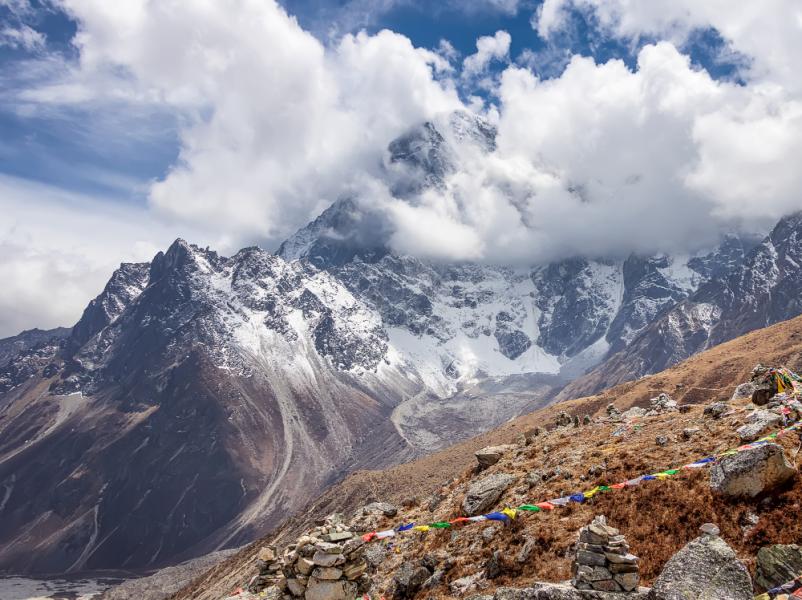
- Learn about Buddhist customs through prayer wheels, mani walls, and colorful prayer flags.
- Enjoy beautiful sunrise and sunset views over the Himalayan landscape.
- Taste authentic Sherpa and Nepali dishes served in local teahouses.
- The opportunity to spot Himalayan wildlife and native birds inside Sagarmatha National Park.
- Capture stunning photographs of traditional villages, monasteries, and mountain scenery.
- Spend time interacting with friendly locals and hearing stories about life in the Everest region.
Best Time for the Everest Culture Trek
The Everest Culture Trek can be enjoyed throughout the year, but spring (March to May) and autumn (September to November) are the most popular seasons. These months offer pleasant temperatures, clear skies, and the best mountain views. However, each season has its own unique charm depending on the experience you are looking for.
- Spring (March – May): Warm temperatures, blooming forests, and clear mountain views make spring one of the best times for the trek.
- Autumn (September – November): Stable weather, fresh air, and excellent visibility make autumn the most popular trekking season.
- Winter (December – February): Cold weather and fewer trekkers create a peaceful experience with beautiful snow-covered landscapes.
- Monsoon (June – August): Frequent rain, cloudy skies, and slippery trails make this the least favorable season for trekking.
Accommodation and Meals on Everest Culture Trek
Accommodation and meals on the Everest Culture Trek are simple, comfortable, and well-suited for trekking in the Himalayas. You will stay in traditional mountain teahouses run by local families, offering a warm and welcoming atmosphere after each day's trek. The food is freshly prepared and provides the energy needed for daily hiking. As you travel higher, the menu becomes more limited, but there are still plenty of satisfying meal options.
- Stay in comfortable, family-run mountain teahouses that offer an authentic Sherpa hospitality experience.
- Rooms are generally on a twin-sharing basis with beds, blankets, and pillows, while bathrooms are mostly shared, with attached facilities available in some lower villages.
- Warm dining halls provide a cozy place to enjoy meals, relax after trekking, and meet fellow trekkers from around the world.
- Breakfast, lunch, and dinner are served daily to keep you energized throughout the trek.
- Meals include a variety of Nepali, Tibetan, and basic international dishes such as dal bhat, noodles, fried rice, pasta, soups, potatoes, eggs, pancakes, and Tibetan bread.
- Vegetarian options are available at most teahouses, and fresh seasonal ingredients are used whenever possible.
- Tea, coffee, hot chocolate, bottled water, soft drinks, snacks, and desserts can be purchased at teahouses, although prices increase at higher elevations.
- Electricity, Wi-Fi, and hot showers are available in many teahouses for an additional charge, though services may be limited depending on the location and weather.
Everest Culture Trek :Why is it Popular?
The Everest Culture Trek is popular because it offers a different way to experience the Everest region. Instead of focusing on reaching high-altitude destinations, this trek lets you slow down and enjoy the local culture, history, and mountain lifestyle. It is an excellent choice for travelers who want a shorter Everest adventure with a comfortable pace and meaningful cultural experiences.
- Offers an authentic introduction to the traditions and daily life of the Sherpa community.
- Reaches a lower altitude than Everest Base Camp, making it suitable for a wider range of trekkers.
- Follows a quieter route with fewer crowds in villages such as Thame and Khumjung.
- Combines cultural exploration with beautiful Himalayan scenery in a single journey.
- Provides plenty of time to interact with local people and learn about their customs.
- Includes visits to historic villages that have played an important role in Everest mountaineering history.
- Ideal for travelers with limited time who still want to experience the Everest region.
- Offers a balanced trekking experience with moderate walking days and proper acclimatization.
Cultural Experiences During the Everest Culture Trek
The Everest Culture Trek is one of the best ways to experience the rich traditions of the Sherpa people. Throughout the journey, you will have many opportunities to learn about their customs, beliefs, and everyday lifestyle while visiting traditional mountain villages. The trek also introduces you to the strong Buddhist heritage that has shaped the culture of the Khumbu region for generations. These cultural experiences make the journey just as memorable as the mountain scenery.
- Visit traditional Sherpa villages and observe the local way of life.
- Explore ancient Buddhist monasteries and learn about their religious importance.
- Spin prayer wheels and pass colorful prayer flags and mani walls found along the trail.
- Meet local Sherpa families and experience their warm hospitality.
- Learn about Sherpa traditions, customs, and their long history in Himalayan mountaineering.
- Visit local markets where residents buy, sell, and trade everyday goods.
- Taste authentic Sherpa and Nepali dishes prepared in family-run teahouses.
- If your trek matches the local calendar, you may witness traditional festivals, religious ceremonies, or cultural celebrations.
Altitude and Acclimatization on the Everest Culture Trek
The Everest Culture Trek reaches a maximum altitude of approximately 3,870 meters at Tengboche. Although the risk of altitude sickness is lower than on higher Everest treks, proper acclimatization is still important for a safe and comfortable journey. The itinerary is carefully planned to help your body adjust gradually as you gain elevation.
- The trek reaches a maximum elevation of around 3,870 meters, making it suitable for trekkers looking for a lower-altitude Everest experience.
- A dedicated acclimatization day in Namche Bazaar allows your body to adjust before trekking to higher villages.
- The itinerary follows a gradual ascent, reducing the risk of altitude-related problems.
- Drinking plenty of water and maintaining a steady walking pace help your body adapt to the altitude.
- It is normal to feel slightly tired or short of breath as you gain elevation.
- Experienced guides monitor your health throughout the trek and are trained to recognize the early signs of altitude sickness.
- If symptoms become serious, the guide will recommend descending to a lower altitude and arrange emergency assistance if necessary.
- Following your guide's advice and allowing enough time to acclimatize will help you enjoy a safe and rewarding trekking experience.
Trekking Difficulty of Everest Culture Trek
The Everest Culture Trek is considered a moderate trek and is suitable for both beginners and experienced trekkers with a reasonable level of fitness. The daily walks are manageable, and the itinerary includes enough time for rest and acclimatization, making the trek comfortable for you.
- Rated as a moderate trek with well-established trails throughout the journey.
- Suitable for beginners as well as experienced trekkers with good physical fitness.
- Expect to trek for 4 to 7 hours each day, depending on the itinerary.
- The trail includes gradual ascents, descents, stone steps, and suspension bridges.
- No technical climbing or previous mountaineering experience is required.
- A basic level of fitness and regular walking before the trek are recommended.
- Proper acclimatization and a steady pace help make the trek safer and more enjoyable.
- The support of experienced guides and porters makes the journey easier and more comfortable.
Permits Needed for Everest Culture Trek
To trek in the Everest region, every trekker must obtain two mandatory permits. These permits allow entry into the protected areas of the Khumbu region and help fund conservation projects, trail maintenance, and local community development. If you book your trip with Nepalaya Treks, all permit arrangements are handled for you before the trek begins, allowing you to focus on enjoying your adventure.
- Sagarmatha National Park Entry Permit: The Sagarmatha National Park Entry Permit is required to enter the protected Everest region. It costs NPR 3,000 (USD 23) per person, plus 13% VAT for foreign nationals. The permit can be obtained from the Nepal Tourism Board in Kathmandu or at the park entrance in Monjo with a valid passport. If you book with Nepalaya Treks, we will arrange it for you.
- Khumbu Pasang Lhamu Rural Municipality Permit: The Khumbu Pasang Lhamu Rural Municipality Permit is also mandatory for the Everest Culture Trek. It costs NPR 2,000 (USD 15) per person for the first four weeks. You can obtain it at Lukla or the Monjo checkpoint by presenting your passport. This permit is also included and arranged by Nepalaya Treks as part of your trekking package.
Travel Insurance for the Everest Culture Trek
Travel insurance is highly recommended for the Everest Culture Trek, as the trek takes place in a remote mountain region where medical facilities are limited. A good insurance policy provides financial protection and peace of mind in case of unexpected situations during your journey.
- Your insurance should cover trekking up to 4,000 meters or higher.
- It should include emergency helicopter evacuation in case of altitude sickness, illness, or injury.
- Medical treatment and hospitalization should be covered.
- Coverage for trip cancellation, delays, and lost or delayed baggage is recommended.
- Make sure your policy covers adventure trekking activities in Nepal.
- Carry a printed and digital copy of your insurance policy and emergency contact details throughout the trek
Why Trek with Nepalaya Treks?
Choosing the right trekking company can make a big difference to your Everest experience. At Nepalaya Treks, we focus on providing safe, well-organized, and memorable adventures with experienced local guides and personalized service. From your arrival in Nepal until the end of your trek, our team is committed to ensuring you enjoy a comfortable and worry-free journey.- Trek with government-licensed guides who have extensive knowledge of the Everest region, local culture, and mountain safety.
- Carefully designed routes with proper acclimatization for a safe and enjoyable trekking experience.
- Stay in comfortable and carefully selected mountain teahouses throughout the trek.
- Travel in small groups for better service, flexibility, and a more personal trekking experience.
- Guides carry first aid kits, monitor your health, and are trained to handle altitude-related emergencies.
- No hidden costs, with all major trekking services included in your package.
- Our team provides assistance before, during, and after your trek whenever you need it.
- We support local communities and promote environmentally responsible trekking practices throughout the Everest region.
Why Choose This Itinerary?
This 10-day itinerary is designed for travelers who want to experience the culture and beauty of the Everest region without trekking to extreme altitudes. It offers a comfortable pace, proper acclimatization, and enough time to explore traditional Sherpa villages while enjoying stunning Himalayan scenery. The route provides a perfect balance of culture, nature, and adventure, making it suitable for both first-time and experienced trekkers.- Visits some of the most authentic Sherpa villages in the Everest region.
- Includes an acclimatization day in Namche Bazaar for a safer trekking experience.
- Reaches a moderate altitude, making it more comfortable than longer Everest treks.
- Offers enough time to explore monasteries, local culture, and traditional mountain life.
- Combines scenic mountain views with meaningful cultural experiences.
- Daily walking hours are well balanced, allowing time to rest and enjoy the surroundings.
- Suitable for beginners as well as experienced trekkers with a reasonable level of fitness.
- Ends with a scenic flight back to Kathmandu, completing a rewarding Himalayan adventure.
Safety on the Everest Culture Trek
Your safety is our highest priority throughout the Everest Culture Trek. Although this trek reaches a moderate altitude, proper planning, experienced guides, and a gradual itinerary help ensure a safe and enjoyable journey. By following your guide's instructions and trekking at a comfortable pace, you can reduce the risk of altitude-related issues and fully enjoy the experience.- The itinerary includes proper acclimatization to help your body adjust to the altitude.
- Experienced, government-licensed guides accompany you throughout the trek.
- Guides carry a first aid kit and monitor your health during the journey.
- Oxygen saturation and heart rate are checked regularly using a pulse oximeter.
- Emergency helicopter evacuation can be arranged if required through your travel insurance.
- Trek at a steady pace and stay well hydrated to reduce the risk of altitude sickness.
- Weather and trail conditions are closely monitored, and plans are adjusted if necessary.
- Nepalaya Treks provides full support from your arrival in Nepal until the successful completion of your trek.
Responsible Tourism
At Nepalaya Treks, we believe that trekking should benefit both travelers and the local communities they visit. We encourage responsible tourism by respecting local traditions, protecting the natural environment, and supporting the people of the Everest region. By trekking responsibly, you help preserve the beauty and culture of the Himalayas for future generations.- Respect local customs, traditions, and religious sites throughout the trek.
- Help reduce plastic waste by carrying a reusable water bottle.
- Dispose of waste properly and leave the trails clean.
- Support local communities by staying in family-run teahouses and purchasing local products.
- Avoid disturbing wildlife and protect the natural environment.
- Use water and electricity responsibly, as resources are limited in mountain villages.
- Follow your guide's instructions and stay on designated trekking trails.
- Travel responsibly to help preserve the culture, environment, and heritage of the Everest region.
Group Size
The Everest Culture Trek is available for both small groups and private departures, allowing you to choose the experience that best suits your travel style. Whether you are trekking alone, with friends, or as part of a larger group, Nepalaya Treks ensures personalized service and professional support throughout the journey.- Guaranteed departures for solo trekkers and groups.
- Small groups provide a more personal and enjoyable trekking experience.
- An experienced, government-licensed guide accompanies every group.
- One porter is shared between two trekkers to carry your trekking luggage.
- An additional assistant guide is provided for groups of eight or more trekkers.
- Private group departures can be arranged on your preferred travel dates.
- Group sizes are kept manageable to ensure better safety, flexibility, and individual attention throughout the trek.
Private Departure Available
The Everest Culture Trek is available as a private departure, giving you the flexibility to travel on your preferred dates with your own group. Whether you are traveling solo, with family, friends, or colleagues, a private trek offers a more personalized and flexible experience.- Choose your own departure date based on your travel plans.
- Ideal for solo travelers, couples, families, and private groups.
- Enjoy a flexible trekking pace that suits your group's preferences.
- Receive dedicated support from your own guide and trekking team.
- Customize certain parts of the itinerary to match your interests and schedule.
- Perfect for those looking for a more private and personalized Everest trekking experience.
Equipment Rental Information
If you do not own trekking gear, renting equipment in Kathmandu is a convenient and affordable option. The city has many professional rental stores that provide quality trekking gear for short and long-duration treks. Nepalaya Treks can guide you to trusted rental shops and help you choose equipment that is suitable for the Everest Culture Trek.- Kathmandu offers a wide range of trekking rental shops with equipment suitable for different seasons and trekking conditions.
- Renting equipment is often more economical than purchasing new gear, especially if you do not trek regularly or are visiting Nepal for a single adventure.
- Nepalaya Treks can recommend reliable rental stores that provide clean, well-maintained, and good-quality trekking equipment.
- Rental charges are generally calculated on a daily or per trek basis, depending on the type of equipment and the rental shop's policy.
- It is best to arrange your rental gear at least one day before departure so you have enough time to check the size, comfort, and condition of each item.
- Before leaving Kathmandu, carefully inspect all rented equipment to ensure it fits properly and works as expected in mountain conditions.
- Most rental shops require a security deposit or a copy of your passport, and all rented items must be returned in good condition at the end of the trek according to the rental agreement.
Trip Highlights
- Stay in traditional mountain teahouses and enjoy authentic Sherpa hospitality
- Cross exciting suspension bridges and follow scenic trails beside the Dudh Koshi River
- Trek through Sagarmatha National Park, a UNESCO World Heritage Site rich in Himalayan wildlife and landscapes
- Visit Khumjung Village and see the historic monastery believed to house the legendary Yeti scalp
- Discover the peaceful village of Thame, known for its monasteries and Sherpa heritage
- Spend an acclimatization day in Namche Bazaar, the gateway to the Everest region
- Enjoy breathtaking views of Mount Everest, Ama Dablam, Lhotse, Thamserku, Kongde Ri, and other Himalayan peaks
- Explore the famous Tengboche Monastery, the largest monastery in the Khumbu region
- Visit traditional mountain villages including Namche Bazaar, Thame, Khumjung, and Tengboche
- Experience the rich Sherpa culture in the heart of the Everest region
Itinerary
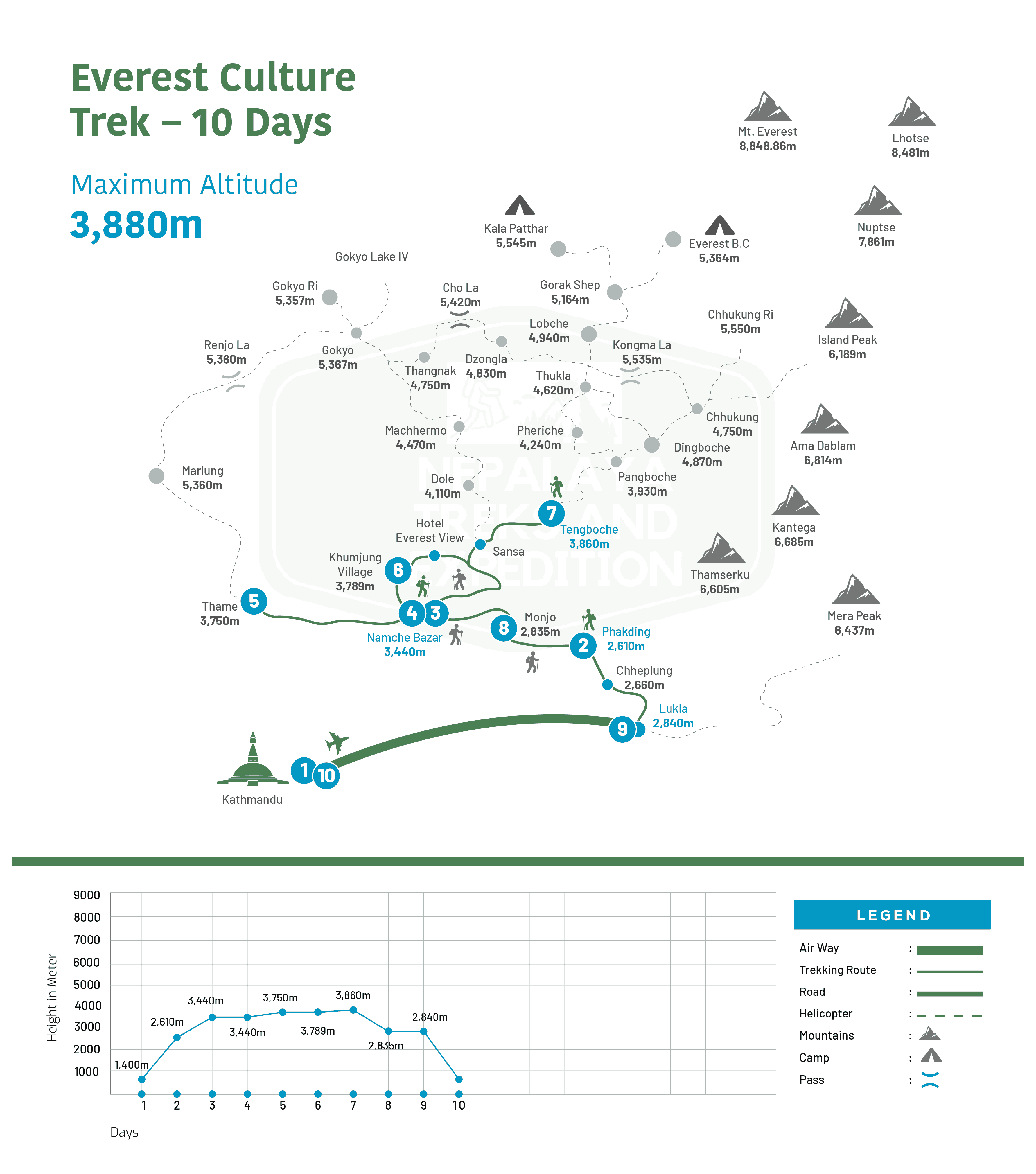
Day 1: Arrival at Kathmandu Tribhuvan International Airport and Transfer to Hotel
Welcome to Nepal, upon your arrival at Tribhuvan International Airport, a representative from Nepalaya Treks greets you and transfers you to your hotel in Kathmandu. After checking in, you can relax or explore the nearby area if you arrive early. In the evening, attend a trek briefing where your guide explains the itinerary, safety guidelines, and answers any questions about the journey. Later, enjoy a traditional Nepali welcome dinner while getting to know your fellow trekkers before your Everest Culture Trek begins.
- Max Elevation: 1,400 meters
- Travel Distance: 6 to 8 kilometers
- Travel Hours: 30 to 45 minutes
- Accommodation: 3 Star Hotel
- Meal Included: Welcome Dinner
Day 2: Fly from Kathmandu to Lukla and Then Trek to Phakding
Day 3: Trek from Phakding to Namche Bazaar (3,440 meters)
Day 4: Acclimatization day in Namche Bazaar
Day 5: Trek from Namche Bazaar to Thame
Day 6: Trek from Thame to Khumjung
Day 7: Trek from Khumjung to Tengboche
Day 8: Trek from Tengboche to Monjo
Day 9: Trek from Monjo to Lukla
Day 10: Take Return Flight from Lukla to Kathmandu
Route Map
Inclusion / Exclusion
Inclusion
- Airport pick-up and drop-off for domestic flights by private vehicle
- Kathmandu–Lukla–Kathmandu (or Ramechhap–Lukla–Ramechhap) domestic flights with airport taxes and required transfers
- Three daily meals (breakfast, lunch, and dinner) throughout the trek
- Accommodation in comfortable local mountain teahouses during the trek
- Sagarmatha National Park Entry Permit and Khumbu Pasang Lhamu Rural Municipality Permit
- Experienced, English-speaking, government-licensed trekking guide
- One Sherpa porter for every two trekkers, including all salary, meals, accommodation, insurance, and equipment
- Basic first aid kit carried by the guide and coordination of emergency helicopter rescue if required (evacuation costs are covered by your travel insurance policy)
- Use of a sleeping bag, down jacket, duffel bag, and trekking poles during the trek (returnable after the trip)
- Pulse oximeter checks during the trek to monitor oxygen levels and heart rate
- All applicable government taxes and official service charges
Exclusion
- Lunch and dinner while staying in Kathmandu
- Hotel accommodation in Kathmandu before and after the trek
- Nepal entry visa fees
- International airfare to and from Nepal
- Personal travel and medical insurance, including high-altitude emergency rescue coverage
- Personal expenses such as snacks, souvenirs, laundry, and shopping
- All alcoholic and non-alcoholic beverages, bottled water, tea, coffee, hot chocolate, and additional food ordered during the trek
- Desserts, chocolates, cakes, and other sweet items
- Charges for hot showers, Wi-Fi, and battery charging at mountain teahouses
- Tips for guides, porters, and drivers
- Extra baggage charges for luggage exceeding the airline's weight limit on Lukla flights
Check List
Packing the right gear will help you stay comfortable throughout the trek. Since temperatures can change quickly in the Everest region, it is best to pack light while bringing all the essentials.
Clothing
- Down jacket (available on request and must be returned after the trek)
- Four-season sleeping bag (available on request and must be returned after the trek)
- Waterproof and windproof jacket
- Waterproof rain jacket
- Long-sleeve trekking shirts
- Thermal base layers (top and bottom)
- Fleece or wool jacket
- Comfortable trekking pants
- Waterproof and windproof trousers
- Warm trousers for cold evenings
- Extra casual clothes for the teahouses
- Sports bras (for women)
Head and Hand Protection
- Warm hat that covers the ears
- Sun hat or cap
- Neck gaiter or buff
- Sunglasses with UV protection
- Sunscreen (SPF 35–60)
- Lightweight trekking gloves
- Warm insulated gloves
Footwear
- Waterproof trekking boots
- Comfortable sandals or slippers
- Light shoes or sneakers
- Four to five pairs of warm trekking socks
- Sock liners (optional)
Bags and Gear
- Daypack (20–30 liters)
- Duffel bag (provided by Nepalaya Treks during the trek)
- Trekking poles
- Reusable water bottles or hydration bladder
- Water purification tablets or filter
- Headlamp with extra batteries
- Power bank
- Camera with charger and spare memory card (optional)
Personal Items
- Passport and four passport-size photographs
- Copies of flight details and travel documents
- Personal toiletries
- Quick-dry towel
- Toilet paper
- Wet wipes and hand sanitizer
- Lip balm with SPF
- Plastic or waterproof bags for dirty clothes
Personal First Aid
- Personal prescription medicines
- Pain relief medicine
- Blister treatment
- Adhesive bandages
- Insect bite or anti-itch cream
- Diamox (if recommended by your doctor for altitude)
- Water purification tablets
Optional Items
- Energy bars, nuts, or dry snacks
- Notebook and pen
- Reading book or Kindle
- Music player or earphones
- Binoculars for mountain views
Trip FAQs
-
1. Is the Everest Culture Trek suitable for beginners?
Yes, the Everest Culture Trek is suitable for beginners with a reasonable level of fitness. The trail includes several uphill and downhill sections, but the itinerary allows enough time to adjust to the altitude. Regular walking or light exercise before the trek can make the journey more comfortable and enjoyable. -
2. What is the best time to do the Everest Culture Trek?
Spring (March – May) and autumn (September – November) are the best seasons for the Everest Culture Trek. These months usually offer clear mountain views, stable weather, and comfortable trekking conditions. Winter is quieter but colder, while the monsoon season brings frequent rain and cloudy skies. -
3. Do I need previous trekking experience for this trek?
Previous trekking experience is not required for the Everest Culture Trek. The route is suitable for first-time trekkers who are physically prepared for several days of hiking. A steady pace, proper acclimatization, and guidance from experienced trekking staff help make the journey safe and enjoyable. -
4. What permits are required for the Everest Culture Trek?
You need two permits for the Everest Culture Trek: the Sagarmatha National Park Entry Permit and the Khumbu Pasang Lhamu Rural Municipality Permit. These permits are required to enter the Everest region and are usually arranged by the trekking company before the trek begins. -
5. What kind of accommodation and meals are available during the trek?
Accommodation is provided in local mountain teahouses with simple but comfortable rooms. Meals usually include Nepali, Tibetan, and basic international dishes such as dal bhat, noodles, rice, soups, pasta, eggs, and tea. Food becomes simpler as you trek to higher elevations. -
6. Is altitude sickness a concern on the Everest Culture Trek?
Although this trek does not reach extremely high elevations like Everest Base Camp, altitude sickness is still possible. The itinerary includes an acclimatization day in Namche Bazaar to help your body adjust. Staying hydrated, walking at a steady pace, and informing your guide about any symptoms are important. -
7. Can I charge my phone and access the internet during the trek?
Yes, most teahouses along the Everest Culture Trek offer phone charging and Wi-Fi services for an extra fee. The connection may be slow or unavailable in some areas due to weather and location, so it is best not to rely on internet access throughout the trek. -
8. How many hours do I need to walk each day on the Everest Culture Trek?
Most trekking days involve walking for 4 to 7 hours, depending on the route and trail conditions. The pace is relaxed with regular breaks for rest, meals, and sightseeing. Your guide will ensure the group walks at a comfortable speed so everyone can enjoy the trek safely. -
9. Can I do the Everest Culture Trek as a private trip?
Yes, the Everest Culture Trek can be booked as a private trip. You can choose your preferred travel dates and trek only with your family, friends, or your own group. Private departures also offer more flexibility and a more personalized trekking experience. -
10. What should I pack for the Everest Culture Trek?
You should pack comfortable trekking clothes, sturdy hiking boots, a warm jacket, gloves, a hat, sunglasses, sunscreen, a reusable water bottle, and personal toiletries. A small first-aid kit and personal medications are also recommended. Most essential trekking gear can be rented in Kathmandu before the trek begins.
All Inclusive Cost
USD 1305
Per Person
BOOK NOW QUICK ENQUIRY- Best Price Guarantee
- Hassle-Free Booking
- Team of highly experienced Experts
You may also like !!
Our Best Selling Packages You May Like.