Everest Base Camp Treking
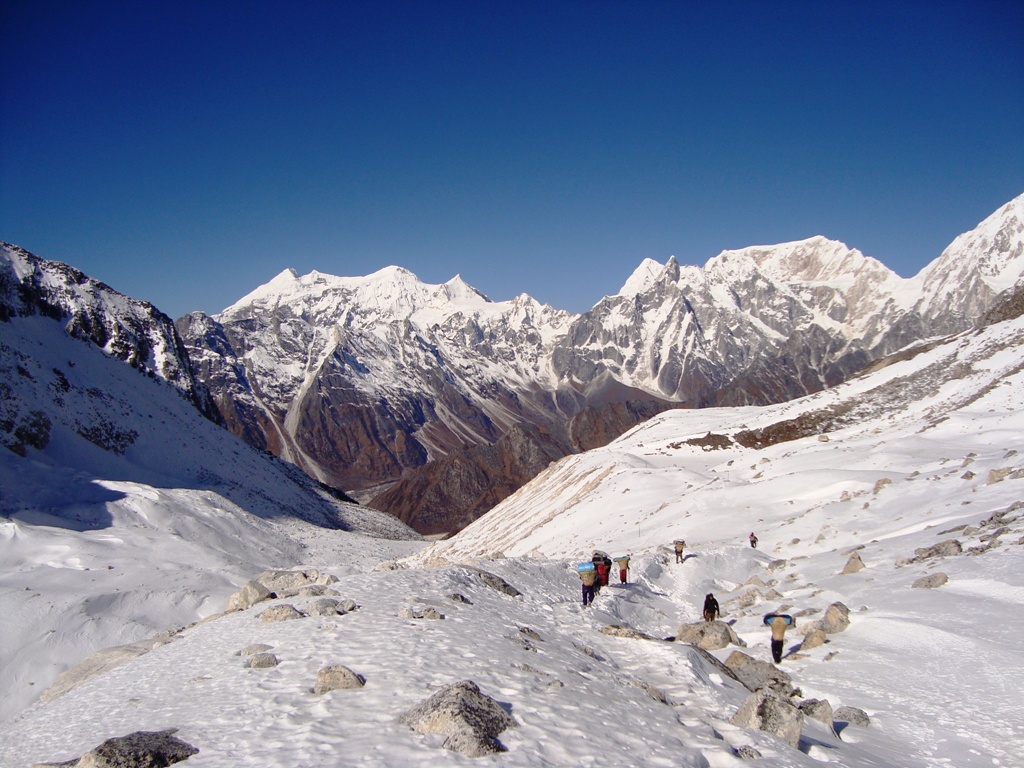
No trek on Earth carries the mystique of the walk to Everest Base Camp. This is the trail that legends are made of—the same valleys and glacial moraines walked by Tenzing Norgay and Edmund Hillary on their way to the first summit of the world's highest mountain in 1953. Today, thousands of trekkers follow in their footsteps each year, not to summit Everest itself, but to stand at its base and look up at 8,849 meters of sheer Himalayan rock and ice.
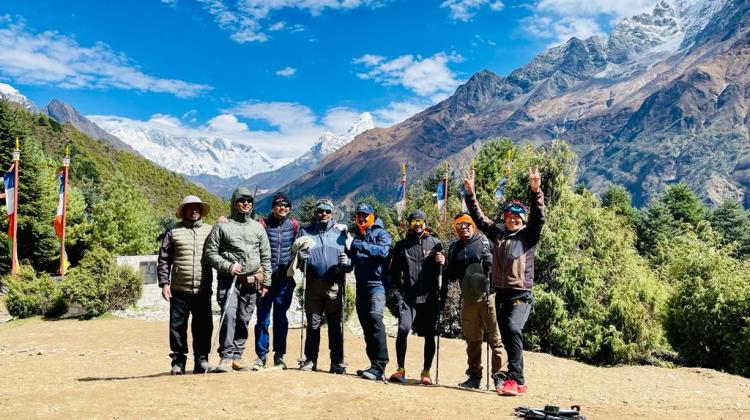
The Everest Base Camp trek is about far more than the destination. Along the way, you'll pass through Sherpa villages steeped in Buddhist tradition, cross swaying suspension bridges over glacial rivers, walk beneath prayer flags fluttering at monasteries like Tengboche, and watch the world's highest peaks—Lhotse, Nuptse, Ama Dablam, and Everest itself—dominate the skyline. It's a journey through Sagarmatha National Park, a UNESCO World Heritage Site, and through the heart of Sherpa culture in the Khumbu region.
This guide covers everything you need to plan your Everest Base Camp trek: the best time to go, route highlights, permit requirements, difficulty and fitness preparation, altitude safety, and practical tips for making the journey both unforgettable and safe.
Why Trek to Everest Base Camp?
- Stand at the base of the world's highest mountain, Mount Everest (8,849m)
- Walk through Sagarmatha National Park, a UNESCO World Heritage Site
- Experience authentic Sherpa culture in villages like Namche Bazaar and Tengboche
- Panoramic views of Everest, Lhotse, Nuptse, and Ama Dablam
- Visit the historic Tengboche Monastery, the spiritual heart of the Khumbu
- A true bucket-list trek suitable for reasonably fit trekkers, not just professional climbers
Best Time to Trek Everest Base Camp
Spring (March–May)
One of the two most popular seasons, spring brings warming temperatures and blooming rhododendrons at lower elevations.
- Weather conditions: Mild days, cold nights at altitude, generally stable conditions.
- Climbing season overlap: Expedition teams heading to Everest's summit add extra energy to the trail.
- Ideal for trekkers wanting good weather and lively teahouses.
Autumn (September–November)
Widely regarded as the best season to trek to Everest Base Camp.
- Clear skies and mountain views: Post-monsoon air is crisp, with excellent visibility of the peaks.
- Stable weather: Minimal rainfall and comfortable daytime trekking temperatures.
- Peak season: Trails and teahouses are busiest, so book permits and flights to Lukla well in advance.
Winter (December–February)
A quieter, colder option for experienced trekkers.
- Advantages: Fewer crowds, clear skies, and a more peaceful trail experience.
- Challenges: Sub-zero temperatures at higher elevations, occasional snow on the trail, and shorter daylight hours.
Monsoon (June–August)
The least popular season for this route.
- Rainfall and trail conditions: Heavy rain, leeches at lower elevations, and cloud cover that often obscures mountain views.
- Flight risk: Monsoon weather frequently delays or cancels flights to Lukla.
Everest Base Camp Route Highlights
- Lukla – Gateway to the Khumbu, reached by a dramatic mountain flight from Kathmandu.
- Phakding and Monjo – Early trail villages leading into Sagarmatha National Park.
- Namche Bazaar – The bustling Sherpa trading hub and key acclimatization stop.
- Tengboche – Home to the region's most famous monastery, with sweeping views of Ama Dablam and Everest.
- Dingboche and Lobuche – High-altitude villages used for further acclimatization before the final push.
- Everest Base Camp – The trek's ultimate destination, set among the Khumbu Icefall and glacier.
- Kala Patthar – A nearby viewpoint offering the best panoramic views of Everest's summit, often visited at sunrise.
Permits Required for Everest Base Camp
Trekking to Everest Base Camp requires a few permits, all straightforward to arrange through a registered trekking agency.
- Sagarmatha National Park Entry Permit – Required to enter the national park that Everest Base Camp lies within.
- Khumbu Pasang Lhamu Rural Municipality Entry Permit – A local area permit collected in Lukla or Monjo.
- Independent trekking is technically possible on this route, but hiring a licensed guide is strongly recommended for safety, logistics, and altitude support.
Permit fees and regulations can change, so it's worth confirming current requirements before finalizing your trip dates.
Trekking Difficulty and Fitness Level
The Everest Base Camp trek is generally rated moderate to challenging, largely due to the high altitude rather than technical difficulty.
- Maximum altitude reaches around 5,364m at Everest Base Camp, and 5,545m at Kala Patthar.
- No technical climbing or mountaineering skills are required—this is a walking trek.
- Long trekking days and significant elevation gain make cardiovascular fitness essential.
- Acclimatization days are built into most itineraries to reduce the risk of altitude sickness.
Essential Preparation Before Your Trek
Physical Fitness
- Cardio training such as hiking, running, or cycling in the months before your trek
- Strength training for legs and core to handle daily elevation gain
- Practice walking with a loaded daypack on uneven terrain
Packing Checklist
- Insulated, waterproof trekking boots
- Warm layered clothing, including a down jacket for higher elevations
- Sleeping bag rated for sub-zero temperatures
- Trekking poles for the steep and uneven sections
- Headlamp for early starts, especially to Kala Patthar
Documents & Permits
- Valid passport with Nepal visa
- Sagarmatha National Park Entry Permit
- Khumbu Pasang Lhamu Rural Municipality Entry Permit
- Passport-sized photographs for permit processing
Altitude and Safety Tips
Altitude sickness is the single biggest risk on this trek, and taking it seriously matters more than fitness level alone.
- Acclimatize properly, including rest days at Namche Bazaar and Dingboche.
- Learn the symptoms of acute mountain sickness (AMS) and never ignore them.
- Stay well hydrated throughout each day.
- Ascend gradually—"climb high, sleep low" where possible.
- Have an emergency evacuation plan, including awareness of helicopter rescue options.
- Purchase travel insurance that specifically covers high-altitude trekking up to at least 6,000m.
Accommodation and Food
- Teahouses and lodges along the entire route, ranging from basic to relatively comfortable
- Traditional meals such as Dal Bhat, along with pasta, soups, and bakery items in larger villages
- Boiled or treated drinking water widely available; bottled water is discouraged for environmental reasons
- Wi-Fi and charging facilities available in most villages, usually for a small fee
Hiring a Guide or Porter
While independent trekking is allowed on this route, most trekkers benefit significantly from hiring local support.
- Better navigation through the trail's junctions and side routes
- Deep local knowledge of Sherpa culture, monasteries, and village life
- Reduced physical strain when hiring a porter to carry your main pack
- Critical assistance in recognizing and responding to altitude-related issues
Estimated Trekking Costs
- National park and rural municipality permit fees
- Guide and porter fees
- Lukla flights (round trip from Kathmandu)
- Teahouse accommodation and meals
- Trekking gear and equipment rental, if needed
Responsible Trekking Tips
- Follow Leave No Trace principles throughout Sagarmatha National Park.
- Respect Sherpa customs and monastery etiquette, including at Tengboche.
- Support local teahouses, guides, and porters from the Khumbu region.
- Minimize plastic waste—carry a reusable bottle and use water refill stations where available.
- Stay on marked trails to protect the fragile alpine environment.
Why Trek with a Local Trekking Company?
- Local trail expertise and route planning around acclimatization needs
- Permit arrangements handled on your behalf
- Flight and logistics support for the notoriously weather-dependent Lukla route
- Professional safety support and altitude monitoring
- Customized itineraries to match your fitness level and time available
Frequently Asked Questions (FAQs)
Do I need a guide for Everest Base Camp?
It isn't strictly mandatory, but a licensed guide is highly recommended for safety, altitude support, and logistics, especially for first-time high-altitude trekkers.
How difficult is the Everest Base Camp trek?
It's rated moderate to challenging, mainly due to high altitude rather than technical difficulty. No climbing skills are required.
What permits are required?
You'll need the Sagarmatha National Park Entry Permit and the Khumbu Pasang Lhamu Rural Municipality Entry Permit.
How many days does the Everest Base Camp trek take?
Most itineraries range between 12 and 16 days, including acclimatization days at Namche Bazaar and Dingboche.
What is the best time to trek to Everest Base Camp?
Autumn (September–November) and spring (March–May) offer the most stable weather and clearest mountain views.
Is altitude sickness a serious risk?
Yes. Proper acclimatization, gradual ascent, and awareness of AMS symptoms are essential for a safe trek.
Is Everest Base Camp trekking safe?
Yes, with proper preparation, a sensible itinerary with acclimatization days, a reliable guide, and comprehensive travel insurance, it is considered safe for most reasonably fit trekkers.
Conclusion
The trek to Everest Base Camp is more than a walkit's a pilgrimage through the world's most iconic mountain landscape, following trails first carved out by Sherpa communities and Himalayan mountaineering legends. From the bustling lanes of Namche Bazaar to the silence of the Khumbu Glacier at Base Camp itself, every day on this trail offers a new reason to look up in awe.
With the right preparation, careful acclimatization, and respect for the Sherpa culture that calls this region home, your journey to Everest Base Camp can be both unforgettable and safe. To make your adventure seamless, consider choosing the best tour and travel agency in Nepal for expert local guides, permit assistance, flight coordination, and complete travel support. Start planning your Everest Base Camp trek todaythe roof of the world is waiting.
Leave Your Comment.
Best Selling
Our Best Selling Packages You May Like.