Everest Base Camp Trek
Overview
The 14-day Everest Base Camp Trek takes you from Kathmandu to the Khumbu Valley along the standard route to the base camp of Mount Everest. You will start your trek with the flight from Kathmandu to Lukla and after that start walking through the villages of Sherpas, through forests, bridges, glacier valleys, and mountainous landscapes. The acclimatization period in Namche Bazaar and Dingboche allows the travelers to get used to the increased elevation and prepare themselves for the higher part of the trek. While you walk through the mountains, you will visit several mountain communities like Phakding, Tengboche, Lobuche, and Gorakshep, and admire views of numerous peaks – Everest, Lhotse, Ama Dablam, Nuptse, and Pumori. The major event of the tour is the trek to Everest Base Camp and a morning hike to Kala Patthar to enjoy the beautiful view of the Himalayas and watch the sunrise. Then you will return to Lukla via Pheriche and Namche Bazaar. This journey combines incredible mountain scenery, Sherpa culture, Buddhism, and an unforgettable trek to the base of the highest mountain in the world.
What to Expect on the Everest Base Camp Trek – 14 Days
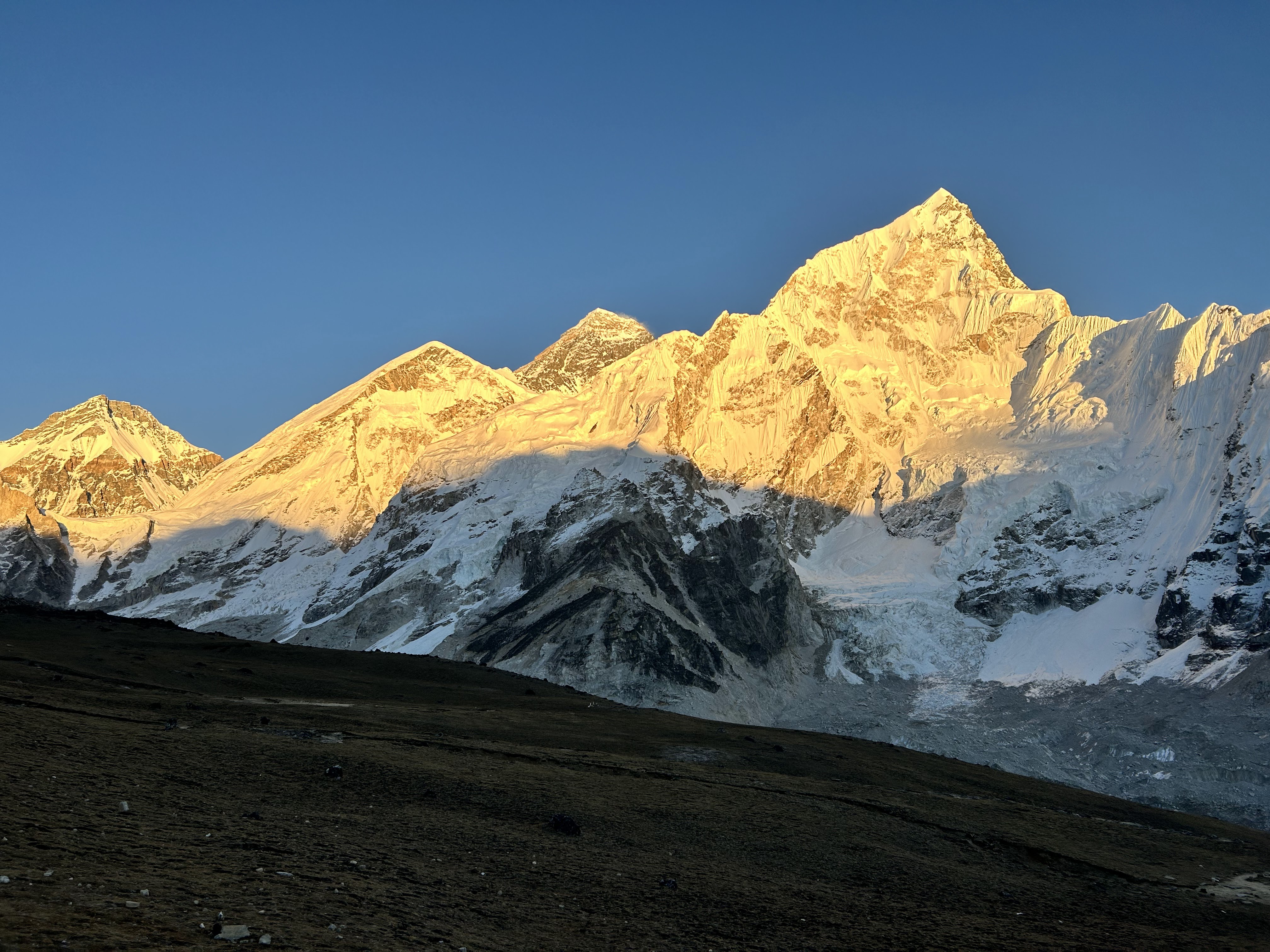
- Enjoy panoramic views of the Himalayas, including Mount Everest, Nuptse, Lhotse, Pumori, Ama Dablam, and other famous Himalayan peaks from Kala Patthar (5,545 m).
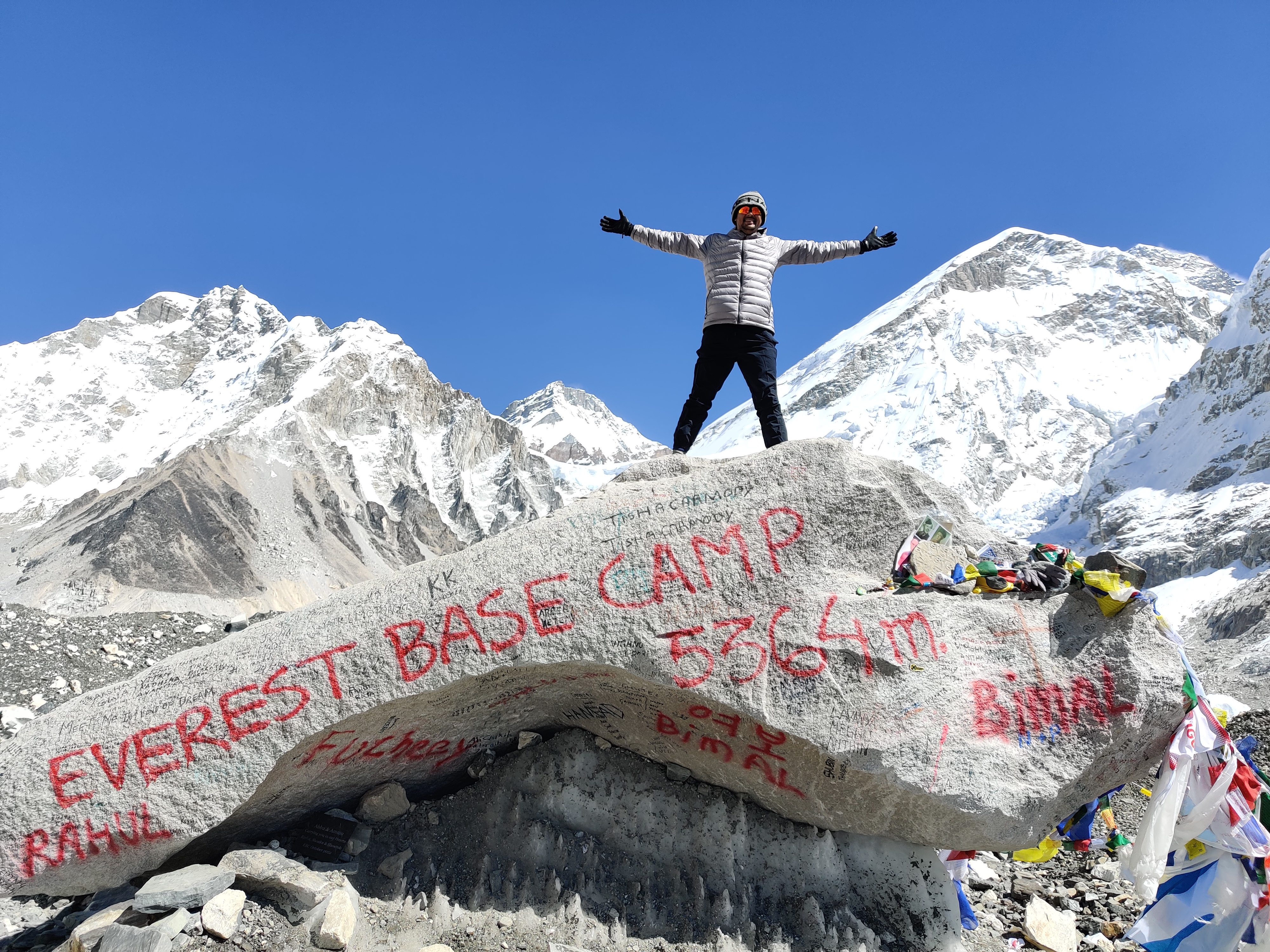
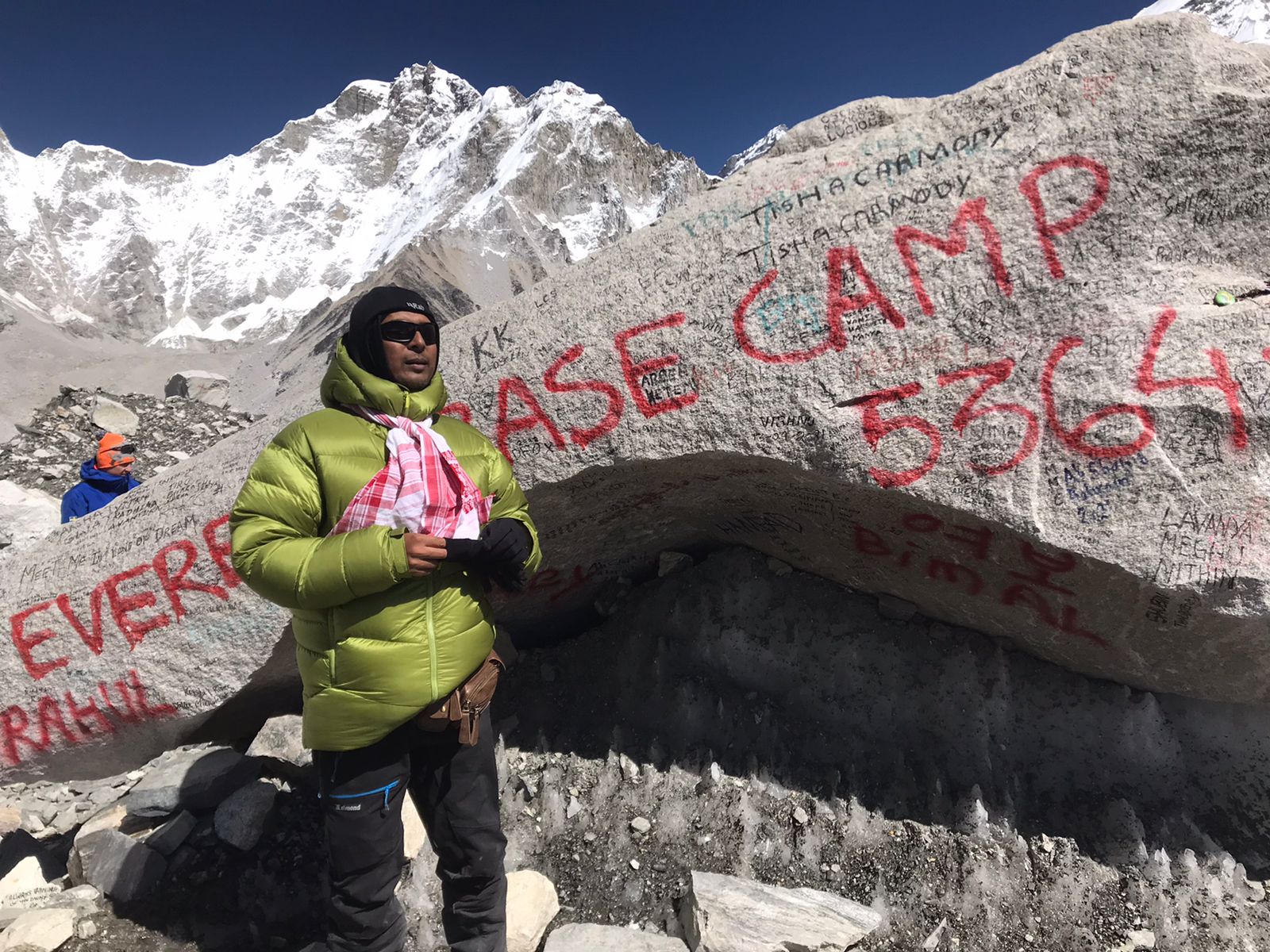
- Reach the legendary Everest Base Camp, the staging area for Mount Everest expeditions from the Nepal side.
- Spend an overnight at Gorakshep, one of the highest settlements along the Everest Base Camp trekking route.
- Discover the charm of Sagarmatha National Park, a UNESCO World Heritage Site.
- Get acquainted with the unique Sherpa settlements of Phakding, Namche Bazaar, Tengboche, Dingboche, Lobuche, and Gorakshep.
- Visit Tengboche Monastery, one of the most famous Buddhist monasteries in the Khumbu region of Nepal.
- Walk across suspension bridges decorated with colorful prayer flags while crossing sections of the Dudh Koshi River valley.
- Enjoy breathtaking views of Everest, Ama Dablam, Lhotse, Nuptse, Pumori, Thamserku, and many other Himalayan peaks throughout the trail.
- Experience the changing landscape from forests and rhododendron trees to barren alpine regions, rocky moraines, and glaciers.
- Stay in traditional mountain teahouses and experience the warm hospitality of the Sherpa people.
- Savor Nepalese cuisine and other meals served at teahouses along the trekking route.
- Admire glorious Himalayan sunrises, especially from the famous viewpoint of Kala Patthar.
- Spend acclimatization days in Namche Bazaar and Dingboche so that your body can gradually adjust to higher altitudes.
Extra Highlights of the Everest Base Camp Trek – 14 Days
- Take a scenic flight from Kathmandu to Lukla and enjoy aerial views of the hills and Himalayan mountains.
- Visit old Sherpa villages that have played an important role in Himalayan trade and mountaineering history.
- See colorful prayer flags, mani walls, chortens, prayer wheels, Buddhist sculptures, and other Buddhist cultural landmarks throughout the Khumbu region.
- Experience the transition from forests of pine and rhododendron trees to the harsh alpine zone above the tree line.
- Visit Namche Bazaar, one of the liveliest mountain towns and an important center of trade and acclimatization.
- Enjoy fantastic views of the Himalayan range during an acclimatization hike around Namche Bazaar.
- Spend an acclimatization day in Dingboche surrounded by impressive Himalayan peaks and rugged mountain landscapes.
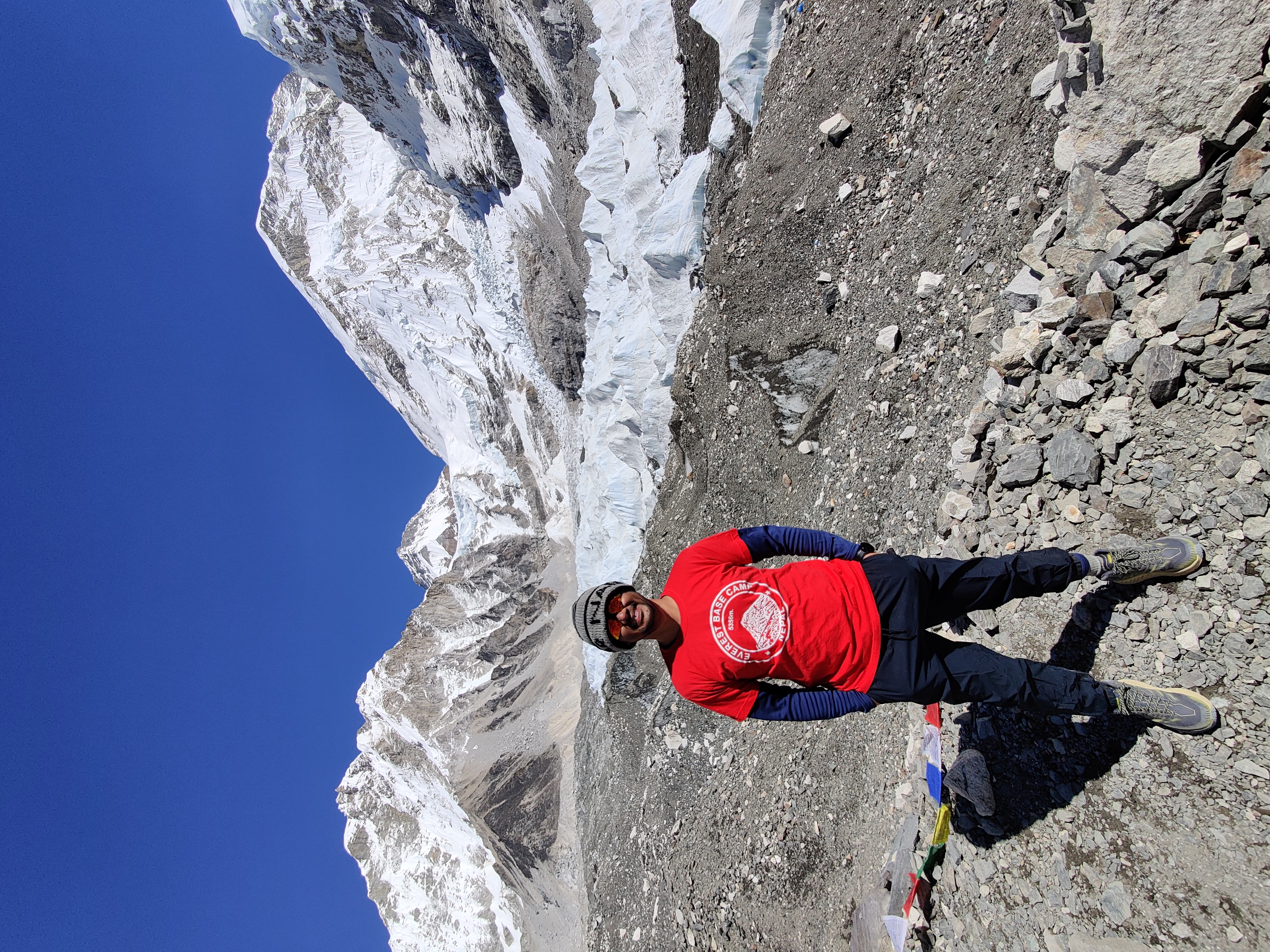
- Trek alongside the Khumbu Glacier and experience the dramatic glacial landscape on your way toward Everest Base Camp.
- Visit climbers' memorials near Lobuche and reflect on the challenges faced by Himalayan mountaineers.
- Wake up surrounded by spectacular Himalayan peaks in the high-altitude settlements of the Everest region.
- Look for Himalayan wildlife, including Himalayan monals, musk deer, pheasants, and other animals along the trail.
- Spend evenings in cozy teahouse dining halls where trekkers from around the world gather and share their experiences.
- Discover more about Sherpa culture, Tibetan Buddhism, mountaineering traditions, and the unique lifestyle of people living in the Khumbu region.
- Admire the starry Himalayan sky, particularly in areas far from the light pollution of major cities.
- Take photographs of Mount Everest and the surrounding mountains from some of the most picturesque viewpoints in the region.
- Celebrate your achievement at Everest Base Camp after trekking through the Khumbu Valley.
- Marvel at the breathtaking sunrise from Kala Patthar and watch the first sunlight illuminate Everest and the surrounding peaks.
- Travel back toward Lukla through Pheriche and Namche Bazaar before enjoying the scenic flight back to Kathmandu.
Best Time for the Everest Base Camp Trek
- Spring (March-May): Spring is among the best times for the Everest Base Camp Trek. The weather is generally favorable for trekking, visibility is good, and rhododendron forests at lower elevations come into bloom. Temperatures gradually become warmer, while the higher mountains remain covered in snow, creating beautiful Himalayan scenery.
- Autumn (September-November): Autumn is one of the best seasons for trekking in Nepal. The monsoon has already passed, resulting in clearer skies and excellent mountain visibility. Trails are generally in good condition, and the cool temperatures make it comfortable to spend several hours trekking each day. During this season, views of Everest, Ama Dablam, Lhotse, Nuptse, and other Himalayan peaks are particularly impressive.
- Winter (December-February): Winter brings fewer trekkers and quieter trails in the Everest region, although temperatures can become extremely cold at higher elevations. Some sections of the trail may be affected by snowfall, and longer nights require appropriate preparation and warm clothing. On clear winter days, however, the mountain views can be exceptionally beautiful.
- Monsoon (June-August): The monsoon season brings rainfall to the lower sections of the trekking route, while clouds can obstruct mountain views. Trails can become wet and slippery, and flights to and from Lukla may be delayed or canceled because of poor weather. Although the Everest region can receive less rainfall than some lower parts of Nepal, the monsoon can still bring rain, cloud cover, and flight disruptions, particularly at lower elevations.
Trek Accommodation and Meals on the Everest Base Camp Trek – 14 Days
- Stay in a standard hotel in Kathmandu at the beginning and end of the trek.
- Stay in twin-sharing teahouses throughout the trekking period, generally in basic rooms with shared bathroom facilities.
- Relax in the welcoming dining halls of teahouses where trekkers meet, eat, talk, and prepare for the next day's trek.
- Take breakfast in the form of eggs, porridge, pancakes, bread, Tibetan bread, muesli, chapatti, and different kinds of beverages.
- Lunch and dinner typically include fresh foods including dal bhat, noodles, fried rice, pasta, soup, potatoes, momos, curry, seasonal vegetables, and many more.
- Try Nepalese dal bhat, which is very famous among trekkers, and consists of rice, lentil, vegetables, and other foods.
- Enjoy hot drinks such as tea, coffee, ginger tea, lemon tea, peppermint tea, and hot chocolate for warming up in the mountains.
- Vegetarian meals are widely available at most teahouses and are prepared from available local food products.
- Expect less variety in the menus in high settlement areas like Lobuche and Gorakshep due to difficulties of bringing the food there.
- Bring reusable water bottles, which can be refilled at teahouses and treated with purification tablets, drops, or filters.
Cultural Experiences During the Everest Base Camp Trek – 14 Days
- See some of the traditional Sherpa villages such as Phakding, Namche Bazaar, Tengboche, Dingboche, Lobuche, Gorakshep and enjoy the atmosphere of the mountain settlements.
- Learn more about the traditions and beliefs of Sherpas, Buddhist culture and religion, holidays, customs, and the history of mountaineering and the peculiarities of life in the Khumbu region.
- Observe traditional stone houses, mountain settlements, agricultural land, Buddhist temples, and other examples of local architecture.
- See brightly colored prayer flags, mani walls, chortens, prayer wheels and Buddhist sculptures in the course of your trekking in Nepal.
- Visit the important Buddhist monastery of Tengboche, which is one of the most important monasteries in the Everest region.
- Experience the hospitality of local teahouses, many of which are managed by local people who welcome travelers passing through the Khumbu region.
- Taste Nepali and Sherpa cuisine and learn more about the food traditions of the people living in the Himalayan mountains.
- Interact with local people and learn more about their livelihoods, which includes tourism, agriculture, and yak herding.
- Learn more about the history of mountaineering expeditions in the Everest region and the important role of Sherpa guides, climbers, and crews in mountaineering history.
- Study the influence of Tibetan Buddhism on the daily life of the local people, architecture, religion, and culture.
- Feel how the local culture and traditional way of life coexist with tourism and mountaineering that became an important part of the economy in the region.
Trekking Difficulty of the Everest Base Camp Trek – 14 Days
- Very suitable for physically fit novices and experienced trekkers who are ready for high-altitude hiking.
- You can expect to trek for approximately 5 to 8 hours a day depending on the destination, condition of the trail, weather, and speed of walking.
- Trekking to the top of Kala Patthar (5,545 meters) would be the toughest part of this trek because of its tough terrain and climatic conditions.
- One gets to experience various types of terrains like forest trails, rocky trails, suspension bridges, valleys of rivers, glaciers, mountain villages, Alpine zone, and so forth.
- Prepare yourself mentally for the effects of being at high altitude, especially above 4,000 meters.
- Climb up slowly following the schedule and use the acclimatization days in Namche Bazaar and Dingboche.
- You do not need any technical climbing skills or special mountaineering equipment for the trek; just make sure that you have a good set of trekking gear needed at high altitude.
- Be prepared physically in advance (about a few weeks before the start of the trek) by doing regular walking, hiking, stair climbing, cycling, running, or any other cardio exercise.
- Try to maintain a comfortable walking pace and take regular rests instead of walking quickly.
- Make sure you drink enough water as well as maintain a good diet during the whole hiking journey.
- Follow your guide's advice regarding pacing, rest breaks, altitude, weather, and acclimatization.
- Most importantly, pay attention to how your body responds to increasing altitude and let your guide know if you have headaches, dizziness, sickness, or difficulty breathing.
Why Trek with Nepalaya Treks?
- Enjoy the services of experienced and licensed guides with deep knowledge about the Everest region, local culture, mountain trails, and high-altitude trekking.
- Receive professional assistance from experienced guides and porters who help manage the practical aspects of the trek.
- Stay in comfortable accommodation ranging from a hotel in Kathmandu to mountain teahouses run by local communities.
- Trek in small groups to receive more personal attention from your guide and enjoy greater flexibility throughout the journey.
- Let the trekking company handle the major logistics, including required permits, domestic flights, airport transfers, accommodation, and trekking arrangements.
- Use the trekking equipment included in your package, such as a sleeping bag, down jacket, and duffel bag, where applicable.
- Make safety a priority throughout the trek, with guides monitoring your condition and providing advice about altitude, hydration, rest, and walking pace.
- Receive customer service before and during the trip for assistance with questions, arrangements, and unexpected issues.
- Enjoy a complete trekking package with clearly defined prices and services.
- Travel with a company that emphasizes responsible and sustainable tourism while supporting local communities and protecting the natural environment of the Everest region.
Why Choose This Itinerary?
- Follow a well-planned itinerary that allows you to ascend gradually and have acclimatization days in Namche Bazaar and Dingboche.
- Reach Everest Base Camp and experience one of the world's most renowned Himalayan destinations.
- Reach Kala Patthar (5,545 m) and enjoy spectacular views of Mount Everest and the surrounding Himalayan peaks.
- Take a scenic flight from Kathmandu to Lukla and enjoy aerial views of the Himalayan landscape.
- Follow an itinerary suitable for physically active beginners and experienced trekkers who are prepared for high-altitude trekking.
- Stay in comfortable hotel in Kathmandu and mountain teahouses along the trekking route.
- Marvel at spectacular views of Everest, Lhotse, Nuptse, Ama Dablam, Pumori, Thamserku, and other Himalayan peaks.
- Experience Sherpa culture while visiting Phakding, Namche Bazaar, Tengboche, Dingboche, Lobuche, and Gorakshep.
- Visit Tengboche Monastery, one of the famous Buddhist monasteries in the Khumbu region, surrounded by beautiful Himalayan scenery.
- Experience the Sagarmatha National Park area with its forests, alpine landscapes, glaciers, and Himalayan wildlife.
- Travel with experienced local guides who provide assistance and guidance throughout your journey.
- Enjoy an exciting trekking experience combining high-altitude walking, spectacular mountain scenery, and cultural exploration.
Responsible Tourism
- Respect local customs, traditions, and religions, especially when visiting monasteries, chortens, mani walls, prayer wheels, and other sacred places.
- Wear appropriate clothing and ask permission before taking photographs of local people, particularly during religious or cultural ceremonies.
- Carry reusable water bottles and refill them at teahouses or designated water stations whenever possible.
- Use water purification tablets, drops, or water filters to treat drinking water.
- Dispose of garbage properly and never leave plastic bottles, packaging, tissues, or other waste along the trekking trail.
- Stay on designated trekking trails to minimize soil erosion and protect fragile alpine environments.
- Conserve water, electricity, and other limited natural resources in remote mountain villages.
- Maintain a safe distance from wildlife and avoid disturbing animals or damaging plants and alpine vegetation.
- Follow your guide's advice regarding environmental protection, local customs, and ethical trekking practices.
- Avoid unnecessary waste and use reusable products whenever possible.
- Follow the Leave No Trace principles throughout the Everest Base Camp Trek.
Group Size
- Join a scheduled departure as a solo traveler or arrange a private departure according to your preferred travel dates.
- Arrange the Everest Base Camp Trek for singles, couples, families, groups of friends, or private groups.
- Benefit from smaller groups that provide more personal attention from the guide and allow a comfortable walking pace.
- Take regular breaks for photography, sightseeing, meals, hydration, and acclimatization according to the needs of the group.
- Larger groups are accompanied by licensed trekking guides, experienced porters, and other necessary trekking staff.
- For larger groups, an assistant guide may be assigned according to group size and the company's operational arrangements.
- Walk at a comfortable pace while remaining under the supervision of your trekking team.
- Arrange a private group departure according to your preferred travel dates, hiking pace, accommodation preferences, and other requirements.
- Enjoy the flexibility of a private group environment while receiving professional assistance throughout the entire trekking journey.
Private Departure Available
- Perfect for solo trekkers, couples, families, corporate groups, or any private groups interested in a personalized Everest trekking experience.
- Choose your preferred departure date and plan the trek according to your own schedule.
- Enjoy greater flexibility during the trek in terms of walking pace, photography breaks, rest stops, and sightseeing.
- Adjust the itinerary within reasonable limits according to your group's physical fitness, acclimatization needs, and trekking preferences, subject to trail, weather, and operational conditions.
- Receive more personal attention from your trekking guide throughout the journey.
- Trek with your family, friends, or other preferred companions while receiving professional support from experienced guides and trekking staff.
- Arrange your Everest Base Camp Trek according to your preferred travel dates and group requirements.
Equipment Rental Information
- Rent essential equipment such as sleeping bags, down jackets, trekking poles, and duffel bags, with some equipment potentially included in your trekking package.
- Rent additional equipment from reliable trekking shops in Kathmandu, including trekking boots, backpacks, gaiters, microspikes, and other trekking accessories.
- Use microspikes when required due to icy trail conditions, particularly during winter or after heavy snowfall.
- Crampons are generally not required under normal Everest Base Camp Trek conditions, although microspikes may be useful during icy conditions or after snowfall.
- Check all rented equipment for size, fit, condition, and proper functioning before starting the trek.
- Check that all rented equipment is clean, well-maintained, properly fitted, and suitable for high-altitude trekking.
- Bring your own personal clothing and toiletries, including thermal wear, gloves, trekking socks, base layers, and other personal items, as these are generally not available for rent.
- Use comfortable and well-fitted trekking boots to reduce the risk of blisters and improve comfort during long days of walking.
- Consult your trekking guide about additional equipment that may be required based on the season, weather forecast, and current trail conditions.
- Choose lightweight, functional, and weather-appropriate equipment rather than renting unnecessary items.
- Under normal spring and autumn conditions, climbing equipment is generally not required for the Everest Base Camp Trek.
- During winter, icy trail conditions, or periods of heavy snowfall, additional equipment such as microspikes may be necessary.
Trip Highlights
- Return along the trail through Pheriche, Namche Bazaar, and finally to Lukla.
- Walk through the old mountain villages, forests, valleys, and glaciers.
- View the beautiful sight of Mount Everest, Lhotse, Nuptse, Ama Dablam, and Pumori.
- Experience the amazing sunrise at Kala Patthar.
- Enjoy spectacular views of Mount Everest and the surrounding Himalayan peaks from Kala Patthar.
- Follow the famous trekking route toward Everest Base Camp.
- Visit memorials to climbers and mountaineers at Lobuche.
- Trek through the dramatic landscape of the Khumbu Glacier area.
- Spend a day acclimatizing in Dingboche before moving up to high altitude.
- See Tengboche Monastery in its magnificent mountain surroundings.
- Admire spectacular Himalayan views during the acclimatization hike around Namche Bazaar.
- Visit Namche Bazaar, the most important trading and acclimatization base in the Everest area.
- Experience the cultural aspect and warm hospitality of the Sherpas.
- Trek to the beautiful Khumbu Valley and Sagarmatha National Park.
- Flight from Kathmandu to Lukla, the gateway to the Everest region.
Itinerary
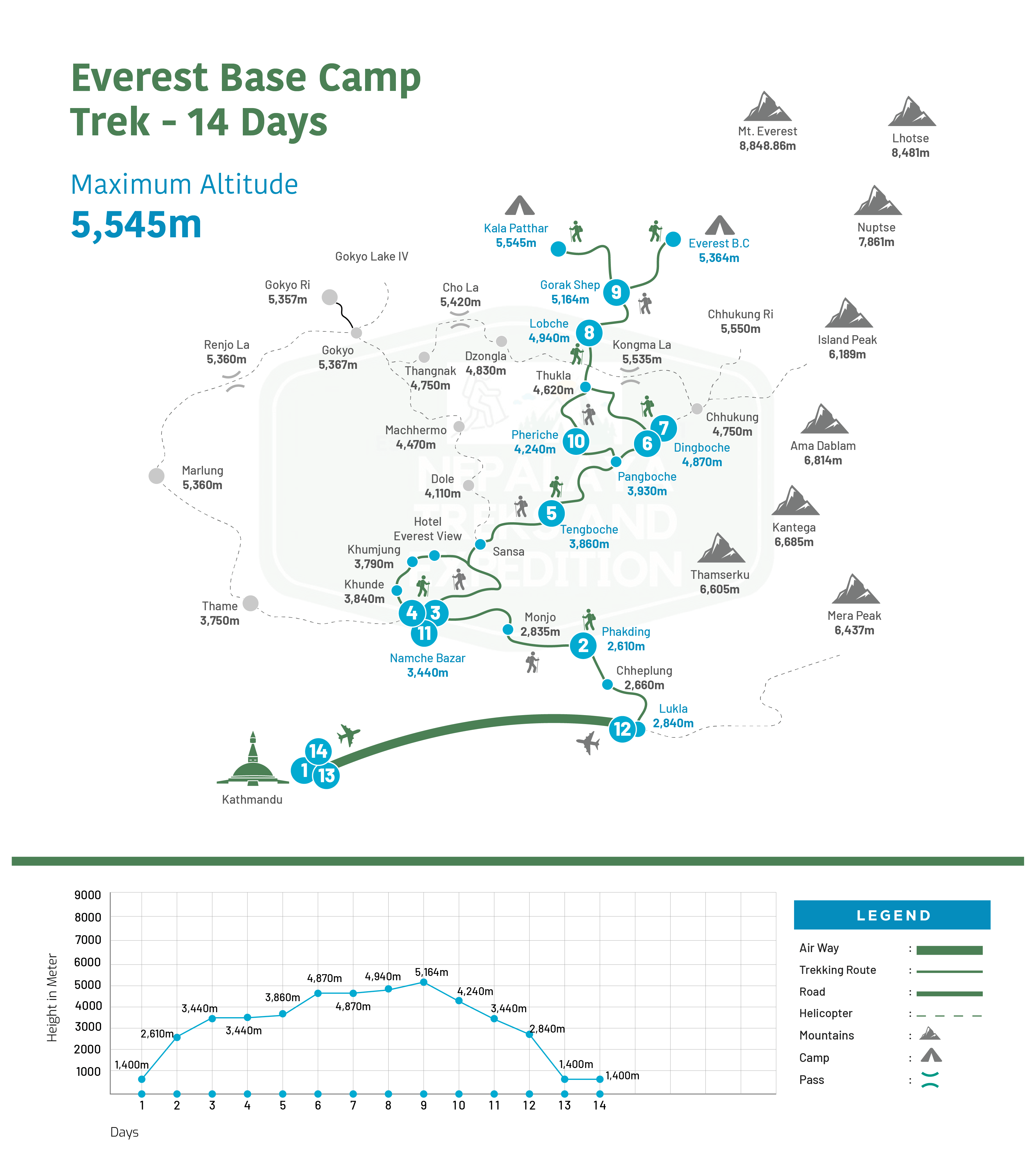
Day 1: Arrival in Kathmandu and Transfer to a Hotel
After arrival at Tribhuvan International Airport, you will be received by a representative who will escort you to your hotel. On the way to your hotel, you will get your first glimpse of the lively streets and urban atmosphere of Kathmandu. After checking in, you will have time to rest at your hotel. According to the timings of your arrival and your energy levels, you might explore the nearby areas or just relax in the hotel. Kathmandu offers a blend of historic culture and modern city life, providing an interesting introduction to Nepal before you head toward the mountains.
In the evening, you will meet your guide for the trip and get the briefing regarding the trekking. The guide will brief you regarding the itinerary, trekking conditions, safety precautions, and other necessary things.
- Travel Distance: Approximately 5 to 10 kilometers, depending on your hotel location
- Travel Hours: Approximately 30 minutes to 1 hour by private vehicle
- Accommodation: Hotel
- Meals Included: Breakfast
Day 2: Flight to Lukla and Trek to Phakding
Day 3: Trek to Namche Bazaar
Day 4: Acclimatization Day
Day 5: Trek to Tengboche
Day 6: Trek to Dingboche
Day 7: Acclimatization Day
Day 8: Trek to Lobuche
Day 9: Trek to Gorakshep and Visit Everest Base Camp
Day 10: Trek to Kala Patthar and Trek to Pheriche
Day 11: Trek to Namche Bazaar
Day 12: Trek to Lukla
Day 13: Fly to Kathmandu
Day 14: Final Departure
Route Map
Inclusion / Exclusion
Inclusion
- Airport pickup and drop-off by private vehicle in Kathmandu.
- Accommodation in a standard hotel in Kathmandu.
- Twin-sharing teahouse accommodation throughout the trekking route.
- Domestic flight tickets for Kathmandu–Lukla–Kathmandu.
- Breakfast in Kathmandu and meals during the trekking period, including breakfast, lunch, and dinner.
- Experienced, licensed, and English-speaking trekking guide.
- Porter service for carrying trekking luggage.
- Sagarmatha National Park entry permit , TIMS Card
- Khumbu Pasang Lhamu Rural Municipality entrance permit.
- Trekking guide and porter wages, meals, accommodation, insurance, and necessary expenses.
- First-aid kit and basic safety equipment.
- Pulse oximeter for monitoring oxygen saturation when required.
- Government taxes and applicable service charges.
Exclusion
- International airfare to and from Nepal.
- Nepal entry visa fees.
- Travel insurance, including helicopter evacuation and medical expenses.
- Personal trekking equipment and clothing not provided by the company.
- Meals and drinks in Kathmandu other than those specified in the package.
- Personal expenses such as alcoholic drinks, bottled beverages, snacks, and desserts.
- Hot showers, Wi-Fi, battery charging, laundry, and other personal services in teahouses.
- Personal medications and medical expenses.
- Emergency evacuation or rescue costs not covered by your travel insurance.
- Tips for trekking guides, porters, and other trekking staff.
- Additional accommodation, meals, transportation, or other expenses resulting from flight cancellations, delays, bad weather, natural disasters, strikes, or other unforeseen circumstances.
- Any expenses arising from itinerary changes caused by personal choice, illness, injury, or other circumstances beyond the company's control.
- Any other expenses not specifically mentioned under the Cost Inclusions section.
Check List
General
- All-season sleeping bag
- Down jacket
- Duffle bag
- Windproof & waterproof lightweight jacket
- A day pack of around 25-35 liters
- Rain cover for your backpack
- Headwear & Accessories
- Woolen hat that can cover your ears
- Sun hat or cap
- Neck gaiter or buff
- UV-protection sunglasses
- Head lamp along with additional batteries
- Sunscreen lotion with SPF 35-60
- Lip balm with SPF
Hands
- Light-weight trekking gloves
- Woolen or insulated gloves
- Waterproof gloves, especially in case of cold and/or wet weather
- Upper body clothing
- Moisture-wicking long-sleeve trekking t-shirts
Thermal base layers
- Fleece or woollen jacket
- Insulated jackets (down/synthetic)
- Waterproof and windproof outer shell jacket
- Sports bra for women trekkers
Lower body clothing
- Thermal leggings or base layer pants
- Waterproof and windproof trekking pants
- Fleece pants for high elevation trekking
- Trekking pants
- Light-weight casual pants for evenings
- Comfortable underwear
Foot wear
- Waterproof trekking boots with sturdy ankle support
- Camp sandals or shoes
- Lightweight sneakers for Kathmandu, if you wish
- 4-5 pairs of trekking socks
- Sock liners, if preferred
First aid and medication
- Prescription medicines
- Adhesive bandages
- Blister kit
- Pain killers like ibuprofen/paracetamol
- Diamox only if suggested/required by your doctor
- Anti-bacterial cream
- Anti-itch or insect bite cream
- Water purification tablets/drops
Toiletries & personal hygiene items
- Toothbrush & toothpaste
- Biodegradable soap and shampoo
- Hand sanitizer
- Wet tissues
- Toilet papers
- Dry towels
- Nail clipper
- Plastic bags to carry wet clothes
Important documents
- Original passport
- Photographs in the size of your passport
- Nepal entry visa if required
- Insurance document
- Air tickets/traveling schedule in print & electronic format
- Emergency contacts
- Copy of important travel documents
Electronics
- Power bank
- Cell phone
- Camera and its memory card
- Additional camera batteries
- Charging cable
- Universal travel adapter
- Smart watch/GPS tracker, if you wish
Optional items
- Trekking poles
- Hydration bottle or water bladder
- Portable water filter or purifier
- Energy bar or dry fruits or nuts
- Notebook & pen
- Playing cards or a book
- Earphones or headphones
- Binoculars
Trip FAQs
-
1. Is Everest Base Camp Trek Suitable for Beginners?
Yes, a 14-day Everest Base Camp Trek is suitable for physically fit beginners who are ready to undertake consecutive days of trekking at high altitude. Although the trek climbs Kala Patthar, which is located at an altitude of 5,545 m, it does not involve technical climbing or mountaineering skills. Proper physical preparation, appropriate pacing, acclimatization, and following your guide's advice can help you complete the trek safely. -
2. How do I prepare for the Everest Base Camp Trek?
You can prepare for the trek by regularly walking, hiking, jogging, cycling, climbing stairs, and doing other cardiovascular exercises several weeks before departure. It is essential that you improve your stamina and develop your leg muscles since there are some steep climbs on this trek. You should also prepare your trekking shoes along with appropriate clothing for changing Himalayan weather conditions. -
3. What permits do I require for the Everest Base Camp Trek?
You need a Sagarmatha National Park Entry Permit, TIMS Card, and a Khumbu Pasang Lhamu Rural Municipality Entry Permit. If you book your trek with Nepalaya Treks Adventure, the necessary trekking permits will be arranged by the company before or during the beginning of your trek. -
4. How difficult is the Everest Base Camp Trek?
The Everest Base Camp Trek is moderate to challenging because of long trekking days, steep climbs and descents, rugged trails, and high altitude. You will typically trek for 5 to 8 hours per day, depending on the route and conditions. Some of the toughest moments in the trek are the treks to Lobuche, Gorakshep, Everest Base Camp, and Kala Patthar. -
5. What is the highest altitude achieved during the trek?
Kala Patthar is the highest point reached on this itinerary. It is 5,545 meters above sea level. There, one will get to experience beautiful views of Mount Everest, Lhotse, Nuptse, Pumori, Ama Dablam, and other Himalayan peaks. -
6. How many days does the Everest Base Camp Trek last?
This itinerary lasts for 14 days, including your arrival and departure in Kathmandu, the flight to and from Kathmandu and Lukla, the trekking days, and acclimatization days in Namche Bazaar and Dingboche. -
7. What kind of accommodation will be arranged during the trek?
You will stay in a standard hotel in Kathmandu and teahouses during the trekking period. Teahouse accommodation generally consists of twin-sharing rooms with shared bathroom facilities, although arrangements can vary by location and availability. -
8. What kind of food is usually offered while hiking?
Teahouses typically offer a variety of meals, including dal bhat, noodles, fried rice, pasta, soup, potatoes, momos, curry, and vegetables according to seasons. In addition, one can take eggs, porridge, pancakes, Tibetan bread, toast, and muesli for breakfast. Tea, coffee, hot lemon, ginger tea, and other hot beverages are also available. -
9. Is it possible to obtain drinking water while trekking?
Yes. Teahouses and other facilities along the route generally provide water that trekkers can purchase and refill. You can refill your reusable water bottle and purify the water using tablets, drops, or a portable water filter. It is highly advisable to use reusable bottles to reduce plastic pollution in the Everest region. -
10. Can I get altitude sickness on the Everest Base Camp Trek?
Yes. Due to the fact that the trek reaches 5,545 m at Kala Patthar, altitude sickness is a risk factor. The itinerary includes acclimatization days in Namche Bazaar and Dingboche to help your body gradually adjust to the increasing altitude. Your guides will monitor your condition and may recommend rest, descent, or other appropriate action if necessary. -
11. What are the symptoms of altitude sickness?
Symptoms may include headache, dizziness, nausea, loss of appetite, unusual fatigue, and shortness of breath. If you feel any of the symptoms at high altitude, notify your guide immediately. Do not ignore any developing symptoms and ascend further without any professional assistance. -
12. What is the best time for the Everest Base Camp Trek?
Spring (March-May) and autumn (September-November) are the best seasons. Weather conditions, visibility, and trekking possibilities are better at these periods. In winter, it is cold, but you can have quieter tracks, and monsoon season is rainy and unpredictable. -
13. What are some essentials to carry for the Everest Base Camp Trek?
These essentials consist of layered clothes, thermal underwear, down jacket, waterproof and windproof clothes, trekking shoes, warm socks, gloves, a woolen hat, sunglasses, sun block, medication, hygiene products, water bottles, and trekking gear. You need to make a complete list of these essentials as well as other items such as documents and electronics, etc. -
14. Is it possible to hire trekking gear in Kathmandu?
Yes, there are numerous trekking shops in Kathmandu that offer renting facilities for equipment. Trekking shops in Kathmandu offer rental services for items such as sleeping bags, down jackets, trekking poles, backpacks, and other trekking accessories. Nepalaya Treks Adventure can help in getting all the essential rental equipment before trekking. -
15. Do I need crampons and technical climbing gear?
No. Technical climbing gear is not normally required for the standard Everest Base Camp Trek under typical spring or autumn conditions. However, winter conditions or heavy snowfall can create icy sections where microspikes or other traction equipment may be useful. -
16. Do I get a guide and a porter for my trek?
Yes. You will be accompanied by a qualified trekking guide who will lead the trek, assist with logistics, and monitor your condition throughout the journey. Porters will carry the main trekking luggage, and you will trek carrying only your day pack. -
17. What is the weight capacity of a porter?
A porter typically carries the combined luggage of two trekkers, subject to the company's porter policy and applicable load limits. Confirm the permitted duffel-bag weight with your trekking company before departure. Your daypack containing personal essentials should be carried by you throughout the trek. -
18. Can I arrange a private Everest Base Camp Trek?
Yes. The 14-day Everest Base Camp Trek can be organized on a private departure basis for individuals, couples, families, groups of friends, companies, and other private groups. A private departure offers you more flexibility in terms of travel time, walking speed, rest stops, photo stops, and many other things. -
19. Can I organize my departure by myself?
Yes. You can request a private departure based on your preferred travel schedule, subject to flight availability, weather conditions, and operational arrangements. We can discuss your schedule before you book it. -
20. Is it possible to have Wi-Fi during the Everest Base Camp Trek?
Yes. There are Wi-Fi services in many teahouses along the trail of the Everest Base Camp Trek, which you can use upon payment of extra money. However, the service depends on the location, altitude, weather, and other factors. Wi-Fi availability and reliability generally become more limited at higher and more remote sections of the trail. -
21. Is it possible to recharge my electronic devices during the Everest Base Camp Trek?
Yes. Charging services are available at many teahouses for an additional fee, although availability can vary by location and electricity supply. -
22. Why do trekkers going to Everest Base Camp fly to Lukla?
Lukla is a major gateway to the Everest region and is the traditional starting point for the standard Everest Base Camp trekking route. The flight from Kathmandu to Lukla cuts down the total time needed for you to arrive at the trekking trail. -
23. Are Lukla flights prone to delay or cancellation?
Yes. Flights to and from Lukla are highly dependent on weather and operating conditions. Strong winds, poor visibility, rain, cloud cover, and other unfavorable conditions can cause flight delays or cancellations. So it is wise to be flexible in scheduling your trip to Everest Base Camp Trek. -
24. How much luggage can I carry on my Lukla flight?
Baggage allowances vary depending on the airline and operating conditions. In the case of the Lukla flight, passengers have restricted luggage allowances. Your trekking company can advise you about the applicable allowance before departure. -
25. What do I do if my Lukla flight is canceled?
It is possible that, in case there is poor weather and other operating factors that cause your plane to be canceled in Lukla, you will have to wait for the next possible flight. If alternative transportation is available, you may use it depending on the circumstances. The additional cost for other means of transportation will be incurred.
Overview
Bikramjyoti das
India
Nishant khare
United Kingdom

Paulo Roberto
Volker
Germany
Conny
Germany
All Inclusive Cost
USD 1495
Per Person
BOOK NOW QUICK ENQUIRY- Best Price Guarantee
- Hassle-Free Booking
- Team of highly experienced Experts
You may also like !!
Our Best Selling Packages You May Like.