Sherpa village trek
Overview
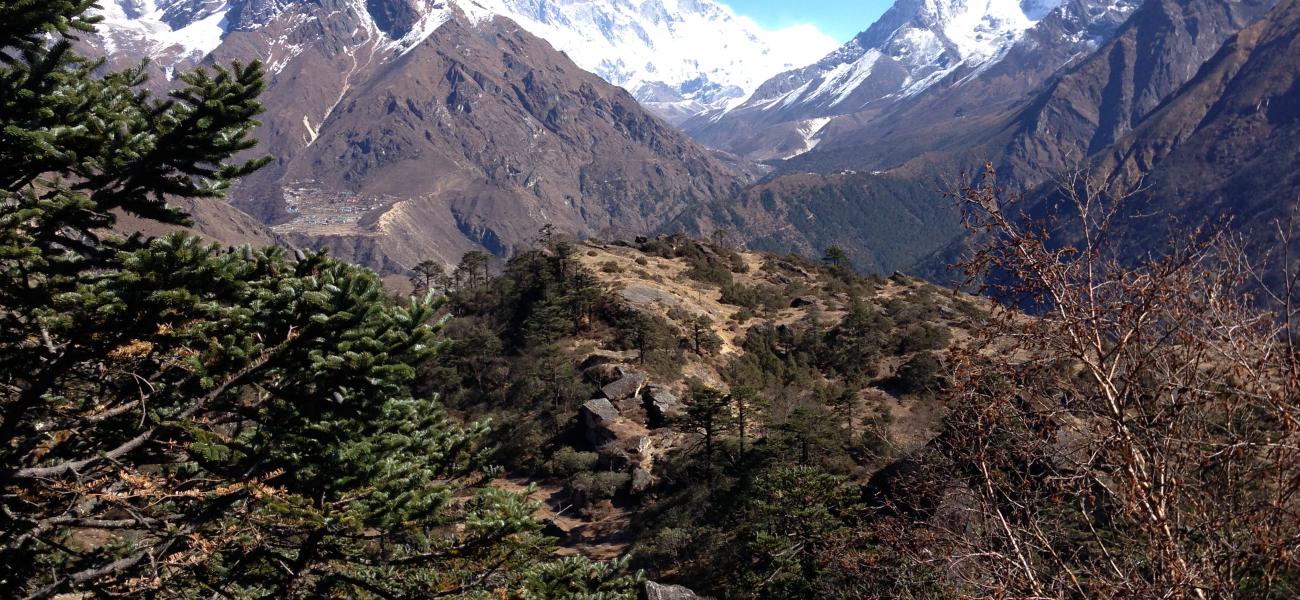
Buiddhist Sherpa villages and monasteries gradually climbing through the forest of rhododendrons and magnolias, pine forest. It is a gateway to the Himalayas 440 meters high, Namche is 3. Through the land of the Sherpa people, overlooking the world in 8, this is one of the most popular tours in the world, 000 meters from the peaks. Namche Bazaar is the administrative center of the Khumbu region. Explore Sherpa museum in Namche Bazar, Thamserku and many other mountains, Nuptse, visit traditional villages Sherpa, Amadablam, scenic flight to Lukla, Enjoy stunning mountain scenery as Everest, Lhotse, leading tour: Visit famous Sherpa monastery (Monastery Thame and Tengboche) Experience Sherpa culture in Khumjung village of Everest, Thamserku, Tawache and many other unnamed mountains and peaks Lhotse, Ama Dablam, Nuptse, the rest day in Namche Bazaar you can make a trip to the small air Syangboche steep and you can visit one of Everest view hotel, where you can get a close view of the great mountains of the world. The town has many hotels and shops where you can make more pleasant your stay and find everything necessary for hiking. The river of milk after about 35 minutes scenic flight to Lukla, the trail follows the Dudh Koshi course. Namche Bazaar is a village in the Khumbu region of Nepal.
Trip Highlights
- Scenic flight to Lukla
- Explore Sherpa Museum in Namche Bazar
- visit the famous monastery Sherpa (Thame and Tengboche Monastery)
- Enjoy stunning mountain scenery as Everest, Lhotse, Nuptse, Amadablam, Thamserku and many other mountains
- Visit the traditional villages Sherpa View Lamas dancing with brocade dresses and wonderful painted face masks of paper
- Name of the village Sherpa Trek Namche Bazaar Trek
Itinerary
Day 1: Meet at Kathmandu Airport and transfer to hotel
As soon as you reach to Kathmandu, a guide will pick you up and take you to a hotel. We’ll discuss the Trek later in the afternoon.
Day 2: Full day sightseeing of Kathmandu valley.
Day 3: Fly KTM - Lukla. Trek to Phakding (2652 m).
Day 4: Phakding to Namche (3,440 m)
Day 5: Acclimatization day in Namche
Day 6: Namche to Tengboche (3867 m)
Day 7: Tengboche to Khumjung village (3789 m)
Day 8: Khumjung to Phakding (2652 m)
Day 9: Phakding to Lukla
Day 10: Flight from Lukla to KTM
Trip FAQs
-
WHAT IS A TEA HOUSE TREK (TH)?
TH trek means a Tea House Trek. Some of the most popular trekking routes are served by lodges making it possible for you to stay at a local Tea house (a mountain thatched hut that's made of mud, brick and wood) during your trek. Tea house treks are less expensive then Camping treks and are largely suitable for small groups. Usually during busy seasons if private rooms in smaller villages are fully occupied you might have to sleep in a dormitory. Price includes accommodation in lodges, guide, porters and all meals. it would be wise not to expect it to be like the hotel u stay at in Kathmandu; but its reasonably cozy, warm & homely...u can call it luxury on a rugged trail & it can literally be a blessing in disguise because weather patterns can really be unpredictable sometimes.....especially at higher altitudes. -
DO YOUR GUIDE/PORTERS SPEAK ENGLISH?
Our cultural tour guides are pretty proficient. The trekking guide (Sirdar) and his assistants speak a reasonable amount of English and are good enough to explain to you about the places, local culture or any sight that catches your eyes or is of interest to you. -
DO YOU ARRANGE DOMESTIC & INTERNATIONAL FLTS?
On the domestic front, we work with all domestic airlines operating in Nepal’ Nepalaya Treks And Expedition employs IATA trained personnel who will assist and guide you in booking all your domestic or international flights. We are one of the largest air ticketing stockists in the country for all flight tickets.
-
WHAT HAPPENS IN CASE OF AN EMERGENCY?
In the event of a serious sickness or a casualty, which we surely believe will not happen; you will be rescued by a helicopter. Since you are entirely liable for all the expenses incurred in the event of your having to be evacuated; please make sure that it is covered by your insurance before assigning for it or u must be prepared to pay on your own after getting back to Kathmandu. Ask your guide to arrange a runner to the nearest communication point and inform our office about the requirements of a helicopter. While asking for the helicopter, please send a name of the sick person and always give the exact location from where the helicopter can airlift u {our guides will help u on this} do not leave your stationed point even if you are getting better once u have called in the helicopter.

All Inclusive Cost
USD 1498
Per Person
BOOK NOW QUICK ENQUIRY- Best Price Guarantee
- Hassle-Free Booking
- Team of highly experienced Experts
You may also like !!
Our Best Selling Packages You May Like.