ACT TREK – 13 Days
Overview
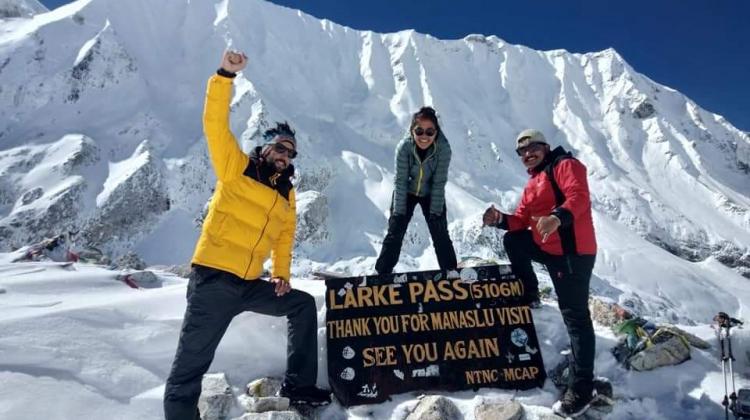
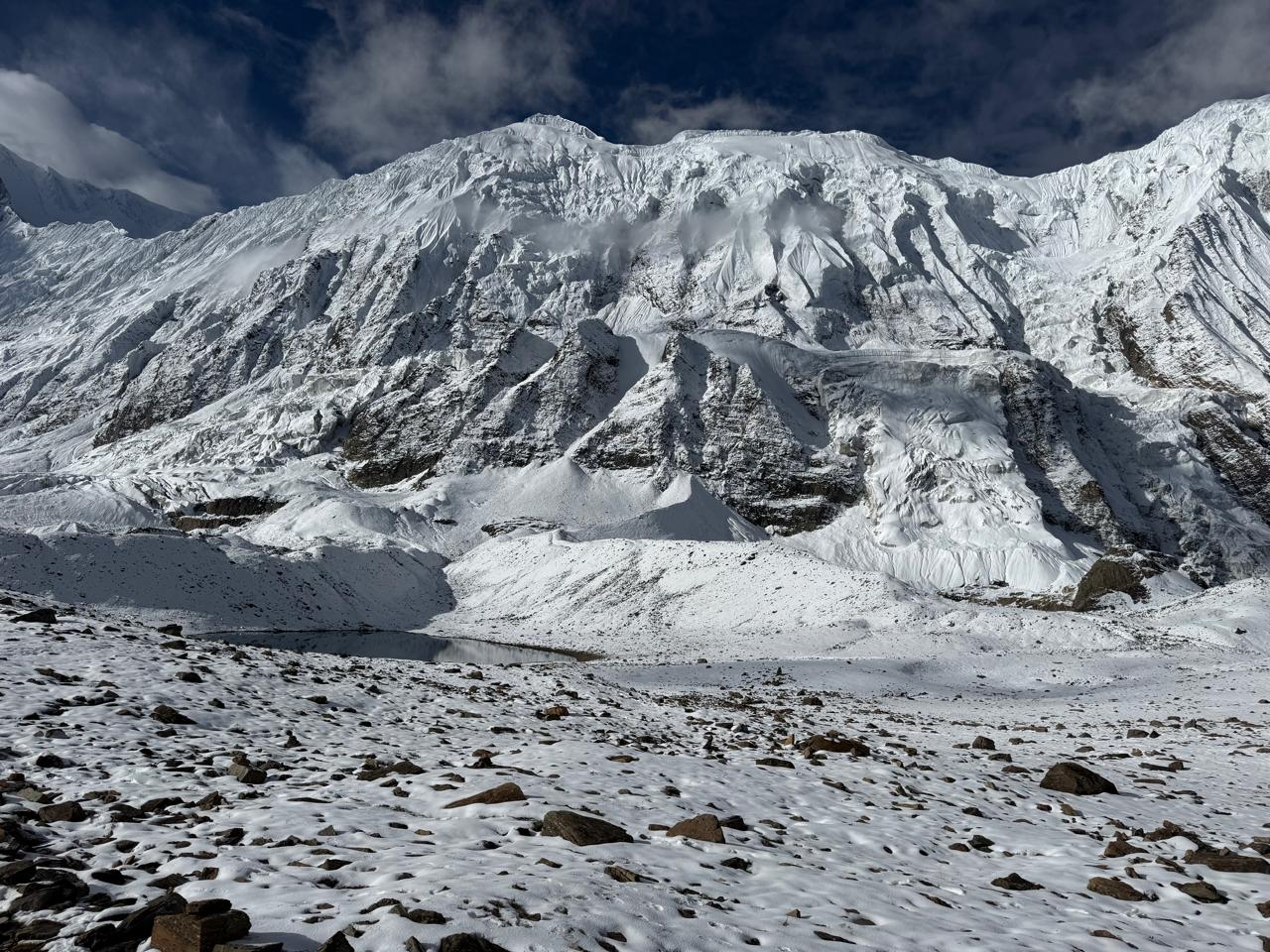
Annapurna Circuit Trek is an ideal choice for nature lovers and travelers who enjoy exploring the wilderness. The trek passes through the Annapurna Conservation Area and includes the famous Thorong La Pass (5,416m/17,769ft) and Kali Gandaki Gorge (5,571m), one of the deepest valleys in the world. Trail takes you through rhododendron, oak, bamboo, and cypress forests, with close views of Annapurna I, II, III, IV, Dhaulagiri, Machapuchare, Annapurna South, and Manaslu. This trek also takes you to Tilicho Lake (4,919m), one of the highest lakes in the world, and through traditional villages where you can experience local cultures and lifestyles. You also visit Muktinath, a holy site for Buddhists and Hindus. The region is also home to over 100 orchid varieties and wildlife such as Martin deer, Langur monkeys, and Snow Leopards. Your journey begins in Kathmandu, followed by trekking from Syange through Tal, Danakyu, Chame, Pisang, Manang, Yak Kharka, Thorong Phedi, Thorong La, Muktinath, and Tatopani to Pokhara (850m). A rest day in Manang helps with acclimatization before crossing Thorong La.
What to Expect on ACT TREK
The ACT Trek offers a mix of mountain scenery, traditional villages, forests, valleys, and high-altitude trails. As you move higher, the landscape and weather gradually change, making each day different. You should be prepared for several hours of walking and simple mountain facilities. The trek also gives you time to enjoy local culture and beautiful Himalayan views.
- Walk through green forests, river valleys, rocky trails, and dry mountain landscapes.
- Expect around 4–8 hours of walking on most trekking days, depending on the route.
- Reach Thorong La Pass at 5,416 meters, the highest point of the trek.
- Stay in simple and comfortable local teahouses along the trekking route.
- Enjoy local meals such as dal bhat, noodles, soup, rice, vegetables, and pasta.
- Pass through traditional villages and experience the local lifestyle and culture.
- Experience changing weather and colder temperatures as you gain altitude.
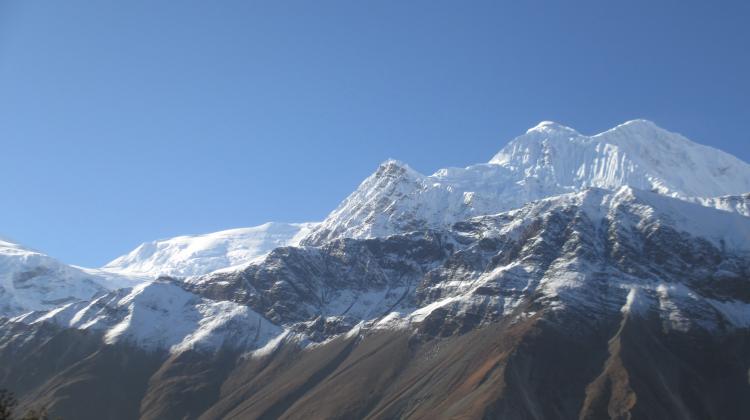
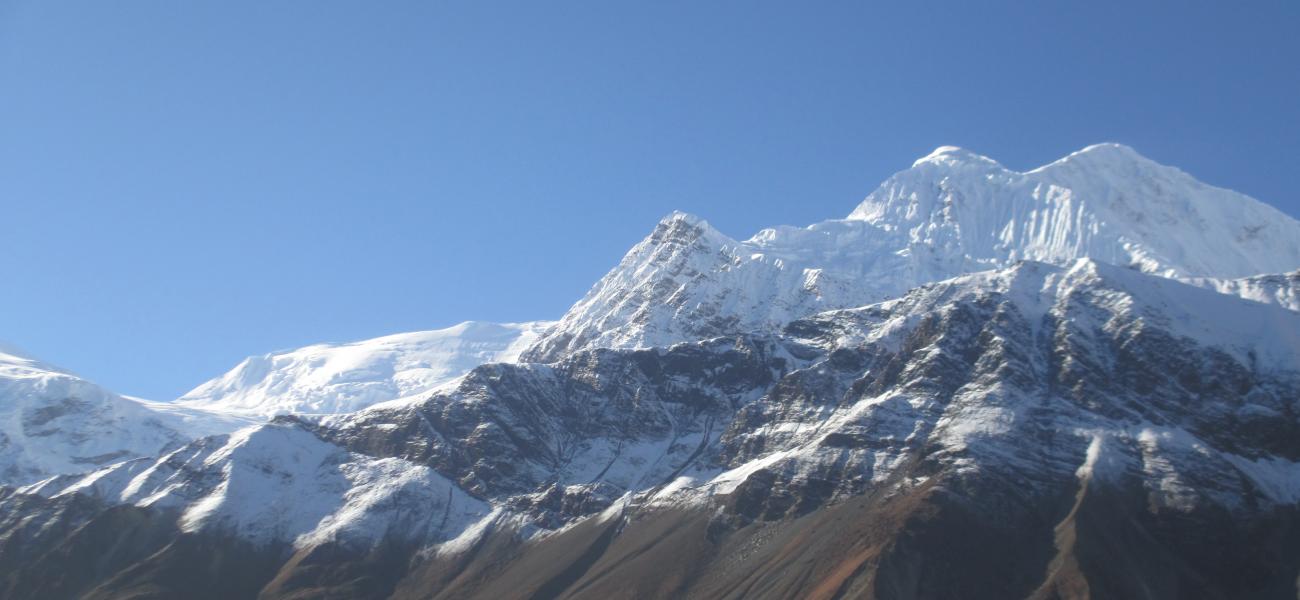
- Enjoy views of Annapurna, Dhaulagiri, Manaslu, Machapuchare, and other Himalayan peaks.
- Spend a rest day in Manang to help your body adjust to the higher altitude.
- Cross different types of terrain, with the section toward Thorong La Pass being the most challenging part of the trek.
Extra Highlights of the ACT TREK
ACT Trek offers more than just mountain views and the famous Thorong La Pass. Along the route, you can enjoy small experiences that make the journey more interesting and memorable. From peaceful mountain settlements to local traditions and natural surroundings, every part of the trail has something different to offer.
- Stay in small villages and see traditional stone houses, narrow paths, and everyday mountain life.
- Explore the old monastery near Manang and learn more about the Buddhist traditions followed in the region.
- Take a short walk to this beautiful glacial lake and enjoy the peaceful surroundings.
- See how people live and work in the high mountain areas, including farming, animal herding, and traditional trade.
- Travel through the famous valley and enjoy its unique landscape, traditional settlements, and strong mountain winds.
- Relax in the natural hot springs around Tatopani after completing the higher sections of the trek.
- The region is home to different plants and animals, including orchids, Langur monkeys, and other Himalayan wildlife.
- After completing the trek, enjoy some relaxing time in Pokhara and explore its lakeside surroundings.
Best Time for ACT TREK
Best time for the ACT Trek is during spring and autumn, when the weather is generally stable and the mountain views are clear. These seasons offer comfortable conditions for long walking days and better trail conditions. Winter and monsoon are less preferred because of cold, snow, rain, and possible trail difficulties.
1. Spring (March–May)
Spring is one of the best times for the ACT Trek. The weather is pleasant, the skies are often clear, and the lower trails become colorful with blooming rhododendrons and other flowers. The moderate temperatures also make the long walking days more comfortable.
2. Autumn (September–November)
Autumn is another excellent season for the trek, with clear skies, stable weather, and excellent mountain views. The trails are generally dry after the monsoon, making walking easier. October and November are especially popular for enjoying the Himalayan scenery and comfortable trekking conditions.
3. Winter (December–February)
Winter brings cold temperatures and snowfall, especially around the higher sections and Thorong La Pass. Some trails can become difficult because of heavy snow and freezing conditions. Experienced trekkers can still attempt the trek with proper equipment, preparation, and suitable weather conditions.
4. Monsoon (June–August)
The monsoon season brings frequent rain, cloudy weather, and slippery trails in the lower sections. Landslides and road conditions can also affect transportation. However, the Annapurna Circuit remains possible in some areas because the northern side lies in the rain-shadow region, but conditions can still be unpredictable.
Accommodation and Meals during ACT TREK
Accommodation and meals are arranged to keep you comfortable and energized throughout the ACT Trek. You will stay in simple mountain teahouses during the trekking days and in standard tourist hotels in Kathmandu and Pokhara. Meals are mainly local and filling, with several options available along the trail.
- During the trek, you will stay in local mountain teahouses with basic twin-sharing rooms and simple facilities.
- In Kathmandu, you will stay for 2 nights in a standard tourist hotel, while Pokhara includes 1 night in a standard tourist hotel.
- Breakfast usually includes options such as eggs, bread, pancakes, porridge, Tibetan bread, tea, or coffee.
- You can enjoy filling meals such as dal bhat, noodles, rice, pasta, soup, vegetables, potatoes, and other items available on the teahouse menu.
- Safe drinking water can be arranged along the trail. You can carry a reusable bottle and use purification tablets, filters, or other suitable methods.
- Breakfast, lunch, and dinner are included during the trekking period, with one item selected from the available menu.
ACT TREK: What Makes It Popular?
This ACT Trek is one of Nepal’s most popular trekking routes because it offers a wide range of landscapes, mountain views, and cultural experiences in one journey. The trail takes you from lower green valleys to high mountain terrain and the famous Thorong La Pass. It is also a great way to experience traditional villages and different local communities.
- Crossing the 5,416-meter pass is one of the biggest attractions and memorable experiences of the trek.
- The route moves through green forests, river valleys, rocky trails, and the dry landscapes of the Mustang region.
- Trekkers can enjoy impressive views of Annapurna, Dhaulagiri, Manaslu, Machapuchare, and other surrounding peaks.
- The trail passes through traditional villages where you can experience local customs, lifestyles, architecture, and Buddhist traditions.
- The sacred site of Muktinath adds a spiritual and cultural experience to the trekking journey.
- The mountain settlement of Manang provides a chance to explore local life and enjoy the unique high-altitude environment.
- The trek combines forests, villages, rivers, mountain passes, and high-altitude landscapes, making each part of the journey different.
Culture Experience on the ACT TREK
The ACT Trek is not only about mountains and nature but also about experiencing the traditional culture of the communities living along the trail. As you move through different villages, you will see changes in local lifestyles, traditions, architecture, and religious practices. The journey offers a chance to interact with friendly local people and understand their way of life.
- Meet local communities and experience their simple lifestyle in the mountain villages.
- See traditional stone houses, prayer flags, chortens, mani walls, and Buddhist monasteries along the trail.
- Experience the culture of Gurung, Manang, and Thakali communities and learn about their local traditions.
- Visit Braga Monastery and observe the Buddhist practices and peaceful atmosphere of the area.
- Explore Muktinath, an important pilgrimage site respected by both Hindus and Buddhists.
- Visit traditional settlements such as Manang and Kagbeni, where Tibetan-influenced culture can be seen in daily life and architecture.
- Enjoy local food and learn about the traditional way of living in the remote Himalayan communities.
- Interact with local guides, teahouse owners, and villagers to get a closer look at mountain life.
Altitude and Acclimatization for the ACT TREK
Altitude is an important part of the ACT Trek as the route gradually climbs from the lower mountain areas to over 5,000 meters. The higher you go, the air becomes thinner, so your body needs time to adjust. This itinerary includes a rest day in Manang to support proper acclimatization before heading toward the higher sections.
- The trek begins at a lower elevation and gradually reaches Thorong La Pass at 5,416 meters, the highest point of the journey.
- You will gain altitude slowly through places such as Chame, Pisang, Manang, Yak Kharka, and Thorung Phedi.
- A full acclimatization day in Manang at around 3,540 meters is included to help your body adjust to the increasing altitude.
- During the rest day, you can take a short hike around Manang while returning to the teahouse for proper rest.
- Walk at a comfortable and steady pace instead of rushing, especially as you reach higher elevations.
- Drink plenty of water and eat regular meals to keep your body hydrated and energized.
- Common signs of altitude sickness can include headache, dizziness, nausea, tiredness, or difficulty sleeping.
- Inform your guide immediately if you feel unwell or notice symptoms of altitude sickness during the trek.
- Proper rest, gradual altitude gain, and following your guide's advice are important for a safer and more comfortable trek.
Difficulty Level of ACT TREK
Difficulty level of ACT Trek is rated moderate to challenging due to its long walking days, changing terrain, and high altitude. Most days require around 4–8 hours of walking, with the crossing of Thorong La Pass being the most demanding part. However, with good preparation, proper acclimatization, and a steady pace, the trek can be completed by reasonably fit trekkers.
- The trail includes uphill climbs, downhill sections, stone steps, rocky paths, and uneven terrain.
- Most trekking days involve around 4–8 hours of walking, depending on the route and conditions.
- The altitude becomes more challenging as you move toward Yak Kharka, Thorung Phedi, and Thorong La Pass.
- Thorong La Pass at 5,416 meters is the highest and most challenging point of the trek.
- The acclimatization day in Manang helps your body adjust to the increasing altitude.
- Good physical fitness and regular walking or hiking practice before the trek are recommended.
- A slow and steady walking pace with enough rest breaks can help reduce tiredness.
- Proper hydration, nutritious meals, and suitable trekking gear are important throughout the journey.
- Previous high-altitude trekking experience is helpful but not essential if you are well prepared and follow your guide's advice.
Permits Required for ACT TREK
The ACT Trek takes you through the Annapurna Conservation Area, so trekkers need the required permits before starting the journey. The main requirements are the Annapurna Conservation Area Permit (ACAP) and the Trekkers’ Information Management System (TIMS) Card. The current Nepal Tourism Board guidance also lists the Annapurna Circuit among routes where trekkers must be accompanied by a licensed trekking guide and obtain a TIMS card through a registered trekking agency.
1. Annapurna Conservation Area Permit (ACAP)
ACAP is required to enter and trek inside the Annapurna Conservation Area. For foreign trekkers, the permit costs NPR 2,000 per person, which is around USD 14–15 depending on the exchange rate. SAARC nationals pay NPR 200 per person. The permit can be obtained from authorized Nepal Tourism Board offices in Kathmandu or Pokhara. If you book through a registered trekking agency, the agency can arrange the permit for you.
2. TIMS Card
TIMS stands for Trekkers’ Information Management System and is required for the Annapurna Circuit Trek. It keeps important information about trekkers and supports safety and emergency management during the journey. For trekkers from non-SAARC countries, the current fee is NPR 2,000 (around USD 14–15) per person, while SAARC nationals pay NPR 1,000. TIMS can be arranged through a government-registered trekking agency, and organized trekkers generally have the agency complete the process on your behalf.
Insurance for the ACT TREK
Travel insurance is strongly recommended for the ACT Trek because the route reaches 5,416 meters at Thorong La Pass and includes remote mountain areas. The right insurance can help cover unexpected medical treatment, accidents, and emergency evacuation during the trek. Nepal Tourism Board also advises trekkers to have comprehensive travel insurance that covers medical treatment and helicopter rescue.
- Make sure your policy covers trekking at least up to 5,416 meters, the highest point of the ACT Trek.
- Check that helicopter rescue is included in your policy, as evacuation from remote mountain areas can be expensive.
- Your insurance should cover emergency medical treatment, hospitalization, and treatment related to trekking accidents or illness.
- Choose a policy that clearly covers medical treatment and evacuation related to Acute Mountain Sickness (AMS) and other altitude-related emergencies.
- Coverage for trip cancellation or interruption can also be useful if an unexpected illness, injury, or other emergency affects your journey.
- Keep a copy of your insurance policy, emergency contact details, and claim information with you during the trek and leave a copy with your trekking agency.
- Do not assume that every travel insurance plan covers high-altitude trekking.
- Check the maximum altitude, trekking activity, evacuation conditions, and exclusions before purchasing your policy.
Why Choose This Itinerary?
This 13-day ACT Trek itinerary is designed for travelers who want to experience the major highlights of the Annapurna Circuit within a limited time. The route combines mountain scenery, traditional villages, high-altitude landscapes, and cultural experiences, with an acclimatization day in Manang before the challenging Thorong La Pass crossing. The Annapurna region is known for its varied landscapes, from forested hills to high Himalayan and trans-Himalayan terrain.
- Cover the major sections of the Annapurna Circuit without making the itinerary unnecessarily long.
- A full rest day in Manang gives your body time to adjust before heading toward higher elevations.
- Reach 5,416 meters and experience one of the most memorable sections of the Annapurna Circuit.
- Experience forests, valleys, mountain villages, rocky trails, and the dry landscapes beyond the pass.
- Visit traditional settlements and experience the different cultures and lifestyles found along the route.
- Include a visit to this important pilgrimage site, which is respected by both Hindus and Buddhists.
- The itinerary combines trekking with road or flight options where suitable, making the overall journey more practical.
- This itinerary is a good choice for those who want a challenging Himalayan trek while still having organized accommodation, meals, transportation, permits, and trekking support.
Safety on the ACT TREK
Safety is an important part of the ACT Trek, especially because the route reaches 5,416 meters at Thorong La Pass and includes remote mountain areas. Good preparation, proper acclimatization, suitable equipment, and following your guide’s advice can help make the trek safer and more comfortable. Weather and trail conditions can also change quickly at higher elevations.
- Take the scheduled rest day in Manang and avoid gaining altitude too quickly.
- Headache, nausea, dizziness, tiredness, shortness of breath, or difficulty sleeping can be signs of AMS. Inform your guide immediately if you experience these symptoms.
- Drink enough safe water throughout the day and avoid becoming dehydrated, especially at higher elevations.
- Do not rush on uphill sections. Take regular breaks and follow the walking pace recommended by your guide.
- Mountain weather can change suddenly, so follow local weather updates and your guide’s advice before continuing to higher sections.
- Bring warm layers, waterproof clothing, good trekking boots, gloves, sunglasses, and sunscreen to protect yourself from changing mountain conditions.
- The Annapurna Circuit is among the routes where trekkers are required to have a licensed trekking guide and agency-issued TIMS card.
- Carry your travel insurance details and make sure your policy covers high-altitude medical treatment and helicopter evacuation.
- Stay on the designated route, respect local rules, and follow instructions from your guide and local authorities throughout the trek.
Responsible Tourism
Responsible tourism is important on the ACT Trek because the route passes through protected natural areas and traditional mountain communities. Small actions by trekkers can help protect the environment, respect local culture, and support the people who live along the trail. The Nepal Tourism Board also encourages visitors to reduce waste, use local services, and respect local traditions.
- Carry your waste with you and use proper waste bins instead of leaving rubbish along the trail.
- Avoid single-use plastics and carry a reusable water bottle whenever possible.
- Stay on the designated trekking routes to help protect the natural surroundings.
- Respect local customs, traditions, religious sites, and the privacy of local people.
- Support local communities by staying in local teahouses and buying local products and services.
- Use local guides and porters and treat them fairly and respectfully.
- Avoid wasting water, especially in higher mountain areas where resources can be limited.
- Do not damage plants, disturb wildlife, or take natural items from the trekking area.
- Avoid unnecessary use of firewood and support teahouses that use cleaner energy where available.
Group Size
The ACT Trek can be arranged for both small groups and larger groups, depending on your travel plans. A smaller group can offer a more personal experience and make it easier to maintain a comfortable walking pace. Our Nepalaya Treks guide and porter team will provide support throughout the trek and help manage the group safely.
- Ideal for solo travelers, couples, families, or a few friends who prefer a more personal experience.
- Groups of friends, colleagues, or organized travelers can also join the trek with proper guide and porter support.
- A professional trekking guide will lead the group, manage the route, and assist with altitude and safety concerns.
- Porters can help carry trekking luggage, allowing trekkers to walk with a lighter daypack.
- Smaller groups can usually maintain a walking pace that suits the fitness level of the participants.
- Travelers who want more privacy and flexibility can choose a private departure based on their preferred dates and group size.
Private Departure Available By Deluxe Bus, Private Car, and Flight
Private departures are available for trekkers who want to travel with their family, friends, couple, or small private group. You can choose a suitable departure date and select transportation based on your comfort, budget, and time. The itinerary can also be adjusted to match your group's pace and travel needs.
- Select a departure date that suits your travel plans.
- Travel by Deluxe Tourist Bus, Private Car, or Flight where applicable.
- Walk at a comfortable pace based on your group's fitness and preferences.
- Enjoy the trek with your own family, friends, partner, or group.
- Transportation, accommodation, and other services can be adjusted when required.
- Add rest days or make suitable itinerary changes based on your needs.
- Receive personal support from an experienced trekking guide throughout the journey.
- A private departure is ideal for travelers looking for a more comfortable and flexible ACT Trek experience.
Equipment Rental Information
If you do not own trekking equipment, there is no need to buy everything before your ACT Trek. Basic trekking gear can be rented in Kathmandu from trekking shops and equipment rental centers. Renting is a practical option for travelers who trek occasionally, especially for items that are mainly needed for cold and high-altitude sections.
- Sleeping bags, down jackets, trekking poles, backpacks, duffle bags, warm jackets, and other basic trekking equipment can generally be rented in Kathmandu.
- Renting helps reduce the cost of buying expensive equipment that you may not use regularly.
- Make sure the equipment fits properly and is in good condition, especially sleeping bags, jackets, boots, and trekking poles.
- Warm clothing and sleeping bags suitable for high-altitude conditions are especially useful for the sections around Yak Kharka, Thorung Phedi, and Thorong La Pass.
- Our trekking team can help you identify the essential equipment you may need and guide you on what is useful for the ACT Trek.
- Rented equipment should be returned to the rental shop or trekking company after completing the journey, according to the rental agreement.
Trip Highlights
- Relax in Pokhara after the trek and enjoy the peaceful Phewa Lake and Lakeside area.
- See the changing landscapes as you travel from the green Annapurna region to the dry Mustang area.
- Explore the historic village of Kagbeni and its traditional Tibetan-style architecture.
- Visit the sacred Muktinath Temple and explore its peaceful mountain surroundings.
- Experience the local culture and traditions of Gurung, Manang, and Thakali communities.
- Walk through forests, green valleys, rocky trails, and dry mountain landscapes.
- Visit Braga Monastery and enjoy a short hike around the scenic Gangapurna Lake.
- Explore Manang and experience its traditional mountain lifestyle and beautiful surroundings.
- Enjoy views of Annapurna, Dhaulagiri, Manaslu, and other Himalayan peaks throughout the trek.
- Cross the famous Thorong La Pass at 5,416 meters and enjoy stunning views of the surrounding mountains.
Itinerary
Day 1: Arrival in Kathmandu
Welcome to Nepal! Upon arrival at Tribhuvan International Airport, our representative will greet you and transfer you to your hotel in Thamel. After check-in and some rest, you will attend a pre-trek briefing covering the itinerary, equipment, altitude safety, and emergency procedures. Our team will also check your trekking gear and help arrange any missing items for rent or purchase. In the evening, you can enjoy a traditional Nepali dinner with local dishes such as Dal Bhat and momos, along with cultural dance performances. It is a great way to relax, meet your trekking team, and get ready for the adventure ahead.
- Max Elevation: 1,320 meters
- Travel Distance: 6 to 8 kilometers
- Travel Hours: 30 to 45 minutes
- Accommodation: 3-star Standard Hotel
- Meal Included: Welcome Dinner
Day 2: Drive from Kathmandu to Besisahar and On To Dharapani
Day 3: Trek from Dharapani to Chame
Day 4: Trek from Chame to Upper Pisang (3,300 meters)
Day 5: Trek from Upper Pisang to Manang via Ngawal (3,540 meters)
Day 6: Acclimatization Rest Day in Manang (3,540 meters), Explore Gangapurna Lake or Braga Monastery
Day 7: Trek from Manang to Yak Kharka (4,010 meters)
Day 8: Trek from Yak Kharka to Thorung Phedi or High Camp (4,450 meters)
Day 9: Trek from Thorung Phedi over Thorong La Pass (5,416 meters) Down to Muktinath (3,760 meters)
Day 10: Trek or Drive from Muktinath to Jomsom via Kagbeni (2,700 meters)
Day 11: Drive or fly from Jomsom to Pokhara, Lake Side
Day 12: Drive or Fly from Pokhara back to Kathmandu
Day 13: Final Departure
Inclusion / Exclusion
Inclusion
- Private car for airport pick-up and drop-off.
- 2 nights accommodation in Kathmandu in a standard tourist hotel with twin-sharing rooms and breakfast.
- 1 night accommodation in Pokhara in a standard tourist hotel with a twin-sharing room and breakfast.
- Breakfast, lunch, and dinner during the trek, with one meal item selected from the menu.
- Twin-sharing teahouse accommodation during the trek.
- Annapurna Conservation Area Permit (ACAP) and TIMS card.
- Government-licensed English-speaking trekking guide with good experience.
- Staff wages, food, accommodation, transportation, and insurance.
- Down jacket, duffle bag, sleeping bag, and trekking poles, if required, these items are provided by the company and must be returned after the trek.
- One porter for every two trekkers to carry luggage.
- Basic first-aid kit carried by the guide.
- Emergency helicopter evacuation covered through your travel insurance, if required.
- Government taxes, official charges, and required ground transportation.
- Oximeter for checking oxygen levels and monitoring signs of altitude sickness.
- Trip certificate after completing the trek.
Exclusion
- International airfare to and from Nepal.
- Nepal entry visa fee.
- Extra accommodation, meals, and drinks in Kathmandu due to an extended stay.
- Personal medical and travel insurance.
- Desserts, chocolates, cakes, pies, puddings, tea, coffee, and other personal food or drink expenses.
- Excess baggage charges. The maximum luggage allowance is 15 kg.
- Hot showers, mobile services, Wi-Fi, and charging fees for cameras, power banks, batteries, and other devices during the trek.
- Kathmandu sightseeing entrance fees, approximately USD 25–30 per person.
- Personal first-aid kit and medicines.
- Tips for the guide and porter.
Check List
Packing the right items can make your Annapurna Circuit Trek more comfortable and easier. Bring the essentials for changing weather, cold temperatures, long walking days, and high-altitude conditions. At the same time, avoid carrying unnecessary items, as a heavy bag can make the trek more tiring.
General
- Sleeping bag and down jacket
- Duffle bag
- Lightweight windproof and waterproof jacket
- Comfortable daypack for carrying daily essentials
Head, Ears, and Eyewear
- Warm hat that covers the ears
- Sunglasses with UV protection
- Neck warmer or buff
- Sunscreen with SPF 35–60
- Headlamp with extra batteries
Hands
- Lightweight gloves for walking
- Warm shell gloves with inner liners
Upper Body
- Long-sleeve T-shirts
- Thermal tops
- Fleece or wool jacket
- Sports bras for women
- Windproof and waterproof shell jacket
Lower Body
- Thermal trousers
- Waterproof and windproof trousers
- Warm trekking trousers
- Comfortable trekking pants
- Extra casual or sports pants
Footwear
- Good-quality waterproof trekking boots
- Comfortable sandals
- 4–5 pairs of warm woolen socks
- Sock liners
- Light shoes or sneakers
First Aid and Medicines
- Adhesive bandages
- Blister treatment
- Anti-itch or insect ointment
- Personal pain-relief medicine
- Altitude sickness medicine
- Basic wound dressings and bandages
- Water purification tablets
Miscellaneous
- Original passport and 4 passport-size photos
- Reusable water bottle and water filter or purification method
- Flight details and a copy of important travel documents
- Personal bathroom kit, including toilet paper, hand wipes, towel, soap, and small plastic bags
Extra Useful Items
- Comfortable trekking poles
- Energy bars, dry fruits, or other lightweight snacks
- Power bank and charging accessories
- Camera with memory card, charger, and extra batteries
Trip FAQs
-
1. How difficult is the ACT Trek?
The ACT Trek is considered moderate to challenging because of the long walking hours and high altitude. The biggest challenge is crossing Thorong La Pass at 5,416 meters. Good physical fitness, regular walking practice, proper acclimatization, and a steady pace can make the trek more comfortable. -
2. What is the highest point of the ACT Trek?
The highest point of the ACT Trek is Thorong La Pass, which stands at 5,416 meters above sea level. Reaching the pass is one of the main highlights of the journey. The trail gradually gains altitude, allowing trekkers to adjust before reaching this high mountain crossing. -
3. What is the best time for the ACT Trek?
Spring, from March to May, and autumn, from September to November, are the best seasons for the ACT Trek. These months usually offer stable weather, clearer mountain views, and comfortable trekking conditions. Autumn is especially popular, while spring brings warmer temperatures and blooming flowers along the lower sections. -
4. What permits are needed for the ACT Trek?
Trekkers need the required permits to enter and trek through the Annapurna region. The main permits generally include the Annapurna Conservation Area Permit (ACAP) and TIMS card. If you book the trek with a trekking agency, the team can arrange the necessary permits before your journey begins. -
5. How long do I need to walk each day?
Daily walking hours vary depending on the route and altitude. Most trekking days involve around 4 to 8 hours of walking. Some days are shorter, while the Thorong La Pass crossing takes longer. The walking pace is kept steady, with breaks along the trail when needed. -
6. What type of accommodation is available during the trek?
Accommodation during the ACT Trek is mainly provided in local mountain teahouses. The rooms are simple and usually have twin beds and basic facilities. Bathrooms may be shared in some places. In Kathmandu and Pokhara, you will stay in a standard 3-star hotel as mentioned in the itinerary. -
7. Is the ACT Trek suitable for beginners?
Yes, beginners can join the ACT Trek if they are physically prepared and comfortable with long walks. Previous trekking experience is helpful but not required. Regular exercise, walking or hiking before the trip, proper acclimatization, and following the guide's instructions can help first-time trekkers complete the journey safely. -
8. Do I need travel insurance for the ACT Trek?
Travel insurance is strongly recommended for the ACT Trek. Since the trail reaches above 5,000 meters, your insurance should cover high-altitude trekking, medical treatment, and emergency evacuation. Before the trip, check your policy carefully to make sure it includes the altitude and activities covered by your trekking plan. -
9. Can I join a private ACT Trek?
Yes, private ACT Trek departures are available for individuals, couples, families, and groups of friends. A private trek gives you more flexibility with your walking pace and travel arrangements. You can also discuss your preferred dates, group size, transportation, and other requirements with the trekking team before booking.
All Inclusive Cost
USD 1593
Per Person
BOOK NOW QUICK ENQUIRY- Best Price Guarantee
- Hassle-Free Booking
- Team of highly experienced Experts
You may also like !!
Our Best Selling Packages You May Like.