Nar Phu Valley trek
Overview
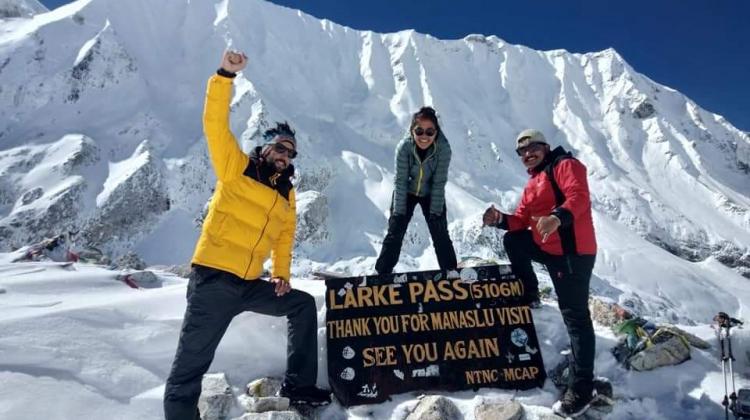
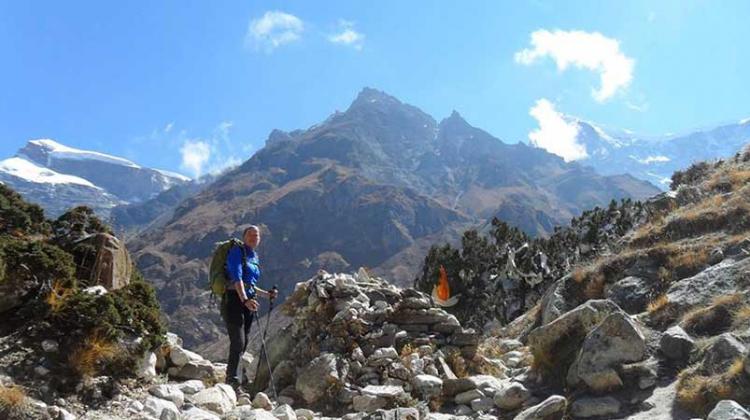
Nar Phu Valley Trek 10-Days is an adventurous trek that will take you to the some of the most remote and culturally enriched areas of Annapurna region. This trek is best suited for the individuals who want to enjoy the peaceful and quiet trek routes that feature traditional mountain villages and breathtaking Himalayan landscapes. The trek starts with the scenic drive from Kathmandu to Koto followed by entering into the restricted area of Nar Phu Valley. Here, you will get the chance of exploring the villages of Nar and Phu which have been known for their rich Tibetan culture and traditions since centuries. The main highlight of the entire trek lies in the pass crossing of Kang La Pass (5,320 metres) which provides the magnificent views of Annapurna II, Gangapurna, Tilicho Peak, Himlung Himal and Chulu ranges. You will be passing through the pine forest, canyon, alpine meadows and mountain ranges via traditional teahouse throughout the trek. This 10-day route also includes an acclimatization day in Phu Village, which will make the trip more enjoyable and safe before reaching the summit of the trek.
Important Information:
For the Nar Phu Valley trek there is a mandatory permits of Nar Phu Restricted Area Permit (RAP) and Annapurna Conservation Area Permit (ACAP). These permits are required by the trekkers and should be carried along the trail as they are checked at different trail stops. For most trekking agencies they incorporate the permit process in their packages, so you can focus on your trek without needing to deal with it.
What to Expect on Nar Phu Valley Trek
The Nar Phu Valley Trek combines adventure, beautiful mountain scenery, and rich cultural experiences. Every day offers a different landscape, from the forest and river valleys to high mountain passes and to the traditional villages. As this is a remote trekking region, facilities are simple but comfortable; offering an authentic Himalayan experience. This hike offers challenging days of walking and high passes; so careful planning is recommended. It is a safe and rewarding trip when guided by experienced people and done at a leisurely pace, and with proper acclimatization.- Daily Trekking: This typically involves an 8 or 9-hour hike each day, depending on the route, elevation and trail conditions. Occasionally it will be difficult, particularly when crossing higher passes.
- Accommodation: Sleep in simple local teahouses, with a basic facilities and warm hospitality. Rooms are clean and comfortable and offer a sound nights sleep every night.
- Meals: Freshly prepared breakfasts, lunches and dinners every day. The food served is nutritious and has the necessary energy to trek through the day.
- Basic Facilities: Teahouses provide basic facilities, with facilities shared in many. Often will provide Wi-Fi, charging and hot showers for a fee.
- Acclimatization Day: To prepare your body to the altitude, the tour includes a special acclimatization day. This will help to minimize the possibility of altitude sickness.
- Climate: Mountain weather can shift rapidly and there are cool mornings and evenings and warmer days during the day at lower elevations. Recommended to pack clothes accordingly for various weather conditions.
- Remote Experience: Trek through peaceful, less-crowded trails surrounded by untouched Himalayan landscapes. The whole trip is made even more pleasant by the quiet that is experienced.
- Local Culture: Getting to know locals, their lifestyle and their hospitality. It allows the opportunity to see the unique cultures found in the local villages.
- Professional Support: They are guided by professional guides who will be with you the entire time yourself during the trek, providing you with all kind of support and knowledge of the area. As a result of their guidance, the journey is safe and well organized.
- Physical fitness: The hike is of moderately difficult and best suited for physically fit trekkers. Walking or hiking regularly before the trip will help to make it more comfortable.
Extra Highlights of the Nar Phu Valley Trek
There are several attractions in the Nar Phu Valley Trek that stand out other than the famous passes and the villages. Everyday is filled with some special activity like meeting the warm and welcoming locals, trekking through the serene landscapes of the Himalayas. The unique beauty and traditions of this area make it a true trekking destination. It offers not only stunning landscapes, but also the opportunity to understand about the local culture and nature.- Traditional Mountain Life: Watch the villagers in the area conducting their everyday activities (farm work, herding yaks, traditional occupations etc.). The experiences deliver a true picture of life in the Himalayas.
- Sunrise and Sunset Views: Enjoy beautiful sunrise and sunset views, as the changing light colours the surrounding Himalayan peaks; and it's a best time that is ideal for relaxation and photography.
- Himalayan Wildlife: Look out for wildlife, such as blue sheep, yaks, Himalayan griffons, and other native animals. The remote setting allows for some good spotting of wildlife.
- Suspension Bridges: Cross multiple suspension bridges on fast flowing rivers and deep mountain valleys. These crossings bring some fun and provide wonderful views of the surrounding area.
- Relax in quiet mountain villages: Peaceful Villages offers the opportunity to unwind, in serene mountain villages with the extra benefit of a slower pace of life. The calm atmosphere breaks the hustle and bustle of trekking routes.
- Local Food Experience: Local Mountain Teahouse cooking of Nepal and Tibetan Cuisines by families. These dinners are a wonderful opportunity to get acquainted with the hospitality of locals.
- Local History and Traditions: Your guide and the people of Nar Phu will share information about the history, culture and traditions of the region with you. Their narratives offer a more in-depth appreciation, of the special heritage of the region.
- Clear Night Skies: Take in the clear, star-laden mountain nights – particularly in dark villages. It's one of the memorable events of the journey: Stargazing.
- Photography Opportunities: Take incredible photos of traditional villages; colorful prayer flags, mountains, and everyday village life. New and memorable photo opportunities are possible every day.
Best Time for Nar Phu Valley Trek
The Nar Phu Valley Trek can be done all year round, but each season brings a different experience. Spring and autumn are considered the best times because of their pleasant weather and clear mountain views. The monsoon season is less recommended for trekking because of rainfalls and slippery trails; but experienced trekkers can enjoy winter season treks. Choosing the right season will help you enjoy a safer, and more comfortable trekking experience.1. Spring (March – May)
One of the most favorable seasons for trekking is the spring season in the Nar Phu Valley. Weather is mostly calm with warm temperatures and sunny during the day. Trails are even more beautiful because the hills are filled with colourful wildflowers. The view of the mountains is amazing and the warm climate makes long days of hiking more pleasant.2. Autumn (September – November)
Autumn is another ideal season for the Nar Phu Valley Trek. The weather is generally dry and the clear blue sky, after the monsoon provides good visibility of the Himalayan peaks. During the day temperatures are suitable for hiking and at night the nights are cool offering a refreshing mountain atmosphere. This is also a favorite season in Nepal because it is the time of the big festivals like Dashain and Tihar.3. Winter (December – February)
Less people on the trail and a quieter trekking experience in the winter months. Weather conditions are considerably colder, particularly at higher elevations, and it is common to have snowfall around Kang La Pass. During the day, mountain views are beautiful. Trekkers planning a winter trip should carry proper winter clothing, and be prepared for freezing temperatures.4. Monsoon (June – August)
The monsoon season brings regular rainfall, making the Nar Phu trails muddy and slippery. Clouds often cover the mountains, reducing visibility, and road travel may be affected by landslides. However, the surrounding hills become lush and green during this time. Although the Nar Phu Valley receives less rainfall; than many other parts of Nepal, this season is generally less suitable for trekking.Accommodation and Meals during Nar Phu Valley Trek
Accommodation and meals during the Nar Phu Valley Trek are simple, comfortable, and ideal for trekkers exploring this remote Himalayan region. Most of the nights stay in the teahouse, which are family operated and provide a cozy resting place after a long day of trekking. The facilities are simple, but clean and comfortable as the elevation increases. Eating freshly-cooked meals keeps you full for long walks during the day, and the local teahouse accommodations allows you to taste the hospitality and culture of the mountain communities.- Accommodation: Have a comfortable and warm stay at the local teahouse, guesthouses and homestay along trekking route where the friendly local families provide a warm and comfortable stay. Some basic lodging provides a true Himalayan experience. All rooms share twin beds and have a bed, mattress, pillow and blanket for a good night's sleep. Basic but clean and trekking friendly rooms.
- Room Facilities: Most bathrooms are shared and in higher elevation villages, the accommodations are simpler. The teahouses are, however, clean and well-kept. Many teahouses offer hot water, an internet connection, and charging points for an extra fee; all of these services may be limited in remote villages.
- Meals: A buffet breakfast, lunch and dinner will be served everyday to keep you suitably energized during the trek. Delicious meals are freshly prepared with locally sourced ingredients. The food is basic, nutritious and yet filling - perfect for an extended day of hiking in the mountains.
- Food Options: Dal Bhat, noodles, fried rice, pasta, soups, momos, potatoes, eggs, pancakes, and Tibetan bread are popular menu items. These meals are good sources of energy en route. It is easy to find vegetarian foods, and most teahouses offer simple menus which can be made vegetarian in a variety of ways.
- Beverages: Most teahouses serve hot drinks like tea, coffee, hot lemon, ginger tea and hot chocolate. Are beneficial for keeping warm particularly during cold mornings and evenings.
- Food Availability: As you get higher, off the trail, you will find that your food choices become more restricted as food has to be carried to remote villages. Although there are fewer options, meals are still fresh and healthy.
- Health Tips: Fluid intake should be increased to help acclimatise to the height and to stay hydrated. Water purification tablets or water filter (reusable) is recommended. Have a nutritious diet throughout the journey and maintain your energy for support proper acclimatization.
Nar Phu Valley Trek: What Makes It Popular?
The Nar Phu Valley Trek is certainly one of the best trekking routes that trekkers seeking a peaceful and isolated experience in the Himalayas should consider. From picturesque mountain views, rich culture, and exciting high altitude trails; there is a lot to see on this remote route. Each and every day on the route provides a different experience from the others trekking routes. The pristine nature and rich cultural history have made it one of the most amazing trekking routes of Nepal.- Peaceful Trekking Experience: Enjoy a quiet and less-crowded trail; offering a peaceful trekking experience away from Nepal's other busier trekking routes. Interact with the villagers in the remote villages of Nar and Phu; where their traditional ways and lives have been maintained for centuries.
- Rich Cultural Heritage: Visit the ancient monasteries, chortens, mani walls, prayer wheels and colourful prayer flags to get acquainted, with Tibetan Buddhist culture. The wonderful diversity of landscapes offers a daily change of scenery for trekking, including forests, river valleys, rocky trails, alpine meadows and high mountain passes.
- Kang La Pass: Cross Kang La Pass (5,320 metres) and enjoy spectacular panoramic views of the surrounding Himalayan peaks. Combine the remoteness of the Nar Phu Valley with a part of the famous Annapurna Circuit.
- Local Hospitality: patrons can find accommodation in teahouse lodging run by the locals, and experience the hospitality from the locals of the mountain.
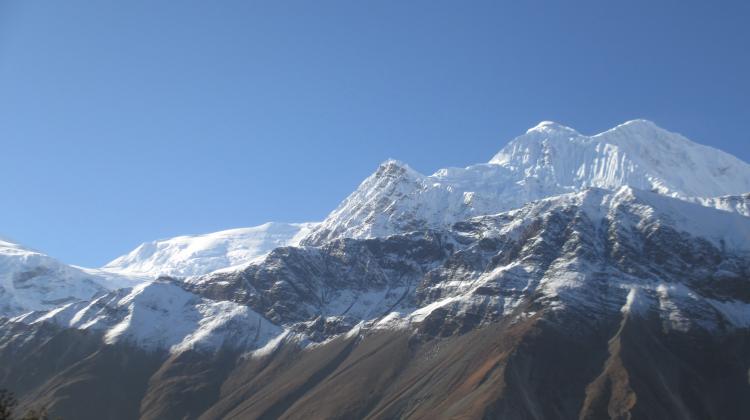
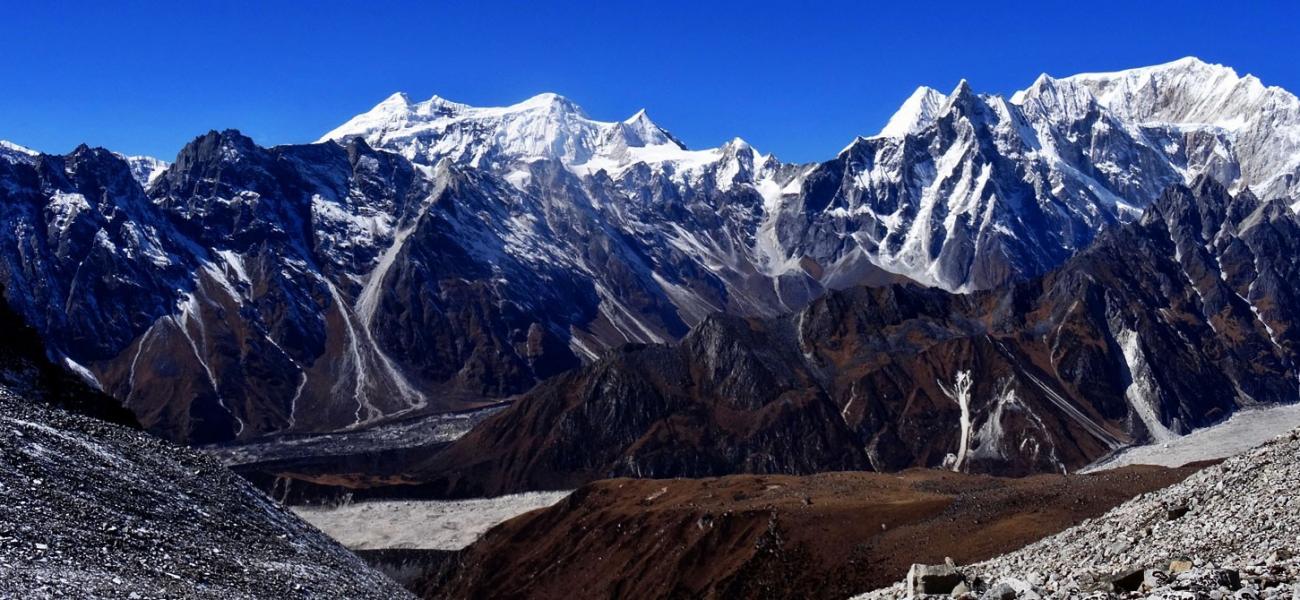
- Himalayan Views: See beautiful views of Himalayan mountains such as Annapurna II, Himlung Himal, and Gangapurna, Chulu Peaks, Tilicho Peak all along the trek.
- Adventure Experience: Take an off the beaten path adventure with trails off the beaten path, struggles and incredible scenery from the Himalayas.
- Complete Himalayan Journey: A combination of nature, culture and adventure at high altitudes in one great journey.
Culture Experience on the Nar Phu Valley Trek
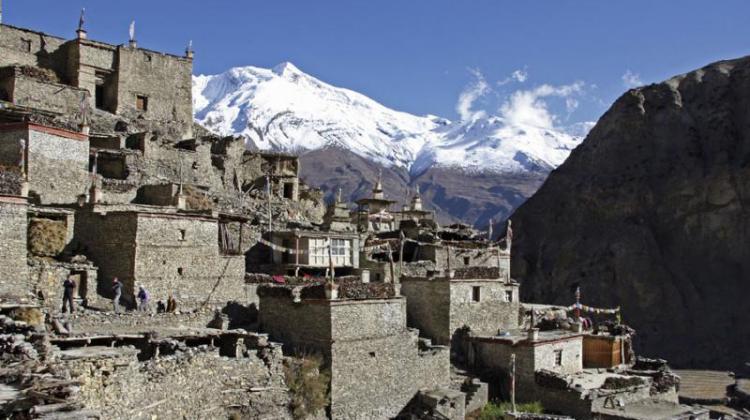
The Nar Phu Valley Trek is more than just a mountain adventure, as it also offers a rich cultural experience in one of Nepal's most remote regions. Nar and Phu are villages that have stayed unchanged for centuries so that trekkers can enjoy real Himalayan culture. There is a high presence of the Tibetan Buddhism way of life, the local architecture and practices throughout the trip. By staying in traditional teahouse and meeting with local family life, you have a better understanding about the region's history, culture, and way of life. In addition to all the beautiful mountains lining the route, you'll also have the opportunity to experience some of the culture along the way.- Traditional Villages: Visit the traditional villages of Nar and Phu, where centuries-old customs are still practiced. These villages provide a glimpse into the traditional mountain way of life for the local communities.
- Tibetan Buddhist Culture: Experience the rich Tibetan Buddhist culture, expressed in beliefs, festivals, architecture and daily life. Strong sense of prayer is present all the way.
- Prayer Flags, Mani Walls, Prayer Wheels, Chortens and ancient monasteries: Follow the trail to learn to appreciate the prayer flags, mani walls, prayer wheels, chortens and ancient monasteries. The sites are for religious purposes, and they are very important in the region.
- Local Lifestyle: Get an opportunity to meet local families who are friendly and learn about their way of life where it is simple. Their hospitality is charmingly warm which further enhances the cultural experience.
- Our Traditional Architecture: The architecture you see in the traditional stone houses are built according to the cold climate and harsh mountain living environment. They are distinctive in their design, and are the result of the local craftsmanship over the generations.
- Daily life: Observe daily activities of local people while farming and herding the yaks, weaving and other local activities. These experiences give a true feel of the life in Himalayan villages.
- Local Cuisine: Dine at family owned teahouses with authentic Nepali and Tibetan cuisine. Eating local food is a wonderful way of getting to know a region.
- Festivals and Traditions: Get information from your guide and local people about the local festivals, religious ceremonies and traditional customs. These customs are still an integral part of daily routine.
- Peaceful Environment: Enjoy the quiet atmosphere of villages, where there modern development remains limited. The atmosphere is peaceful, making it possible to enjoy the culture and natural beauty of the area.
- Cultural Heritage: learn the history and heritage of one of the most remote parts of the Himalayas in Nepal. One of the best parts of the trek will be the cultural experiences you have on your way.
Altitude and Acclimatization for the Nar Phu Valley Trek
The Nar Phu Valley Trek takes you to high-altitude areas, with the highest point being Kang La Pass at 5,320 metres. As you gain elevation, the oxygen level decreases; so proper acclimatization is important, for a safe and enjoyable trek. The route features a special acclimatization day in Phu Village so your body can get used to the high pass before you cross it. Walking at a steady pace, staying hydrated, and listening to your guide's advice; will also help to reduce the risk of altitude sickness.- Gradual Altitude Increase: The trek begins at a lower altitude level, and gradually moves up to the 5,320 meters at Kang La Pass. The ascent will be gradual giving your body enough time to adapt to the reduced atmospheric pressure.
- Acclimatization Day: Before reaching the higher altitudes; there is an acclimatization day at Phu Village (4080 meters). This is an important resting day that helps reduce the chances of getting altitude sickness.
- Good Itinerary Planning: The trek's route is well-planned and it includes a steady ascent through the journey; as this will make the trek safer and easier.
- Drinking Water: Drinking enough water helps your body to adapt to the change in altitude. Good hydration also helps to reduce chances of having altitude problems.
- Spend Time Walking at a Steady Speed: Walk slowly and steadily especially at the higher altitude levels and don't rush since this will give your body time to adapt.
- Healthy Diets: Eat healthy and regular diets to make sure that you keep the energy levels during the journey. Healthy diet also helps the body to adapt to the higher altitude.
- Avoid Alcohol and Smoking: Alcohol and smoking should be avoided at higher elevations. They can make it more difficult for your body, to adapt to the thinner air.
- Understand altitude sickness: Watch for the signs and symptoms of altitude sickness (headache, dizziness, nausea, or unusual fatigue). If you see any of the following signs; please notify your guide as soon as possible.
- Professional Guide Support: There are professional guides who are in charge of monitoring your health during the hike and give you support when necessary. They are taught to react swiftly in response to any altitude related issues.
- Emergency Response: If no improvement of the condition is observed, your guide will guide you to a lower height in a safe manner. If it is a medical emergency, the person can be evacuated by a helicopter.
Difficulty Level of Nar Phu Valley Trek
The Nar Phu Valley Trek is a moderate to difficult trek and is recommended for those who are physically fit. The hike has very long days of walking, some steep climbs and descents, rocky paths and high passes. At Kang La Pass at 5,320 metres the thin atmosphere makes walking more strenuous. Since the area is remote, the facilities will not be of the same quality as those in other trekking sites. Although the trek is physically challenging, it does not require any technical climbing skills or mountaineering experience. Most fit beginners and experienced trekkers can make the trek successfully with the proper preparation, slow acclimatization, and knowledge from experienced trekking employees.- Physical Fitness: It is recommended that this trek be taken by people who are physically fit and have endurance. Preparation for the hike should involve regular exercise, so that you can enjoy the trip more easily.
- Walking Hours: Average of 5 to 9 hours a day on the trails depending on the day. Days will be longer and harder going, particularly crossing the high mountain passes.
- Trail Difficulty: The trail is steep, rocky, narrow, and uneven and has a mild descent. It's essential to take care when starting footwork and maintain a steady pace throughout the trek.
- High Altitude: The high altitude trek reaches its peak at the Kang La Pass (5,320 metres), where the oxygen levels are relatively low. Trekking in such places is not an easy feat; an acclimatization procedure should be done.
- Acclimatization Day: There is an acclimatization day in Phu Village, before starting on the climb to the peaks. This gives your body a chance to acclimatize naturally, and it helps in avoiding altitude sickness.
- Technical Difficulty: This trek doesn’t involve technical climbing skills, or the use of ropes or mountaineering equipment. It is a trekking trek, which can be undertaken after proper preparations.
- Previous Experience: Previous trek is helpful but not mandatory for novice trekkers if they are well prepared. For beginners, as long as they are fit and determined, they can manage the trekking as well.
- Pre-Trek Preparations: Cardio exercises including walking, running, and cycling, will help to build your endurance. Building of leg muscles and leg endurance will help in enjoying the trip.
- Mental Fitness: It is important that you have a positive attitude and be patient while on a long journey. Keeping your motivation alive, to conquer all the obstacles on the way, will help greatly.
- Guidance and Support: Help and Assistance: Well-trained guides shall assist you whenever necessary; always watching over your safety while trekking at high altitudes. All you have to do is follow the instructions and keep up the pace; and you are good to go with the trek.
Permits Required for Nar Phu Valley Trek
The Nar Phu Valley Trek is a restricted-area trek, so all trekkers must obtain the required permits before starting the journey. These permits must be obtained to gain access to the prohibited area and the Annapurna Conservation Area. Most trekking agencies arrange all the permits for you; making the process easy and convenient. Since permit rules may change, it is always recommended to check the latest requirements before your trek.1. Nar Phu Restricted Area Permit (RAP)
The Nar Phu Restricted Area Permit (RAP) is the most crucial permit to hold on this trek, and all international trekkers must have it. Payment for the permit is USD 100 per person for the first 7 days, particularly during the peak monthly tourist season (September – November). Hiking in the country from December to August will require a permit, which costs USD 75 per person for the first 7 days. Any person staying longer than seven days in the restricted area needs to pay USD 15 per person per day. This permit cannot be purchased by itself, and it must be processed through an agency registered by the government. You should also have a licensed trekking guide in case of a trek in the Nar Phu Valley. You need to have a valid passport, passport size photos and travel plans.2. Annapurna Conservation Area Permit (ACAP)
A new Annapurna Conservation Area Permit (ACAP) is also required, as the Nar Phu Valley is located in the Annapurna Conservation Area. The entry fee for foreigners is NPR 3000 per person and valid for the entire trek in the conservation area. It is available at the Nepal Tourism Board (NTB) office in Kathmandu or Pokhara or the trekking agency can arrange it before going on a trek. You must submit your original passport, along with a photo the size of a passport, for this particular permit. The ACAP fee supports conservation projects and the equipment to maintain the trails; all while protecting the region's local communities and natural environment.Important Information:
For the Nar Phu Valley trek there is a mandatory permits of Nar Phu Restricted Area Permit (RAP) and Annapurna Conservation Area Permit (ACAP). These permits are required by the trekkers and should be carried along the trail as they are checked at different trail stops. For most trekking agencies they incorporate the permit process in their packages, so you can focus on your trek without needing to deal with it.
Insurance for the Nar Phu Valley Trek
Travel Insurance is strongly advised for the Nar Phu Valley Trek. This particular trek reaches its peak at Kang La Pass at an elevation of 5,320 meters and passes through isolated regions where facilities for health services are limited. The ideal travel insurance will provide you with coverage for any unanticipated situation such as illness, injuries, or even travel delays. Before starting this trek, it is important to have a travel insurance plan that will cover treks in the high altitude of Nepal.- High-Altitude Coverage: Make sure that your policy covers trekking up to 5320 metres. NEVER assume the maximum flying height on insurance, always verify.
- Emergency Helicopter Evacuation: Make sure that your insurance policy covers emergency helicopter evacuation. In a far-flung mountain area in case of an emergency, this is the quickest rescue.
- Medical Expenses: Your policy should include cover for treatment in case of emergency, hospitalisation and medicine. This will help prevent you from having unforeseen medical expenses along the way.
- Trip Cancellation and Delays: Check for coverage of trip delays, interruption and cancellation. This will keep you safe financially, if your travel plans changes unexpectedly.
- Personal Possessions: Purchase insurance for your luggage also and personal possessions, in case of loss, theft, or damage. This can reduce the cost of buying replacements, when you lose an item.
- Print Out The Insurance Documents: Print out or have a soft copy in your phone or laptop of your insurance policy documents and whom you need to call in case of emergencies.
- Insurance Information: Inform your trekking company or guide of your type of insurance, before starting your trek. This helps them take quick action, in case of any emergency situations.
- Careful with Policy Details: Read your insurance policy carefully to know what you are covered for and what you are not. You need to get this information before the trek so as to avoid any surprises.
- Pre-existing Medical Conditions: In case you have any pre-existing medical conditions, consult with your insurance provider to know if the travel plan covers this.
Why Choose This Itinerary?
The Nar Phu valley trek is a 10-day route that is carefully planned, to provide a balance of adventure, comfort and acclimatisation. It gives you a chance to visit remote villages of the Himalayas, such as Nar and Phu, and a structured course of action to help you get used to the rising elevation. You can make the journey with confidence, as you will have experienced guides, comfortable teahouse accommodation and organised transport. Whether you seek mountain scenery, cultural encounters, or simply an off-the-beaten-track adventure; the entire trip is guaranteed to give you a fun and rewarding trekking experience.- Well-Designed Itinerary: The schedule is made in such a way that there is enough time for walking, relaxing, and enjoying the natural beauty around.
- Beauty in Acclimatization: In Phu Village, you get a specific day to acclimatize your body to high altitude conditions prior to crossing Kang La Pass.
- Remote Himalayan Trekking: Have the experience of trekking one of Nepal’s remotest trekking regions and visit traditional villages and tranquil mountain scenery.
- Efficient Transport Services: Ground transport is all arranged and you travel from and within the trekking region with ease.
- Expert Team for Your Journey: Expert teams will accompany you during your trip and ensure that you remain safe with them.
- Cultural Exposure: You live in local teahouse and have exposure to the cultural and local traditions of the people staying in Nar and Phu regions.
- Route with Scenery and Variety: Walk through the routes that have forests, valleys of rivers, rocks, passes and scenic views of the Himalayas.
- Ideal for Adventure Lovers: This route is ideal for those who want a moderately tough adventure in an untouched Himalayan destination.
Safety on the Nar Phu Valley Trek
Your safety is our highest priority during your trip to the Nar Phu Valley. The trail passes through isolated mountain regions and takes you to higher altitudes, which means that proper planning and preparations are necessary for a successful venture. With experienced guides and a carefully planned itinerary, as well as the gradual ascend, the trip will be accomplished safely. Follow your guide’s counsel and looking after your health during the whole journey will make the trek successful.- Experienced Guides: The trek is guided by experienced, government-licensed guides; who offer navigation, local knowledge, and safety support.
- Gradual Acclimatization: This is a specific acclimatisation day during the program; so that your body can adapt to this increased altitude and minimise the risk of altitude sickness.
- Health Check-up: Your guide keep on checking on your health status, and check for any symptoms of altitude sickness throughout the trek.
- First Aid Services: Your guide is equipped with a complete First Aid Kit, that can help you with minor injuries and any health-related issues.
- Emergency Evacuation: In the event of any illness or injury, it may be possible to arrange for emergency helicopter evacuation, if you have proper insurance coverage.
- Slow Trekking Speed: The slow speed of walking will enable your body to adjust to the altitude without fatigue.
- Consuming Proper Amount of Water: Proper amount of drinking water and good food should be taken to maintain energy and to ensure proper acclimation.
- Adaptation to Weather Conditions: The weather conditions in the mountains are unpredictable and your guide will make changes in the program to ensure safety.
- Trekking Equipment: Ensure that you carry the recommended trekking equipment as well as clothes for proper trekking.
- Follow Your Guide: Always follow your guide and inform him of any illness or problem that might arise during your trekking trip.
Responsible Tourism
Responsible tourism plays a crucial role in the Nar Phu Valley Trek, which helps to preserve the natural beauty and culture of this area. Considering that this region is extremely remote and environmentally sensitive, every trekker has to move responsibly. It does not require much effort to preserve the trails, flora and fauna, and the lifestyle of the locals for many years ahead. By showing respect for local culture and nature, you will contribute to the preservation of the Nar Phu Valley.- Show Respect to Local Culture: Always be respectful to local cultures, traditions and religions throughout the trek. Wear appropriate clothes and do not take pictures of the locals, without prior permission.
- Reduce Plastic Pollution: Drink water from reusable bottles and water purification units instead of the single use plastic bottles; as it will reduce the plastic pollution in the mountains.
- Proper Disposal of Wastes: Help keep the trails clean, through proper disposal of garbage. Do not throw garbage and use the designated dustbins wherever available.
- Help Mountain Communities: Stay at the teahouses run by locals and purchase foods and any other items from local businesses whenever possible. It will contribute to the economy of the mountains.
- Protect the Wildlife: Stay away from the animals; do not feed, disturb and approach them. Let them stay in their own place and make sure, you do not make too much noise.
- Follow the Marked Paths: Walk only along the marked paths; to help protect the vegetation and prevent soil erosion. Do not use the shortcut paths to avoid damaging the environment.
- Conserve Natural Resources: Careful usage is required when it comes to water and electricity which is scarce in villages situated in mountain regions. Lights should always be turned off and no wastage of water must occur.
- Be respectful towards religious spots: Respect is essential when visiting such religious spots considering the location of the same in accordance with your guide. Preservation is necessary for these important cultural sites.
- Travel responsibly: Get yourself out there responsibly taking into account the advice given by your guide. Your contribution ensures maintenance of beauty and environment of the Nar Phu Valley in the future.
Group Size
The Nar Phu Valley Trek can be organised for solo travellers, couples, families, friends, and larger groups. Whether you prefer a private trek or want to join others, the itinerary can be arranged to suit your travel plans. The number of people in the group is limited to provide safe and enjoyable trekking for you. It is also possible to have larger groups, and this is accommodated by the inclusion of extra staff to support the service throughout the journey.- Solo Trekkers: Solo travellers can enter the trek but a minimum of 2 trekkers are needed to secure the Nar Phu Valley Restricted Area Permit.
- Small Groups: Small groups offer an ideal touring experience, with the guide being able to offer personalised support throughout the tour.
- Larger Groups: Additional guides and support crew may be added, if necessary in case of larger groups.
- Assistant Guide: Assistant guide will be available for groups of 5 or more trekking individuals; to ensure smooth coordination and provide additional assistance during the trek.
- Personalized Departure Schedule: It is possible to arrange personalized departure date with a tailored departure schedule for families, friends, and corporate groups.
- Relaxing Trekking Experience: Small groups give an opportunity to take the trek at leisurely pace and interact with the guide in a much better way.
Private Departure Available
Private departures are also offered for the Nar Phu Valley trek where you and your group can choose to travel when you want and as you wish. A private trek is more flexible and more personalised, whether you're travelling alone, as a family, with friends or colleagues. This is the perfect choice for those who want a more subdued experience with a more personalized approach from the trekking staff. Our team, Nepalaya Treks, will put together your trip between the dates you have requested and guarantee; that you have a safe and comfortable trekking experience.- Flexible Departure Dates: Choose the preferred travel dates and we will arrange your trek based on that.
- Customized Itinerary: Our itinerary can be customized depending on how much time you have and depending on other preferences of yours.
- Personalized Guide and Support Team: We will provide you with your very own guide and support staff; who will help you along the way.
- Perfect for all Kinds of Groups: Private tours are ideal for individuals, couples, families, groups of friends, or corporate travelers.
- More Comfortable Journey: Enjoy a more comfortable journey, and trek in your own pace without sticking to the set itinerary of any group.
- Easy Reservations: Just drop us a mail mentioning your travel dates and the size of your group and we will arrange everything from permits, transport, accommodation, and treks for you.
Equipment Rental Information
You don't need to worry if you don't have all the required trekking gear. Most of the necessary trekking gear is available in Kathmandu way before you leave for the trek and this means that you save the price of buying the heavy and costly equipment just for one trek. The maintenance of the rented equipment is good and a variety of sizes is available. Your trekking guide can also advise you the appropriate gear for the season and weather conditions.- Sleeping Bag: A warm sleeping bag suitable for sub-zero temperatures can be rented from trekking shops in Kathmandu before the trek.
- Down Jacket: High-quality down jackets are available for rent and are recommended for staying warm at higher elevations.
- Trekking Poles: It is possible to get trekking poles on rent to enhance balance and decrease strain on your knees in steep ascends and descends.
- Duffle Bag: A duffle bag can be rented out so that your trekking equipment will remain comfortably carried by your porter through the trekking.
- Crampons (Seasonal): In case crampons are needed during winter or snow season, it is possible to rent them out.
- Facilities for Rental: There are numerous trusted rental facilities in Kathmandu that offer trekking gear at extremely affordable daily rates.
- Precautions While Renting: Make sure to thoroughly check the quality of all rented gears before starting on trek.
- Personal equipment: It is not possible to hire clothing, trekking shoes, socks, gloves, personal care items, and medicine; so bring these along with you.
Trip Highlights
- Enjoy a scenic day trip through stunning hills, rivers and mountain villages.
- Discover the real culture and mountain life of the Tibetans.
- Visit the far-flung Nar Phu Valley and part of the renowned Annapurna Circuit.
- Ensure you stay in traditional mountain teahouses and experience the warm hospitality of local people.
- Enjoy less crowded and more peaceful trail experiences as compared to other Annapurna treks.
- Climb to Himlung Himal Base Camp (optional) and spend 1 day acclimatisation in the Phu village.
- Learn about ancient monasteries, chortens, mani walls and colourful prayer flags.
- Explore Pine forests, deep canyons, alpine meadows and rugged mountain landscapes.
- Have a panoramic view of Annapurna II, Gangapurna, Tilloch Peak, Himlung Himal and Chulu ranges.
- Cross scenic Kang La Pass (5320m), with breathtaking Himalayan scenery.
- Explore the traditional Tibetan culture villages of Nar and Phu.
- Visit the remote and restricted Nar Phu Valley area of Annapurna area.
Itinerary
Day 1: Arrival in Kathmandu (Tribhuvan International Airport)
The Nar Phu Valley Trek starts with your arrival at the Tribhuvan International Airport in, Kathmandu. You will be greeted by our representative and transferred to the hotel. It takes around 30-45 minutes of travel time, from the airport to the hotel based on traffic conditions. Check into the hotel and take rest after a tiring journey or explore the city life by strolling in the streets of Thamel, one of the most favorite tourist spots in Kathmandu. Thamel is a very famous spot in Kathmandu due to trekking gear shops, local restaurants, cafes, and souvenir shops. You may visit the famous UNESCO World Heritage Sites in Kathmandu, like Pashupatinath Temple, Boudhanath Stupa, or Swayambhunath Stupa (Monkey Temple), if you have ample time. Enjoy the welcome dinner at a local restaurant, meeting your trekking guide who briefs you regarding the trekking plan for coming days. Spend the night at your hotel in Kathmandu, and also prepare for the adventure starting the following day.
- Max Elevation: 1,320 meters
- Travel Distance: 6 to 8 kilometers
- Travel Hours: 30 to 45 minutes
- Accommodation: 3-star Standard Hotel
- Meal Included: Welcome Dinner
Day 2: Drive from Kathmandu to Koto (2,600 meters) via Besisahar
Day 3: Trek from Koto Up to Meta (3,560 meters), Cross pine forests and narrow canyons
Day 4: Trek from Meta to Phu Village (4,080 meters) pass ancient chorten and mani walls
Day 5: Acclimatization Day in Phu Village as well as optional side hike to Himlung Himal Base Camp (4,900 meters)
Day 6: Trek from Phu Village to Nar Village (4,110 meters)
Day 7: Trek from Nar village and then trek to Ngawal (3,660 meters) via Kang La Pass (5,320 meters)
Day 8: Trek from Ngawal to Pisang
Day 9: Drive from Pisang to Besisahar
Day 10: Drive from Besisahar back to Kathmandu
Inclusion / Exclusion
Inclusion
- Private vehicle pick up and drop from airport depending on group size
- Tourist bus transport from Kathmandu to Besisahar and then again from Besisahar to Kathmandu is included
- Shared jeep transport from Chame to Besisahar is included in return transportation
- Breakfast, Lunch and Dinner are included on daily basis during trekking days
- All necessary permit, like Nar Phu Restricted Area permit and ACAP permit is included
- A qualified English speaking trekking guide accompanies you throughout the trek
- One porter for every two trekkers is provided to carry your luggage during trek
- Teahouse, Guest house or Homestay accommodation is included during the trekking
- Assistant guide is provided for group of five trekkers or above
- Trek completion certificate will be provided upon the successful completion of trek
- Energy snacks and seasonal fruits are provided during the trek to keep you refreshed
- First aid kit is carried by the guide during the entire trek for emergency situations
Exclusion
- International airfare to and from Nepal
- Nepal visa charges need to be paid separately on arrival
- Pre and post-trek stay in Kathmandu along with accommodation and meals are not included
- Trekking gears, clothes, etc. need to be arranged individually by the trekkers
- Travel insurance along with helicopter evacuation in case of emergencies is not included in the package
- Personal expenses like drinks, Wi-Fi, battery charging, shower, and laundry are excluded
- Tips for guides and porters are not included in the package and are at your own discretion
- All other services that are not mentioned in “Cost Includes” are excluded
- Extra expenses because of weather conditions, delay, sickness, strike, etc. are not included
Check List
Packing wisely is essential for a safe and comfortable Nar Phu Valley Trek. Since the trail passes through remote mountain areas and reaches elevations above 5,000 metres, you should be prepared for changing weather and colder temperatures. Packing appropriate clothing, trekking equipment, and personal supplies will make your journey more enjoyable and help you to deal with the conditions at hand with greater confidence. The following packing list includes the recommended items to bring, for a smooth and well-prepared trekking experience.
General
- All-season sleeping bag
- Down jacket
- Duffle bag
- Light windproof and waterproof jacket
- Daypack
- Head, Ears, and Eyes
- Warm hat that covers ears
- Complimentary sunglasses with UV protection
- Buff or neck warmer
- Sunscreen (SPF 35–60)
- Headlamp with extra batteries
Hands
- Lightweight trekking gloves
- Waterproof winter gloves
- Inner liner gloves (optional but recommended)
Upper Body Clothing
- Long-sleeve T-shirts
- Thermal tops
- Warm fleece or wool jacket
- Sports bra (women)
- Windproof and waterproof jacket
Lower Body Clothing
- Thermal underwear (trousers)
- Waterproof and windproof Pants
- Warm trekking pants
- Hiking pants
- Casual sports pants
Footwear
- Waterproof trekking boots (must have)
- Casual sandals for the nighttime hours
- Woollen socks (4–5 pairs)
- Sock liners
- Light weight shoes or sneakers
First Aid and Medicines
- Adhesive bandages (plasters)
- Blister cream
- Anti-itch cream or insect repellent cream
- Pain relief medicine (such as ibuprofen)
- Bandages and sterile gauzes
- Water purification tablets
Important Documents and Personal Items
- Original passport
- Four passport-sized photographs
- Water bottle or hydration bottle
- Water purifier or purification tablets
- Printed copy of flight details
- Toiletries (toilet paper, soap, wet wipes, towel, toothbrush, toothpaste, etc.)
Extra Useful Items
- Trekking poles
- High energy snack/dry foods
- Power Bank and charging cable
- Extra batteries or memory cards for the camera
- Mobile phone or music player for pleasure
Trip FAQs
-
1. How difficult is the Nar Phu Valley Trek?
The Nar Phu Valley trek is considered moderate to challenging by the reason of long trekking days, steep uphill and downhill climbs and high altitude trails. It is advisable to have good physical fitness. But most trekkers can make it if you get in the right headspace, stay on pace, and take several days to acclimatize. -
2. Do I need a guide for the Nar Phu Valley Trek?
Yes, the Nar Phu Valley is a restricted region for trekking in Nepal, and one has to get himself a licensed guide. Through the services of a guide, the trekking becomes easier and more pleasant; because they guide you, obtain the permits for you, and also help you out along the way. -
3. What permits are required for the Nar Phu Valley Trek?
A Nar Phu Restricted Area Permit (RAP) and Annapurna Conservation Area Permit (ACAP) are required. These permits are required before entering the region. Most trekking agencies arrange all the necessary permits as part of their trekking package. -
4. When is the best time to do the Nar Phu Valley Trek?
Spring (March – May) and autumn (September – November) are the best seasons for this trek. The weather is usually calm, nights are clear and mountain views are good during these months. The trails have also been made safer and more comfortable to trek on. -
5. Is altitude sickness a concern on this trek?
Yes, altitude sickness could be experienced during trekking at the height of 5,320 meters at Kang La Pass. There is an acclimatization day in the schedule to make your body get used to the height. You can avoid altitude sickness by taking plenty of water, walking slowly, and taking the guide’s advice. -
6. What kind of accommodation and food are available?
The local mountain teahouses provide simple but comfortable rooms along with accommodation. Usually, meals consist of rice and noodles, as well as local dishes, soups, and potatoes, and Tibetan bread, tea. As the elevation increase on the journey, the selection of food types becomes more limited. -
7. What should I pack for the Nar Phu Valley Trek?
Bring warm clothing, sturdy trekking boots, a waterproof jacket, gloves, a hat, sunglasses, sunscreen, a reusable water bottle, a sleeping bag, personal medicines and a headlamp. A power bank and trekking poles are also handy; for a more comfortable trekking experience in the high altitude. -
8. Is travel insurance necessary for the Nar Phu Valley Trek?
Yes, travel insurance is a must for such a trek; and it is best to include high-altitude trekking and emergency air evacuation in your coverage. This will protect you financially against illnesses and any injuries; that may occur during your trekking in the remote Himalayas. -
9. Can beginners join the Nar Phu Valley Trek?
Yes, a beginner with good physical fitness is able to join the Nar Phu Valley Trek. Preparing with regular walking or exercise before the trip is helpful. As long as you follow the guide’s instructions correctly; maintain your speed steadily, and take enough rest, trekking will be easy and enjoyable for you.
All Inclusive Cost
USD 1390
Per Person
BOOK NOW QUICK ENQUIRY- Best Price Guarantee
- Hassle-Free Booking
- Team of highly experienced Experts
You may also like !!
Our Best Selling Packages You May Like.