Trekking in Nepal During Monsoon: Is It Possible?
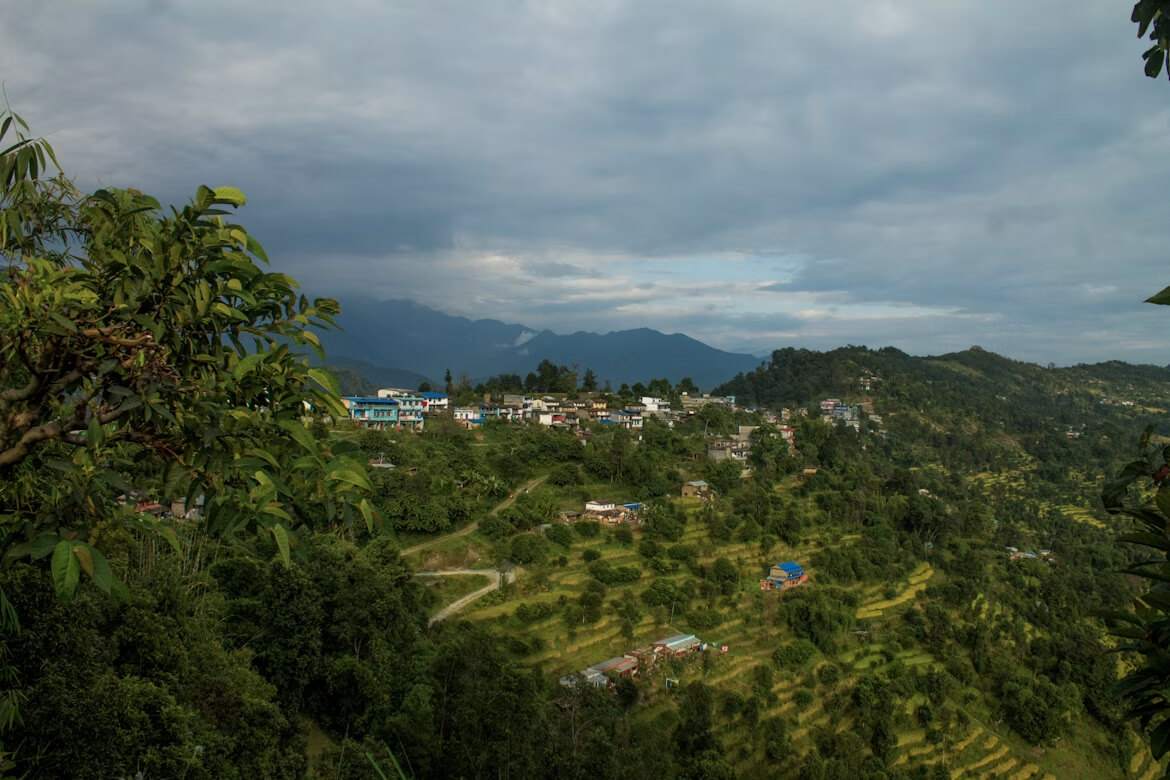
During the monsoon season, trekking in Nepal is also possible, but it might be more difficult, especially when compared to trekking in other seasons in the country. In June-July-August, Nepal experiences heavy and frequent rains in many parts of the country leaving trails muddy, wet and slippery. Weather like cloud and rain will also cause shadow on the mountains; flight delays and landslides may occur as well. But that doesn't mean that trekking in Nepal is off-limits during the monsoon season.
In this blog, we will explore what trekking in Nepal is like during the monsoon season , including the weather, trails and what you can expect to experience along the way. We will further see some of the best treks in the mountains of Nepal in the monsoons – including Upper Mustang, Upper Dolpo, Nar Phu Valley, and Upper Manang. If you choose the right route, follow that route correctly and adjust your itinerary to accommodate for the rainy season, you will be able to still have a rewarding trekking experience in Nepal during the rainy season.
When Is the Monsoon Season in Nepal?
The primary monsoon season in Nepal is typically June to August, with a possible extension into early September. Around 80% of annual Nepal rainfall occurs during this time occurring largely in hills, valleys and the south of the country. It is a warm, humid, wet season and often rains most of the time. Rainfall can last several hours for some days with more light rains falling during the afternoon and evening for other days. This means that the weather can be unpredictable and the weather conditions might change from day to day or the entire day.
The amount of rainfall is not the same across all parts of Nepal. The rest of the country, mostly the south and central parts, receives most of this rainfall, while some areas in the northern Himalayan region stay comparatively dry. This is because some parts of the country are sheltered from much of the monsoon rains by the great Himalayan ranges. These regions are called rain-shadow areas, and the regions where they lie are called Upper Mustang, Upper Dolpo, Manang, etc. Consequently, these areas can be a more favourable place for trekking during the monsoon season than other popular trekking destinations in Nepal.
The amount of rainfall is not the same across all parts of Nepal. The rest of the country, mostly the south and central parts, receives most of this rainfall, while some areas in the northern Himalayan region stay comparatively dry. This is because some parts of the country are sheltered from much of the monsoon rains by the great Himalayan ranges. These regions are called rain-shadow areas, and the regions where they lie are called Upper Mustang, Upper Dolpo, Manang, etc. Consequently, these areas can be a more favourable place for trekking during the monsoon season than other popular trekking destinations in Nepal.
What Is Trekking Like During the Monsoon?
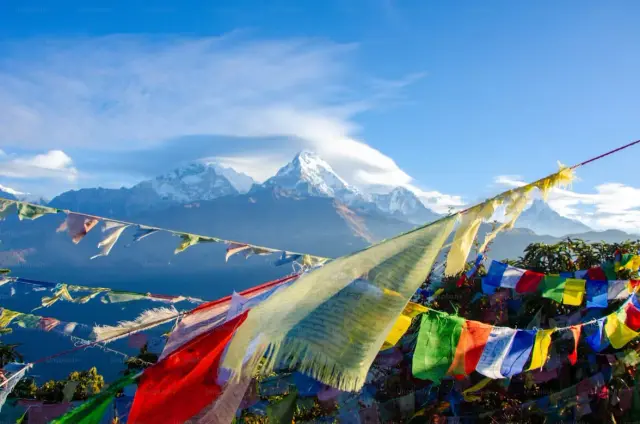
Trekking conditions vary significantly by season - monsoon (June–September), autumn (September–December), winter (December–February), and spring (March–May) each offer a different experience. It will vary depending on the region of trekking and amount of precipitation received. Routes outside of the monsoon-wet part of the country may feature paths that become wet, muddy and slippery in the rainy season; and areas in the rain shadow can be much drier and more comfortable. Be prepared for cloudy weather, a lack of mountain views, and potential travel delays as well. However, with the right route and proper preparation, monsoon trekking can still be an enjoyable experience.
1. Rain and Wet Trails
One of the key difficulties for trekking in Nepal during the monsoon season is from rain. Lower elevations may also be muddy, wet and slippery, which will make these trails difficult to walk. There may also be wetter than usual sections of the trail after heavy rain, as may be found on rivers and streams.
In other areas heavier rainfall may contribute to levels of landsliding and road degradation. Routes to trekking starting points can be impacted, as can be domestic flights occasionally, due to the bad weather. As a result of these potential delays, it's advised to permit some buffer time in your Travel Plan and not set yours too tightly.
In other areas heavier rainfall may contribute to levels of landsliding and road degradation. Routes to trekking starting points can be impacted, as can be domestic flights occasionally, due to the bad weather. As a result of these potential delays, it's advised to permit some buffer time in your Travel Plan and not set yours too tightly.
2. Clouds and Mountain Views
Monsoon weather is often cloudy and rainy, especially to the south of the hills. When the weather is cloudy, you may not be able to see the peaks of the mountains clearly. This is one of the distinguishing features of monsoon trekking compared to the more popular autumn season.
But the monsoon also brings another beauty to Nepal! The rain turns the woods, hills, fields and valleys green and fresh. It's also a good time for wildflowers, which bloom in full colour across the hillsides during this time. If you opt for a road trip in a rain-shadow zone there's also a higher likelihood of seeing some of the mountains.
But the monsoon also brings another beauty to Nepal! The rain turns the woods, hills, fields and valleys green and fresh. It's also a good time for wildflowers, which bloom in full colour across the hillsides during this time. If you opt for a road trip in a rain-shadow zone there's also a higher likelihood of seeing some of the mountains.
3. Leeches and Insects
Leeches are usually found on wet forested trails, particularly in lower elevations during monsoon time. Typically not dangerous but can be an uncomfortable aspect of the hike. They are occasionally found in patches of wet grass, woods and boggy sections of the track.
Legs and feet can be safeguarded by wearing long trousers as well as appropriate trekking shoes. For this it is useful to carry salt or an easy-to-use repellent product for the leech. Regularly inspecting shoes and clothes for any leeches will enable you to keep them from becoming a larger problem.
Legs and feet can be safeguarded by wearing long trousers as well as appropriate trekking shoes. For this it is useful to carry salt or an easy-to-use repellent product for the leech. Regularly inspecting shoes and clothes for any leeches will enable you to keep them from becoming a larger problem.
Best Treks in Nepal During Monsoon
If you are thinking of trekking in the summer months of June, July and August, then it is better if you pick a trek in a Himalayan rain shadow area; the weather will be favourable during the trek. These are the high-altitude, rain-shadow areas of Nepal that receive far less rain as compared to some of other places, but it is possible to encounter the rain at certain portions of the trek. The best are the Upper Mustang, Upper Dolpo, Nar Phu Valley or the upper part of the Annapurna region in Manang.
1. Upper Mustang Trek
While in Nepal, the months from June through September are excellent trekking opportunities on the Upper Mustang. It lies in the rain shadow of the Annapurna and Dhaulagiri ranges which prevent the majority of the monsoon precipitation from reaching this region. This has made the weather relatively dry in Upper Mustang even during the wet season when the rest of Nepal is considered very wet.
Upper Mustang Trek journey is very interesting, passing through an atypical geographical area of dry hills, rocky cliffs, ancient villages, monasteries and caves. The strong Tibetan cultural influence is also felt throughout the region. Upper Mustang is one of the few rain-shadow areas in the Himalaya open to trekkers year-round, including during the monsoon. The area of Upper Mustang is a restricted trekking area, travellers must obtain the relevant special trekking permit and follow local rules along the trek.
Upper Mustang Trek journey is very interesting, passing through an atypical geographical area of dry hills, rocky cliffs, ancient villages, monasteries and caves. The strong Tibetan cultural influence is also felt throughout the region. Upper Mustang is one of the few rain-shadow areas in the Himalaya open to trekkers year-round, including during the monsoon. The area of Upper Mustang is a restricted trekking area, travellers must obtain the relevant special trekking permit and follow local rules along the trek.
2. Upper Dolpo Trek
For experienced trekkers who have a taste for adventure, Upper Dolpo is also a good offer for monsoon trekking. The upper parts of Dolpo are located in the lee of the Himalaya and get fewer rains than the lower parts in Nepal.
You will experience the impressive mountain landscape, remote villages, culture and traditions influenced by Tibetans and beautiful scenery of Shey Phoksundo National Park during the trek. But the lower parts of the region, where one reaches Upper Dolpo, are still able to receive rain. Heavy rain could also cause rivers to rise which must be checked before and during the hike.
Upper Dolpo is a remote and rugged trekking area. This means that good preparation will be important, since weather conditions can shift quickly, facilities are limited, and the journey is long.
You will experience the impressive mountain landscape, remote villages, culture and traditions influenced by Tibetans and beautiful scenery of Shey Phoksundo National Park during the trek. But the lower parts of the region, where one reaches Upper Dolpo, are still able to receive rain. Heavy rain could also cause rivers to rise which must be checked before and during the hike.
Upper Dolpo is a remote and rugged trekking area. This means that good preparation will be important, since weather conditions can shift quickly, facilities are limited, and the journey is long.
3. Nar Phu Valley Trek
Nar Phu Valley is a lesser known trekking destination for the monsoon season. The valley is in the northern side of the Annapurna region, near to the rain-shadow region and it generally receives less rainfall as compared to the southern part of Annapurna range area.
You travel through remote mountain villages, narrow valleys, high passes and high places which contain a strong Tibetan cultural influence. It is also less overcrowded than one of the more popular approaches to Nepal, thus it is a great choice for those that like a quiet approach.
Monsoon weather may also impact the travel routes between Nar Phu and the community. Lower portions of the trails and roads can become muddy or challenging, so please check local conditions prior to heading out on the hike.
You travel through remote mountain villages, narrow valleys, high passes and high places which contain a strong Tibetan cultural influence. It is also less overcrowded than one of the more popular approaches to Nepal, thus it is a great choice for those that like a quiet approach.
Monsoon weather may also impact the travel routes between Nar Phu and the community. Lower portions of the trails and roads can become muddy or challenging, so please check local conditions prior to heading out on the hike.
4. Upper Manang / Annapurna Circuit
Upper Manang is another region worth considering for monsoon trekking. To the north of Manang, the land becomes arid, as mountain ranges block most of the monsoon rains; the barrenness can be explained by hilly ranges that block a significant amount of precipitation during the monsoon period. The scenery is also more similar to the dry topography that dominates throughout the Tibetan Plateau.
Much higher quantities of rain fall in the lower parts, particularly at Besisahar in the south. Muddy trails, landslides and disruptions on roads can occur in these areas during the monsoon season.
For those who are interested in hiking the Annapurna Circuit in Summer, make sure to plan their journey carefully and know what to expect at each stage. So the upper part of the Manang can be better, whereas the lower part of the circuit may be steep and rough when it rains heavily.
Much higher quantities of rain fall in the lower parts, particularly at Besisahar in the south. Muddy trails, landslides and disruptions on roads can occur in these areas during the monsoon season.
For those who are interested in hiking the Annapurna Circuit in Summer, make sure to plan their journey carefully and know what to expect at each stage. So the upper part of the Manang can be better, whereas the lower part of the circuit may be steep and rough when it rains heavily.
Treks That Are More Difficult During Monsoon
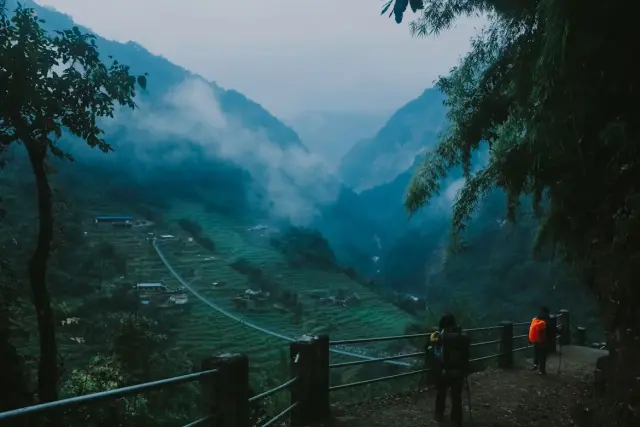
However not all of the trekking routes in Nepal can be recommended for trekking during the monsoon season. Some hikes like Everest Base Camp, Annapurna Base Camp, Mardi Himal, Ghorepani Poon Hill, Langtang Valley and the lowlands of Annapurna Circuit may be challenging during June to August. In some instances, these hikes are still accessible, however, as the rain and weather change, the hike becomes more difficult.
Muddy and wet tracks can make walking slower and more difficult. Leeches are also prevalent on parts that are low lying and undulating but also on forested areas; road closures or heavy rain with falling debris can hinder flights. Possibly long spells of cloud cover may occur, prohibiting views of the mountains. Spring and fall are considered better trekking seasons for those who focus on clear mountain skies and stable weather for trekking on these hikes.
Muddy and wet tracks can make walking slower and more difficult. Leeches are also prevalent on parts that are low lying and undulating but also on forested areas; road closures or heavy rain with falling debris can hinder flights. Possibly long spells of cloud cover may occur, prohibiting views of the mountains. Spring and fall are considered better trekking seasons for those who focus on clear mountain skies and stable weather for trekking on these hikes.
Advantages of Trekking in Nepal During Monsoon
While the monsoon season isn't all sunshine and smiles, there are some benefits to trekking in the rainy season. Traversing the appropriate path and being prepared for inclement weather conditions, you can access a more peaceful and environmentally friendly side of Nepal.
- Fewer trekkers: Fewer people trek during the monsoon seasons than during the peak seasons of spring and fall.
- Lush and green landscapes: Forest, hills, fields and valleys look bright and green due to regular rainfall.
- A quieter experience: The trails are less crowded, making the trek more peaceful and enjoyable.
- Better options in rain shadow: Some areas, including Upper Mustang, Upper Dolpo and Upper Manang, tend to get less monsoon rain and so may be among the better places for summertime trekking.
- Experience Nepal in a different season: Monsoon allows you to see Nepal's countryside, forests, farms, and villages when the landscape is at its greenest.
Challenges of Monsoon Trekking in Nepal
However, there are also some drawbacks to the monsoon season, so you should take some factors into consideration before heading into your trek. Things are rapidly changing, so having the readiness and flexibility in your plans is necessary.
- Heavy rainfall: June, July and August are frequently rainy with heavy rainfall in many parts of Nepal.
- Rough, wet ground: Because the ground can be muddy, slippery, it can be hard to walk on forest trails and lower elevation trails when it rains.
- Leeches: Areas which are wet and forested may have leeches especially after rainfall.
- Landslides: Heavy rainfall can cause some hilly/mountain regions to experience landslides.
- Cloudy weather: Clouds can upset visibility, and block mountain views.
- Weather delays: Delays or cancellations of flights to trekking destinations, like Lukla and Juphal, may be caused by poor weather.
- Rural conditions: There are roads that can become difficult due to mud, landslides, and water in the area to the starting points for treks.
- Increased level of rivers or streams: Heavy rain may lead to high river and stream levels which may make crossing more difficult.
Under these circumstances it is advisable to be flexible on your travel plans during the monsoon season. Keep up on weather and conditions along trails, allow extra time for delays, and select your trek route wisely.
Tips for Trekking in Nepal During Monsoon
Trekking in the monsoon season is a little more involved than trekking in the dry seasons. With rain showers, sloppy paths, unpredictable weather and sometimes travel delays. But with an appropriate path, the right gear and appropriate flexibility in plans, you can have a much more comfy and enjoyable trek.
- Choose the Right Trekking Route: Make a careful selection of trekking routes, particularly if your journey takes you from June to August. Routes in rain-shadow regions, such as Upper Mustang, Upper Dolpo and Upper Manang, tend to be less affected by monsoon on average.
- Carry Good Rain Protection: During the monsoon period, rain protection is a must. Bring along a waterproof jacket, backpack rain cover, and water-proof bags should it get wet and windy to prevent the loss of clothes, electronics, and papers and important items.
- Wear proper trekking shoes: The trails will be wet and there may be some mud, proper shoes are essential. Bring some comfortable trekking boots that will provide you with traction as you traverse slippery trails. Having extra pairs of socks never hurts, either.
- Keep Your Belongings Dry: In addition to a rain cover for your backpack, it is a great idea to store essential items in rain-proof packs. Keep documents, electronics, and sleeping gear separate from your clothing for protection.
- Keep Your Itinerary Flexible: The monsoon season can impact flights, roads and trekking trails. Avoid the tight schedule, and see if possible set aside one or two additional days. This will leave you with extra time to troubleshoot when things go wrong.
- Check weather and conditions on the trail: Whilst in the monsoon, the weather and trail conditions can rapidly shift. Before setting out every day, verify the weather forecast, and find out what you should expect from the trail ahead from your guide, trekking company, or locals. This is particularly noteworthy following a heavy rainfall.
- Consider Trekking With a Guide: In the monsoon season, a local guide is of great assistance. They can give you information on the trails, river crossings, weather changes and any potential changes in routes. During difficult times a guide can assist with more safely choosing options.
- Get the Required Permits: Ensure that you have all the trekking permits with you before you trek. Restrictions may vary between areas within a trek, particularly for restricted areas. Be sure to know the new details and have all paperwork in order ahead of time.
Is Monsoon a Good Time for Trekking in Nepal?
While monsoon is not an excellent time to trek in Nepal, by picking a suitable route and with the necessary awareness alongside adequate preparations, you can have a smooth trekking experience. June, July and August provide abundant rainfall to many parts of the country, but during this same period the wetter portions of the country are equally protected by the Himalayan ranges to receive significantly less rainfall.
Spring and autumn are the more favorable time periods for best dry trail conditions and mountain views for most popular trails, at least. If you only have the option of traveling during the monsoon season, however, you still have good choices. The Upper Mustang and Upper Dolpo are some of the best options, and with slight modifications Upper Manang and Nar Phu Valley can also be considered as suitable destinations. It's crucial to make the decision on the path based on the local weather conditions and be ready for the shift.
Spring and autumn are the more favorable time periods for best dry trail conditions and mountain views for most popular trails, at least. If you only have the option of traveling during the monsoon season, however, you still have good choices. The Upper Mustang and Upper Dolpo are some of the best options, and with slight modifications Upper Manang and Nar Phu Valley can also be considered as suitable destinations. It's crucial to make the decision on the path based on the local weather conditions and be ready for the shift.
Conclusion
Trekking in Nepal during the monsoon is feasible, but selecting the appropriate path and preparing for the weather changes can be crucial. Heavy rains occur in Nepal in summer (June to August) for many areas, except for Upper Mustang, Upper Dolpo, Nar Phu, and Upper Manang where it is less and can be better for summer trekking. Prior to embarking on your hike, factor in the weather conditions, the trail conditions, modes of transportation, and permits that may need to be obtained to enjoy a safer and more comfortable trek.
At Nepalaya Treks we assist travellers to arrange trekking trips throughout Nepal according to their interests, time, and preferred destination. As one of the best tour and travel agencies in Nepal, we have trekking packages for Upper Mustang, Dolpo, Nar Phu, Annapurna, Everest and Langtang. For the periods of the monsoon, help is available to you with determining the appropriate route area and preparation for weather and trail conditions on that journey.
At Nepalaya Treks we assist travellers to arrange trekking trips throughout Nepal according to their interests, time, and preferred destination. As one of the best tour and travel agencies in Nepal, we have trekking packages for Upper Mustang, Dolpo, Nar Phu, Annapurna, Everest and Langtang. For the periods of the monsoon, help is available to you with determining the appropriate route area and preparation for weather and trail conditions on that journey.
FAQs on Trekking in Nepal During Monsoon
1. Can you trek in Nepal during the monsoon?
Yes, trekking in the monsoon season in Nepal is possible. Many trails can be muddy, wet, and affected by landslides. Better options are Upper Mustang and Upper Dolpo as these are less exposed to the monsoons.
2. What are the best months for monsoon trekking in Nepal?
In Nepal, the main months of monsoons are June, July and August. Owing to the weather, sometimes rain will persist through early September. In these months, the rain shadow regions may provide a better environment for trekking.
3. Which is the best monsoon trek in Nepal?
Monsoon trekking is some of the best trekking options available in Nepal, with Upper Mustang being one of the best options due to it being in the rain shadow of the Himalayas. Another suggested trail is Upper Dolpo, particularly among those trekking for a more isolated and less noisy experience. With proper planning Nar Phu Valley and Upper Manang can be considered.
4. Is the Everest Base Camp Trek possible during the monsoon?
Yes, you can trek to Everest base camp during monsoon time but it may be more challenging! Rain, cloud cover, and possible flight delays can make the trek more difficult, especially at lower elevations. Spring and autumn generally offer clearer mountain views and more predictable weather.
Leave Your Comment.
Best Selling
Our Best Selling Packages You May Like.