Everest Helicopter Tour
Overview
Everest Helicopter Tour offers travelers an incredible opportunity to experience the breathtaking scenery of the Himalayas without undertaking a challenging multi-day trek. The tour begins with an early morning helicopter flight from Kathmandu to the Everest region, offering spectacular views of hills, valleys, mountain villages, glaciers, and snow-capped Himalayan peaks along the way. Upon reaching the Khumbu region, you can enjoy spectacular views of Mount Everest, Lhotse, Nuptse, Ama Dablam, Makalu, and other Himalayan peaks, depending on weather and visibility.
A major highlight of the tour is the aerial perspective of Mount Everest and the surrounding Himalayan peaks. Depending on weather, safety, aviation regulations, and operational conditions, the helicopter may make a permitted landing at a designated location in the Everest region, allowing you to enjoy and photograph the spectacular Himalayan scenery. Here you can admire glaciers, steep mountainsides, and unique landscapes that make the Everest region famous.
Further, you will return to Kathmandu by helicopter, enjoying new views of the Himalayas during the flight. Since the whole trip can be done in one day, the Everest Helicopter Tour is ideal for those travelers who have only a little time in Nepal but wish to explore Mount Everest and the surrounding mountains.
A major highlight of the tour is the aerial perspective of Mount Everest and the surrounding Himalayan peaks. Depending on weather, safety, aviation regulations, and operational conditions, the helicopter may make a permitted landing at a designated location in the Everest region, allowing you to enjoy and photograph the spectacular Himalayan scenery. Here you can admire glaciers, steep mountainsides, and unique landscapes that make the Everest region famous.
Further, you will return to Kathmandu by helicopter, enjoying new views of the Himalayas during the flight. Since the whole trip can be done in one day, the Everest Helicopter Tour is ideal for those travelers who have only a little time in Nepal but wish to explore Mount Everest and the surrounding mountains.
Additional Highlights of Everest Helicopter Tour
In addition to the main highlights, the tour offers several other memorable experiences and opportunities to appreciate the landscapes and atmosphere of the Everest region. These additional highlights focus on the scenery, mountain landscapes, local settlements, and unique aerial perspective that make the Everest Helicopter Tour memorable. Some of the additional highlights include:
- See how Nepal's landscape changes from the lower hills around Kathmandu to the rugged, high-altitude terrain of the Everest region.
- See the remote Himalayan settlements. Observe traditional mountain villages, winding trails, stone houses, and isolated settlements scattered across the Khumbu landscape.
- The flight provides views of massive glaciers, deep valleys, and rugged terrain shaped by centuries of ice and snow in the Himalayas.
- Experience the early morning Himalayas. Morning flights can offer beautiful light over the surrounding peaks and valleys, although visibility depends on the day's weather conditions.
- The helicopter ride offers its own excitement of flying in one of the highest mountain ranges in the world.
- The aerial perspective provides a better sense of the immense scale of the mountains, valleys, glaciers, and surrounding landscapes of the Everest region.
- The tour allows travelers to experience the Everest region without spending several days trekking through challenging mountain terrain.
- Enjoy the peaceful atmosphere of the Himalayan landscape away from the busy surroundings of Kathmandu.
- Finally, after the exploration of the Everest region, the coming back flight again offers great views of the spectacular scenery of the Himalayas.
What to Expect on Everest Helicopter Tour?
The Everest Helicopter Tour is a convenient way to experience the Himalayas within a short period of time. During the tour, you will travel from Kathmandu toward the Everest region while enjoying changing landscapes, mountain villages, glaciers, and magnificent views of some of the world's highest peaks. If weather and operating conditions permit, the helicopter may make a permitted landing at a designated location in the Everest region; the exact landing site is not guaranteed.
- Travel from the Kathmandu Valley up to the High Himalayas and see how the landscape changes from hills and valleys into mountains.
- Get the unique opportunity to look down upon the remote mountain villages, mountain passes, rivers, glaciers and valleys.
- Enjoy a unique perspective of the enormous mountains, deep valleys, glaciers, and landscapes surrounding the Everest region.
- Get many chances to take photographs of the landscape, glaciers, mountain villages and snow-covered landscapes.
- Morning flights generally offer better visibility, although actual flight conditions depend on the weather and operational circumstances.
- The helicopter allows you to experience the Everest region without undertaking several days of trekking, although a high-altitude landing may still involve rapid exposure to altitude.
- It is possible that the flight route will change depending on the weather and other conditions of the flight.
- Return to Kathmandu after the helicopter tour around the Everest region and finish your adventure in the Himalayas without spending a night in the mountains.
The Best Seasons for the Everest Helicopter Tour
March to May and September to November are generally considered the best seasons for an Everest Helicopter Tour because they often provide better visibility and more favorable flying conditions. Flights may also operate during winter and the monsoon season, but weather and visibility can be less predictable. It is worth noting that some factors like weather conditions will influence flight time and visibility of mountains.
1. Spring Season (March to May)
Spring generally offers favorable weather and good visibility in the Everest region, although mountain weather can still change quickly. The lower hills are generally greener during spring, and rhododendrons begin to bloom, while clear mornings can offer excellent views of the snow-capped Himalayan peaks. So, the spring season will allow tourists to enjoy amazing mountain landscapes and colors.
2. Autumn Season (September to November)
Autumn is one of the most popular seasons for visiting the Everest region because the post-monsoon period often brings clearer skies, good mountain visibility, and generally favorable weather conditions. The post-monsoon period often brings clearer skies and improved mountain visibility.
Everest Helicopter Tour Route
Your journey begins with an early morning transfer from your Kathmandu hotel to the designated helicopter departure point. After completing the pre-flight formalities, you will fly toward the Everest region, gradually leaving the Kathmandu Valley behind.
As you gain elevation, the green hills and valleys gradually give way to rugged mountain terrain, snow-covered peaks, glaciers, and deep Himalayan valleys. You can see traditional settlements, rivers, paths, forested areas, and more impressive Himalayan scenery on the way. As you approach the Khumbu region, the landscape becomes increasingly rugged, with glaciers, snow-covered peaks, deep valleys, and high mountain terrain coming into view.
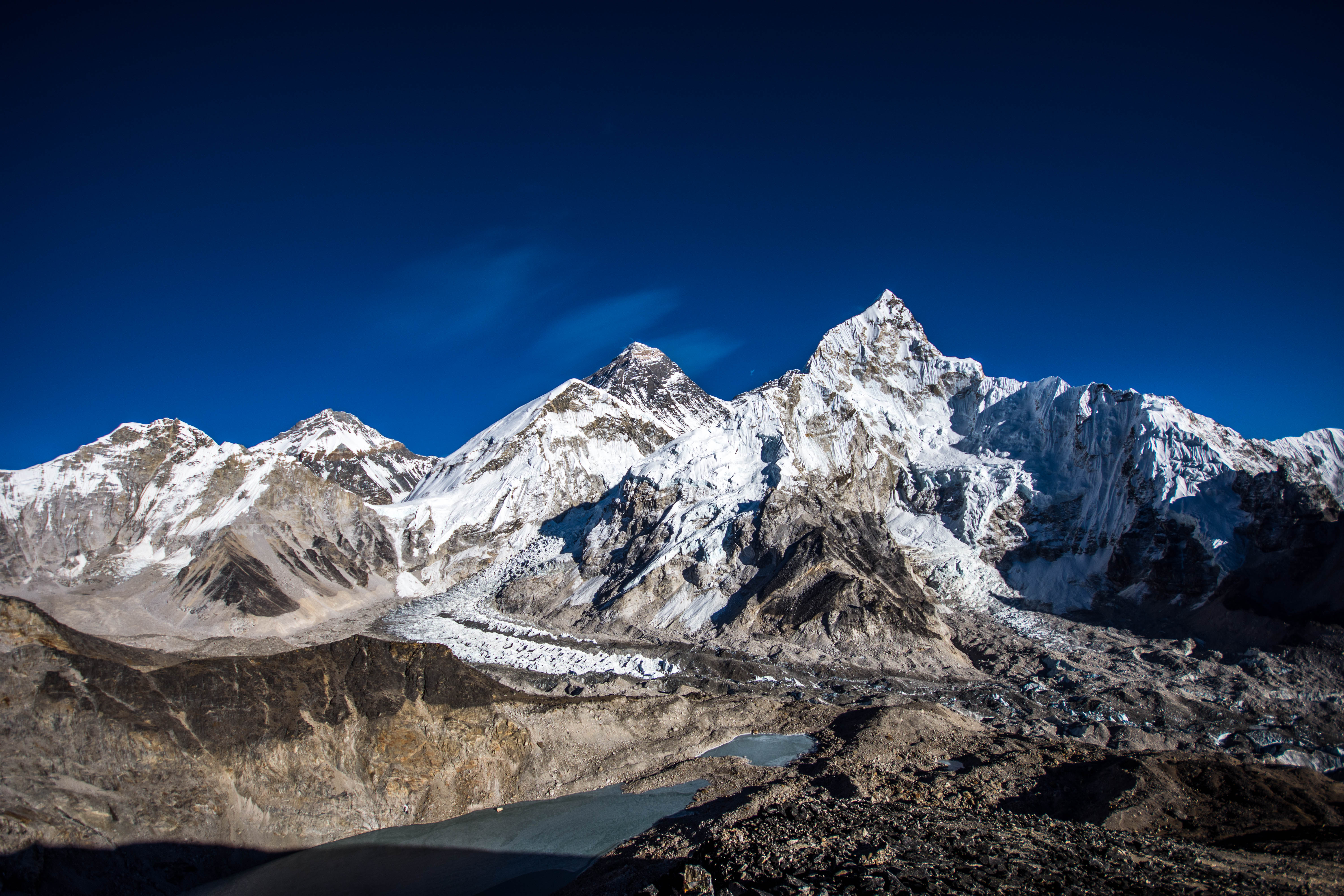
As the Everest region approaches, you will be greeted by the most impressive scenery of the trip. Mount Everest, Lhotse, Nuptse, Ama Dablam, and other peaks of the Himalayas can be seen on a good day. Depending on weather, safety, aviation regulations, and operational conditions, the flight may include a permitted landing at a designated location in the Everest region.
After enjoying the scenery and making any permitted landing, you will begin the return flight to Kathmandu. As different flights and landings have different routes, they depend upon many factors, including weather conditions and visibility.
As you gain elevation, the green hills and valleys gradually give way to rugged mountain terrain, snow-covered peaks, glaciers, and deep Himalayan valleys. You can see traditional settlements, rivers, paths, forested areas, and more impressive Himalayan scenery on the way. As you approach the Khumbu region, the landscape becomes increasingly rugged, with glaciers, snow-covered peaks, deep valleys, and high mountain terrain coming into view.
As the Everest region approaches, you will be greeted by the most impressive scenery of the trip. Mount Everest, Lhotse, Nuptse, Ama Dablam, and other peaks of the Himalayas can be seen on a good day. Depending on weather, safety, aviation regulations, and operational conditions, the flight may include a permitted landing at a designated location in the Everest region.
After enjoying the scenery and making any permitted landing, you will begin the return flight to Kathmandu. As different flights and landings have different routes, they depend upon many factors, including weather conditions and visibility.
What Mountains Can You See During the Everest Helicopter Tour?
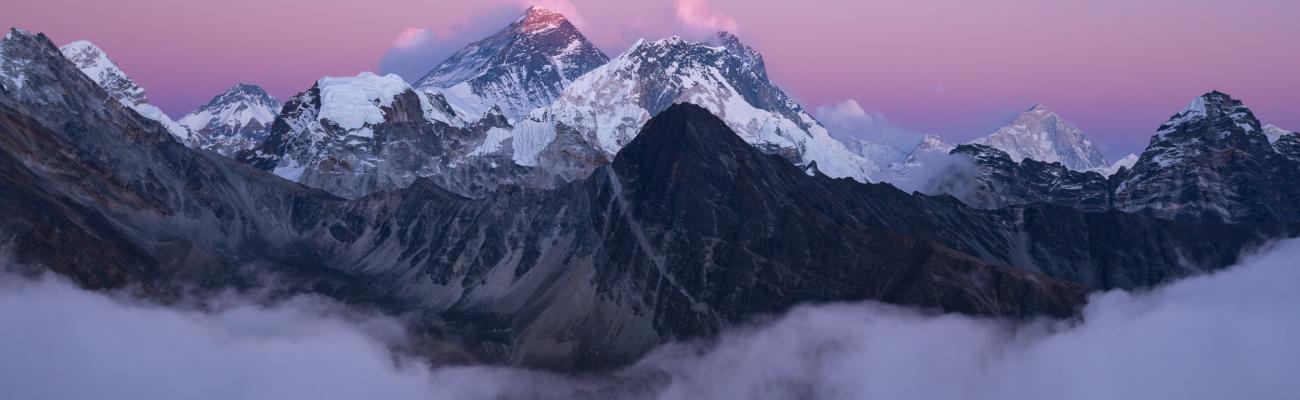
Despite the fame of Mount Everest, there are many other mountains in the Himalaya Range which make the appearance of the area even more fascinating. In case of good weather, you will be able to see several snow-capped mountains while traveling through the Khumbu area.
- Mount Everest: At 8,848.86 meters, Mount Everest is the world's highest mountain above sea level and the main attraction of the helicopter tour.
- Lhotse: Rising to 8,516 meters, Lhotse is the world's fourth-highest mountain and is located immediately south of Mount Everest.
- Nuptse: Located close to Mount Everest and Everest Base Camp, Nuptse is a striking mountain peak that forms an impressive part of the Khumbu skyline.
- Ama Dablam: Known for its distinctive pyramid-shaped peak, Ama Dablam is one of the most recognizable mountains in the Everest region.
- Makalu: Rising to 8,485 meters, Makalu is another eight-thousand-meter peak that may be visible during the flight in clear weather.
- Other Himalayan Peaks: Depending on the flight route and visibility, you may also see additional peaks and mountain ranges across the Everest region.
The mountain ranges that would come into view entirely depend upon the weather conditions and your flying route.
Everest Region Helicopter Landing
A permitted landing at a designated location in the Everest region can add a memorable ground experience to an already spectacular helicopter flight. Depending on weather, safety, aviation regulations, and operational conditions, the helicopter may make a permitted landing at a designated location in the Everest region.
From the landing site, you can appreciate the Himalayan landscape from a completely different perspective. The surrounding glaciers, rugged terrain, towering peaks, and deep valleys create exceptional scenery for photography.
It's important to understand that landing conditions are often not predictable due to the dependence on weather and safety issues in high-altitude flights. The pilot and operator will determine whether a landing is possible based on weather, safety, aviation regulations, and operational conditions on the day of the flight.
Please note that a helicopter tour provides a brief aerial and high-altitude experience, whereas an Everest Base Camp trek involves several days of walking through the Khumbu region and acclimatizing to increasing elevations.
From the landing site, you can appreciate the Himalayan landscape from a completely different perspective. The surrounding glaciers, rugged terrain, towering peaks, and deep valleys create exceptional scenery for photography.
It's important to understand that landing conditions are often not predictable due to the dependence on weather and safety issues in high-altitude flights. The pilot and operator will determine whether a landing is possible based on weather, safety, aviation regulations, and operational conditions on the day of the flight.
Please note that a helicopter tour provides a brief aerial and high-altitude experience, whereas an Everest Base Camp trek involves several days of walking through the Khumbu region and acclimatizing to increasing elevations.
Kala Patthar Helicopter Tour Experience
Kala Patthar is renowned for its panoramic views of Mount Everest and the surrounding Himalayan peaks. A helicopter tour to this region provides an easier way to enjoy spectacular mountain views without trekking for several days to reach the viewpoint.
If a landing is permitted at or near Kala Patthar, visitors can enjoy panoramic views of Mount Everest, Nuptse, Lhotse, glaciers, and the surrounding Himalayan landscape. If a landing is permitted, stepping out at such a high elevation provides a memorable opportunity to experience the Himalayan landscape from the ground.
The high altitude activities conducted in this region have to take into account the elevation and the variable climatic conditions prevailing in this region. This is why there may be variation in terms of landing possibilities and stay time depending on the weather conditions of the particular day.
Photography enthusiasts can also enjoy the scenery provided by the snow-capped mountains, glaciers, valleys, and Himalayan horizon.
If a landing is permitted at or near Kala Patthar, visitors can enjoy panoramic views of Mount Everest, Nuptse, Lhotse, glaciers, and the surrounding Himalayan landscape. If a landing is permitted, stepping out at such a high elevation provides a memorable opportunity to experience the Himalayan landscape from the ground.
The high altitude activities conducted in this region have to take into account the elevation and the variable climatic conditions prevailing in this region. This is why there may be variation in terms of landing possibilities and stay time depending on the weather conditions of the particular day.
Photography enthusiasts can also enjoy the scenery provided by the snow-capped mountains, glaciers, valleys, and Himalayan horizon.
Weather and Flight Conditions
The weather will play an important role in each Everest Helicopter Tour. Changing weather conditions can significantly affect flight schedules, visibility, routes, and landing possibilities.
Clear weather provides the best opportunity to see Mount Everest and the surrounding peaks, although visibility can still change rapidly in the mountains. However, even in cases when the helicopter is able to fly, the cloud cover might partially obstruct the view of the peaks or make it difficult to see above certain altitudes.
Poor weather may result in a delayed or rescheduled flight, a change in route, cancellation of a planned landing, or cancellation of the flight altogether. A previously scheduled landing might also be affected by unfavorable weather conditions.
Therefore, one should make sure that his/her schedule remains flexible in case of such tours. It will also be reasonable to avoid tight connections right after the tour.
Clear weather provides the best opportunity to see Mount Everest and the surrounding peaks, although visibility can still change rapidly in the mountains. However, even in cases when the helicopter is able to fly, the cloud cover might partially obstruct the view of the peaks or make it difficult to see above certain altitudes.
Poor weather may result in a delayed or rescheduled flight, a change in route, cancellation of a planned landing, or cancellation of the flight altogether. A previously scheduled landing might also be affected by unfavorable weather conditions.
Therefore, one should make sure that his/her schedule remains flexible in case of such tours. It will also be reasonable to avoid tight connections right after the tour.
Safety During the Everest Helicopter Tour
Safety is a major consideration when flying in the Everest region. High altitudes, challenging terrain, rapidly changing weather, and limited landing areas require careful planning and strict safety procedures.
Pilots and operators assess weather, visibility, aircraft conditions, and other operational factors before departure and continue monitoring conditions throughout the flight. If conditions become unfavorable, the pilot may alter the route, cancel a planned landing, delay the flight, or return to Kathmandu, depending on the circumstances.
You need to listen to all the instructions from the pilots and ground staff. These may include instructions regarding boarding, seating, baggage, movement around the helicopter, and photography.
Weather conditions may require changes to the flight route or planned landing. Such changes are necessary safety measures and are determined by the pilot and operator.
Pilots and operators assess weather, visibility, aircraft conditions, and other operational factors before departure and continue monitoring conditions throughout the flight. If conditions become unfavorable, the pilot may alter the route, cancel a planned landing, delay the flight, or return to Kathmandu, depending on the circumstances.
You need to listen to all the instructions from the pilots and ground staff. These may include instructions regarding boarding, seating, baggage, movement around the helicopter, and photography.
Weather conditions may require changes to the flight route or planned landing. Such changes are necessary safety measures and are determined by the pilot and operator.
Who Is the Everest Helicopter Tour Suitable For?
The Everest Helicopter Tour is an excellent option for travelers who want to experience Mount Everest without undertaking a challenging multi-day trek. Visitors having less time in Nepal can visit the Everest region and then return to Kathmandu in one single day.
This can be an excellent option for travelers who do not want to undertake the prolonged walking and acclimatization required for a high-altitude trek. Unlike the multi-day trek from Lukla to Everest Base Camp, the tour involves minimal physical exertion, although passengers may still experience rapid exposure to high altitude during a permitted high-altitude landing.
Families, couples, adventure seekers, photographers, and first-time visitors to Nepal can all enjoy this experience. This excursion is adventurous and does not involve much preparation regarding trekking.
While the physical exertion will be minimal, visitors must note that landing zones in this tour are present at higher altitudes. Travelers with medical conditions or concerns about rapid exposure to high altitude should consult a qualified medical professional before undertaking the tour.
This can be an excellent option for travelers who do not want to undertake the prolonged walking and acclimatization required for a high-altitude trek. Unlike the multi-day trek from Lukla to Everest Base Camp, the tour involves minimal physical exertion, although passengers may still experience rapid exposure to high altitude during a permitted high-altitude landing.
Families, couples, adventure seekers, photographers, and first-time visitors to Nepal can all enjoy this experience. This excursion is adventurous and does not involve much preparation regarding trekking.
While the physical exertion will be minimal, visitors must note that landing zones in this tour are present at higher altitudes. Travelers with medical conditions or concerns about rapid exposure to high altitude should consult a qualified medical professional before undertaking the tour.
How Long Does the Everest Helicopter Tour Take?
The tour is a one-day program that takes you from Kathmandu to the Everest region and back without requiring an overnight stay in the mountains. The total flight time and schedule can vary depending on the flight route, weather, visibility, operational conditions, and any permitted landing arrangements. The time spent at a high-altitude place may also vary depending on certain things.
- Within a single day, you can travel from the Kathmandu Valley into the Himalayan region, enjoy views of some of the world's highest peaks, and return to the capital.
- Passengers should allow some flexibility around their planned schedule because Himalayan weather can result in changes to departure or return times. This is particularly important if you have another flight or time-sensitive activity planned on the same day.
Responsible Tourism
Nepalaya Treks believes that exploring the Everest region should go hand in hand with protecting its natural environment and respecting the communities that call the Himalayas home. Although helicopter tours do not involve the same impact on trekking trails as trekking activities, responsible tourism practices remain important when visiting the Everest region, local communities, and protected areas.
- Dress up adequately when going to the local villages, monasteries, and cultural sights and always seek permission before taking photos of local residents.
- Use a refillable water bottle and fill it with water as often as possible instead of using disposable water bottles made of plastic.
- Properly dispose of all trash in proper containers so that you do not litter the mountains.
- Do not disturb the natural surroundings while visiting the Everest area.
- Purchase locally made products, food, and souvenirs where appropriate to support local businesses and communities.
- Avoid unnecessary consumption of water, electricity, fuel, and other resources when visiting Himalayan communities.
- If you encounter animals during a ground stop, maintain a safe distance and never attempt to approach, feed, or disturb them.
- Follow the instructions of your pilot, guide, and local authorities regarding environmental protection and responsible tourism.
- Leave mountain viewpoints, local communities, and surrounding territories just the way you have found them.
- Follow the instructions of your helicopter crew regarding landing sites, photography, moving around the aircraft, and forbidden territories.
Group Size
The Everest Helicopter Tour can be arranged for solo travelers, couples, families, groups of friends, or private groups, subject to helicopter capacity and operational requirements.
Group arrangements are subject to aircraft capacity, passenger weight limits, and operational requirements.
Group arrangements are subject to aircraft capacity, passenger weight limits, and operational requirements.
- Couples, families, friends, and private groups can request suitable arrangements subject to availability and aircraft capacity.
- The number of passengers and baggage allowance will be decided according to the capacity of the helicopter.
- Passenger and baggage weights are considered when arranging seats and determining the aircraft's operating load.
- Ground crew as well as the helicopter crew will assist you during the check-in, boarding, landing, and returning process.
- Departure times, seating arrangements, routes, and landing locations may be adjusted by the operator according to weather, aircraft capacity, safety requirements, and operational conditions.
- Pilots as well as operators have the right to decide the flight route and landing arrangement in accordance with the prevailing conditions.
Trip Highlights
- One Day Experience to Everest: Enjoy a one-day experience in the Everest region, making this tour ideal for travelers who have limited time for a multi-day Everest trek.
- Photographic Moments: Capture amazing photographs of Mount Everest, glaciers, valleys and the amazing scenery of the Himalayas from the helicopter and landing site.
- Beautiful Scenes of Khumbu Valley: Observe the magnificent scenes of Khumbu Valley, which is made up of glaciers, mountains and Sherpa villages.
- Himalayan Giants: Enjoy spectacular views of Himalayan giants such as Lhotse, Nuptse, Ama Dablam, Makalu, and Mount Everest, depending on weather conditions and the flight route.
- Everest Region and Kala Patthar: Enjoy aerial views of Everest Base Camp, Kala Patthar, and the surrounding Himalayan landscape, with a possible permitted landing at a designated high-altitude location, subject to weather, safety, aviation regulations, and operational conditions.
- Aerial Tour of Mount Everest: Enjoy spectacular aerial views of Mount Everest and the surrounding Himalayan peaks without undertaking a multi-day trek.
- Scenic Helicopter Ride: Take flight from Kathmandu in the direction of the Everest region and see the beautiful sights of the mountains, valleys, glaciers, and the Himalayan villages of Nepal.
Itinerary
Day 1: Scenic Helicopter Flight to Everest Base Camp and Back to Kathmandu
The Everest Helicopter Tour begins early in the morning with a transfer from your hotel to the designated helicopter departure point in Kathmandu. After completing the necessary preparations, you board the helicopter and fly toward the Everest region, enjoying views of changing landscapes, deep valleys, mountain villages, and snow-capped peaks along the way.
As your helicopter enters the Khumbu region, you have an unforgettable sight of some of the world's highest mountains. These include Mount Everest, Lhotse, Nuptse, Makalu, and several other impressive Himalayan peaks. You will fly toward the Everest region, with the exact route and any permitted landing location determined by weather, safety, aviation regulations, and operational conditions. Once you reach the Everest region, you can admire Mount Everest, surrounding glaciers, and other Himalayan peaks while enjoying excellent opportunities for photography.
After enjoying the Himalayan scenery and completing any permitted ground stop, you board the helicopter for the return flight to Kathmandu, where you can enjoy another perspective of the Khumbu landscape during the flight before landing in Kathmandu. Once you reach Kathmandu, this one-day journey ends.
Since this is a one-day journey, the Everest Helicopter Tour is ideal for travellers who want to experience Everest without taking a multi-day journey.
- Maximum Elevation: Approximately 5,545 m at Kala Patthar, subject to the flight route and permitted landing arrangements.
- Duration: 1 Day
- Difficulty: Easy
- Meals: As per the selected tour package
Inclusion / Exclusion
Inclusion
- Ground transfer between your Kathmandu hotel or airport and the designated helicopter departure point, where included in the package.
- Flight in the helicopter from Kathmandu to the Everest region and back to Kathmandu.
- Aerial sightseeing flight over the Everest region including the sights of Mount Everest, Lhotse, Nuptse, Ama Dablam and other mountains of the Himalayas.
- Permitted landing at a designated location in the Everest region, subject to weather, safety, aviation regulations, and operational conditions.
- Applicable permits, entry fees, and government charges required for the tour, where applicable, along with helicopter flight services provided by a qualified pilot.
- Applicable taxes and service charges.
- Standard emergency procedures and assistance provided by the helicopter crew during the flight.
Exclusion
- The cost of international air tickets to and from Nepal.
- Nepal visa fees and accommodation in Kathmandu, unless specifically included in the package.
- Food and beverage except where mentioned in the package.
- Shopping costs, food, drinks, phone calls and any other personal expenses.
- Travel and health insurance.
- Emergency evacuation or rescue costs not covered by travel insurance.
- Personal clothing, equipment, camera gear, and other personal expenses.
- Tips for the pilot, ground crew and any other personnel.
- Transport and accommodation if any due to delay/cancellation/weather conditions and other unexpected situations.
- Additional expenses resulting from itinerary changes or services requested by the traveler.
Check List
Packing for an Everest Helicopter Tour is simpler than preparing for an Everest Trek, but you should still be prepared for cold, windy, and high-altitude conditions. The temperatures around the Everest area may be quite lower than those in Kathmandu, especially when the helicopter lands at or close to Kala Patthar or Everest Base Camp. Pack lightweight layers as well as other essentials to make the most of your trip to Everest.
Clothing
- Moisture-wicking T-shirt or base layer
- Thermal inner layer
- Fleece jacket or warm sweater
- Lightweight down or insulated jacket
- Windproof and warm outer jacket
- Comfortable trekking pants
- Warm thermal pants
- Comfortable underwear
- Warm socks
- Warm gloves
- Sun hat or cap
- Warm woolen hat or beanie
- Buff or neck gaiter
- Sunglasses with UV protection
Footwear
- Comfortable and warm walking shoes or trekking boots
- Lightweight spare shoes or sandals
- Spare shoelaces
- Warm socks
Tour and High-Altitude Essentials
- Small daypack
- Reusable water bottle
- Sunglasses with strong UV protection
- Sunscreen with high SPF
- Lip balm with SPF
- Small personal towel
- Headlamp or small flashlight
- Hand warmers
- Lightweight rain or wind protection
- Dry bag or waterproof packing bag
- Small camera bag
Personal and Health Items
- Personal medications
- Basic first aid supplies
- Bandages and blister treatment
- Hand sanitizer
- Personal toiletries
- Wet wipes
- Tissues and toilet paper
- Electrolyte or rehydration packets
- Energy bars, nuts, chocolate, or other light snacks
- Motion sickness medication if required
Documents and Electronics
- Passport
- Nepal visa and travel documents
- Travel insurance documents
- Copies of important documents
- Mobile phone
- Camera
- Power bank
- Charging cables
- Universal travel adapter
- Extra camera batteries
- Extra memory cards
- Optional Items
- Earplugs
- Small binoculars
- E-reader or small book
- Zip-lock bags
- Waterproof phone pouch
- Portable hand warmer
- Lightweight neck pillow
- Small notebook and pen
Trip FAQs
-
1. Is the Everest Helicopter Tour suitable for beginners?
Yes. No trekking or mountaineering experience is required because this is primarily a sightseeing flight. However, you should be prepared for cold temperatures and the effects of rapid exposure to high altitude, particularly if the tour includes a ground stop at a high-elevation location. -
2. Do I need to prepare physically for the Everest Helicopter Tour?
No. Intensive physical training is generally unnecessary for this sightseeing tour. However, you should be comfortable with short periods of walking and standing, particularly if the tour includes a landing or ground stop. You must stay hydrated, get plenty of rest, and dress properly. -
3. What documents do I need for the Everest Helicopter Tour?
You should carry your passport, valid Nepal visa or other required travel documents, travel insurance details, and any documents requested by the tour operator. In addition, having digital copies of all these documents will prove to be helpful. Nepalaya Treks will be able to advise you about all the needed permits and documents. -
4. How long does the Everest Helicopter Tour last?
It is a one-day trip from Kathmandu to Kathmandu. Duration may depend on a number of factors like flight path, weather, etc. You will need to have a flexible schedule because the weather in the mountains sometimes changes unexpectedly. -
5. What is the highest altitude that can be achieved during the Everest Helicopter Tour?
The tour may reach elevations of around 5,500 meters, depending on the flight route and any permitted high-altitude landing location. Kala Patthar is approximately 5,545 meters above sea level, while Everest Base Camp is approximately 5,364 meters. -
6. Can the helicopter land near Everest Base Camp?
A landing at a designated location in the Everest region may be possible depending on weather, safety, aviation regulations, and operational conditions, but no specific landing location is guaranteed. -
7. What mountains can I see on the tour?
Mount Everest would be the primary focus, but there are also other breathtaking views of Himalayan mountains such as Lhotse, Nuptse, Ama Dablam, and even Makalu under clear weather conditions. Other sights include glaciers, valleys, mountain villages, and the rough terrains of the Himalayan mountains. -
8. Is accommodation in the Everest region necessary?
No. Since the Everest Helicopter Tour is completed within one day, you do not need to take any overnight stay in the Everest region. You may make your accommodation arrangements in Kathmandu both before and after the tour. -
9. Are meals provided during the Everest Helicopter Tour?
Meals provided are dependent on the tour package that you book. Since this tour is completed in one day, it is good to find out about meals before booking the tour package. -
10. Is there provision for water during the tour?
It is advisable to carry a reusable water bottle and stay hydrated throughout the tour. Carry a reusable water bottle and bring sufficient water for the tour, as opportunities to refill may be limited. -
11. Is the Everest Helicopter Tour Safe?
Pilots and helicopter operators assess weather, visibility, altitude, terrain, aircraft condition, and other operational factors when planning and conducting the flight. Pilots and operators monitor conditions along the flight and may decide to alter the route or cancel a landing in case of necessity. It is vital to listen to the instructions from the pilot and ground crew. -
12. Can I experience Altitude Sickness while taking a helicopter tour?
Travelers can experience symptoms related to rapid exposure to high altitude even during a short visit, particularly when reaching elevations above 5,000 meters without gradual acclimatization. -
13. Is Travel Insurance Necessary for the Everest Helicopter Tour?
Travel insurance is highly recommended while traveling to Nepal. Your insurance should ideally cover medical expenses, emergency evacuation, trip cancellation or interruption, flight delays, and activities at high altitude, subject to the policy terms. Read your policy carefully in order to check whether it includes coverage for helicopter evacuation and high-altitude activities. -
14. What if Weather Conditions Are Not Good?
Mountain weather can change rapidly, and adverse conditions may cause flight delays, route changes, cancellation of a planned landing, or cancellation of the flight. The pilots and operators decide about that depending on the current weather and safety conditions. Therefore, it is recommended to keep a flexible schedule and avoid scheduling an immediate connection with your next destination. -
15. What should I pack for the Everest Helicopter Tour?
Layered warm clothes, insulation jacket, gloves, warm hat, comfortable shoes, sunglasses, sunscreen, medications and a water bottle. It is also advisable to bring a camera or a phone, as this trip includes great photography opportunities. One should remember the weight restrictions in helicopters and carry only essential things. -
16. Do I Need Trekking Equipment for the Helicopter Tour?
No. One doesn't require a huge amount of equipment as in a trek, as you won't stay in the mountains for days. Warm layered clothing, suitable footwear, sunglasses, sunscreen, and other basic personal essentials are generally sufficient for a short tour. If a high-altitude ground stop is planned, additional warm clothing may be useful because temperatures can be significantly lower than in Kathmandu. -
17. Will I be able to carry my large bag/suitcase?
It is recommended that you travel light and carry only a small day pack. Helicopters have strict passenger and baggage weight limits, and the amount of luggage permitted may vary according to the aircraft and operating conditions. Your operator will give you the details of luggage regulations prior to your tour. -
18. Do I have a guide for the Everest Helicopter Tour?
A standard helicopter tour is generally operated by the helicopter crew and ground staff rather than a trekking guide. The ground staff helps you with transfers, check-in, boarding, and other arrangements while the pilot controls the flight. In case you book the private or customized package that includes guiding services, you will get it. -
19. Can I take photos during the flight?
Yes. Photography is one of the main attractions of the tour, and you can capture views of mountains, glaciers, valleys, and villages from the helicopter. However, always follow the pilot and crew's instructions regarding photography and movement inside or around the helicopter. -
20. What is the best season for the Everest Helicopter Tour?
Spring from March to May and autumn from September to November are considered the best seasons. They usually offer good visibility of mountains and better weather conditions. But winter and monsoon flights are also possible. Snow, clouds, rain, wind, and low visibility may affect the flight. -
21. Do I have Wi-Fi or mobile connectivity during the tour?
It is unlikely that you will have a good connection throughout the tour. Mobile connectivity may be limited or unavailable in parts of the Everest region. As the tour takes place during the day, it is better to download everything needed before the tour and enjoy the flight without internet access. -
22. Can I charge my electronic devices while in the helicopter?
Do not rely on charging facilities being available inside the helicopter. Fully charge your phone and camera before departure and carry a power bank if permitted. It would be best if you charged your phone, camera, and other electronic devices beforehand. Carry a fully charged power bank and spare camera batteries if permitted, especially if you plan to take many photos or videos. -
23. Is it possible to customize the Everest Helicopter Tour?
Yes, private or customized helicopter arrangements may be possible depending on aircraft availability, weather, operational restrictions, and your preferred schedule. You can customize your flights depending upon your preferences, such as your choice of helicopter, transport arrangements, number of people traveling with you, and so forth. -
24. Can I go for a helicopter tour even when I do not wish to trek?
Yes. Not wanting to trek is perhaps one of the major reasons why most people prefer going for a helicopter tour. With a helicopter tour, you can experience the Everest region from the air and may have the opportunity for a permitted high-altitude landing without trekking to Everest Base Camp over several days -
25. Is the Everest Helicopter Tour suitable for families?
Yes. Families can enjoy the tour provided all passengers meet the operator's safety and flight requirements. If the tour involves a high-altitude landing, parents should consider whether their children can safely tolerate helicopter travel and rapid exposure to high altitude, in accordance with the operator's requirements. -
26. What is the difference between the Everest Helicopter Tour and the Everest Base Camp Trek?
An Everest Helicopter Tour provides a short, convenient way to experience the Everest region primarily by air, usually within a single day. In contrast, the Everest Base Camp Trek is a multi-day trekking adventure involving several days of walking, acclimatization, and overnight stays in teahouses or lodges throughout the Khumbu region.
.jpg "everest view")
Video
All Inclusive Cost
USD 1350
Per Person
BOOK NOW QUICK ENQUIRY- Best Price Guarantee
- Hassle-Free Booking
- Team of highly experienced Experts
You may also like !!
Our Best Selling Packages You May Like.