Upper Dolpo Trek – 26 Days
Overview
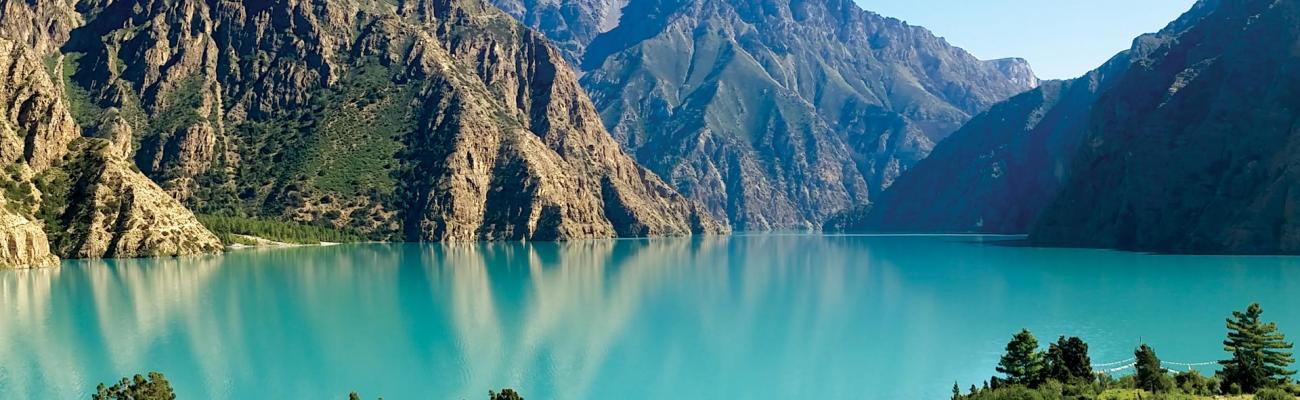
Upper Dolpo is one of the most remote and less-explored regions of Nepal, located close to the Tibetan Plateau. Far from busy towns and modern development, the region offers peaceful trails, rugged mountains, traditional villages, and a unique Himalayan landscape. The Upper Dolpo Trek is ideal for trekkers who want to experience the quieter and more traditional side of Nepal. Upper Dolpo is a restricted trekking region, so special permits are required to enter the area. This region is protected by Shey Phoksundo National Park and is well known for its natural beauty, traditional Buddhist culture, and remote settlements. One of the main attractions of the trek is the beautiful Phoksundo Lake at 3,600 meters, known for its clear blue-green water and dramatic mountain surroundings. The trek also offers opportunities to experience the Tibetan-influenced culture and lifestyle of the Dolpo communities. Along the route, you will pass traditional villages, ancient monasteries, green forests, dry valleys, alpine meadows, and high mountain landscapes. Remote environment of the region also provides a chance to spot wildlife such as blue sheep and Himalayan musk deer. Upper Dolpo Trek begins with a flight from Nepalgunj to Juphal, followed by the trek toward Dunai and deeper into the Dolpo region.
What to Expect on UPPER DOLPO TREK
The Upper Dolpo Trek takes you through one of the most remote and peaceful parts of Nepal. You will walk through high mountain trails, deep valleys, traditional villages, and beautiful natural landscapes. This trek also gives you the chance to experience local Tibetan-influenced culture and visit ancient monasteries. As the route is remote, you should be prepared for long walking days and basic facilities.
- Expect quiet trails with fewer trekkers, rugged paths, steep sections, and long walking days through the remote Dolpo region.
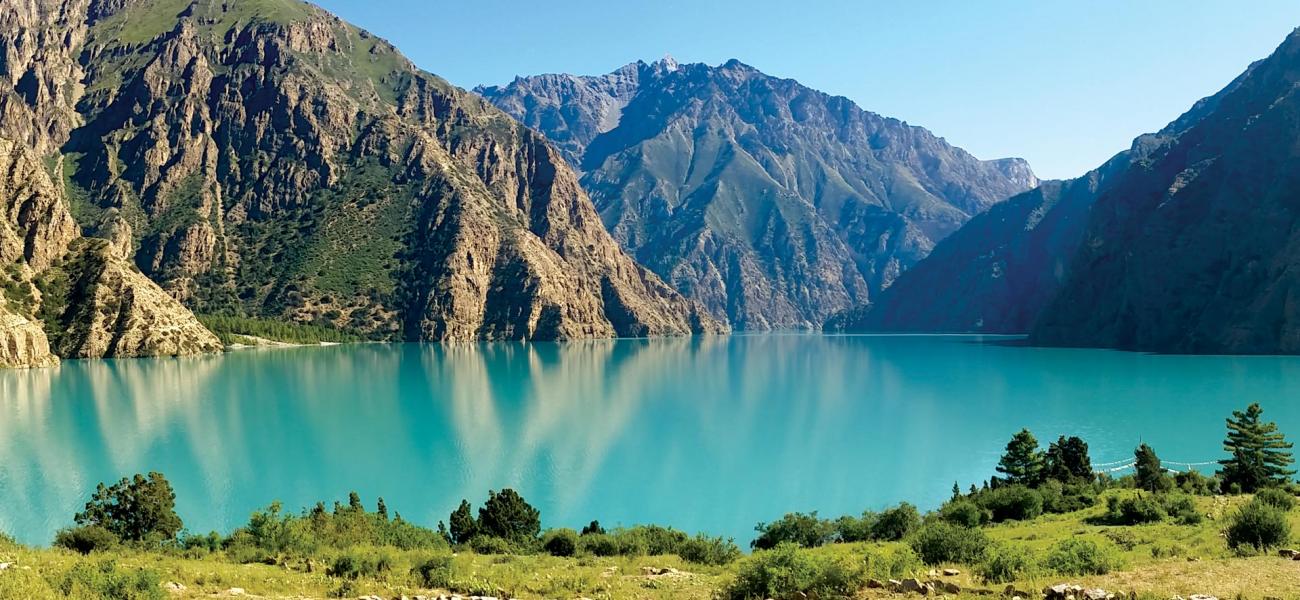
- Visit the famous Phoksundo Lake at 3,600 meters and enjoy its clear blue-green water surrounded by mountains and rocky cliffs.
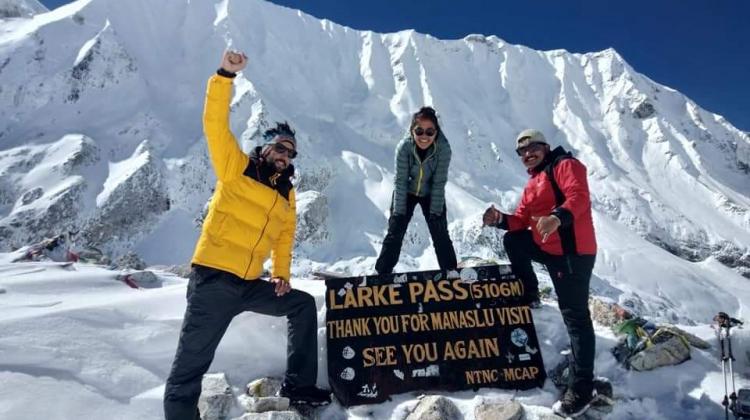
- Cross challenging passes such as Kang La Pass and Chharka La Pass, with changing weather and high-altitude terrain.
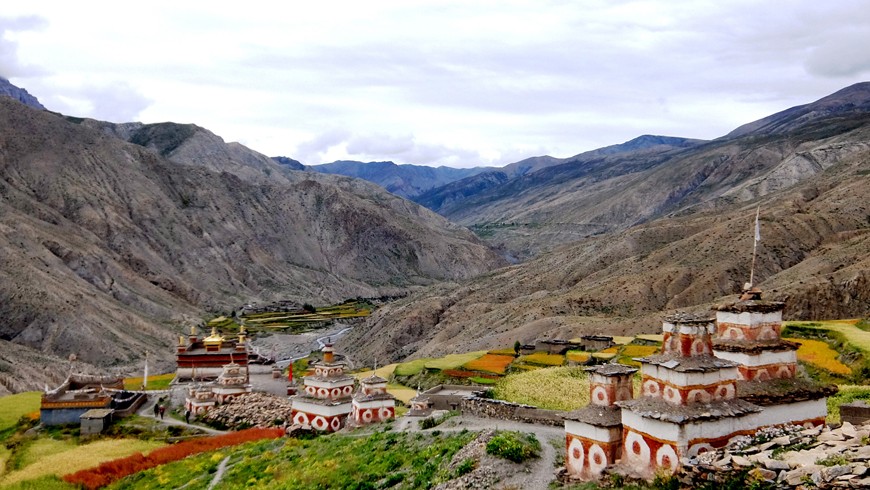
- Walk through villages such as Saldang, Shimen, Tinje, and Chharka Bhot and see the traditional lifestyle of local communities.
- Visit old Buddhist monasteries and gompas, including Shey Gompa, and learn more about the spiritual traditions of the region.
- Experience local customs, prayer flags, traditional houses, and the simple lifestyle influenced by Tibetan culture.
- Stay in simple local teahouses with basic facilities, services become more limited as you travel deeper into the remote areas.
- Be ready for several hours of walking each day, including steep climbs, rocky trails, and high-altitude sections.
- Mountain weather can change quickly, especially near the high passes, so warm and waterproof clothing is important.
- Mobile networks, internet, electricity, and other modern facilities may be limited or unavailable in some parts of the trek.
- You may see Himalayan wildlife such as blue sheep and musk deer while walking through forests, valleys, alpine meadows, and dry mountain landscapes.
Extra Highlights of the UPPER DOLPO TREK
Upper Dolpo Trek offers many unique experiences beyond the main trekking route. You can explore protected natural areas, observe local traditions, and enjoy the peaceful surroundings of remote mountain villages. The journey also allows you to discover small cultural and natural attractions that make the trek more special.
- Explore Shey Phoksundo National Park and its diverse landscapes, forests, and mountain ecosystems.
- Visit the impressive Phoksundo Waterfall near Ringmo Village.
- Explore the traditional Ringmo Village and see its unique stone houses, chortens, and prayer flags.
- Observe the daily lifestyle of local communities living in remote mountain villages.
- Walk through peaceful valleys and open landscapes with very few tourists around.
- See traditional mani walls, prayer wheels, chortens, and other Buddhist features along the trail.
- Experience the changing landscapes from green meadows and forests to dry valleys and rocky mountain terrain.
- Enjoy clear mountain skies and peaceful surroundings away from busy towns and cities.
- Get opportunities to observe Himalayan wildlife in its natural surroundings.
- Experience seasonal changes in the landscape, including alpine flowers, green hills, and snow-covered trails.
- Meet local people and learn about their traditional work, customs, and mountain lifestyle.
Best Time for UPPER DOLPO TREK
The best time for the Upper Dolpo Trek is from May to October, when the weather is generally more suitable for trekking in this remote region. Unlike many other areas of Nepal, Upper Dolpo lies in the rain-shadow region of the Himalayas, so it receives less monsoon rainfall. Spring and autumn are the most popular periods for comfortable trails and better mountain views.
1.Spring (March–May)
Spring brings mild weather, clear mountain views, and colorful alpine flowers. The lower areas become greener, while the higher trails may still have some snow. May is a particularly good month as the weather becomes warmer and the high passes are more accessible.
2. Summer (June–August)
Summer is also a good season for Upper Dolpo because the region receives less rainfall than many other parts of Nepal. The trails are usually suitable for trekking, and the landscape around the valleys and meadows looks more lively during this period.
3. Autumn (September–November)
Autumn offers stable weather, clear skies, and good visibility of the surrounding mountains. September and October are among the best months for the trek. The trails are generally dry, making it easier to cross the high mountain passes.
4. Winter (December–February)
Winter is not recommended for the Upper Dolpo Trek because temperatures become very cold and heavy snow can make high passes and remote trails difficult to cross. Many teahouses may also remain closed during the colder months.
Accommodation and Meals during UPPER DOLPO TREK
Accommodation during the Upper Dolpo Trek is simple and comfortable, keeping in mind the remote nature of the region. You will stay in comfortable hotels in Kathmandu and Nepalgunj before and after the trek. During the trekking days, accommodation is mainly in local teahouses with basic facilities. Meals are provided throughout the trek to keep you energized for the long walking days. As you travel into more remote areas, food choices and modern facilities may become limited.
- Stay in a comfortable 3-star hotel in Kathmandu and Nepalgunj.
- Stay in simple local teahouses during the trekking days.
- Teahouse rooms generally have basic beds, mattresses, blankets, and shared bathrooms.
- Breakfast, lunch, and dinner are provided during the trek.
- Meals usually include dal bhat, rice, noodles, pasta, potatoes, vegetables, soups, eggs, and Tibetan-style bread.
- Vegetarian food is available, while special dietary requirements should be informed in advance.
- Food choices may be more limited in the remote sections of Upper Dolpo.
- Hot showers, electricity, Wi-Fi, and charging facilities may not be available at every teahouse.
- Drinking water can be arranged along the trail, and trekkers should carry a reusable water bottle.
- Safe drinking water should be treated with purification tablets, a filter, or another suitable method when necessary.
UPPER DOLPO TREK: What Makes It Popular?
This trek is popular among trekkers who want to explore a remote and less-developed part of Nepal. Upper Dolpo trek journey combines natural beauty, local traditions, ancient Buddhist heritage, and a sense of adventure. Its long and less-crowded trails make the trek different from many popular routes in Nepal. The unique landscapes and traditional lifestyle of Dolpo attract travelers looking for a quieter Himalayan experience.
- The trek takes you into a remote region where modern development and busy tourist trails are still limited.
- Its location near the Tibetan Plateau gives the region a distinct landscape and cultural character.
- The route passes through both dry mountain terrain and greener valleys, creating a variety of scenery throughout the journey.
- The traditional lifestyle of local communities offers a chance to see how people live and work in high mountain settlements.
- Ancient Buddhist traditions, monasteries, chortens, and prayer walls add a strong cultural element to the journey.
- The long trekking route allows travelers to explore different parts of Upper Dolpo rather than staying in one valley.
- The region is part of the Shey Phoksundo National Park, offering opportunities to experience its natural environment and wildlife.
- The trek provides a real sense of adventure because of its remote location, limited facilities, and challenging mountain trails.
- Upper Dolpo is ideal for experienced trekkers who want to explore a quieter and less-commercialized side of the Nepal Himalayas.
Culture Experience on the UPPER DOLPO TREK
Upper Dolpo Trek offers a close look at the traditional culture and lifestyle of people living in the remote Himalayan region. The communities here have strong Tibetan cultural and Buddhist influences that can be seen in their daily lives. As you walk through different villages, you can observe local customs, traditional homes, religious practices, and ways of living. This journey gives you a chance to experience a culture that has remained closely connected to the mountains.
- Meet local people and observe their simple daily lifestyle in remote mountain villages.
- See traditional stone houses and settlements built to suit the cold and dry mountain environment.
- Visit Buddhist monasteries and gompas that hold an important place in local community life.
- See prayer flags, prayer wheels, mani walls, chortens, and other Buddhist symbols along the trail.
- Learn about local customs and traditions passed down through generations.
- Observe traditional farming and livestock practices used by mountain communities.
- Experience the Tibetan influence in local food, clothing, architecture, and religious practices.
- Get opportunities to interact with local families and learn about their everyday life.
- Experience local festivals and religious activities if they take place during your visit.
- Respect local customs, religious sites, and community traditions while exploring the region.
Altitude and Acclimatization for the UPPER DOLPO TREK
Proper acclimatization is essential on the Upper Dolpo Trek as the route takes you to high-altitude areas. The highest point of the trek is Kang La Pass at 5,345 meters, where the air is much thinner than at lower elevations. This itinerary includes rest and acclimatization days to help your body adjust gradually to the increasing altitude. Walking at a steady pace, staying hydrated, eating well, and listening to your body can make the trek safer and more comfortable.
- The trek gradually moves from lower areas to higher elevations, giving your body time to adjust.
- Kang La Pass at 5,345 meters is the highest point of the Upper Dolpo Trek.
- You will have an acclimatization and exploration day at Phoksundo Lake before heading toward higher elevations.
- Another rest day is planned at Shey Gompa to help your body adjust before continuing to higher mountain trails.
- Walk slowly and maintain a comfortable pace, especially when crossing high passes.
- Drink plenty of water throughout the day to stay hydrated at high altitude.
- Avoid alcohol and smoking during the trek as they can make altitude adjustment more difficult.
- Eat regular, nutritious meals to maintain energy during long walking days.
- Watch for symptoms such as headache, dizziness, nausea, unusual tiredness, or shortness of breath.
- If altitude sickness symptoms become serious or get worse, inform your guide immediately and follow their advice.
Difficulty Level of UPPER DOLPO TREK
With high-altitude trails and long walking days, the trek requires proper preparation, good stamina, and a reasonable level of fitness. The route passes through remote areas, long walking trails, steep climbs, and high mountain passes. Some days involve several hours of walking at high altitudes, where the weather and terrain can be unpredictable. Previous trekking experience is helpful, although experienced trekkers with proper preparation can also take on this journey.
- The trek involves long walking days, with several hours of hiking on most trekking days.
- The route includes steep uphill and downhill sections, rocky trails, narrow paths, and uneven terrain.
- Crossing high passes such as Kang La Pass at 5,345 meters makes some sections physically demanding.
- The remote nature of Upper Dolpo means basic facilities and medical services are limited along the trail.
- Proper acclimatization is important because the trek reaches high elevations.
- Good cardiovascular fitness and regular walking or hiking practice can help you prepare.
- Carrying a comfortable backpack and using trekking poles can make walking easier on difficult sections.
- Mental preparation is also important because of the long duration, remote surroundings, and changing weather.
- The trek is best suited to trekkers who are comfortable with long-distance hiking and basic mountain conditions.
Permits Required for UPPER DOLPO TREK
As Upper Dolpo has restricted access, trekkers must arrange the required permits before beginning their journey. Trekkers also need an entry permit for Shey Phoksundo National Park. These permits are normally arranged by a registered trekking agency before the trek, as the restricted-area permit is issued through an authorized agency.
1. Upper Dolpo Restricted Area Trekking Permit
The Upper Dolpo Restricted Area Trekking Permit is essential for entering the restricted areas of Upper Dolpo. It is obtained through an authorized trekking agency from the Department of Immigration in Kathmandu, as individual trekkers cannot apply for this permit themselves. The permit costs USD 500 per person for the first 10 days and USD 50 per person for each additional day. For a 26-day trek, the total cost is USD 1,300 per person, which is approximately NPR 197,938 based on an exchange rate of NPR 152.26 per USD. Your trekking agency will arrange the required paperwork and permit before the trek.
2. Shey Phoksundo National Park Entry Permit
The Shey Phoksundo National Park Entry Permit is required because the Upper Dolpo Trek passes through Shey Phoksundo National Park. Foreign trekkers need to pay NPR 3,000 per person per entry, which is approximately USD 19.70 depending on the current exchange rate. The permit can be obtained from the Tourist Service Center at Bhrikutimandap, Kathmandu, or designated park entry points. Your trekking agency can arrange this permit and complete the necessary paperwork before you begin the trek.
Insurance for the UPPER DOLPO TREK
Travel insurance is very important for the Upper Dolpo Trek because the route reaches high altitudes and passes through remote areas with limited access to hospitals and transportation. Your insurance should cover high-altitude trekking up to at least 6,000 meters, as the trek reaches 5,345 meters at Kang La Pass. It should also include emergency medical treatment and helicopter evacuation in case of serious illness, injury, or altitude-related problems. Before starting the trek, make sure your policy clearly mentions these benefits and keep a copy of the policy with you.
- Choose insurance that covers trekking at high altitudes of at least 6,000 meters.
- Make sure altitude sickness and other high-altitude medical problems are covered.
- Check that emergency helicopter evacuation is included in the policy.
- The policy should cover emergency medical treatment and hospital expenses.
- Look for coverage for emergency evacuation and repatriation if required.
- Check whether trip cancellation, interruption, or delays are included.
- Carry your insurance policy and emergency contact number during the trek.
- Share your insurance details with your trekking agency or guide before departure.
- Always check the policy exclusions and conditions before purchasing the insurance.
Why Choose This Itinerary?
This 26-day Upper Dolpo Trek itinerary is designed for travelers who want to explore one of Nepal’s most remote mountain regions in a well-planned way. It combines high mountain passes, remote villages, natural landscapes, and cultural experiences throughout the journey. The itinerary also includes rest days to help you adjust to the increasing altitude. With transportation, accommodation, meals, permits, guides, and porter services arranged, you can focus more on enjoying the trek.
- Explore Upper Dolpo through a carefully planned 26-day trekking route.
- Start the journey with scenic domestic flights to reach the remote Dolpo region.
- Visit important places such as Phoksundo Lake, Shey Gompa, Saldang, Chharka Bhot, and Dho Tarap.
- Cross challenging high passes, including Kang La Pass at 5,345 meters.
- Follow a gradual route with planned rest days for better acclimatization.
- Experience the traditional lifestyle and Tibetan-influenced culture of remote mountain communities.
- Enjoy the support of experienced guides and porters throughout the trek.
- Stay in local teahouses and experience simple mountain hospitality along the route.
- Travel with required permits, transportation, meals, and other essential arrangements included in the package.
- Enjoy a less-crowded trekking experience away from Nepal’s more commercial trekking routes.
Safety on the UPPER DOLPO TREK
Safety is an important part of the Upper Dolpo Trek because the route passes through remote areas, high mountain passes, and changing weather conditions. Proper preparation and following your guide’s instructions can help make the journey safer and more comfortable. Staying aware of your health, walking carefully, and carrying the right equipment are important throughout the trek.
- Trek with an experienced and licensed guide who knows the remote Upper Dolpo trails.
- Follow the planned itinerary and avoid taking unfamiliar routes on your own.
- Walk carefully on rocky, steep, and uneven sections of the trail.
- Stay hydrated and eat regular meals to maintain your energy.
- Inform your guide immediately if you feel unwell or notice any unusual symptoms.
- Carry necessary personal medicines and a basic first aid kit.
- Check weather conditions before crossing high mountain passes.
- Carry warm, waterproof clothing as mountain weather can change quickly.
- Keep your important documents, permits, money, and personal belongings safely stored.
- Carry a reliable headlamp and spare batteries for early morning or low-light walks.
- Have travel insurance that covers high-altitude trekking and emergency evacuation.
- Follow local customs and respect the environment, wildlife, monasteries, and local communities.
Responsible Tourism
Responsible tourism is important when trekking through a remote region like Upper Dolpo. The area has a unique natural environment, traditional communities, and important cultural sites that should be treated with care. Small actions from trekkers can help protect the region and support local people. Following responsible travel practices also helps keep the trekking route clean and enjoyable for future visitors.
- Avoid throwing plastic, food wrappers, or other waste along the trail.
- Carry reusable water bottles and avoid using unnecessary single-use plastics.
- Take your waste with you and dispose of it properly at available collection points.
- Respect local customs, traditions, religious places, and community rules.
- Ask for permission before taking photographs of local people, especially during religious activities.
- Avoid damaging plants, wildlife habitats, monasteries, chortens, mani walls, or other cultural sites.
- Use local teahouses, services, and products whenever possible to support the mountain communities.
- Follow marked trails and avoid disturbing wildlife or entering protected areas without permission.
- Use water and other local resources carefully, especially in remote villages.
- Keep noise levels low and help maintain the peaceful environment of the region.
- Respect your guides, porters, local residents, and fellow trekkers throughout the journey.
- Leave the mountains as you found them by taking only memories and leaving no unnecessary waste behind.
Group Size
The Upper Dolpo Trek is suitable for small groups, making it easier to manage the remote trails and travel comfortably. A smaller group also allows better communication with the guide and more personal support throughout the journey. You can join a group departure or choose a private trek with your family, friends, or travel companions.
- Group size can range from 2 to 10 trekkers.
- Small groups make it easier to maintain a steady pace on challenging trails.
- An experienced guide will lead and support the group throughout the trek.
- One porter is provided for every two trekkers to help carry the main luggage.
- An assistant guide is provided for every four trekkers for additional support.
- Smaller groups allow more flexibility during rest stops and difficult sections.
- Private departures are available for trekkers who prefer to travel with their own group.
- The group size can be discussed with Nepalaya Treks in advance based on your travel plans and requirements.
Private Departure Available By Deluxe Bus, Private Car, and Flight
Private departures are available for trekkers who prefer a more flexible and comfortable travel experience. You can choose your own departure date and travel with your family, friends, or a small private group. The transportation option can also be selected based on your comfort, schedule, and travel needs.
- Choose your preferred departure date instead of joining a fixed group.
- Travel privately with family, friends, couples, or your own small group.
- Choose a deluxe bus for comfortable overland travel on suitable routes.
- Choose a private car for more flexibility, comfort, and convenient stops during road journeys.
- Choose flights when you prefer a faster way to reach your destination.
- Adjust the travel arrangements based on your schedule and preferences.
- Enjoy more privacy and flexibility throughout the journey.
- Private departures can be arranged for different group sizes based on your requirements.
- Our team handles the transportation and necessary arrangements according to the agreed itinerary.
Equipment Rental Information
You do not need to purchase every piece of trekking equipment for the Upper Dolpo Trek, as some essential items can be rented or provided by the trekking company. Renting equipment is a practical option for trekkers who do not trek regularly or do not want to carry bulky gear after the trip. The available rental options, condition, and charges can be confirmed with our team before your trek.
- Essential trekking equipment can be rented or arranged based on your needs.
- Rental equipment is checked before the trek to make sure it is in usable condition.
- Equipment can be collected before the trek after completing the necessary arrangements.
- Rental charges depend on the type of equipment and the number of days it is used.
- Trekkers should inform the company in advance if they need rental equipment.
- Some equipment may be provided as part of the trekking package, so confirm what is already included before renting.
- Availability of rental equipment may vary depending on the season and trek requirements.
- Rented equipment should be kept in good condition and returned after completing the trek.
- Personal items such as trekking shoes, clothing, toiletries, and medicines should be arranged by the trekkers themselves.
- Our team can help you choose suitable equipment based on the Upper Dolpo route, altitude, and weather conditions.
Trip Highlights
- Enjoy a long and adventurous journey through remote valleys, mountain trails, and peaceful Himalayan landscapes.
- Explore Dho Tarap, a traditional settlement known for its unique culture and beautiful mountain surroundings.
- Cross Chharka La Pass at around 5,030 meters while enjoying the rugged high-altitude landscape.
- Visit Yangjer Gompa and other remote monasteries with deep cultural and religious importance.
- Experience Tibetan-influenced culture through local traditions, monasteries, prayer flags, and village customs.
- Visit traditional villages such as Saldang, Shimen, Tinje, and Chharka Bhot and experience local village life.
- Explore ancient Shey Gompa and learn about the Buddhist culture and spiritual traditions of Dolpo.
- Cross the challenging Kang La Pass at 5,345 meters and enjoy panoramic views of the surrounding mountains.
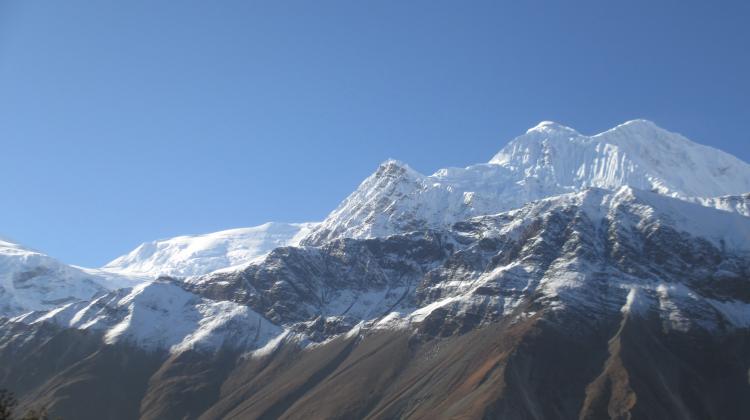
- Visit the stunning Phoksundo Lake at 3,600 meters, surrounded by cliffs and beautiful Himalayan scenery.
- Walk through beautiful landscapes of forests, rivers, valleys, and high mountain terrain.
- Explore the remote and less-crowded Upper Dolpo region with its peaceful trails and rugged mountain scenery.
Itinerary
Day 1: Arrival in Kathmandu
Welcome to Nepal! After arriving at Tribhuvan International Airport in Kathmandu, our representative will welcome you and transfer you to your hotel by private vehicle. Once you check in, you can relax at the hotel or take some time to explore the surrounding area. If your flight arrives early and you have enough free time, you can visit some of Kathmandu’s well-known cultural attractions, including Pashupatinath Temple and Swayambhunath Stupa (Monkey Temple), which are part of the Kathmandu Valley UNESCO World Heritage Site. You can also explore Thamel, one of the most popular tourist areas in Kathmandu, where you can find local restaurants, cafes, trekking shops, souvenir stores, handicraft shops, and lively streets. It is a good place to experience the local atmosphere and purchase any last-minute trekking items you may need. Later, you can meet our trekking team, receive a briefing about the Upper Dolpo Trek, and prepare for the journey ahead.
- Max Elevation: 1,320 meters
- Travel Distance: 6 to 8 kilometers
- Travel Hours: 30 to 45 minutes
- Accommodation: 3-star Standard Hotel
- Meal Included: Welcome Dinner
Day 2: Fly from Kathmandu to Nepalgunj
Day 3: Fly to Juphal, trek to Dunai (2,140 meters)
Day 4: Trek to Ankhe (2,660 meters) from Dunai
Day 5: Trek to Sulighat (3,500 meters) from Ankhe
Day 6: Trek to Phoksundo Lake (3,600 meters) from Sulighat
Day 7: Rest and acclimatization day at Phoksundo Lake
Day 8: Trek to Phoksundo Khola Camp (3,690 meters) from Phoksundo Lake
Day 9: Trek to Snowfield / Pass Base Camp (4,625 meters)
Day 10: Cross Kang La Pass (5,345 meters) to Shey Gompa (4,375 meters)
Day 11: Rest and Exploration Day at Shey Gompa
Day 12: Cross Sela Bhanjyang Pass to Namgung Gompa (5,100 meters / 4,430 meters)
Day 13: Trek down to Saldang (3,770 meters)
Day 14: Day hike to Yangjer Gompa (4,590 meters) and Back to Saldang
Day 15: Trek to Komash Village (4,060 meters) from Saldang
Day 16: Trek to Shimen (3,850 meters) from Komash Village
Day 17: Trek to Tinje (4,110 meters) from Shimen
Day 18: Trek to Yak Kharka / Rapka (4,040 meters) from Tinje
Day 19: Cross Chharka La Pass (5,030 meters) to Chharka Bhot (4,302 meters)
Day 20: Rest or Local Exploration Day at Chharka Bhot
Day 21: Trek to Norbulung / Molung Kharka (4,750 meters) from Chharka Bhot
Day 22: Trek to Dho Tarap via Niwar Pass (3,944 meters)
Day 23: Trek to Tarakot (2,537 meters) from Dho
Day 24: Trek back to Juphal (2,500 meters) from Tarakot
Day 25: Fly from Juphal to Nepalgunj then Fly Back to Kathmandu
Day 26: Final Departure
Inclusion / Exclusion
Inclusion
- Airport pickup and drop-off by private vehicle
- 3-star hotel accommodation in Kathmandu with breakfast
- Tea house accommodation during the trek
- Breakfast, lunch, and dinner during the Upper Dolpo Trek
- Welcome and farewell dinners with the Nepalaya Treks Team
- All ground transportation by comfortable private vehicle as mentioned in the itinerary
- Domestic flights from Kathmandu to Nepalgunj to Juphal and back
- Entrance fees for monuments and sightseeing places mentioned in the itinerary
- Experienced, English-speaking, government-licensed trek leader and assistant trek leader
- One assistant guide for every four trekkers
- Porter service with one porter for every two trekkers
- Staff expenses, including salary, insurance, food, accommodation, equipment, and domestic airfare
- Down jacket and sleeping bag, provided during the trek and returned after the trip
- Trekking bag/duffel bag, T-shirt, and trekking map from Nepalaya Treks Team
- All necessary trekking permits and paperwork, including the National Park Permit and TIMS
- Basic medical kit carried by the trek leader
- All applicable government and local taxes
Exclusion
- Nepal visa fee
- International airfare
- Excess baggage charges on domestic flights
- Travel and rescue insurance
- Extra nights in Kathmandu due to early arrival, late departure, early return from the trek, flight delays, weather conditions, or other unforeseen reasons
- Lunch and dinner in Kathmandu, including meals during any additional hotel nights
- Personal expenses such as phone calls, laundry, bar bills, battery charging, showers, and other personal services
- Bottled or boiled drinking water during the trek
- Extra porter service if required
- Any additional accommodation, meals, transportation, or services not mentioned in the itinerary
- Tips for trek leaders, assistant guides, porters, and drivers
Check List
Packing the right gear is important for a remote and camping-based trek like the Upper Dolpo Trek. Supplies are limited along the trail, so trekkers should carry the personal items they need throughout the journey. Dressing in layers, keeping your backpack organized, and carrying suitable trekking gear will make the trek more comfortable.
Clothing for High Altitude & Weather
- Moisture-wicking base layers to keep you dry
- Warm fleece and down jackets for cold mornings and nights
- Waterproof and windproof jacket and trousers
- Comfortable trekking pants and thermal leggings
- Warm woolen socks and extra pairs
- Warm hat, sun hat, gloves, and neck warmer
Footwear
- Durable trekking boots with good ankle support
- Comfortable camp shoes or sandals
- Extra trekking and woolen socks
- Gaiters to protect your feet from snow, mud, and dust
Trekking Gear & Equipment
- Large backpack or duffel bag for your main belongings
- Small daypack for daily essentials
- Trekking poles for balance and support
- Headlamp with extra batteries
- Water bottles or a hydration bladder
- Water purification tablets or a filtration system
Sleeping & Camping Essentials
- Warm sleeping bag suitable for high-altitude conditions
- Sleeping bag liner for additional warmth
- Lightweight personal pillow or inflatable pillow
- Small travel towel or camping towel
Personal Items & Toiletries
- Quick-dry towel and basic toiletries
- Biodegradable soap and hand sanitizer
- Sunscreen, lip balm, and moisturizer
- Sunglasses with good UV protection
- Toilet paper, wet wipes, and personal hygiene items
Health, First Aid & Medications
- Personal prescription medicines
- Basic first aid kit
- Medicines recommended for altitude sickness
- Blister treatment and pain relief medicines
- Rehydration salts and basic health supplies
Documents & Money
- Passport and valid Nepal visa
- Copies of required trekking permits
- Travel insurance documents
- Emergency contact details
- Sufficient Nepalese cash for personal expenses
Optional but Recommended Items
- Power bank or solar charger
- Camera and extra memory cards
- Binoculars for wildlife and mountain views
- Energy bars, chocolates, or other personal snacks
- Small dry bags to protect electronics and important items
- Earplugs and an eye mask for better rest
Trip FAQs
-
1. How difficult is the Upper Dolpo Trek?
The Upper Dolpo Trek is considered challenging because of its long duration, remote location, high altitude, steep sections, and rugged terrain. Some days involve several hours of walking and high-pass crossings. Good physical fitness and previous trekking experience can make the journey more comfortable and manageable. -
2. What are the toughest sections of the Upper Dolpo Trek?
The more demanding sections include the ascent to Kang La Pass, the crossing of Sela Bhanjyang Pass, and the Chharka La Pass section. High altitude, steep climbs, rocky trails, and long walking hours can make these days challenging. Proper acclimatization and a steady pace are important. -
3. What kind of accommodation is available during the trek?
Accommodation during the trekking section is mainly provided in local mountain teahouses. Facilities are basic, particularly in remote areas, with simple rooms and shared bathrooms in many places. In Kathmandu and Nepalgunj, you will stay in standard hotels as mentioned in the itinerary. -
4. What kind of food is available on the Upper Dolpo Trek?
Meals are provided at local teahouses along the trekking route. Common options include dal bhat, rice, noodles, pasta, soup, vegetables, eggs, bread, and tea. Food choices can be limited in remote sections, so trekkers should be prepared for simple meals made from locally available ingredients. -
5. What are the signs and symptoms of altitude sickness?
Common symptoms may include headache, dizziness, nausea, vomiting, tiredness, loss of appetite, and difficulty sleeping or breathing. Symptoms should not be ignored, especially at higher elevations. Inform your guide immediately if you experience unusual or worsening symptoms so the trekking team can respond appropriately. -
6. How can I prevent altitude sickness?
Gradual ascent, proper acclimatization, a comfortable walking pace, sufficient hydration, regular meals, and enough rest can help reduce the risk of altitude sickness. Avoid rushing to higher elevations and follow your guide's recommendations. If symptoms appear or become worse, inform your guide without delay. -
7. What permits are required for the Upper Dolpo Trek?
Upper Dolpo is a restricted trekking region, so special permits are required. The trek generally requires the Upper Dolpo Restricted Area Permit and Shey Phoksundo National Park entry permit. Other documents, such as a TIMS Card, may also be required depending on the latest government regulations. -
8. Can I get the Upper Dolpo permits myself?
Upper Dolpo is a restricted area, so the required permits are normally arranged through a registered trekking agency. Your agency handles the necessary paperwork and permit arrangements before the trek. You will need to provide the required personal and travel documents during the booking process. -
9. What kind of equipment do I need for the Upper Dolpo Trek?
You should carry warm and layered clothing, a down jacket, waterproof clothing, good trekking boots, warm socks, gloves, a woolen hat, sunglasses, sunscreen, a sleeping bag, trekking poles, a headlamp, personal medicines, and other essential trekking items. -
10. Do I need travel insurance for the Upper Dolpo Trek?
Yes, travel insurance is strongly recommended for this trek. Your policy should cover high-altitude trekking, medical treatment, and emergency evacuation, including helicopter rescue where applicable. Before traveling, check that your insurance covers the maximum altitude of the trek and the activities included in your itinerary. -
11. What happens in case of an emergency during the trek?
If an emergency occurs, your guide and trekking team will assess the situation and coordinate the necessary assistance. Depending on the condition and location, this may include descent to a lower altitude, medical support, or emergency evacuation. Good travel insurance is important for covering eligible emergency costs.
All Inclusive Cost
USD 2800
Per Person
BOOK NOW QUICK ENQUIRY- Best Price Guarantee
- Hassle-Free Booking
- Team of highly experienced Experts
You may also like !!
Our Best Selling Packages You May Like.