Poon Hill Trek – 8 Days
Overview
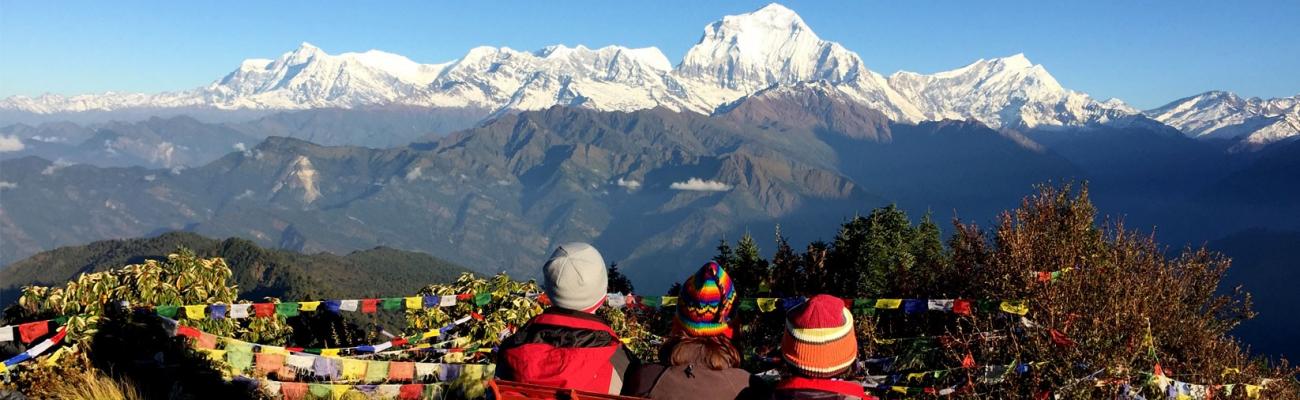
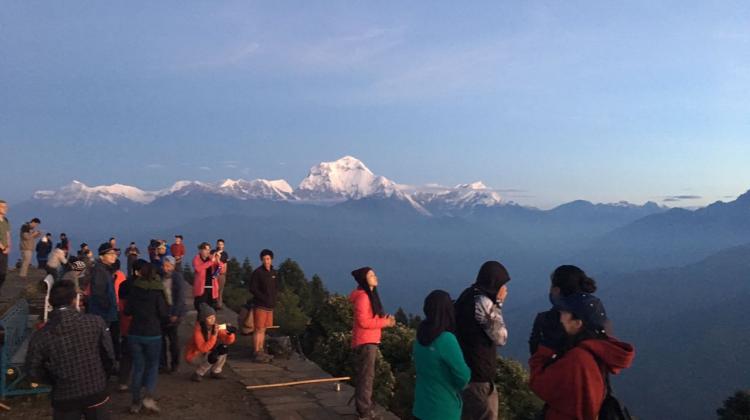
Poon Hill Trek is a short and rewarding trekking experience in the Annapurna region of Nepal. It is a good choice for travelers who want to enjoy mountain views, local villages, forests, and sunrise without spending many days at high altitudes. This trek takes you through beautiful places such as Tikhedhunga, Ghorepani, Poon Hill, and Ghandruk. The main highlight of the trip is the early morning hike to Poon Hill at 3,210 meters. From the viewpoint, you can see the sunrise over the Annapurna and Dhaulagiri mountain ranges. Along the trail, you will walk through rhododendron forests, stone steps, small villages, and peaceful mountain landscapes. This trek also gives you a chance to experience the culture and lifestyle of the Gurung communities. Your Poonhill trek journey starts and ends in Kathmandu, with time in Pokhara before and after the trek. With a mix of road travel, hiking, mountain scenery, and village experiences, this 8-day itinerary is suitable for both first-time trekkers and travelers with limited time.
What to Expect on POONHILL TREK
- Early morning hike to Poon Hill at 3,210 meters for sunrise.
- Scenic views of the Annapurna, Dhaulagiri, and Machhapuchhre ranges.
- Walking through rhododendron, oak, and bamboo forests.
- Steep stone steps around Ulleri.
- Passing through small mountain villages and local settlements.
- Exploring the traditional Gurung village of Ghandruk.
- Comfortable but basic teahouse accommodation during the trek.
- Enjoying local Nepali meals and warm mountain hospitality.
- Walking around 3 to 6 hours on most trekking days.
- A peaceful trekking experience away from busy city life.
Extra Highlights of the POONHILL TREK
- Enjoy scenic rivers, streams, and small waterfalls along the walking route.
- Cross traditional suspension bridges over mountain rivers.
- Take short breaks at local rest stops and teahouses along the trail.
- Enjoy fresh mountain air and quiet surroundings away from busy cities.
- Taste simple homemade meals and local dishes at mountain teahouses.
- Meet fellow trekkers from different parts of the world along the trail.
- Enjoy the beautiful sunset and evening views from the mountain villages.
- Experience the changing landscape as the trail moves through lower hills and higher mountain areas.
- Capture memorable photographs of the trail, villages, forests, and surrounding landscapes.
Best Time for POONHILL TREK
1. Spring (March–May)
2. Autumn (September–November)
3. Winter (December–February)
4. Monsoon (June–August)
Accommodation and Meals during POONHILL TREK
- Stay in a tourist-standard 3-star hotel on a twin-sharing basis for 2 nights, with breakfast included.
- Stay in a tourist-standard 3-star hotel on a twin-sharing basis for 2 nights, including breakfast.
- During the trek, stay in local mountain teahouses with basic rooms, usually arranged on a twin-sharing basis.
- Full-board meals are provided, including breakfast, lunch, and dinner each trekking day.
- Meals generally include local and common dishes such as dal bhat, rice, noodles, pasta, vegetables, eggs, soup, and other simple items available at the teahouses.
- Complimentary fresh fruit is provided after dinner during the trekking days.
- You can purchase drinking water along the trail or refill your bottle at available teahouses and refill stations.
POONHILL TREK: What Makes It Popular?
- An 8-day itinerary makes it convenient for travelers who have limited time in Nepal.
- Beginners can enjoy the route without needing previous high-altitude trekking experience.
- A maximum altitude of 3,210 meters makes the trek more accessible than many higher-altitude routes.
- Clear mountain views of the Annapurna and Dhaulagiri ranges add to the beauty of the journey.
- Different landscapes, including forests, hills, rivers, farmland, and mountain settlements, keep the trail interesting.
- Traditional villages provide opportunities to experience local culture and everyday mountain life.
- Ghandruk offers a closer look at Gurung traditions, architecture, and hospitality.
- Convenient road access from Pokhara makes reaching the trekking route relatively easy.
- A mix of walking, sightseeing, and cultural experiences makes the trek enjoyable for different age groups.
- Solo travelers, couples, families, and small groups can all enjoy this short Himalayan adventure.
Culture Experience on the POONHILL TREK
- Pass through traditional villages where local families continue their everyday mountain lifestyle.
- Visit Ghandruk, a well-known Gurung settlement with traditional houses and cultural heritage.
- Meet local people and experience their warm and friendly hospitality.
- See traditional farming practices and terraced fields along the trekking route.
- Enjoy locally prepared Nepali food at mountain teahouses.
- Learn about the customs, traditions, and daily activities of the Gurung community.
- See prayer flags, small monasteries, and other cultural elements along the trail.
- Support local communities by staying at teahouses and purchasing locally made products.
Altitude and Acclimatization for the POONHILL TREK
- The route gradually gains altitude, giving your body time to adjust as you move toward Ghorepani and Poon Hill.
- Ghorepani at around 2,860 meters is an important overnight stop before the early morning Poon Hill hike.
- Walk at a comfortable pace and avoid rushing, especially on uphill sections.
- Drink plenty of water throughout the day to stay hydrated.
- Eat regular meals to maintain your energy during long walking days.
- Get enough sleep and rest after reaching higher elevations.
- Inform your guide immediately if you experience headache, dizziness, nausea, unusual tiredness, or breathing difficulties.
- Follow your guide's advice if you feel unwell rather than continuing to push yourself.
- Carry any personal medication recommended by your doctor before starting the trek.
Difficulty Level of POONHILL TREK
- Expect around 3 to 6 hours of walking on most trekking days.
- The stone steps around Ulleri are one of the more demanding sections of the route.
- The early morning hike to Poon Hill at 3,210 meters requires some extra effort.
- The trail includes both gradual walks and steeper uphill and downhill sections.
- No ropes, climbing equipment, or technical trekking skills are required.
- Comfortable trekking shoes with good grip are important for uneven and sometimes slippery trails.
- Regular walking, hiking, or light exercise before the trek can help build stamina.
- Walking at your own pace and taking short breaks can make the journey easier.
- The moderate altitude makes it more accessible than many higher-altitude Himalayan treks.
Permits Required for POONHILL TREK
1. Annapurna Conservation Area Permit (ACAP)
2. Trekkers’ Information Management System (TIMS) Card
Insurance for the POONHILL TREK
- Choose a travel insurance policy that specifically covers trekking up to at least 3,500 meters, preferably with some additional altitude margin.
- Make sure emergency helicopter evacuation is included in the policy if medically required.
- Check that the policy covers medical treatment for altitude-related illness, injuries, and other emergencies during the trek.
- Medical expenses should include hospital treatment and emergency care if you need treatment during or after the trek.
- Look for emergency evacuation and repatriation coverage in case you need to return to your home country for further treatment.
- Keep your insurance policy number, emergency contact number, and other details easily available during the trek.
- Share your insurance information with your trekking guide or a family member before starting the journey.
- Read the policy carefully because some standard travel insurance plans have altitude or adventure-activity exclusions.
- Travel insurance may also provide useful protection for trip cancellation, delays, lost baggage, or other unexpected travel problems, depending on the policy you choose.
Why Choose This Itinerary?
- Enjoy the famous Poon Hill sunrise at 3,210 meters without going to extreme Himalayan elevations.
- Follow a well-known trekking route through Ghorepani and Ghandruk.
- Experience a good balance of trekking, sightseeing, and cultural activities.
- Start and finish the journey in Kathmandu, making travel arrangements simple.
- Spend relaxing time in Pokhara before and after the trek.
- Stay in comfortable 3-star hotels in the cities and local teahouses during the trek.
- Travel between Kathmandu and Pokhara by tourist bus or flight, according to your preference.
- Enjoy a manageable walking schedule suitable for beginners and first-time trekkers.
- Experience the traditional Gurung culture and mountain lifestyle in Ghandruk.
- Get the support of a licensed guide and porter throughout the trekking section.
- Choose a private departure and adjust transportation and arrangements according to your group's needs.
Safety on the POONHILL TREK
- Trek with a licensed guide and registered trekking agency and follow the guide's instructions throughout the journey.
- Walk at a comfortable pace and take regular breaks, especially on steep sections and stone steps.
- Stay hydrated and drink treated, filtered, boiled, or properly sealed water during the trek.
- Carry a small first-aid kit, headlamp, rain protection, and essential personal medicines.
- Pay attention to symptoms such as headache, nausea, unusual tiredness, dizziness, or breathing difficulties as altitude increases.
- Do not continue climbing if you feel seriously unwell. Inform your guide and follow their advice about resting or descending.
- Check the weather before starting each day's walk and carry suitable clothing for changing mountain conditions.
- Use trekking poles on steep or uneven sections to improve balance and reduce pressure on your knees.
- Keep your passport, insurance details, cash, and other valuables safely stored during the trek.
- Make sure your travel insurance includes medical treatment and emergency helicopter evacuation, as recommended by the Nepal Tourism Board.
- Follow the designated trekking trail and avoid walking alone or separating from your group.
Responsible Tourism
- Carry a reusable water bottle and avoid unnecessary single-use plastic bottles.
- Keep the trekking trails clean and carry your waste until you find a proper disposal point.
- Stay on the designated trekking trails to avoid damaging plants and the surrounding environment.
- Respect local customs, traditions, religious places, and the privacy of local people.
- Always ask for permission before taking photographs of local people.
- Stay in local teahouses and use local services to help support families and businesses along the trail.
- Avoid wasting water and electricity, especially in mountain teahouses where resources can be limited.
- Do not pick flowers, damage plants, or disturb wildlife during the trek.
- Use the services of local guides and porters, helping create employment and support the local economy.
- Avoid unnecessary use of firewood and support accommodation that uses more sustainable energy options where available.
Group Size
- Suitable for solo travelers, couples, families, friends, and small groups.
- A licensed English-speaking guide accompanies the trekking group.
- One porter is provided for every two clients to carry the main luggage.
- An assistant guide is provided for groups of 8 or more people.
- Private departures are available for travelers who prefer a more flexible experience.
- The walking pace can be adjusted according to the group's fitness and comfort level.
- Transportation can be arranged by tourist bus, private car, or flight based on the selected package.
- Larger groups can also be organized with additional staff and support when required.
Private Departure Available By Deluxe Bus, Private Car, and Flight
- Choose your preferred departure date instead of joining a fixed group.
- Travel privately with your family, friends, couple, or small group.
- Choose a deluxe bus, private car, or flight for the Kathmandu–Pokhara journey.
- Enjoy a more comfortable and flexible travel experience.
- Adjust the trekking pace according to your group's fitness and comfort.
- Request suitable changes to the itinerary based on your travel needs.
- Get personalized support from your guide and trekking team throughout the journey.
Equipment Rental Information
- Trekking equipment is available for daily or multi-day rental, depending on the shop and item.
- Common rental items include sleeping bags, down jackets, trekking poles, backpacks, and duffel bags.
- Rental equipment can be checked for size, comfort, and condition before starting the trek.
- You can choose equipment based on the season and expected weather conditions.
- Renting helps reduce the amount of bulky equipment you need to carry from your home country.
- Rental prices depend on the type of equipment, quality, rental period, and season.
- Some equipment is already provided as part of the trekking package, so check with your trekking agency before renting additional items.
- It is best to arrange rental equipment before leaving Kathmandu or Pokhara so you have everything ready for the trek.
- Any rented equipment should be returned to the rental shop or trekking agency after completing the trek.
Trip Highlights
- Enjoy a short and rewarding Himalayan trek suitable for beginners, families, couples, and first-time trekkers.
- Spend relaxing time in Pokhara, the beautiful lakeside city.
- Enjoy scenic views of rivers, waterfalls, hills, villages, and mountain landscapes.
- Stay in cozy local teahouses and enjoy traditional Nepali meals during the trek.
- Experience the warm hospitality and simple lifestyle of local mountain communities.
- Walk through the famous stone staircase of Ulleri surrounded by green hills and forests.
- Enjoy panoramic views of the Annapurna, Dhaulagiri, and Machhapuchhre mountain ranges.
- Explore the traditional Gurung village of Ghandruk and experience its local culture and lifestyle.
- Walk through beautiful rhododendron, oak, and bamboo forests along peaceful mountain trails.
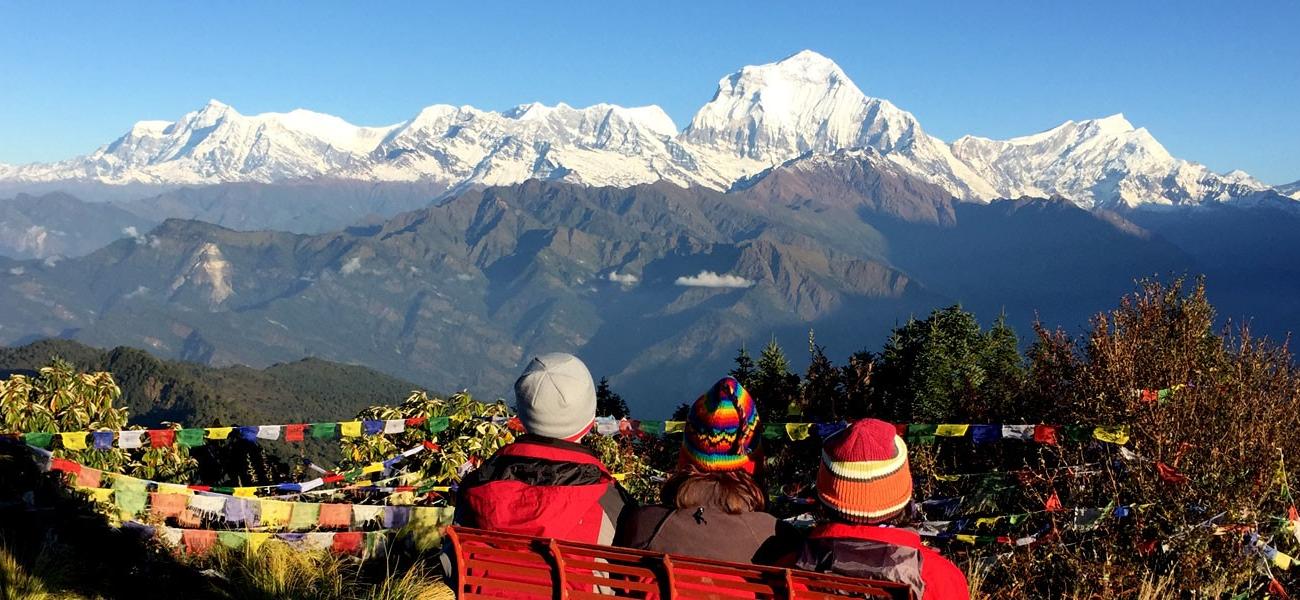
- Watch the stunning sunrise from Poon Hill at 3,210 meters with views of the Annapurna and Dhaulagiri ranges.
Itinerary
Day 1: Arrival in Kathmandu
- Max Elevation: 1,320 meters
- Travel Distance: 6 to 8 kilometers
- Travel Hours: 30 to 45 minutes
- Accommodation: 3-star Standard Hotel
- Meal Included: Welcome Dinner
Day 2: Drive or Fly from Kathmandu to Pokhara
Day 3: Pokhara to Nayapul and Trek to Tikhedhunga (Drive 1.5 hours (45 km) from Pokhara to Nayapul (1,070 m) to start the trek and Walk 3 to 5 hours past Birethanti to Tikhedhunga (1,570 m))
Day 4: Trek to Ghorepani (Trek 5 to 6 hours climbing the steep stone staircase of Ulleri (2,070 meters) through rhododendron forests to Ghorepani (2,860 meters)
Day 5: Sunrise at Poon Hill and Trek to Ghandruk (Early morning 1.5-hour hike to Poon Hill viewpoint (3,210 meters) for sunrise over the Annapurna and Dhaulagiri ranges and Descend and trek 4 to 5 hours to the traditional Gurung village of Ghandruk (1,940 meters))
Day 6: Ghandruk to Pokhara (Trek down to Syauli Bazar or Ghandruk Phedi (2 to 3 hours), then take a 2-hour jeep drive back to Pokhara)
Day 7: Drive or Fly from Pokhara to Kathmandu
Day 8: Final Departure
Inclusion / Exclusion
Inclusion
- Free airport pick-up and drop-off by private car
- Tourist-standard hotel accommodation in Kathmandu on a twin-sharing basis for 2 nights, including breakfast
- Tourist-standard hotel accommodation in Pokhara on a twin-sharing basis for 2 nights, including breakfast
- Local teahouse accommodation during the trek
- Full-board meals during the trek, including breakfast, lunch, and dinner with one selected item from the menu
- Annapurna Conservation Area Permit (ACAP) and Trekkers' Information Management System (TIMS) Card
- Government-licensed and experienced English-speaking trekking guide
- Guide and porter wages, food, drinks, accommodation, transportation, and insurance.
- One porter for every two clients to carry your baggage
- Basic first-aid kit carried by the trekking guide
- Emergency helicopter rescue service covered through your travel insurance, if required
- Sleeping bag, down jacket, duffel bag, and trekking poles provided for the trek and returned after the trek
- Oximeter to monitor oxygen saturation and pulse rate during the trek
- Assistant guide for groups of 8 or more people
- All government taxes and official service charges
Exclusion
- International airfare tickets
- Nepal entry visa fee, payable on arrival at Tribhuvan International Airport
- Extra accommodation, meals, drinks, laundry, or other personal expenses if you stay additional days in Kathmandu or Pokhara
- Personal medical and travel insurance
- Desserts, chocolates, cakes, pies, puddings, tea, coffee, and other personal food or drinks during the trek
- Excess baggage charges or baggage above the permitted 10 to 15 kg limit
- Hot showers during the trek
- Mobile, camera, power bank, and battery charging fees
- Wi-Fi and internet charges during the trek
- Kathmandu sightseeing entrance fees of USD 30 per person
- Tips for the trekking guide, porter, and other staff
- Any other personal expenses or services not mentioned under the cost inclusion section
Check List
Clothing
- Lightweight, quick-dry trekking shirts
- Thermal inner layers
- Fleece or warm jacket
- Down or padded jacket
- Comfortable trekking pants
- Warm trekking socks (2–3 pairs)
- Innerwear and sleepwear
- Warm hat or beanie
- Lightweight gloves
- Buff or scarf
Footwear
- Comfortable trekking shoes with good grip
- Extra casual shoes or sandals for teahouse stays
- Gaiters (optional, especially in winter or muddy conditions)
Rain and Cold Protection
- Waterproof rain jacket or poncho
- Waterproof trekking pants
- Windproof outer layer
- Warm gloves for colder months
- Extra warm socks
Trekking Gear & Accessories
- Small daypack
- Trekking poles, especially useful on steep stone steps
- Headlamp or flashlight for the early morning Poon Hill hike
- Sunglasses with UV protection
- Reusable water bottles or hydration bladder
- Water purification tablets or filter
- Camera or smartphone
Personal Care & Toiletries
- Sunscreen (SPF 30 or higher)
- Lip balm with sun protection
- Hand sanitizer
- Wet wipes or tissues
- Toothbrush and toothpaste
- Quick-dry towel
- Basic personal care products
Health & Safety
- Personal medicines
- Basic first-aid kit
- Pain relief medicine
- Band-aids or blister pads
- Rehydration salts
- Any altitude-related medicine recommended by your doctor
Documents & Money
- Passport and a copy of your passport
- Trekking permits, including ACAP and TIMS
- Travel insurance details
- Enough Nepali cash for personal expenses along the trail
Optional but Useful Items
- Power bank or spare batteries
- Energy bars, nuts, or other light snacks
- Earplugs
- Small notebook and pen
- Lightweight book or journal
Trip FAQs
-
1. How difficult is the Poon Hill Trek?
Poon Hill Trek is considered an easy to moderate trek and is suitable for beginners with a reasonable level of fitness. You will walk for several hours each day, with some uphill sections and long stone steps. Regular walking, light exercise, and proper preparation before the trek can make the journey more comfortable. -
2. What is the highest altitude of the Poon Hill Trek?
The highest point of the Poon Hill Trek is Poon Hill Viewpoint at 3,210 meters. You will reach the viewpoint early in the morning to enjoy the sunrise and mountain views. Although the altitude is not extremely high, walking at a steady pace, staying hydrated, and taking enough rest are important. -
3. Is Poon Hill Trek suitable for beginners?
Yes, Poon Hill Trek is a good choice for first-time trekkers. It does not require technical climbing skills or previous high-altitude trekking experience. However, you should be comfortable walking for a few hours each day. Some sections, especially the stone steps around Ulleri, can be tiring and require good stamina. -
4. What is the best time for Poon Hill Trek?
The best time for Poon Hill Trek is during spring from March to May and autumn from September to November. These months usually offer pleasant temperatures, clearer skies, and better mountain views. Spring is also a beautiful time to trek because the rhododendron forests along the trail are in full bloom. -
5. How many hours do we walk each day?
The daily walking hours depend on the trail and destination. Generally, you can expect to walk for around 3 to 6 hours per day. Some days may take longer due to uphill sections or sightseeing stops. The hike to Poon Hill and the trek toward Ghandruk can make Day 5 a longer walking day. -
6. What permits are required for Poon Hill Trek?
Trekkers need the required permits to enter and walk through the Annapurna region. The main permits generally include the Annapurna Conservation Area Permit (ACAP) and TIMS Card. These permits are arranged as part of the trekking package, making the process easier for you before starting the trek. -
7. What type of accommodation is available during the trek?
During the trekking days, you will stay in local mountain teahouses that provide simple and comfortable accommodation. Rooms are generally available on a twin-sharing basis, while bathrooms may be shared. In Kathmandu and Pokhara, you will stay at standard 3-star hotels. Teahouses also provide meals and basic facilities for trekkers. -
8. Can I do the Poon Hill Trek in winter?
Yes, Poon Hill Trek is possible during winter, but temperatures can become very cold at higher elevations. Snowfall may also occur around Ghorepani and Poon Hill. If you plan to trek between December and February, carry warm layers, gloves, a hat, proper trekking shoes, and other suitable winter equipment. -
9. Can I join a private Poon Hill Trek?
Yes, private departures are available for solo travelers, couples, families, and groups. You can select a departure date that fits your schedule and choose between a deluxe bus, private car, or flight for travel between Kathmandu and Pokhara. The trekking pace and certain arrangements can also be adjusted according to your group's preferences.
All Inclusive Cost
USD 675
Per Person
BOOK NOW QUICK ENQUIRY- Best Price Guarantee
- Hassle-Free Booking
- Team of highly experienced Experts
You may also like !!
Our Best Selling Packages You May Like.