Lower Dolpo Trek - 18 Days
Overview
The Lower Dolpo Trek is an adventurous journey into the remote and rugged landscapes of western Nepal. This trek combines remote wilderness, traditional villages, and Tibetan-influenced culture in a single journey. The 18-day trekking tour begins with a flight from Kathmandu to Nepalgunj, followed by a flight to Juphal. After the flights, you explore the remote landscapes around Dunai, Tarakot, Laina Odar, Nawarpani, and Dho Tarap. As the trek progresses, the landscape gradually becomes more arid and characteristic of the Dolpo region.
This journey becomes more challenging as you leave Dho Tarap and reach Numa La Base Camp before crossing Numa La Pass at 5,309 meters and Baga La Pass at 5,169 meters. These passes are among the most demanding sections of the trek, but they also offer some of the best views of the surrounding terrain. After crossing the high passes, the trail descends toward Phoksundo Lake, where you can enjoy the scenery around the lake and explore Ringmo Village. Along the trekking trail, you will encounter traditional villages, mountain landscapes, Tibetan influences, and Bon culture. The high passes, Himalayan valleys, remote camping, and cultural encounters make the Lower Dolpo Trek suitable for travelers seeking an experience in western Nepal.
This journey becomes more challenging as you leave Dho Tarap and reach Numa La Base Camp before crossing Numa La Pass at 5,309 meters and Baga La Pass at 5,169 meters. These passes are among the most demanding sections of the trek, but they also offer some of the best views of the surrounding terrain. After crossing the high passes, the trail descends toward Phoksundo Lake, where you can enjoy the scenery around the lake and explore Ringmo Village. Along the trekking trail, you will encounter traditional villages, mountain landscapes, Tibetan influences, and Bon culture. The high passes, Himalayan valleys, remote camping, and cultural encounters make the Lower Dolpo Trek suitable for travelers seeking an experience in western Nepal.
Extra Highlights of the Lower Dolpo Trek
The Lower Dolpo Trek allows you to explore remote Himalayan valleys, traditional settlements, high mountain passes, arid landscapes, and the Tibetan-influenced culture of western Nepal. Your journey takes you from Dunai through Tarakot, Dho Tarap, Numa La, Baga La, and Phoksundo Lake before reaching Juphal. Some of the key additional highlights of this trekking include:
- Visit the stunning natural beauty of Lower Dolpo.
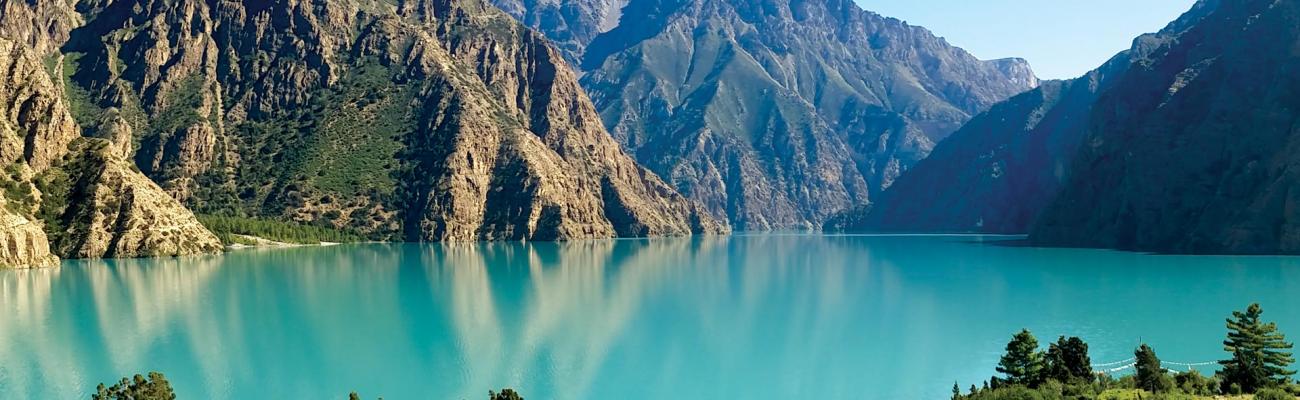
- Marvel at the stunningly blue water of Phoksundo Lake.
- Trek across dry landscapes typical of a Nepal rain shadow trek.
- Cross the difficult pass of Numa La at an elevation of 5,309 meters.
- Cross the challenging pass of Baga La at an elevation of 5,169 meters.
- Visit the traditional village of Dho Tarap at 4,100 meters.
- Discover the traditional way of life and Tibetan culture of Dolpo.
- Discover the influence of Bon religion on the remote Himalayan cultures.
- Trek through the Tibetan culture of Dolpo through traditional villages.
- Trek through the remote valleys and wilderness of Shey Phoksundo National Park.
- Spend an acclimatization and exploration day around Dho Tarap.
- Spend a rest and exploration day at Phoksundo Lake and Ringmo village.
- Explore the remote camping trail of trekking in the isolated valleys of the mountains of Nepal.
- See how the landscape changes from river valleys and forests to the dry alpine landscape.
- See the farming and grazing lifestyle of locals.
- Get an insight into the unique landscape and culture of western Nepal.
- Explore the high-altitude and wild landscape on the same trekking trail.
Best time for the Lower Dolpo Trek
Generally, spring and autumn are the best times for the Lower Dolpo Trek as they provide more suitable weather conditions for trekking. The region lies partly in the rain shadow of the Himalayas, making the landscape relatively dry compared with many other trekking areas of Nepal. Winter brings cold temperatures and snow at higher elevations, while the monsoon can affect flights and lower sections of the trail.
1. Spring (March-May)
Spring is one of the favorable seasons for the Lower Dolpo Trek. The temperature starts rising gradually, making the climate more favorable for hiking. While the lowlands start turning green, the highlands like Dho Tarap, Numa La, and Baga La remain cold. Clear climatic conditions allow good views of the surrounding mountains. Spring is also a suitable period for experiencing the changing landscapes of this rain shadow trekking region.
2. Fall (September-November)
Autumn is another excellent season for the Lower Dolpo Trek. The monsoon generally leaves the skies clearer, and the mountain views more visible. While September could still experience some effects of the monsoon, October and November would experience relatively stable weather conditions. Dry trails, spectacular views of the mountain peaks, and pleasant weather conditions during the autumn season make this season very suitable for hiking in the isolated valleys of Dolpo.
3. Winter (December-February)
During winter, the climate remains very cold, and there is snowfall at high altitudes on the Lower Dolpo Trek route. Dho Tarap, Numa La Base Camp, Numa La Pass, and Baga La Pass become very cold, and even the snowfall can be an obstacle for trekkers. Trekkers attempting the route in winter require appropriate cold-weather equipment and should be prepared for changing conditions.
4. Monsoon (June-August)
Monsoon affects different parts of the Lower Dolpo route differently. The higher Dolpo region lies within the Himalayan rain shadow and generally receives less rainfall than many other parts of Nepal. However, flights between Nepalgunj and Juphal can be affected by cloudy weather and poor visibility, leading to possible Juphal flight delays in Nepal. The lower parts of the trail also get slippery in the case of rain. Thus, it is recommended to plan a little flexibility in your trip schedule during the monsoon period.
Accommodation and Food during the Lower Dolpo Trek
Accommodation during the Lower Dolpo Trek includes a mixture of local teahouses, basic lodges, and camping according to the part of the trekking route. The further you go, the more primitive the accommodation becomes. There are parts where camping is required due to the lack of other options for staying. Hotel accommodation is available in Kathmandu and Nepalgunj.
- Accommodation may include basic teahouses, local lodges, and camping.
- Rooms in local lodges are generally simple and may be arranged on a twin-sharing basis.
- Remote sections of the route require camping and organized camp facilities.
- Facilities become increasingly basic in the higher and more isolated sections.
- Meals are generally prepared by local teahouses or the trekking crew during camping sections.
- Breakfast would comprise porridge, eggs, Tibetan bread, bread, pancakes, tea, and coffee.
- Lunch & Dinner could comprise dal bhat, noodles, rice, pasta, potatoes, vegetables, soup, and many more light meals.
- There will be limited food options available in remote areas and campsites.
- It is advised that, in addition to water purification tablets or a water filtration kit, you should also carry your reusable water bottle.
- You might also want to carry some light snacks such as energy bars, chocolates, nuts, and dried fruits along the way during the trek.
Why is the Lower Dolpo Trek so popular?
The Lower Dolpo Trek is a popular choice for travelers seeking wild Himalayan landscapes, challenging high passes, traditional villages, and Tibetan-influenced culture. The trail leads deep into western Nepal, crosses Numa La and Baga La, and descends toward Phoksundo Lake.
- The features of this trek are as follows:
- A flight from Kathmandu to Nepalgunj and then to Juphal.
- Then trek from Dunai to Tarakot.
- Continue the trekking through the remote valleys of Laina Odar, Nawarpani, and Dho Tarap.
- Experience the dry climate of Nepal rain shadow trekking.
- Spend an acclimatization day in Dho Tarap.
- Trek toward Numa La Base Camp.
- Cross Numa La Pass at 5,309 meters.
- Cross Baga La Pass at 5,169 meters.
- Descend toward Temche through rugged Himalayan terrain.
- Trek toward the spectacular Phoksundo Lake.
- Explore Ringmo village and the surroundings of Phoksundo Lake.
- Experience the Tibetan-influenced culture and religious traditions associated with Bon in Dolpo.
- Enjoy the trekking experience in the remote places of Shey Phoksundo National Park.
- Descend through forests and valleys toward Chhepka and Juphal.
- Fly from Juphal to Nepalgunj and continue to Kathmandu.
Culture Experience on the Lower Dolpo Trek
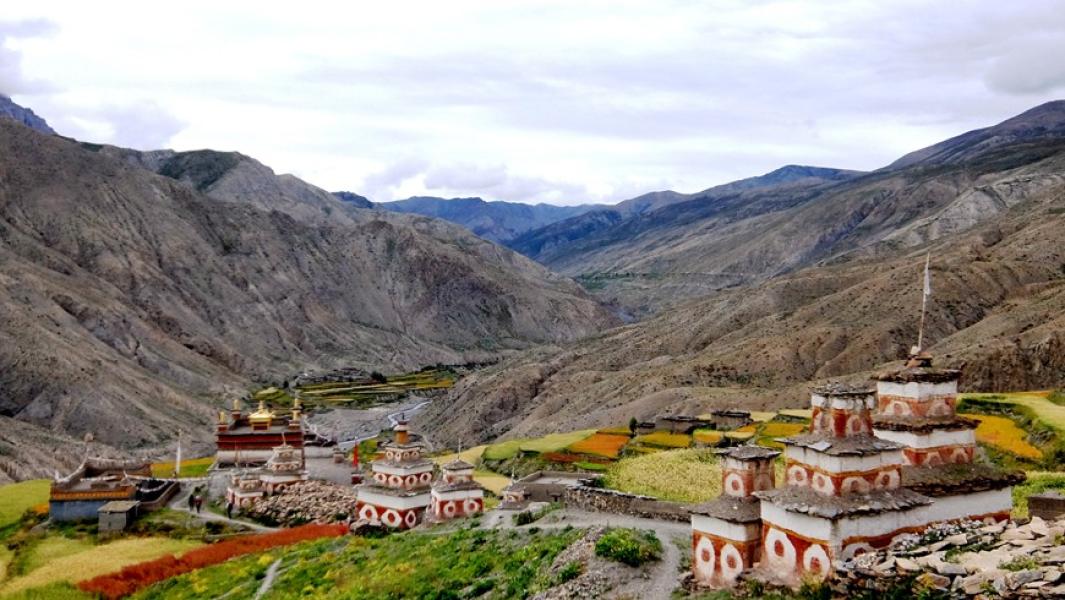
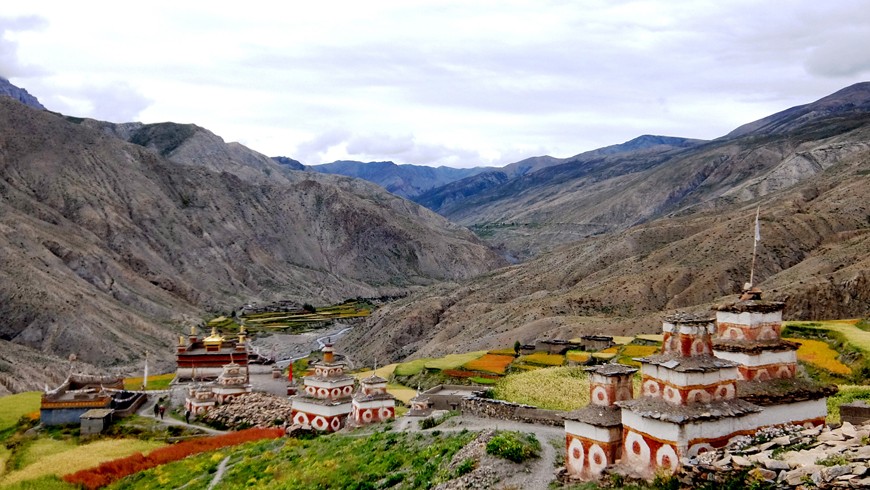
On the Lower Dolpo Trek, you can experience the culture and traditional lifestyles of communities living in one of the most remote regions of Nepal. Tibetan cultural influences can be seen in the architecture, religious practices, settlements, and lifestyles of communities living in the valleys. Furthermore, the region is also known for its connection to the Bon religion, which plays an important part in the cultural heritage of Dolpo.Cultural experiences on the Lower Dolpo Trek include:
- Experience the traditional settlements like Dho Tarap and Ringmo.
- Observe traditional stone-built houses and settlements.
- Experience the Tibetan influence in the lifestyle of the people of the Dolpo region.
- Learn about the cultural and religious traditions associated with Bon in Dolpo.
- Observe the religious practices of the Buddhists and Bon.
- Look out for prayer flags, monasteries, chortens, and other important cultural landmarks along the route.
- You may also encounter yaks, sheep, goats, and other livestock raised by local communities.
- Learn about the way the mountain people farm and raise livestock.
- Experience the daily lifestyle of the people living in remote Himalayan settlements.
- Learn about the adaptation of traditional lifestyles in dry and high altitude areas.
- Experience the Tibetan-influenced culture and traditional way of life of Dolpo away from Nepal's more crowded trekking routes.
Altitude and Acclimatization for the Lower Dolpo Trek
Altitude is an important consideration during the Lower Dolpo Trek because the route gradually climbs from the lower valleys around Dunai to elevations above 5,000 meters at Numa La and Baga La. A day of acclimatization in Dho Tarap allows for adjustment of your body before you move towards the high-altitude passes.
- The journey begins in Kathmandu at around 1,400 meters, includes Nepalgunj and Juphal, and ultimately returns to Kathmandu.
- Dunai lies at approximately 2,150 meters.
- Dho Tarap is situated at approximately 4,100 meters.
- Numa La Base Camp reaches approximately 4,440 meters.
- Numa La Pass is the highest point of the itinerary at 5,309 meters.
- Baga La Pass reaches 5,169 meters.
- Phoksundo Lake lies at approximately 3,610 meters.
- An acclimatization day is included in Dho Tarap before the ascent toward Numa La.
- Make sure you have enough water during the trek.
- Take enough rest during high-altitude trekking days.
- Try not to go up too fast wherever possible.
- Symptoms of altitude sickness may include headache, dizziness, nausea, fatigue, and difficulty sleeping.
- In case of any signs of altitude sickness, report them to your guide straight away.
- Your guide and trekking team should monitor your condition during high-altitude trekking days.
Difficulty Level of the Lower Dolpo Trek
The Lower Dolpo Trek is a challenging to strenuous trek due to its remoteness, long trekking days, high altitude, rugged terrain, and two challenging high-altitude pass crossings. The trek includes varied terrain such as river valleys, forests, rocky paths, steep slopes, and high mountain terrain, with camping required in remote sections.Unlike the Upper Dolpo Trek, which takes 26 days and reaches greater remoteness, the Lower Dolpo Trek offers a shorter yet still demanding high-altitude experience.
- It entails numerous ascents and descents, rocky paths, river valleys, forests, and high altitudes.
- Trekking days generally involve around 5 to 8 hours of walking, depending on trail and weather conditions.
- Due to the increasing altitude, the sections of Dho Tarap and Numa La are quite challenging.
- The highest altitude is that of Numa La Pass at 5,309 meters.
- The altitude of Baga La Pass is 5,169 meters.
- Acclimatization day at Dho Tarap helps in adjusting to the high altitudes before pass crossings.
- Cardiovascular fitness and physical endurance are highly recommended.
- Previous high-altitude trekking experience is beneficial but not essential for well-prepared trekkers.
- Walking at a constant pace saves a lot of energy both during climbing and descending.
- Hydration, nutrition, rest, and trekking gear are essential.
- Trekking poles may come in handy on steep, rocky, and uneven trails.
- Mental preparation is necessary since the trek goes through remote places.
Permits Required for the Lower Dolpo Trek
The Lower Dolpo Trek passes through a restricted area and Shey Phoksundo National Park, so trekkers need the required permits before entering these areas. The most important permits are the Dolpo Restricted Area Permit (RAP) and the Shey Phoksundo National Park Permit.
- Permit for Dolpo Restricted Area (RAP): This is one of the vital permits that you must acquire for trekking in the Dolpo Restricted Area, and you can obtain this permit through a registered trekking company like Nepalaya Treks before entering the restricted area.
- Shey Phoksundo National Park Permit: You need this permit if you plan to go trekking in the Shey Phoksundo National Park.
- Valid Passport: A valid passport is required in order to get your permits.
- Copy of Permit and Travel Documents: Take copies of your permits and travel documents with you while trekking. The permit requirements and costs may change; hence, trekkers need to check the current permit requirements before going on the trek.
Insurance for the Lower Dolpo Trek
Travel insurance is highly recommended because the trek reaches elevations above 5,000 meters and passes through remote areas with limited access to medical services.
- Ensure that your insurance includes high altitude trekking and that your insurance policy specifically covers trekking at elevations of at least 5,309 meters.
- Make sure your plan covers you in case of a helicopter evacuation.
- Check if your plan includes emergency medical services, injuries and accidents alongside cancellation and interruption of the trip.
- Keep your insurance information during the whole trek.
- Submit your insurance information to your trekking agency.
- Don't presume that usual travel insurance automatically covers high-altitude trekking.
- Check your altitude limitations, evacuation circumstances, exclusions and claims process prior to the trek.
Why Choose This Itinerary?
The Lower Dolpo Trek is designed for those who wish to explore one of the most remote treks in Nepal while experiencing the natural splendor of the majestic Himalayas.
- Discover the remote valleys of Lower Dolpo.
- Experience the arid lands of the rain-shadow treks in Nepal.
- Visit Dho Tarap and its traditional mountain communities.
- Cross Numa La Pass at 5,309 meters.
- Cross Baga La Pass at 5,169 meters.
- Explore Phoksundo Lake and Ringmo village.
- Experience the Tibetan-influenced culture of the Dolpo region.
- Learn about the Bon religious traditions of the region.
- Trek through Shey Phoksundo National Park.
- Visit the far corners of the Himalayas.
- Discover ways of farming and animal husbandry practiced traditionally.
- Learn about the mountain people of western Nepal.
- Behold the varied terrain comprising river valleys, forests, and dry alpine regions.
- Merge culture, wilderness, high mountains, and natural beauty into one trekking route.
Safety on the Lower Dolpo Trek
Safety is particularly important on the Lower Dolpo Trek because the trail passes through rugged terrain and reaches elevations above 5,000 meters. The weather is unpredictable, and medical facilities are limited in the higher and more remote sections of the route.
- Adhere to the acclimatization process and do not climb too fast.
- Move steadily and walk at a constant pace, especially at high altitudes.
- Report to your guide any time you suffer from headache, nausea, dizziness, abnormal fatigue or difficulty in breathing.
- Drink plenty of water during the entire trek.
- Carry sufficient water and use an appropriate purification method.
- Prepare yourself for changing weather conditions at higher altitudes.
- Have warm and waterproof clothing.
- Use trekking poles on steep and rough terrain.
- Do not continue ascending if you develop significant symptoms of altitude sickness.
- Allow flexibility in the itinerary because weather can affect flights to and from Juphal.
- Keep your travel insurance and emergency contact information accessible.
- Follow all national park and restricted-area regulations.
- Use a registered trekking agency in Nepal for the remote sections of the trek.
Responsible Tourism
Responsible tourism is particularly important during the Lower Dolpo Trek because the route passes through protected landscapes, remote communities, traditional settlements, and culturally significant sites.
- Do not litter along the trekking route.
- Carry non-biodegradable waste out of remote areas whenever possible.
- Keep to the marked trails and campsites only.
- Respect the local culture, religious traditions, and customs of the communities along the route.
- Ask for permission before photographing local people.
- Never desecrate the monasteries, chortens, prayer flags, and other cultural monuments.
- Do not damage any plants, animal habitat, or natural environment.
- Be judicious about your use of water in remote villages.
- Do not use firewood unnecessarily where other fuels are available.
- Encourage local businesses such as teahouses, guides, porters, etc.
- Follow the regulations of Shey Phoksundo National Park.
- Leave the remote landscapes of Dolpo as clean and undisturbed as possible.
Group Size
The Lower Dolpo Trek can be arranged for couples, families, friends, colleagues, and private groups. Since the route is remote and demands logistics, it will be helpful to trek with an experienced guide and support team.
- The porters help to carry heavy bags, and trekkers can carry their light bags.
- Sections for camping need an organized support team and camping equipment.
- Small teams are able to keep a reasonable speed according to their fitness level.
- Private groups can select departure dates according to their preferences.
- The trekking pace can be adjusted according to the group's condition where possible.
- Group size can be arranged according to travelers' requirements.
Private Departure Options: Private Vehicle or Flight
Private departures can be arranged through Nepalaya Treks for travelers who wish to trek with family members, friends, partners, or other private groups, subject to availability and logistical arrangements.
- Transportation options depend on the relevant section of the itinerary, with flights required for travel to and from Juphal.
- Select a suitable day for your departure.
- Ensure that you have made private transportation arrangements where necessary.
- Move between Kathmandu, Nepalgunj, and Juphal according to the travel itinerary.
- Maintain a trekking pace appropriate to the abilities and fitness levels of the group.
- Trek with your chosen private group, such as family members, friends, or colleagues.
- Arrange accommodation and camping logistics according to group requirements where possible.
- Allow flexibility for possible flight delays due to weather conditions.
- Private departures are suitable for travelers seeking a more flexible and personalized trekking experience.
Equipment Rental Information
Travelers who do not own all the necessary trekking equipment can rent or purchase many basic trekking items in Kathmandu before beginning the Lower Dolpo Trek. Because the route includes cold, high-altitude sections and remote camping, appropriate equipment should be checked carefully before departure.
- Sleeping bags, down jackets, trekking poles, duffle bags, and other trekking equipment can be rented in Kathmandu.
- Renting equipment can reduce the cost of purchasing items used only occasionally.
- A good sleeping bag is especially vital when going on a camping trip at high altitudes.
- Good-quality waterproof trekking boots are important for navigating rough and uneven terrain.
- Trekking poles can provide additional support and stability during ascents and descents.
- Pack enough warmth gear for Dho Tarap, Numa La Base Camp, and high passes.
- Check all rented equipment carefully before leaving Kathmandu.
- Seek advice from your trekking company about the specialized gear needed for the high altitude and camping part of the trek.
- Have proper rain gear even though the majority of Dolpo is in a rain-shadow area.
Trip Highlights
- Experience a Himalayan adventure through high passes, remote valleys, traditional culture, and Phoksundo Lake.
- Explore the wilderness of Dolpo with traditional settlements and long remote trails.
- Experience the traditional culture and remote landscapes of western Nepal away from the more crowded trekking areas.
- Explore the different landscapes, from the river valleys and forests to the high-altitude deserts and mountains.
- Trek through Shey Phoksundo National Park – a major conservation area noted for its dramatic landscapes and biodiversity.
- Visit Ringmo village and explore the cultural landscape around Phoksundo Lake.
- Hike through the arid landscapes characteristic of Nepal's Himalayan rain-shadow region.
- Experience the Tibetan-influenced culture of Dolpo through its traditional villages, architecture, and local lifestyle.
- Discover the influence of Bon traditions through the traditional villages and cultural heritage of Dolpo.
- Visit Dho Tarap and immerse yourself in a rich Tibetan-influenced culture.
- Pass through Baga La Pass
- Conquer Numa La Pass – the highest pass of this trek.
- Admire Phoksundo Lake – well-known for its turquoise blue water and dramatic mountainous setting.
- Discover the dramatic landscapes and breathtaking scenery of the Lower Dolpo region in western Nepal.
Itinerary
Day 1: Arrival in Kathmandu (1,400 m)
After arriving at Tribhuvan International Airport in Kathmandu, our representative shall meet you and transfer you to your hotel. Once you arrive at your hotel, you can relax after your journey or explore the surrounding area depending on your arrival time. At your hotel, you will meet your trekking guide, who will brief you about the trekking route, permits, and other important aspects of the Lower Dolpo Trek. You can also inspect your trekking gear.
- Travel Distance: Approximately 5–7 km
- Travel Hours: 20–30 minutes
- Accommodation: Hotel in Kathmandu
- Meals Included: Breakfast
Day 2: Trek Preparation and Permit Issuance in Kathmandu
Day 3: Fly from Kathmandu to Nepalgunj (150 m)
Day 4: Fly to Juphal (2,470 m) and Trek to Dunai (2,150 m)
Day 5: Trek from Dunai to Tarakot (2,540 m)
Day 6: Trek from Tarakot to Laina Odar (3,375 m)
Day 7: Trek from Laina Odar to Nawarpani (3,650 m)
Day 8: Trek from Nawarpani to Dho Tarap (4,100 m)
Day 9: Acclimatization and Rest Day in Dho Tarap (4,100 m)
Day 10: Trek from Dho Tarap to Numa La Base Camp (4,440 m)
Day 11: Cross Numa La Pass (5,309 m) and Descend to Danigar (4,500 m)
Day 12: Cross Baga La Pass (5,169 m) and Trek to Temche (3,995 m)
Day 13: Trek from Temche to Phoksundo Lake / Ringmo Village (3,610 m)
Day 14: Rest and Exploration Day at Phoksundo Lake
Day 15: Trekking from Phoksundo Lake to Chhepka (2,700 m)
Day 16: Hike from Chhepka to Juphal
Day 17: Fly from Juphal to Nepalgunj and then to Kathmandu
Day 18: Departure
Inclusion / Exclusion
Inclusion
- Airport arrival and departure transfers in Kathmandu.
- Accommodation in Kathmandu on a twin-sharing basis.
- Accommodation in Nepalgunj and Juphal as required by the itinerary.
- All domestic flights as mentioned in the itinerary
- Experienced, licensed, and English-speaking trekking guide.
- Porters to carry your main trekking baggage.
- Guide and porter wages, food, accommodation, and insurance.
- Required Dolpo Restricted Area Permit (RAP).
- Shey Phoksundo National Park permit.
- Trekking and camping arrangements during the remote sections.
- Camping equipment, including tents, kitchen equipment, and dining arrangements, where camping is required.
- Three meals a day during the trekking and camping sections, including breakfast, lunch, and dinner
- Accommodation in teahouses, lodges, or campsites along the route according to the itinerary.
- Necessary government taxes and official service charges.
- Basic first-aid and medical kit carried by the trekking team.
Exclusion
- International airfare to and from Nepal.
- Nepal entry visa fees.
- Travel and trekking insurance.
- Emergency helicopter evacuation and medical expenses.
- Personal expenses and shopping.
- Personal trekking equipment and clothing.
- Additional accommodation and meals caused by flight delays, cancellations, or itinerary changes.
- Extra hotel nights in Kathmandu, Nepalgunj, or Juphal beyond the planned itinerary.
- Meals and drinks outside the included trekking meals.
- Bottled water, soft drinks, alcoholic beverages, and other personal beverages.
- Hot showers, laundry, telephone calls, and internet services where available.
- Personal snacks and energy bars.
- Tips for guides, porters, drivers, and other trekking staff.
- Camera and photography-related expenses where applicable.
- Any additional transportation not included in the planned itinerary.
- Costs arising from natural disasters, severe weather, flight cancellations, landslides, or other unforeseen circumstances.
- Any services or expenses not specifically mentioned under the cost inclusion section.
Check List
Lower Dolpo Trek goes through different climatic zones, from rather warm valleys of Dunai to cold and windy areas around Numa La and Baga La. The appropriate equipment is especially crucial due to the remoteness of the trail.
General
- Sleeping bag suitable for cold temperatures
- Warm down jacket
- Duffle bag
- Lightweight waterproof and windproof jacket
- Comfortable daypack
- Trekking poles
Head, Ears, and Eyewear
- Warm hat
- Sunglasses with UV protection
- Neck warmer or buff
- Sunscreen with suitable SPF
- Headlamp with extra batteries
Hands
- Lightweight trekking gloves
- Warm insulated gloves
- Inner glove liners
Upper Body
- Long-sleeve T-shirts
- Thermal tops
- Fleece or wool jacket
- Warm insulating layer
- Waterproof and windproof shell jacket
Lower Body
- Comfortable trekking pants
- Warm trekking trousers
- Thermal trousers
- Waterproof and windproof trousers
- Extra casual or sports pants
Footwear
- Good-quality waterproof trekking boots
- Comfortable sandals
- 4–5 pairs of warm trekking socks
- Sock liners
- Lightweight camp shoes
First Aid and Medicines
- Adhesive bandages
- Blister treatment
- Basic wound dressings
- Personal pain-relief medicine
- Altitude sickness medicine
- Personal prescription medicines, if required
- Water purification tablets
Miscellaneous
- Original passport and passport-size photos
- Reusable water bottles
- Water filter or purification method
- Flight details and copies of important travel documents
- Personal toiletries
- Toilet paper and wet wipes
- Small towel
- Hand sanitizer
- Small plastic or dry bags
Extra Useful Items
- Energy bars and dried fruits
- Power bank and charging accessories
- Camera with extra batteries
- Lightweight repair kit
- Extra batteries
- Portable snacks for long trekking days
Trip FAQs
-
1. Is the Lower Dolpo Trek fit for beginners?
Beginners who have prepared well can do the Lower Dolpo Trek, but it is a tough trip due to its isolated location, trekking for many days, high altitude, difficult passes, and rough terrain. The highest point of the trek is Numa La Pass at 5,309 meters above sea level. -
2. Which is the highest point of the Lower Dolpo Trek?
Numa La Pass is the highest point of the Lower Dolpo Trek, with an elevation of 5,309 meters. Baga La Pass is another major pass on the route at 5,169 meters, while Numa La Base Camp lies at 4,440 meters. -
3. How many days are required for the Lower Dolpo Trek?
According to the itinerary, 18 days are needed to do the Lower Dolpo Trek. This 18-day itinerary begins in Kathmandu, followed by flights to Nepalgunj and Juphal before trekking through Dunai, Tarakot, Dho Tarap, Numa La, Baga La, and Phoksundo Lake, before returning to Kathmandu via Nepalgunj. -
4. How hard is the Lower Dolpo Trek?
The Lower Dolpo Trek is challenging to strenuous because of its remoteness, long trekking days, significant elevation gain, rugged terrain, and high-altitude pass crossings. -
5. Is the Lower Dolpo Trek a rain-shadow trek?
Yes. Much of the Dolpo region lies within the rain shadow of the Himalayas. This creates relatively dry landscapes compared with many other parts of Nepal, particularly around the higher valleys. The route therefore provides an opportunity to experience the distinctive environment associated with rain shadow trekking in Nepal. -
6. Is Lower Dolpo culturally different from other trekking regions?
Yes. The Lower Dolpo has a unique Tibetan culture and architectural style, along with the religious beliefs of the people there. This place is also linked with the Bon religion. The trekking route through places like Dho Tarap and Ringmo offers chances to have a glimpse of the lifestyle of the inhabitants of this remote area of western Nepal -
7. What is the best time for the Lower Dolpo Trek?
The best time for the Lower Dolpo Trek is generally spring between March and May or autumn between September and November. October and November are particularly popular because of generally clear skies and comfortable daytime temperatures. -
8. Can I do the Lower Dolpo Trek in winter?
The trek can take place in winter for those who have proper experience and equipment; however, the winter season makes the trek more difficult due to the low temperatures and snowfall at higher elevations. Numa La and Baga La might face heavy snowfall. -
9. What kind of accommodation can be found on the way?
Accommodation includes local teahouses, basic lodges, and camping where facilities are unavailable. Accommodation becomes increasingly basic in the remote sections of Dolpo. Kathmandu and Nepalgunj are the cities where you can find hotels to rest comfortably. -
10. Is altitude sickness an issue on the Lower Dolpo Trek?
Yes, altitude sickness can occur during the trek, particularly as you ascend above 3,000 meters toward Dho Tarap, Numa La Base Camp, Numa La Pass, and Baga La Pass. An acclimatization and rest day in Dho Tarap is included before the trek continues toward the high-altitude passes. Gradual ascent, adequate hydration, sufficient rest, and maintaining a steady pace can help reduce the risk of altitude sickness. -
11. What are the symptoms of altitude sickness?
Some of the symptoms of altitude sickness are headaches, feeling dizzy, nausea, vomiting, feeling tired, loss of appetite, insomnia, and breathing difficulty. If you experience symptoms of altitude sickness, inform your guide immediately. -
12. What permits do I need to trek in Lower Dolpo?
The main permits required for the trek include the Dolpo Restricted Area Permit (RAP) and the Shey Phoksundo National Park Permit. It is necessary that all the permits needed to enter the restricted trekking area are organized prior to your arrival. -
13. Do I need travel insurance for the Lower Dolpo Trek?
It is recommended that you purchase comprehensive travel insurance that covers trekking at elevations of at least 5,309 meters. Check the altitude limits and exclusions carefully before purchasing your policy. -
14. Is technical climbing equipment required?
Technical climbing equipment is generally not required for the Lower Dolpo Trek, but appropriate high-altitude trekking and camping gear is essential. This includes warm and waterproof clothing, trekking boots, a suitable sleeping bag, gloves, sunglasses, sunscreen, and trekking poles. -
15. What do I need to carry for higher altitude areas?
You should carry warm thermal clothing, an insulated jacket, waterproof and windproof outerwear, warm gloves, a hat, quality trekking boots, a suitable sleeping bag, sunglasses, sunscreen, and trekking poles. The area near Numa La and Baga La is quite cold and exposed.
All Inclusive Cost
BOOK NOW QUICK ENQUIRY- Best Price Guarantee
- Hassle-Free Booking
- Team of highly experienced Experts
You may also like !!
Our Best Selling Packages You May Like.