Gosainkunda Lake Trek
Overview
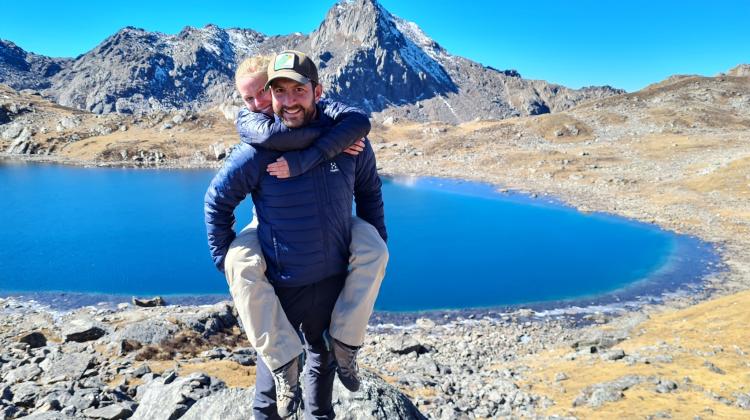
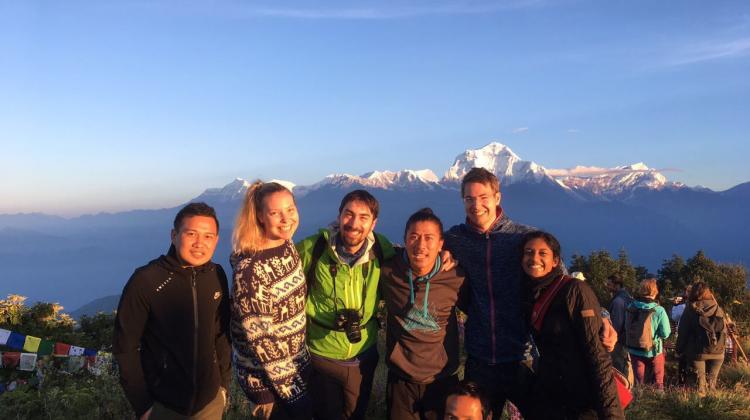
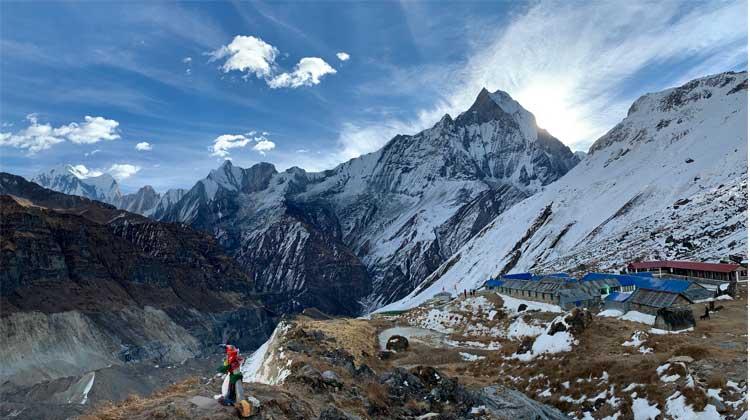
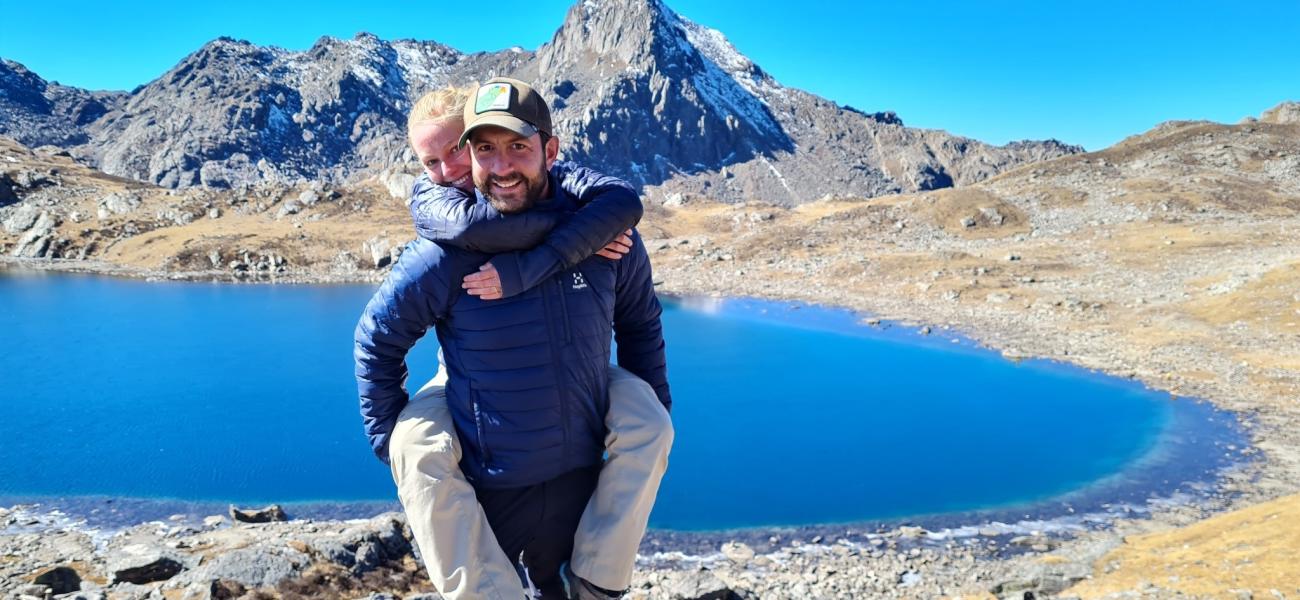
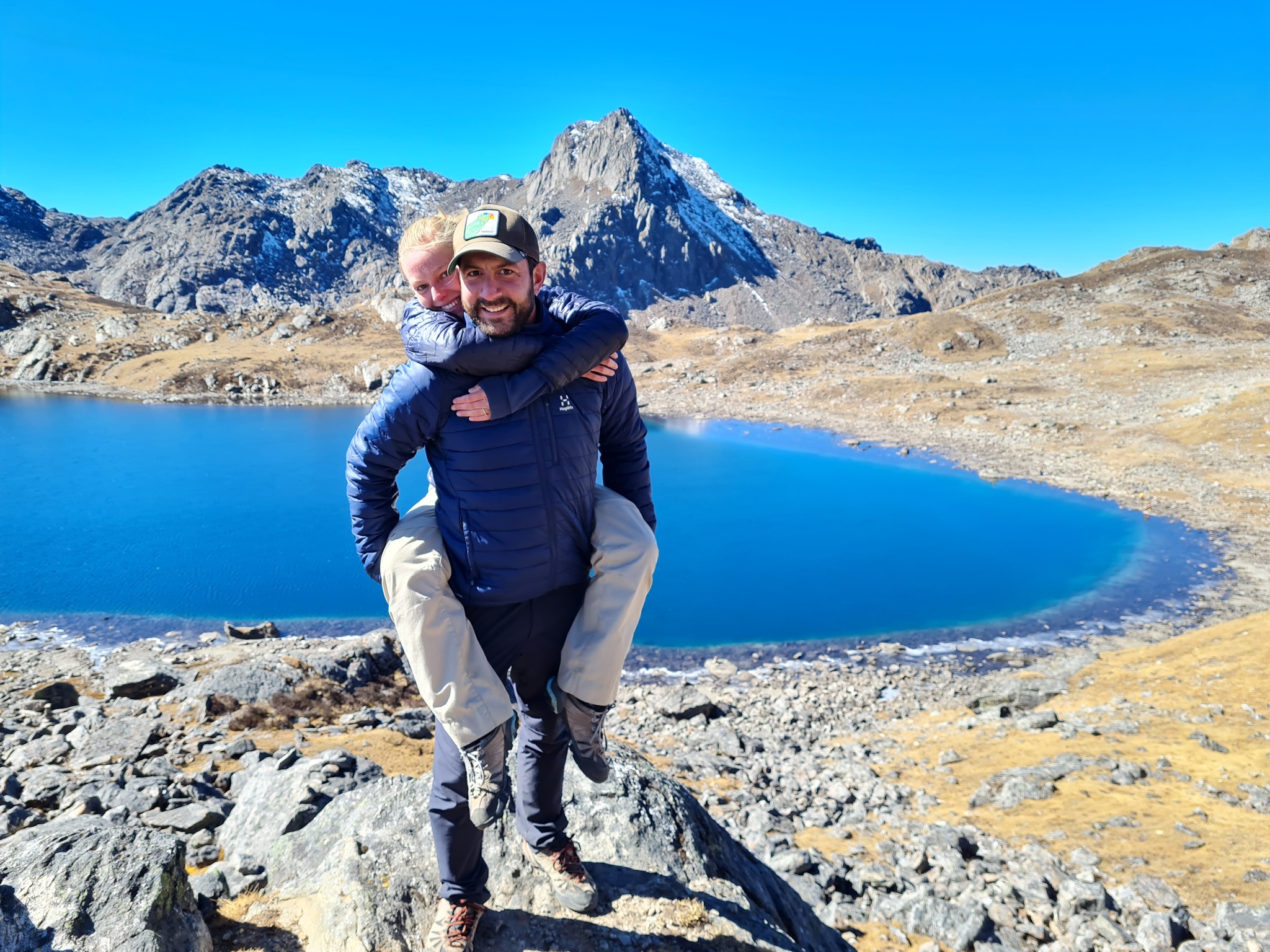
Located at an altitude of around 4,380 meters in Langtang National Park, Gosainkunda Lake is one of Nepal’s well-known high-altitude lakes and an important religious site. This 9-day Gosainkunda Lake Trek takes you to this sacred lake while also offering views of nearby Saraswati Lake and Bhairab Lake. The trek begins from Dhunche in Rasuwa district and gradually climbs through forests, mountain villages, rocky trails, and open landscapes. Along the way, you can see grazing cattle, local settlements, different plants, and mountain scenery. Then, the trail becomes more challenging as you gain altitude and approach Lauribinayak before reaching the Gosainkunda area. Besides the natural scenery, the trek also gives you a chance to experience the local culture and understand the religious importance. Gosainkunda lake is especially important to Hindu and Buddhist pilgrims and attracts visitors during religious festivals. As you continue along the trail, you can enjoy views of mountains, hills, and wide ridges while walking through the peaceful surroundings of Langtang National Park. With a manageable 9-day itinerary, the Gosainkunda Lake Trek is a good choice for trekkers who want to experience a high-altitude Himalayan destination, local culture, and mountain landscapes within a short trekking holiday.
What to Expect on Gosainkunda Lake Trek
From forested paths and mountain trails to local villages and Gosainkunda Lake, the trek offers a range of experiences along the route. The route involves several uphill and downhill sections, so a reasonable level of fitness is helpful. You can expect changing landscapes as the trail moves from lower hills to higher and more open areas.
- The trail starts around Dhunche and moves through forests, villages, hills, and higher mountain areas as you gain altitude.
- Some sections require 5 to 8 hours of walking, with uphill and uneven sections that can be physically demanding.
- Nights are spent in local teahouses with basic rooms and shared facilities, availability and facilities can vary along the route.
- Meals generally include common Nepali and trekking foods such as dal bhat, noodles, soups, rice, vegetables, and other simple dishes.
- The higher sections offer views of surrounding hills, mountain ridges, and the Gosainkunda Lake area.
- Gosainkunda is an important pilgrimage site for Hindus and is also respected by Buddhist communities.
- Temperatures can drop significantly at higher elevations, particularly during the morning, evening, and nighttime.
- Mobile network and internet access may be limited or unreliable in some parts of the trekking route.
Extra Highlights of the Gosainkunda Lake Trek
This Gosainkinda Lake Trek offers several experiences beyond the main attractions of the route. The journey includes quiet mountain settlements, changing landscapes, and different types of walking trails. You also get time to observe local lifestyles and interact with people along the route. Gradual change in scenery makes the trek interesting from the lower hills to the higher areas. Your return journey provides another chance to enjoy the surroundings at a slower pace. These extra experiences add variety to the overall trekking journey.
- Enjoy the changing scenery as the trail moves from lower hills to higher mountain areas.
- Experience the peaceful atmosphere of the trekking route away from the busy areas of Kathmandu.
- Spend time in small mountain settlements and observe the simple lifestyle of local communities.
- Walk along stone-paved and uneven mountain trails that give the trek a more traditional trekking experience.
- Enjoy clear morning views and changing light around the mountains when weather conditions are favorable.
- Experience cooler temperatures and a different environment as you move higher along the route.
- Have opportunities to interact with trekkers and pilgrims visiting the Gosainkunda area.
- Take a slower pace during the return journey and enjoy the familiar landscapes from a different perspective.
- Combine a scenic mountain journey with cultural sightseeing in Kathmandu before and after the trek.
Best Time for Gosainkunda Lake Trek
Best time for the Gosainkunda Lake Trek is generally during spring and autumn, when the weather is more stable and the trails are easier to walk. These seasons usually offer clearer mountain views and comfortable daytime temperatures. Summer/monsoon and winter are also possible, but they bring more rain, snow, cold temperatures, or difficult trail conditions. Your choice of season should depend on the weather you are comfortable with and the type of trekking experience you prefer.
1. Spring (March – May)
Spring is one of the best seasons for the Gosainkunda Lake Trek because the weather is generally suitable for trekking. Days are usually comfortable for walking, while temperatures at higher elevations remain cold. These trails become more lively with fresh vegetation and seasonal flowers. Clear mornings can also provide good views of the surrounding mountains and hills. March can still feel cold at higher elevations, while April and May are generally warmer. The weather can change quickly near Gosainkunda, so warm clothing is still necessary. Spring is a good choice for trekkers looking for relatively stable conditions and pleasant walking days.
2. Summer/Monsoon (June – August)
Summer overlaps with the monsoon season in Nepal, making this a less preferred period for the Gosainkunda Lake Trek. Rain can make the trails wet, slippery, and muddy, particularly in the lower forested sections. Clouds may also block mountain views for much of the day. Leeches can be present on some lower trails during periods of rainfall. Landslides and road conditions may also affect the journey between Kathmandu and Dhunche. However, the trek can still be completed with proper preparation and flexible plans. If you choose this season, waterproof clothing, good trekking shoes, and extra protection for your belongings are important.
3. Autumn (September – November)
Autumn is another popular season for the Gosainkunda Lake Trek due to generally clear weather and good trekking conditions. The monsoon rain usually decreases by September, gradually improving trail conditions and mountain visibility. October is often considered one of the most suitable months, with comfortable temperatures and clearer skies. November brings cooler temperatures, especially during mornings and nights, but daytime walking can still be pleasant. Higher sections remain cold, so proper warm clothing is needed. Autumn is a good option if you want clear views, relatively dry trails, and comfortable conditions for walking.
4. Winter (December – February)
Winter brings cold temperatures and the possibility of snow around the higher sections of the Gosainkunda route. The days can be sunny and suitable for walking, but mornings and nights are often very cold. Snow can cover parts of the trail and make some sections more difficult to cross. Weather conditions around the lake can also change quickly during this period. You should carry suitable winter clothing, warm sleeping gear, gloves, and other cold-weather equipment. Winter can be suitable for experienced trekkers who are prepared for colder conditions, but it is generally less comfortable than spring and autumn.
Accommodation and Meals during Gosainkunda Lake Trek
Accommodation and meals are arranged throughout the Gosainkunda Lake Trek to make the journey more convenient. You will stay in a standard hotel in Kathmandu and local teahouses during the trekking days. Facilities are generally basic in the mountain areas, especially at higher elevations. Meals focus on simple and filling options that provide energy for daily walking.
- You will stay at a 3-star standard hotel in Kathmandu, with basic hotel facilities and a comfortable room for your stay before and after the trek.
- During the trekking section, you will stay in local teahouses in places such as Dhunche, Chandanbari, and the Gosainkunda area.
- Rooms are generally simple and may include beds, mattresses, blankets, and basic furniture.
- Bathrooms in mountain teahouses are commonly shared.
- Hot showers may be available at some places for an additional cost, but facilities can become more limited at higher elevations.
- Breakfast is provided during the trekking days and usually includes options such as eggs, bread, porridge, pancakes, potatoes, noodles, tea, or coffee.
- Lunch is generally taken at a teahouse or local restaurant along the trail.
- Dal bhat, noodles, rice, vegetables, soup, and other simple meals are commonly available.
- Dinner is served at the teahouse where you stay overnight. Dal bhat, noodles, pasta, soup, rice, vegetables, and similar dishes are common choices.
- Bottled or filtered water may be available along the route, while trekkers can also use a reusable bottle with suitable water-purification methods.
- Carrying snacks such as chocolate, energy bars, dry fruits, or biscuits can be useful during longer walking sections when you need a quick source of energy.
Gosainkunda Lake Trek: What Makes It Popular?
This trek is popular for its combination of natural scenery, cultural experiences, and a high-altitude lake. Its relatively short duration also makes it a practical choice for travelers with limited time in Nepal. This route offers a mix of village trails, forests, mountain landscapes, and religious sites. Its location within the Langtang region makes the trek accessible while still providing a genuine mountain experience.
- Gosainkunda Lake sits at around 4,380 meters and is an important religious site for Hindu and Buddhist communities.
- A 9-day itinerary makes it possible to experience the area without spending several weeks on the trail.
- Starting the journey by road from Kathmandu to Dhunche keeps the approach to the trekking area relatively straightforward.
- Forests, mountain villages, rocky paths, and higher-altitude landscapes create variety throughout the walking route.
- Local settlements along the trail provide opportunities to observe traditional lifestyles and everyday mountain life.
- The route offers a different experience at different elevations, from greener lower sections to colder and more open areas near the lake.
- Religious traditions connected with Gosainkunda add a cultural aspect to the trekking experience.
- Kathmandu sightseeing before the trek allows travelers to combine cultural exploration with their time in the mountains.
Culture Experience on the Gosainkunda Lake Trek
The Gosainkunda Lake Trek offers opportunities to experience local culture while walking through mountain villages and settlements. Religious traditions are an important part of the route, especially around Gosainkunda Lake. Along the way, you can observe local lifestyles, traditional practices, and the daily activities of people living in the region. The journey also provides a chance to learn how religion and community life are connected in the mountain areas.
- Local villages along the trail provide a glimpse into the everyday lives of mountain communities.
- Gosainkunda is considered a sacred site, and many Hindu pilgrims visit the lake for religious purposes, particularly during the Janai Purnima festival.
- Buddhist traditions are also present in the wider region, adding another cultural element to the journey.
- Prayer flags, small shrines, temples, and other religious features can be seen around settlements and trekking areas.
- Interacting with local teahouse owners, guides, and villagers can help you learn about their customs and daily routines.
- Traditional Nepali food served in local teahouses gives you an opportunity to experience familiar regional dishes during the trek.
- The communities along the route depend on tourism, farming, livestock, and other local activities for their livelihoods.
- Respecting local customs, religious places, and community practices is an important part of having a positive cultural experience during the trek.
Altitude and Acclimatization for the Gosainkunda Lake Trek
Altitude is an important part of the trek because the route reaches around 4,380 meters at Gosainkunda Lake. The journey begins at a much lower elevation in Kathmandu and gradually moves toward higher mountain areas. As the elevation increases, the air becomes thinner and the body may need time to adjust. The itinerary includes gradual changes in altitude, although some sections involve significant uphill walking.
- The trek begins around 1,320 meters, giving trekkers time to settle in before heading toward the higher areas.
- At around 1,950 meters, Dhunche is the starting point of the main trekking section and provides a transition from the lower hills to higher elevations.
- Located at approximately 3,330 meters, Chandanbari marks a noticeable increase in altitude compared with Dhunche.
- The highest point of the itinerary is Gosainkunda at around 4,380 meters, where the thinner air can make walking more demanding.
- The route moves from Dhunche to Chandanbari before reaching Gosainkunda, allowing the body to adjust as the elevation increases.
- Headache, tiredness, dizziness, reduced appetite, or difficulty sleeping can occur when the body does not adjust well to higher elevations.
- A steady and comfortable pace is generally more suitable at higher elevations, particularly during the longer uphill sections toward Gosainkunda.
- Regular breaks, adequate fluids, and sufficient rest can support the body's adjustment to the changing altitude.
- Cold temperatures, physical exertion, and individual sensitivity to altitude can affect how someone feels during the higher sections of the trek.
Difficulty Level of Gosainkunda Lake Trek
Gosainkunda Lake Trek is suitable for trekkers looking for a moderate mountain walking experience. The 9-day itinerary includes several hours of walking each day, with uphill and downhill sections on uneven mountain trails. Reaching 4,380 meters at Gosainkunda also makes the higher sections more demanding. Level of difficulty during Gosainkunda Lake Trek can vary depending on fitness, walking experience, weather, and how well the body adjusts to the increasing altitude.
- Most trekking days involve around 4 to 8 hours of walking, with longer sections requiring more physical effort.
- The route from Dhunche toward Chandanbari and onward to Gosainkunda includes steady climbs that can feel more difficult at higher elevations.
- Stone steps, rocky paths, forest trails, and uneven surfaces are common along different sections of the route.
- Gosainkunda is situated at approximately 4,380 meters, where lower oxygen levels can make walking more tiring.
- A reasonable level of physical fitness can make the daily walking and uphill sections more manageable.
- Previous hiking or trekking experience can be helpful, although the route does not generally require technical climbing skills.
- Rain, snow, cold temperatures, or slippery trails can increase the difficulty depending on the season.
- The section from Chandanbari to Gosainkunda is one of the more demanding days because of the distance, elevation gain, and higher-altitude environment.
Permits Required for Gosainkunda Lake Trek
A Langtang National Park Entry Permit and TIMS Card are required for the standard Gosainkunda trekking route. It falls within Langtang National Park, while the current TIMS regulations specifically list both the Goshaikunda Trek and Langtang Gosainkund Trek among the routes where a licensed guide and agency-issued TIMS Card are required. The permit process is generally straightforward when the trek is arranged through a registered trekking agency like Nepalaya Treks. Primarily, the costs depend on your nationality, with separate rates for Nepali, SAARC, and other foreign nationals.
1. Langtang National Park Entry Permit
Langtang National Park Entry Permit is required because the Gosainkunda trekking route falls within Langtang National Park. Foreign trekkers can obtain the permit from the Nepal Tourism Board Tourist Service Center at Bhrikutimandap, Kathmandu, or at the designated entry point in Dhunche. Current fee is NPR 3,000 for other foreign nationals and NPR 1,500 for SAARC nationals, while Nepali citizens pay NPR 100. Children below 10 years can enter free of charge. For organized treks, the permit is usually arranged by the trekking agency before the group enters the national park. Dhunche is also home to the park headquarters and serves as an important entry point for the Gosainkunda route.
2. TIMS Card
TIMS (Trekkers' Information Management System) Card is required for the Gosainkunda Trek under the current regulations. Nepal Tourism Board lists both the Gosainkunda Trek and Langtang Gosainkunda Trek among the routes requiring a licensed guide and an agency-issued TIMS Card. Current fee is NPR 2,000 for other foreign nationals and NPR 1,000 for SAARC nationals. TIMS registration and payment are handled online through a government-registered trekking agency, rather than trekkers obtaining the card independently from a counter. Once the registration is completed, an electronic TIMS Card with a QR code is generated. The agency provides the required trekker and guide details during registration and normally completes this process before the trek begins.
Insurance for the Gosainkunda Lake Trek
Travel insurance is an important part of planning the Gosainkunda Lake Trek, especially because the route reaches an altitude of around 4,380 meters. The trek involves long walking days, changing weather, and remote mountain sections where medical facilities may not be easily available. A suitable insurance policy can provide financial support if unexpected problems occur during the journey. Coverage should match the altitude and activities included in the trekking itinerary.
- The insurance policy is ideally valid for trekking up to at least 4,380 meters, which covers the maximum altitude reached at Gosainkunda Lake.
- Coverage for medical treatment can help with unexpected injuries, illness, or other health-related problems during the trek.
- Since some sections of the route are remote, helicopter evacuation coverage can be particularly important if an emergency requires transportation to a medical facility.
- Some policies provide compensation for eligible cancellations caused by covered medical or personal circumstances before the journey.
- Coverage for lost, stolen, or delayed baggage can help with additional expenses related to essential belongings during the trip.
- Depending on the policy, expenses caused by significant flight or transportation delays may also be covered.
- Keeping a digital and printed copy of the insurance policy and emergency contact information can make it easier to access assistance when required.
- Insurance policies differ in their exclusions, altitude limits, evacuation conditions, and claim procedures, so the specific terms are important when selecting coverage for the trek.
Why Choose This Itinerary?
The 9-day Gosainkunda Lake Trek is a suitable option for those looking to experience the Gosainkunda region without spending several weeks on a trekking route. Itinerary combines Kathmandu sightseeing, a scenic drive to Dhunche, mountain walking, and time around Gosainkunda Lake. This route also allows trekkers to experience local villages and the religious importance of the lake. With accommodation, meals, transportation, permits, and guide support included, the journey is planned around the main requirements of the trek.
- A shorter schedule makes the trek suitable for travelers with limited time in Nepal.
- The itinerary includes visits to important cultural and historical sites before the trekking section begins.
- The journey moves from Kathmandu to Dhunche, Chandanbari, and finally Gosainkunda, with changes in elevation along the way.
- The itinerary includes an overnight stay near the lake rather than making the visit only as a short stop.
- Walking back through the route provides a different perspective of the landscapes and mountain settlements.
- Transportation, accommodation, meals, permits, and trekking staff are arranged as part of the package.
- Staying in mountain teahouses provides a simple and practical experience during the trekking days.
- The route involves regular uphill and downhill walking but does not require technical climbing skills.
Safety on the Gosainkunda Lake Trek
Safety is an important part of the Gosainkunda Lake Trek because the route reaches 4,380 meters and includes several long walking sections. Weather, altitude, uneven trails, and changing trail conditions can affect the difficulty of the journey. The trek passes through mountain areas where facilities are more limited than in Kathmandu. With proper planning and support from an experienced trekking team, the route can be managed comfortably.
- The increase in elevation can cause symptoms such as headache, tiredness, dizziness, or shortness of breath.
- Changes in how the body feels are important to monitor, especially around higher sections.
- A comfortable pace with regular breaks can make the longer uphill sections more manageable and reduce unnecessary physical strain.
- Mountain weather can change quickly, particularly around higher elevations, rain, snow, fog, and cold temperatures may affect visibility and trail conditions.
- Some parts of the route include stone steps, rocky surfaces, and uneven paths, and wet or snowy conditions can make these sections more challenging.
- A licensed trekking guide can assist with route navigation, daily walking plans, accommodation arrangements, and situations that may arise during the trek.
- Regular fluids and nutritious meals help maintain energy during the walking days, particularly on the longer sections of the itinerary.
- Remote sections of the trail have limited medical facilities, making appropriate travel insurance with emergency evacuation coverage useful for unexpected situations.
- Mobile network availability can vary along the route, so communication may be limited in some mountain sections.
- Spring and autumn generally offer more suitable trekking conditions, while monsoon rain and winter snow can make certain sections more difficult.
Responsible Tourism
Responsible tourism on the Gosainkunda Lake Trek helps protect the natural environment and supports the communities along the route. The trail passes through Langtang National Park and several mountain settlements, making environmental and cultural awareness important. Small choices during the trek can help reduce waste and support local businesses. The following practices can contribute to a more sustainable trekking experience:
- Reusable water bottles and refill stations can help reduce the use of single-use plastic bottles along the trail.
- Waste can be kept in a backpack until a suitable disposal point is available, particularly in remote sections with limited waste facilities.
- Staying in local teahouses, eating locally prepared meals, and purchasing products from village shops can contribute to the local economy.
- Gosainkunda has strong religious importance, so temples, shrines, prayer flags, and other sacred places are best approached with cultural awareness.
- Plants, wildlife, forests, and other natural features within the national park form an important part of the trekking area and benefit from minimal disturbance.
- Water, electricity, and hot water can be limited in mountain teahouses, particularly at higher elevations, so moderate use can help conserve local resources.
- Interactions with villagers and local staff can be more positive when local customs, privacy, and daily routines are considered.
- Maintaining clean walking routes helps preserve the natural surroundings for local communities and future trekkers.
Group Size
The Gosainkunda Lake Trek can be arranged for different group sizes depending on the traveler's preference and requirements. A smaller group can offer more flexibility with walking pace, accommodation, and daily arrangements, while a larger group can provide a more social trekking experience. The trekking team can also be organized according to the number of participants and the services required.
- Suitable for individuals, couples, families, or friends who prefer a more personalized trekking experience.
- Small groups can provide a comfortable balance between social interaction and flexibility during the trek.
- The itinerary can also accommodate larger groups, with guides and porters arranged according to the group size.
- Individual travelers can join the trek with a guide and porter arrangement based on their requirements.
- The package includes an English-speaking trekking guide and one porter for every two trekkers, helping with route guidance and luggage during the trekking days.
Private Departure Available By Deluxe Bus, Private Car, and Flight
Private departures are available for the Gosainkunda Lake Trek with Nepalaya Treks for travelers who prefer to have their own group and transportation arrangements. Nepalaya Treks can organize the trekking schedule around your preferred departure date, group size, and transportation option. Different transport choices are available for the journey between Kathmandu and the trekking region, allowing travelers to select an option based on comfort, budget, and time.
- A deluxe bus provides a comfortable option for groups traveling between Kathmandu and Dhunche. It is suitable for travelers looking for a practical choice while keeping transportation costs manageable.
- A private car offers more flexibility with departure timing and stops during the road journey. This option can be convenient for couples, families, or small private groups.
- Flight arrangements can be considered for travelers who prefer to reduce road travel time. Availability depends on the selected route, weather conditions, and flight schedules.
- Private trips can be arranged according to the preferred travel dates, subject to transportation and accommodation availability.
- The itinerary, transportation, accommodation, and trekking services can be coordinated specifically for the private group.
Equipment Rental Information
Equipment rental is available in Kathmandu for trekkers who prefer not to purchase all their trekking gear. This can be a practical option for first-time trekkers or travelers who do not regularly use trekking equipment. Rental services are available through trekking agencies and outdoor equipment shops, depending on the item and season. The rental period and price generally depend on the type and quality of the equipment.
- Trekking equipment can be rented in Kathmandu before the journey begins, making it easier to prepare for the trek without carrying bulky gear from home.
- Rental services can be useful for items that are mainly needed for the colder and higher sections of the Gosainkunda route.
- Equipment availability may vary between rental shops, particularly during the busy spring and autumn trekking seasons.
- Rental charges generally depend on the equipment type, quality, and number of days it is rented.
- Trekking agencies may also assist with arranging rental equipment based on the requirements of the itinerary.
- Personal items such as trekking shoes, medicines, socks, and personal clothing are generally not included in equipment rental services and are arranged separately.
Trip Highlights
- Experience the natural surroundings of Langtang National Park, including different plants, birds, and wildlife found along the trekking route.
- Learn about the religious importance of Gosainkunda, which is an important pilgrimage destination for Hindu and Buddhist devotees.
- Walk through local villages and observe the lifestyle, traditions, and daily activities of communities in the Langtang region.
- Cross the challenging Lauribinayak Pass and experience the steep trails and higher-altitude surroundings along the route.
- Explore Saraswati Lake and Bhairab Lake, located near Gosainkunda, and enjoy the peaceful surroundings of these high-altitude lakes.
- Visit the sacred Gosainkunda Lake at an altitude of 4,380 meters and explore one of Nepal’s well-known high-altitude lakes.
Itinerary
Day 1: Arrival in Kathmandu Airport and Transfer to Hotel
Upon your arrival at Tribhuvan International Airport, you will be welcomed by our representative and transferred to your hotel in Kathmandu. From the airport, the drive to the hotel takes around 30 to 45 minutes, depending on traffic and road conditions. After checking in, you can take some time to rest and recover from your journey. You can also explore the nearby streets, visit local shops, or enjoy some time at a nearby cafe if you feel comfortable. The remaining time can be used to organize your trekking belongings and make sure you have all the necessary equipment for the journey. In the evening, you will enjoy a welcome dinner and receive a brief introduction to the Gosainkunda Lake Trek, including the route, daily walking schedule, accommodation, and important safety information. You will then spend the night at your hotel in Kathmandu, preparing for the next day's sightseeing and the trek ahead.
- Max Elevation: 1,320 meters
- Travel Distance: 6 to 8 kilometers
- Travel Hours: 30 to 45 minutes
- Accommodation: 3-star Standard Hotel
- Meal Included: Welcome Dinner
Day 2: Full day Sightseeing of Kathmandu Valley
Day 3: Drive from Kathmandu to Dhunche by Bus
Day 4: Trek from Dhunche to Chandanbari
Day 5: Trek from Chandanbari to Lauribinayak and Gosainkunda
Day 6: Trek from Gosainkunda Lake to Chandanbari
Day 7: Trek Back from Chandanbari to Dhunche
Day 8: Drive Back to Kathmandu
Day 9: Final Departure
Inclusion / Exclusion
Inclusion
- Airport pickup and drop-off between the airport and hotel
- 3 nights’ accommodation in a 3-star hotel in Kathmandu with breakfast on a twin-sharing basis
- Breakfast, lunch, and dinner during the trekking days as mentioned in the itinerary
- An experienced English-speaking trekking guide
- One porter for every two trekkers
- Shared local bus transportation from Kathmandu to Dhunche
- TIMS (Trekkers’ Information Management System) Card
- Langtang National Park entry permit and required trekking permits
- Teahouse or lodge accommodation during the trek in locally run properties with shared facilities
- Government taxes and applicable service charges
Exclusion
- Nepal visa fee of USD 30 per person
- Personal trekking equipment such as sleeping bag, down jacket, trekking shoes, gloves, trekking poles, warm clothes, sunglasses, sunscreen, and socks
- Personal medicines and first-aid items
- Personal travel insurance, including medical and emergency evacuation coverage
- Additional hotel nights in Kathmandu due to early arrival or late departure
- Lunch and dinner in Kathmandu
- Alcoholic and non-alcoholic drinks, including tea, coffee, mineral water, hot water, soft drinks, and beer
- Snacks, chocolates, desserts, and other personal food items
- Hot showers and laundry services during the trek
- Personal expenses such as shopping, telephone calls, and other purchases
- Wi-Fi, internet, phone calls, and battery-charging charges
- Tips for the guide and porter
- Additional porter service for solo travelers (can be arranged at an extra cost)
- Private Scorpio jeep from Kathmandu to Dhunche (optional, can be arranged for an additional USD 150)
- Any other expenses or services not specifically mentioned under the Cost Inclusion section
Check List
Packing properly can make your Gosainkunda Lake Trek more comfortable and manageable. Since the trail reaches an altitude of 4,380 meters, you should carry warm clothing and suitable trekking gear. Pack according to the season, as temperatures can change quickly at higher elevations. Keep your backpack light by carrying only the items you are likely to need during the trek. Make sure you have comfortable footwear, personal medicines, and basic first-aid supplies. The following packing list covers the main clothing, equipment, and personal items needed for the trek.
Head
- Headlamp with extra batteries
- Sun hat or cap
- Warm woolen hat or beanie
- Scarf or neck gaiter
Face
- Sunscreen (SPF 30 or higher)
- Lip balm with SPF
- Sunglasses with UV protection
- Face or body wipes
Hands
- Hand sanitizer
- Lightweight trekking gloves
- Warm insulated gloves
- Waterproof or windproof outer gloves
Trekking Clothing
- Down jacket
- Fleece jacket
- Moisture-wicking trekking T-shirts (2–3)
- Long-sleeved trekking shirt
- Trekking pants (2 pairs)
- Thermal top and bottom
- Breathable underwear
- Warm fleece layer
- Waterproof and windproof jacket
- Waterproof trekking pants
Clothing for Kathmandu
- Comfortable T-shirts
- Casual pants or jeans
- Light jacket
- Comfortable shoes or sandals
Footwear
- Waterproof trekking boots
- Sports shoes or sandals
- Trekking socks (3–4 pairs)
- Warm woolen socks
- Gaiters (optional during snow season)
Backpack
- Duffel bag (if using a porter)
- Daypack (20–35 liters)
- Rucksack
- Rain cover for your backpack
Essential Trekking Gear
- Reusable water bottles (2 liters total)
- Water purification tablets or filter
- Trekking poles
- Sleeping bag (rated to around -15°C)
- Pocket knife or multi-tool
- Watch or alarm
- Mobile phone and charging cable
- Power bank
Toiletries
- Quick-dry towel
- Toothbrush and toothpaste
- Biodegradable soap and shampoo
- Deodorant
- Moisturizer
- Female hygiene products (if needed)
- Nail clippers
- Small mirror
- Toilet paper
- Dental floss
Personal Accessories
- Passport and photocopies
- Passport-size photos
- Cash (Nepalese Rupees)
- Camera
- Travel documents
Extra Items
- Notebook and pen
- Earplugs
- Energy or protein bars
- Personal first aid kit
- Personal medications
Trip FAQs
-
1. What is the maximum altitude of the Gosainkunda Lake Trek?
The highest point of this itinerary is Gosainkunda Lake, located at approximately 4,380 meters above sea level. Increasing altitude makes proper preparation and a steady walking pace important. -
2. Is altitude sickness a concern on the Gosainkunda Trek?
Yes, since the trek reaches 4,380 meters, altitude-related problems are possible. Headache, dizziness, nausea, and unusual tiredness can occur. Walking slowly, staying hydrated, and informing your guide about any symptoms are important. -
3. What should I do if I experience altitude sickness?
Inform your guide immediately if you develop symptoms of altitude sickness. Depending on the severity, you may need to rest or descend to a lower altitude. Serious symptoms should not be ignored. -
4. Where do we stay during the Gosainkunda Trek?
Accommodation is provided in local teahouses and lodges along the route. These are generally simple properties run by local families, with basic rooms and shared toilet facilities. -
5. What meals are available during the trek?
Breakfast, lunch, and dinner are included during the trekking days as mentioned in the itinerary. Common meals include dal bhat, noodles, rice, vegetables, soups, eggs, and other simple dishes available at local teahouses. -
6. Is food suitable for vegetarians?
Yes, vegetarian meals are generally available at teahouses along the route. You can inform your guide or accommodation provider about your food preferences when ordering meals. -
7. Is travel insurance required for the trek?
Personal travel insurance is not included in the package, but it is strongly recommended. Your insurance should cover trekking at the maximum altitude of your itinerary and include emergency medical treatment and evacuation if required. -
8. Can I rent trekking equipment in Kathmandu?
Yes, several trekking equipment shops in Kathmandu offer items such as sleeping bags, down jackets, trekking poles, and other gear for rent or purchase. Renting can be useful if you do not want to buy equipment for a single trek. -
9. Do I need a sleeping bag for the trek?
A warm sleeping bag is recommended because temperatures can become cold at higher elevations. You can bring your own or rent one in Kathmandu before starting the trek. -
10. Can I visit Gosainkunda during a religious festival?
Yes, Gosainkunda attracts many pilgrims during Janai Purnima, when devotees travel to the lake for religious purposes. The area can be considerably busier during this period than during regular trekking days. -
11. Is the Gosainkunda Lake Trek safe?
The trek is generally safe when you are properly prepared and follow your guide's instructions. Weather, steep trails, and altitude are the main factors to consider. Staying with your group and walking at a comfortable pace can help reduce risks. -
12. Should I carry a first-aid kit?
Yes, carrying a small personal first-aid kit is useful. It can include basic items such as bandages, blister treatment, pain relief medicine, personal medicines, and other items you may regularly need. -
13. Can I combine Gosainkunda with the Langtang Valley Trek?
Yes, the two routes Gosainkunda and the Langtang Valley Trek share the Langtang region and start from the same road to Dhunche, so they can be combined into a longer itinerary. Contact Nepalaya Treks to plan a custom route.
All Inclusive Cost
USD 980
Per Person
BOOK NOW QUICK ENQUIRY- Best Price Guarantee
- Hassle-Free Booking
- Team of highly experienced Experts
You may also like !!
Our Best Selling Packages You May Like.