Overview
Langtang-Gosaikunda-Helambu is the most beautiful region of the northern part of Nepal, as this region lies near the capital of Nepal, Kathmandu. It is famous for its beautiful Himalayas covered with snow, lakes formed due to glaciers, green forests and cultural villages. Langtang Valley is especially renowned for its natural beauty and mountain scenery, including the settlement of the Tamangs in Langtang National Park. The national park is inhabited by various species of wildlife, various types of vegetation as well as beautiful landscapes. The surrounding mountains, including Langtang Lirung, Dorje Lakpa and other Himalayan peaks, make the area an attractive destination for nature lovers and mountain enthusiasts. The other big attraction is Gosaikunda, where one can admire the lake and its religious significance. Gosaikunda Lake is placed about 4,380 m above sea level and is revered by both the Hindu and the Buddhist community. Hindu mythology attributes the lake to Lord Shiva and it has attracted thousands of pilgrims particularly during Janai Purnima festival. Helambu is famous for its traditional villages of Hyolmo people, Buddhist monasteries, terraced agricultural field and the tranquil mountain environment further south. The region offers an opportunity to understand local traditions, architecture, food and lifestyles. Langtang, Gosainkunda, and Helambu represent the beauty of nature and culture of Nepal’s Himalayan range combined.
What to Expect on Langtang–Gosaikunda–Helambu Trek
Trip Highlights
- Experience natural beauties, culture, and high mountain trekking in one package.
- Walk through the beautiful Helambu region and explore its peaceful mountain settlements.
- Taste local cuisines, learn local customs and hospitality from the local people of the Himalayas.
- Visit Buddhist monasteries and places for prayers during the trekking trail.
- Explore the villages of the Tamangs and Hyolmos to know about their lifestyle.
- Discover the natural beauty of alpine lakes, green forests, rivers and mountain landscapes.
- Cross Lauribina La Pass (4,610m) one of the highest points on the trek.
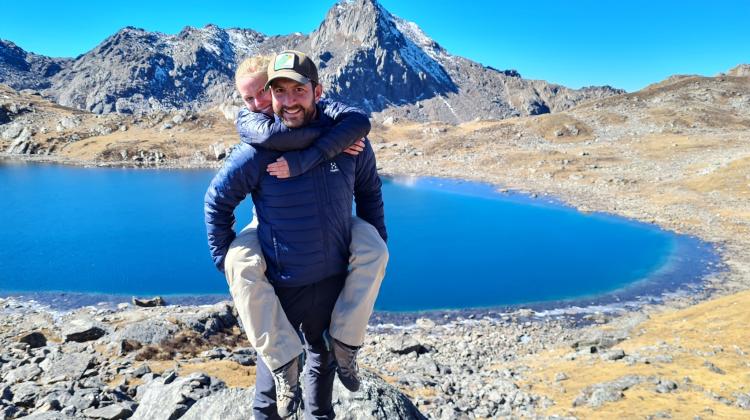
- Visit the sacred Gosaikunda lake at 4,380 metres.
- Experience a panoramic view of the mountain from Kyanjin Ri or Tserko Ri.
- Explore Kyanjin Gompa, the traditional settlement of the upper part of the Langtang Valley.
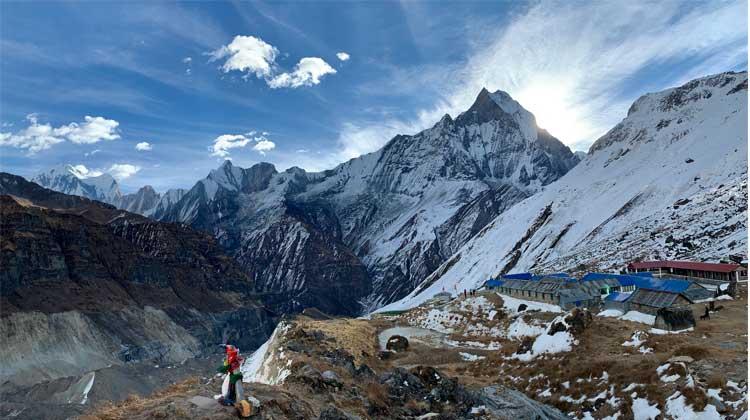
- Enjoy the beauty of the Langtang valley and see the surrounding mountains.
Itinerary
Day 1: Arrival in Kathmandu (1,350 meters / 4,429ft) – Hotel Check-in and Trip Briefing
Once you land at the Tribhuvan International Airport, the representative from our company will pick you up and drop you off at your hotel in Kathmandu. It will take you approximately 30 to 45 minutes to reach there through the car. After resting at the hotel in case there is some time left before the meeting with the trekking guide. This will be followed by a briefing session regarding the Langtang-Gosaikunda-Helambu Trek. The session will provide you with all the important details about the trekking route, activities, accommodations, required equipment, and other precautions. You can also visit trekking gear and arrange equipment, for the upcoming trek. In the evening, you can enjoy your welcome dinner and spend overnight at the 3-star standard hotel in Kathmandu.
- Max Elevation: 1,320 meters
- Travel Distance: 6 to 8 kilometers
- Travel Hours: 30 to 45 minutes
- Accommodation: 3-star Standard Hotel
- Meal Included: Welcome Dinner
Day 2: Sightseeing Tour of UNESCO World Heritage Sites and Trek Preparation
Day 3: Drive from Kathmandu to Syabrubesi (1,550 meters / 5,086ft)
Day 4: Trek from Syabrubesi to Lama Hotel (2,380 meters / 7,809ft)
Day 5: Trek from Lama Hotel to Mundu (3,543 meters / 11,625ft) via Langtang Village
Day 6: Trek from Mundu to Kyanjin Gompa (3,870 meters / 12,697ft)
Day 7: Acclimatization Day – Hike up to Tserko Ri (5,000 meters / 16,405ft)
Day 8: Trek from Kyanjin Gompa Back Down to Lama Hotel (2,380 meters / 7,809ft)
Day 9: Trek from Lama Hotel to Thulo Syabru (2,230 meters / 7,317ft)
Day 10: Trek from Thulo Syabru to Shin Gompa / Sing Gompa (3,330 meters / 10,926ft)
Day 11: Trek from Shin Gompa to Gosaikunda (4,460 meters / 14,633ft)
Day 12: Trek from Gosaikunda across the Laurebina La Pass (4,610 meters / 15,124ft), pass smaller alpine lakes, and descend to Ghopte (3,439 meters / 11,283ft)
Day 13: Trek from Ghopte to Melamchigaon (2,560 meters / 8,399ft)
Day 14: Trek from Melamchigaon to Tarkeghyang (2,590 meters / 8,498ft)
Day 15: Trek from Tarkeghyang to Sermathang (2,610 meters / 8,563ft)
Day 16: Trek down to Melamchi Bazaar (or take a short trail to Sundarijal) and drive back to Kathmandu (1,350m / 4,429ft)
Day 17: Final Departure
Inclusion / Exclusion
Inclusion
- Airport–Hotel–Airport transfers by private vehicle
- Accommodation in local teahouses and lodges run by Nepalese families, generally with shared outside toilets
- Daily breakfast, lunch and dinner (main course) during the trekking days as mentioned in the itinerary
- One experienced English-speaking trekking guide and one porter for every two trekkers, and also porter service for solo travellers can be arranged at an additional cost
- Local bus transportation from Kathmandu to Syabrubesi and return transportation from Melamchi Bazaar to Kathmandu
- Sightseeing tour around Kathmandu Valley with a private car and experienced guide
- All necessary paperwork and Langtang National Park Entry Permit
- Trekkers' Information Management System (TIMS) Card, as applicable under current regulations
- Insurance coverage for the trekking guide and porter
- Company service charges and applicable taxes
- Traditional Nepali farewell dinner in Kathmandu
Exclusion
- Nepal tourist visa fee, payable upon arrival at the airport
- Travel insurance covering high-altitude trekking, medical expenses and emergency helicopter evacuation
- Meals in Kathmandu, except the farewell dinner mentioned in the package
- Expenses for emergency rescue, helicopter evacuation and medical treatment
- Tips for the trekking guide, porter and driver
- Entrance fees for Kathmandu Valley sightseeing (approximately USD 26 per person)
- All alcoholic and non-alcoholic beverages, including drinking water, tea, coffee, beer, hot water and soup
- Chocolates, desserts, energy bars and other sweet items during the trek
- Charges for hot shower facilities and laundry services during the trek
- Additional hotel nights before or after the scheduled itinerary
- Laundry, telephone calls, internet, heater charges, shopping and other personal expenses
- Additional charges for Wi-Fi, internet access and battery charging at teahouses
- Any services, facilities or expenses not specifically mentioned under the Cost Includes section
Trip FAQs
-
What is the maximum altitude of the Langtang–Gosaikunda–Helambu Trek?
The highest point of this trek is Lauribina La Pass, located at approximately 4,610 meters above sea level. Gosaikunda Lake is another major high-altitude destination at around 4,380 meters. Proper preparation and a steady walking pace are important. -
How difficult is the Langtang–Gosaikunda–Helambu Trek?
The trek is considered moderate to challenging. It includes long walking days, steep uphill and downhill sections and a high mountain pass. Trekkers with reasonable fitness and proper preparation can complete the journey with the support of an experienced guide. -
Is altitude sickness a concern on the Langtang–Gosaikunda–Helambu Trek?
Yes, altitude sickness is a possible concern because the trek reaches above 4,600 meters. Symptoms such as headaches, dizziness, nausea and unusual tiredness may occur. Walking slowly, staying hydrated and allowing enough time for acclimatization can help reduce the risk. -
What should I do if I experience altitude sickness?
Inform your guide immediately if you experience symptoms of altitude sickness. Depending on their severity, you may need to rest or descend to a lower altitude. Do not continue ascending when symptoms worsen, and seek medical assistance when necessary. -
Is there an acclimatization day during the trek?
Yes, the itinerary includes an acclimatization day at Kyanjin Gompa. You can explore the surrounding area or take an optional hike to Kyanjin Ri or Tserko Ri. This day helps your body adjust to the altitude before continuing the journey. -
Where do we stay during the Langtang–Gosaikunda–Helambu Trek?
Accommodation is provided in local teahouses and lodges along the trekking route. These are generally simple properties run by local families, offering basic rooms, beds, blankets and shared toilet facilities. Hotel accommodation is arranged in Kathmandu. -
Is food suitable for vegetarians?
Yes, vegetarian meals are generally available at teahouses throughout the route. You can find options such as dal bhat, vegetable noodles, fried rice, potatoes and soups. Inform your guide about your food preferences so suitable meals can be arranged. -
Can I visit Gosaikunda during a religious festival?
Yes, Gosaikunda attracts many Hindu and Buddhist pilgrims during Janai Purnima. Devotees visit the lake for religious purposes and take ritual baths. The area can become considerably busier during this festival than during regular trekking days. -
Which local communities can I experience during the trek?
You will mainly experience the cultures of the Tamang and Hyolmo communities. Their traditions, Buddhist monasteries, local food, traditional houses and religious practices are important parts of the journey through Langtang and Helambu. -
Is the Langtang–Gosaikunda–Helambu Trek safe?
The trek is generally safe when you are properly prepared and follow your guide's instructions. Weather changes, steep trails and altitude are the main factors to consider. Staying with your group, checking weather conditions and walking at a comfortable pace can help reduce risks. -
Is Lauribina La Pass difficult to cross?
Lauribina La Pass is one of the most challenging sections of the trek because of its high elevation and rocky mountain trails. Weather conditions can also change quickly. Starting early, walking carefully and following your guide's instructions are important for a safe crossing.
All Inclusive Cost
BOOK NOW QUICK ENQUIRY- Best Price Guarantee
- Hassle-Free Booking
- Team of highly experienced Experts
You may also like !!
Our Best Selling Packages You May Like.