How Difficult Is the Annapurna Base Camp Trek for Beginners?
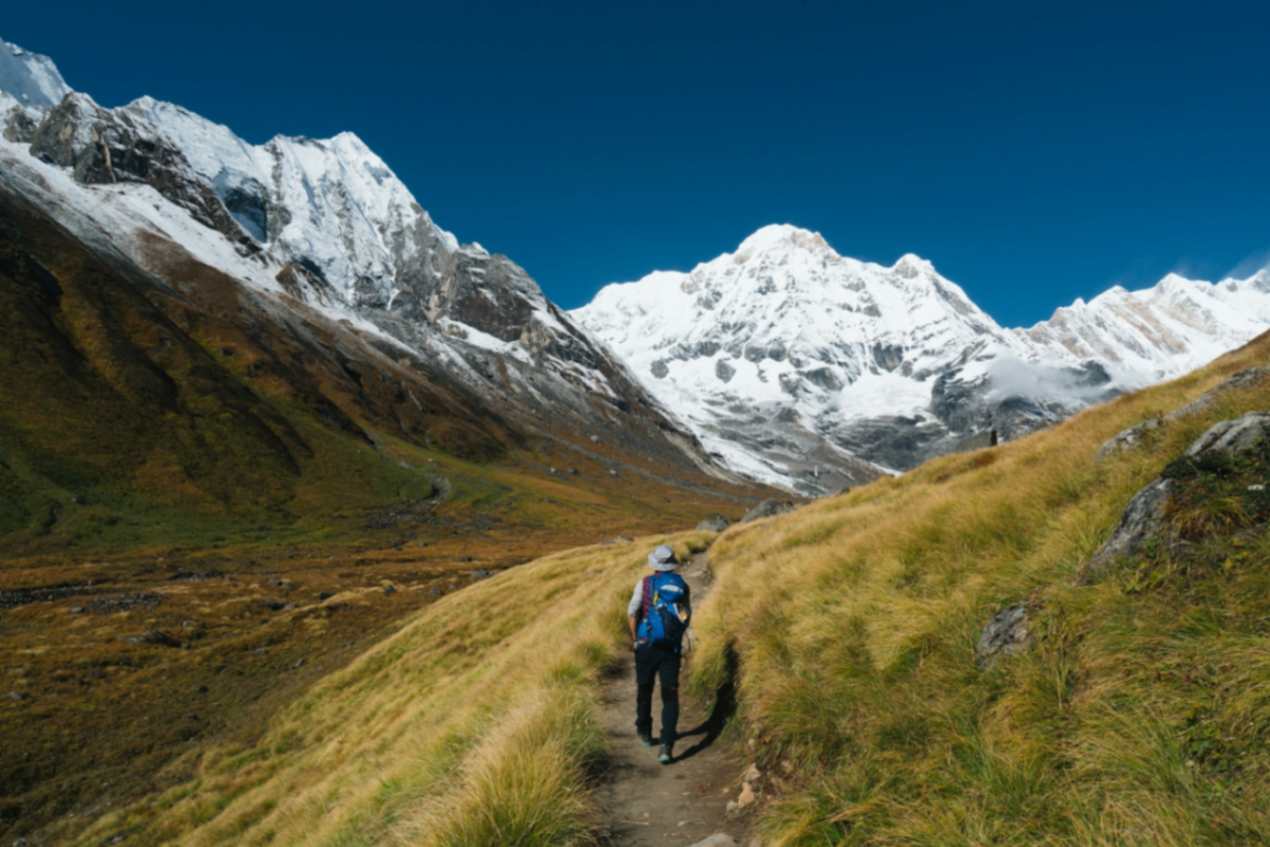
The Annapurna Base Camp is among some of the best Himalayan Treks for beginners. Although this region is physically demanding, you do not require technical climbing skills or previous experience. That said, you do have to note that as a trekker, you should still be well prepared, have a reasonable level of fitness, and have a well-planned itinerary. This puts the Annapurna Base Camp trek in the moderate difficulty category. But do note that although beginners can go on this trek and clear, there are still some challenges that one must overcome.
In this guide, we shall provide you with insights on the difficulty level of Annapurna Base Camp, alongside additional insights such as what makes this trek challenging, the physical fitness required, trail conditions, and more.
In this guide, we shall provide you with insights on the difficulty level of Annapurna Base Camp, alongside additional insights such as what makes this trek challenging, the physical fitness required, trail conditions, and more.
Is the Annapurna Base Camp Trek Suitable for Beginners?

Yes, it is true that the trek to Annapurna Base Camp is a great trek for starters. It is worth mentioning that you should have good health and fitness. Unlike climbing adventures, you do not need any previous experience in trekking or climbing in general. You will be trekking along the marked routes through the hospitable mountain villages with comfy tea houses for shelter and food all the way round.
However, despite the safety within the trails, this still poses a decent level of difficulty. You can expect to walk for several hours each day, ascend and descend through stone steps, and deal with changing weather conditions as you gain elevation. Arriving at Annapurna Base Camp, which is 4,130 meters high, means that you must travel through greater altitudes. At this elevation, there might be thin air, and this makes walking and breathing more difficult. With proper planning, proper walking speed and proper acclimatization, one can successfully undertake the trek even as a novice.
Trek Difficulty Level at a Glance
You can benefit from being aware of what the Annapurna Base Camp Trek will entail before embarking on the journey. Although the trekking route is considered moderate and is accessible to most novices, the general level of difficulty depends on such aspects as walking distance per day, altitude and terrain. The following table highlights the difficulty level of the trek.
| Factor | Difficulty |
| Overall Difficulty | Moderate |
| Technical Skills Required | None |
| Maximum Altitude | 4,130 m (Annapurna Base Camp) |
| Daily Walking | 5–7 hours |
| Trail Condition | Well-maintained with many stone steps |
| Suitable for Beginners | Yes, with preparation |
What Makes the Trek Challenging?
The moderate difficulty rating of this trail is not without reason. While the trails are well mapped out and the stops are well paced, there are still some aspects which make this trek challenging. So what makes the Annapurna Base Camp Trek Challenging? Some of the main factors which make this trek challenging are:
1. Endless Stone Staircases
One of the most challenging features of the Annapurna Base Camp Trek is the stone staircases that you will see throughout the route, especially near the locations of Chhomrong and Jhinu Danda. Although these stairs will be a challenge when you are going up, you might find the process more challenging while descending since it puts additional pressure on your knee joints and leg muscles.
2. High Altitude
The place where Annapurna Base Camp is located has an elevation of 4,130 metres (13,550 feet). Due to its elevation, there will be less amount of oxygen present in the atmosphere than in the lower altitude areas.
Some of you may experience minor symptoms of altitude sickness, which include:
Some of you may experience minor symptoms of altitude sickness, which include:
- Headache
- Fatigue
- Lack of appetite
- Shortness of breath
- Difficulty sleeping
The best way to prevent altitude sickness is to have an easy itinerary, proper hydration, good nutrition and enough time for the body to get used to the high altitude. The majority of the trekkers, who do not rush to the top of the mountains, manage to trek successfully and remain healthy.
3. Changes in the Weather
Weather conditions in the Annapurna region can vary significantly and change rapidly during one day. For example, there might be a bright, sunny day in the morning and heavy rain, snow and wind by afternoon.
In order to be prepared for changing weather conditions, it is necessary to pack the right clothes. Wearing clothes in layers is very useful, and having a waterproof jacket and warm clothes might help if the weather suddenly becomes cold.
In order to be prepared for changing weather conditions, it is necessary to pack the right clothes. Wearing clothes in layers is very useful, and having a waterproof jacket and warm clothes might help if the weather suddenly becomes cold.
What is The Required Physical Fitness?

Even though you may not have an athletic physique to undertake the Annapurna Base Camp Trek, it is very necessary for you to be physically fit for undertaking the trek. This is because you will be walking between 5 and 7 hours per day on many days. This will be straining to your body if you are not physically fit enough. Thus, it is recommended to build your endurance and physical fitness. If you are someone new to trekking, you are recommended to trail from a minimum of 6 to 8 weeks before the trip begins. Some of the activity which aids you in building your endurance include:
- Walking or hiking several times a week
- Climbing stairs to build leg endurance
- Light jogging or cycling to improve cardiovascular fitness
- Strength training for your legs and core
- Practice hikes while carrying a light backpack
Even a simple and consistent fitness routine can make a noticeable difference, helping you feel more confident and better prepared for the challenges of the Annapurna Base Camp Trek.
Does Altitude Pose A Challenge?
One of the key challenges of the Annapurna Base Camp Trek is altitude. On this trek, you shall ascend up to 4,130 meters above sea level. Since it is at a higher altitude, there is low oxygen content in the air. Hiking may therefore be difficult due to a lack of oxygen at high altitudes. However, in comparison with other areas like the Everest Base Camp, the hike is relatively easier since it gives enough time for the body to adapt to the changes in altitude, hence reduced chances of getting altitude sickness. Even if there won’t be serious problems on this journey, it is advisable to take altitude sickness seriously.
In addition to the itinerary, one can actively try to prevent altitude sickness. Some of these active measures include:
In addition to the itinerary, one can actively try to prevent altitude sickness. Some of these active measures include:
- Drink plenty of water throughout the trek
- Eat regular, nutritious meals
- Avoid alcohol, especially at higher elevations
- Inform your guide immediately if you experience symptoms
- Never ignore signs of Acute Mountain Sickness (AMS)
What are the Trail Conditions On Annapurna Base Camp?
Unlike the altitude, which poses a risk to you, the trails are here to make your trekking easier. One of the key reasons why Annapurna Base Camp difficulty is set to moderate for beginners is because of its well-established and easy-to-follow trails. This trip involves many kinds of attractive landscapes, including dense forests, terraced fields, waterfalls, suspension bridges, and rural villages, and all these are well marked and well traveled. This constantly changing scenery keeps each day of the trek interesting and equally rewarding.
During your journey, there will be various terrains, which include:
During your journey, there will be various terrains, which include:
- Paved paths using stones
- Paths through the forest
- Rocks areas
- Suspension bridges
- Snow paths when close to the base camp during cold periods
Although the path may be challenging at times, the path is well taken care of and signposted. When you have a guide who knows the route, navigating becomes easier and enables you to concentrate on the scenery.
What Are The Best Times For Beginners To Go On Annapurna Base Camp Trek?
Alongside the trails and the altitude, the seasons also play an integral aspect in determining the difficulty level of Annapurna Base Camp Trek. If you go on this trekking route at the right time, the trail is far easier than when going on this trek during the off-season. The two best times for beginners to go on this trek include:
1. Spring (March–May)
Spring is one of the most popular times to trek to Annapurna Base Camp. The weather is generally stable, the temperatures are pleasant, and the trails come alive with blooming rhododendron forests. Combined with clear views of the Annapurna range, these conditions make spring an excellent season for first-time trekkers.
2. Autumn (September – November)
Autumn is considered to be the best time for trekking in Nepal. After the monsoon rains, the skies remain clear, which results in beautiful views of the mountains that surround the area. Due to the favorable conditions, trekking becomes easier. This is why Autumn is the most visited period of the year.
Even though you can visit the trek in winter and monsoon, it will definitely become more difficult. In winter, it gets cold, and there is a chance of snow in the mountains. Moreover, in monsoon, it rains a lot, and there are muddy paths.
Even though you can visit the trek in winter and monsoon, it will definitely become more difficult. In winter, it gets cold, and there is a chance of snow in the mountains. Moreover, in monsoon, it rains a lot, and there are muddy paths.
Tips to Make the Trek Easier
Though faced with aspects that make the Annapurna Base Camp Trek difficult, there are various ways through which you can make sure that your visit is as comfortable as possible. Simple tips such as training before undertaking the hike or taking it easy when you are hiking can make an enormous impact on your trip.
- Train regularly for about 6-8 weeks before going.
- Make sure your hiking boots are properly broken in before starting the hike.
- Pack only light items
- Make sure you drink plenty of water
- Take everything at your own pace without rushing.
- Take frequent breaks for resting
- Ensure that the food you take is nutritious.
Do You Need a Guide?

If you are trekking to Annapurna Base Camp for the very first time, then it is highly recommended that you engage a licensed guide. Despite the obvious markings on the route, engaging a guide will make your trek safe and comfortable.
Some of the activities that a licensed guide will perform include:
- Guiding you through the trail
- Checking your general health status and being aware of any altitude sickness.
- Booking accommodation and meals for you at the teahouses
- Educating you about the area’s culture and history
- Emergency services should anything happen
- Engaging a licensed guide will give you an opportunity to enjoy the trek rather than plan and navigate it.
Conclusion
The Annapurna Base Camp Trek can be a bit challenging but is ideal for beginners who have decent physical fitness and prepare properly. Although you will face long days of walking, steep staircases and high altitude, the rewards for these difficulties outweigh the efforts. On this journey, you can witness lush forests and traditional mountain villages to breathtaking views of Annapurna I, Machhapuchhre, and Hiunchuli. The only thing required on your part is to be practical in your approach and to undergo fitness training and also to have a well-experienced guide with you so that you can enjoy trekking in the Himalayas.
When it comes to providing you with the best Annapurna Base Camp trekking in Nepal, look no further than Nepalaya treks and Expedition as we are one of the best tour and travel agency in Nepal. Feel free to contact us to plan your trip, and check out our other blogs for additional information.
When it comes to providing you with the best Annapurna Base Camp trekking in Nepal, look no further than Nepalaya treks and Expedition as we are one of the best tour and travel agency in Nepal. Feel free to contact us to plan your trip, and check out our other blogs for additional information.
Frequently Asked Questions
1. Can a beginner do the Annapurna Base Camp Trek?
Yes. Beginners with a reasonable level of fitness can successfully complete the trek. Technical knowledge about climbing is not needed; however, preparation by walking and building stamina is advised.
2. How fit do I need to be for the Annapurna Base Camp Trek?
You need to be capable of walking 5-7 hours a day in succession while being equipped with a light rucksack. Fitness of heart and legs plays a greater role here than speed.
3. Is the Annapurna Base Camp Trek tougher than the Everest Base Camp Trek?
In general, the ABC trek is easier as it goes lower in altitude and it takes less time to finish. Nevertheless, the numerous flights of stone steps along the path of the ABC trek can present you with another challenge.
Leave Your Comment.
Best Selling
Our Best Selling Packages You May Like.