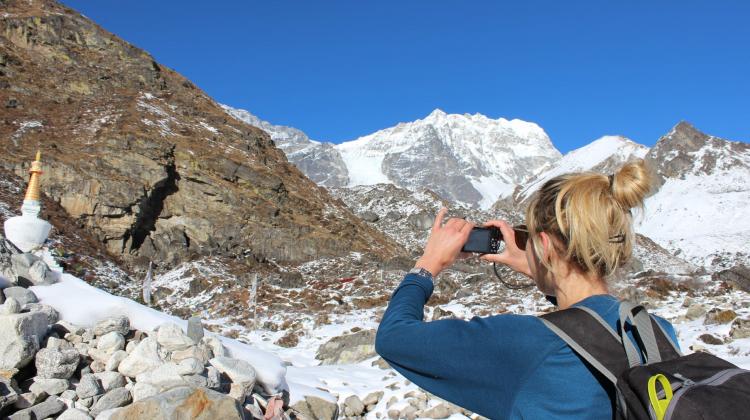
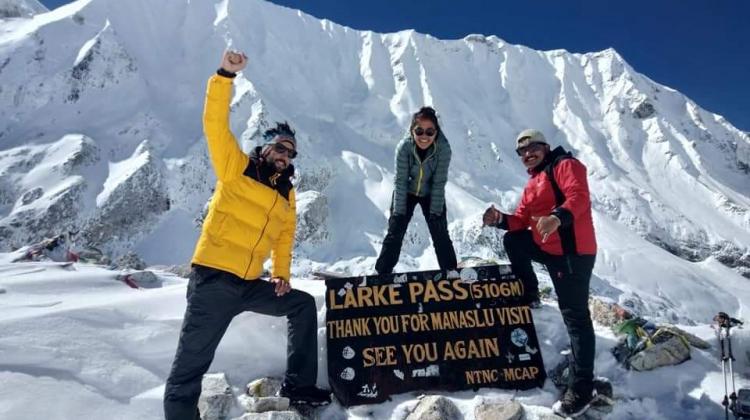
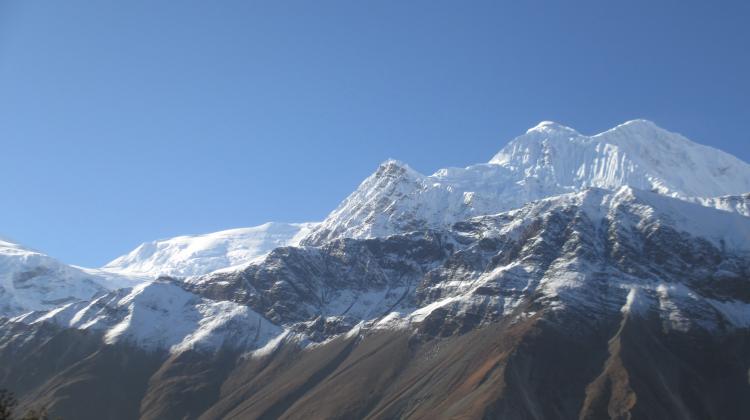
Nepal is famous for its Himalayan trekking routes, but you do not always need several weeks to enjoy a trekking experience. Short treks in Nepal are a good choice for travelers who have limited time but still want to enjoy mountain views, local villages, and the natural beauty of the country. These treks are available in different regions, including Annapurna, Everest, and Langtang. You can choose a route based on your available days, fitness level, and preferred altitude.
Most short treks in Nepal take around 3 to 10 days, depending on the route, starting point, and itinerary. Some routes stay at lower elevations and are suitable for beginners, while others reach above 4,000 meters and require better preparation. Popular options include
Poon Hill,
Mardi Himal,
Langtang Valley, Everest Panorama, Pikey Peak, and
Annapurna region treks. Nepal Tourism Board also recognizes Annapurna, Everest, and Langtang as major trekking destinations in Nepal. This variety makes it easier to find a short trek that fits your travel plan.
Why are Short Treks in Nepal are getting Popular?
Short treks in Nepal are becoming popular because they allow travelers to experience the mountains without spending several weeks on the trail. They are suitable for people with limited holidays, first-time trekkers, and travelers who want to combine trekking with other activities in Nepal. Many short routes also have good access from Kathmandu or Pokhara, which helps reduce travel time. Some key reasons for their popularity include:
1. Less Time Required
For travelers with a busy schedule, short treks offer a practical way to explore Nepal's mountains. Many routes can be completed within a few days, so you do not need to spend several weeks on the trail. You can also use the remaining time to visit other destinations in Nepal.
2. Suitable for Beginners
Starting with a short trek can make your first Himalayan experience easier to manage. Many routes have established trails, manageable walking sections, and regular villages or teahouses. Beginners can select lower-altitude routes and gain trekking experience before trying longer or more demanding journeys.
3. Lower Travel Costs
Another reason travelers choose shorter routes is the possibility of spending less overall. Fewer trekking days usually mean fewer nights in accommodation and fewer days of meals, guide services, and other expenses. However, the total cost still depends on the route, transportation, permits, and services you choose.
4. Different Difficulty Levels
Whether you want an easier walk or a more demanding mountain experience, Nepal offers several short trekking options. Lower-altitude routes can be suitable for beginners, while trails reaching above 4,000 meters require more preparation. This range makes it easier to select a trek that matches your fitness and experience.
5. Beautiful Mountain Views
Even a trek lasting only a few days can offer impressive Himalayan scenery. Depending on the route, you can see snow-covered mountains, green hills, forests, rivers, and traditional villages. Poon Hill, Mardi Himal, and Everest Panorama are some short treks where mountain views are an important part of the experience.
6. Flexible Itineraries
With different route options and transportation choices, short treks can fit into a variety of travel plans. Some itineraries can be adjusted by adding or reducing walking days or using road transportation for certain sections. This makes it easier to combine trekking with sightseeing and other activities in Nepal.
Why are short treks the best to choose in Nepal 2026?
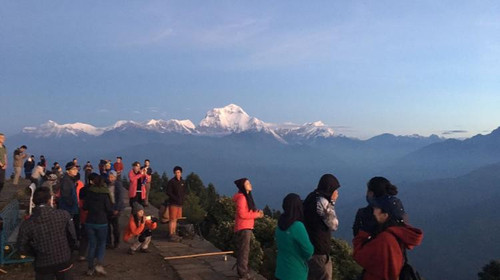
Short treks are a practical choice in Nepal in 2026 if you want to experience the Himalayas without spending several weeks on the trail. They can fit well into a short holiday and give you the opportunity to explore mountain villages, natural landscapes, and local culture. You can also choose from routes with different altitudes and difficulty levels. Some reasons to consider a short trek in Nepal in 2026 include:
1. Experience the Himalayas Without a Long Expedition
You do not need to commit to a long Himalayan expedition to enjoy Nepal's mountain regions. Short treks let you spend a fewer days in the hills while still experiencing mountain scenery, local settlements, and trekking trails. This makes them suitable for travelers who want a focused mountain experience.
2. Explore Different Regions in One Trip
Nepal's short trekking routes are spread across different parts of the country. You can explore the
Annapurna region, visit the Everest area, walk through Langtang, or discover trails in Solu. Choosing a shorter route can leave enough time to visit more than one region or destination during your Nepal trip.
3. Choose a Trek Based on Your Experience
Not every traveler wants the same type of trekking experience. Some prefer lower elevations and shorter walking days, while others want to reach viewpoints above 4,000 meters. Nepal's range of short treks allows you to select a route according to your fitness, previous trekking experience, and preferred level of challenge.
4. Combine Mountains With Nepal's Culture
A short trek gives you more opportunity to include cultural and sightseeing experiences in your itinerary. Depending on your route, you can visit monasteries, interact with local communities, explore traditional villages, and then continue your trip to destinations such as Kathmandu, Pokhara, or
Chitwan.5. Try Trekking Before a Longer Journey
If you are considering a longer Himalayan trek in the future, a short trek can be a useful first experience. It allows you to understand your walking pace, test your trekking gear, and become familiar with mountain accommodation and changing elevations before committing to a longer itinerary.
6. Plan Around Current Travel Conditions
Travel conditions can vary between trekking regions and seasons, so a shorter itinerary can give you more flexibility when planning your 2026 trip. You can check the latest weather, trail conditions, transportation, and trekking requirements before departure and select a route that matches the conditions during your travel period.
What are the best short treks in Nepal for beginners in 2026?
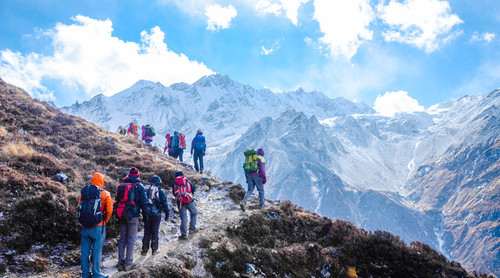
Nepal offers many short trekking routes, but they are not all equally suitable for beginners. The right choice depends on your walking experience, fitness, available time, and how comfortable you are with altitude. For example, Poon Hill is a relatively accessible introduction to Himalayan trekking, while Mardi Himal and Pikey Peak reach much higher elevations and require more preparation. Here are some short treks to consider in 2026:
1. Poon Hill Trek
Poon Hill Trek is a popular choice for beginners who want a relatively short Himalayan experience. One of the main highlights is the sunrise view from Poon Hill, with views of the Annapurna and Dhaulagiri ranges. This route also passes through villages such as Ghorepani and Ghandruk, depending on the itinerary. Nepal Tourism Board describes Ghorepani Poon Hill as one of Nepal's popular short treks and specifically notes its suitability for beginners and families.
- Duration: 4 to 5 days
- Maximum altitude: 3,210 meters
- Difficulty: Easy to Moderate
- Best time: March–May and September–November
2. Mulde Viewpoint Short Trek
Mulde Viewpoint Short Trek is an option for travelers looking for a shorter Annapurna-region experience. This route focuses on mountain views, village life, and viewpoints around the Ghandruk and Tadapani area. It can be a good choice if you want a short walking itinerary without going as high as some other Himalayan treks. The trek also offers sunrise views over the Annapurna and Dhaulagiri ranges from Mulde Viewpoint. Its relatively short itinerary makes it easier to include in a wider Nepal travel plan.
- Duration: 4 to 5 days
- Maximum altitude: 3,637 meters
- Difficulty: Easy to Moderate
- Best time: March–May and September–November
3. Langtang Valley Short Trek
Langtang Valley Short Trek is one of the closer Himalayan trekking options from Kathmandu. Your journey starts around Syabrubesi and continues through Tamang villages and the Langtang Valley toward Kyanjin Gompa. This region offers mountain scenery along with opportunities to experience Tamang culture. Nepal Tourism Board identifies Langtang as one of Nepal's major trekking destinations and lists March–May and October–November as suitable periods.
- Duration: 7 to 8 days
- Maximum altitude: 3,870 meters at Kyanjin Gompa
- Difficulty: Moderate
- Best time: March–May and October–November
4. Mohare Danda Short Trek
Mohare Danda Short Trek is a quieter option around the Annapurna and Dhaulagiri region. Its main attraction is the mountain scenery from Mohare Danda, along with traditional villages and local communities. The moderate altitude makes it worth considering for beginners who already have some basic hiking experience and want something less crowded. This trail also offers beautiful sunrise and sunset views when the weather is clear. It is a good choice for travelers who want to experience the Himalayan landscape while enjoying a peaceful walking route.
- Duration: 5 to 7 days
- Maximum altitude: 3,300 meters
- Difficulty: Moderate
- Best time: March–May and September–November
6. Khopra Ridge Short Trek
Khopra Ridge Short Trek is suitable for travelers who want mountain views on a less commonly chosen route. The trail passes through villages before reaching Khopra Ridge, where you can see the Annapurna and Dhaulagiri ranges. It involves some uphill sections, so basic fitness is useful. Khopra Trek is also included in Nepal Tourism Board's current list of routes requiring a guide and TIMS.
- Duration: 6 to 8 days
- Maximum altitude: 3,640 meters
- Difficulty: Moderate
- Best time: March–May and September–November
7. Pikey Peak Trek
Pikey Peak Trek takes you into the Solu region and offers wide views of the Himalayan range. It reaches 4,065 m, so beginners should prepare properly for the altitude. The route also provides opportunities to visit Sherpa settlements and monasteries. Nepal Tourism Board records Pikey Danda at 4,065 m and notes its views toward Everest and other Himalayan peaks.
- Duration: 5 to 7 days
- Maximum altitude: 4,065 meters
- Difficulty: Moderate
- Best time: March–May and September–November
8. Mardi Himal Short Trek
The
Mardi Himal Short Trek is popular among travelers who want a relatively short route with high mountain views. This trail climbs toward High Camp and Mardi Himal Base Camp, with views of Machhapuchhre and the Annapurna range. Although the itinerary is short, the altitude is significant, so beginners should prepare for cold conditions and thinner air.
- Duration: 5 to 7 days
- Maximum altitude: 4,500 meters
- Difficulty: Moderate
- Best time: March–May and September–November
Conclusion
Short treks in Nepal are a good way to experience the country's mountains when you have limited time. With routes available in the Annapurna, Everest, Langtang, and other regions, you can choose a trek based on your interests, fitness level, and available days. Each route offers a different experience, from mountain viewpoints and village walks to local culture and higher-altitude trails.
Before choosing your trek in 2026, check the duration, maximum altitude, walking hours, weather, trail conditions, and current trekking requirements. A shorter itinerary does not always mean an easier trek, especially when the route reaches a higher elevation. Spring and autumn are generally suitable seasons for many popular routes, but conditions can vary by region. With proper preparation and a suitable itinerary, a short trek can be a convenient way to explore Nepal's Himalayan landscapes.
If you need help planning your trip, Nepalaya Treks is one of the best tour and travel agency in Nepal for trekking, with experienced guides, permit arrangements, and itineraries that fit your schedule and fitness level. If you are planning your Nepal trip, please do check out our other trekking blogs for more useful information.
Frequently Asked Question
1. What is the best short trek in Nepal?
Poon Hill Trek is one of the most popular short trekking choices for beginners because it can be completed in around 4–5 days and reaches 3,210 m. It offers mountain views and village experiences without requiring a very long itinerary. The best choice, however, depends on your available time, fitness, and preferred altitude.
2. Which is the cheapest trek in Nepal?
There is no fixed cheapest trek because the total cost depends on transportation, accommodation, guide services, permits, meals, and the length of the itinerary. In general, shorter and lower-altitude treks with easy road access tend to cost less because they require fewer trekking days and overnight stays.
3. What is the best time for trekking in Nepal?
The main trekking seasons are spring and autumn. March to May and September to November generally offer good conditions for many popular trekking regions. October and November are especially known for clearer skies after the monsoon. However, the best season can vary according to the route and altitude.
4. Is it safe to trek in Nepal now?
Trekking conditions depend on the route, weather, season, altitude, and current local conditions. Before starting your trek, check the latest weather forecast, trail conditions, transportation updates, and
permit requirements. For higher-altitude routes, proper acclimatization and suitable travel insurance are also important.
5. Can I trek in Nepal without a guide?
Not on every route, Nepal's current TIMS provision requires a licensed trekking guide and agency-issued TIMS for several listed trekking routes, including Everest View, Langtang,
Poon Hill-ABC, Khopra, and Mardi Himal. Requirements can vary by route, so check the current
Nepal Tourism Board rules before travelling.