When Is the Best Time to Trek Everest Base Camp? Weather Guide
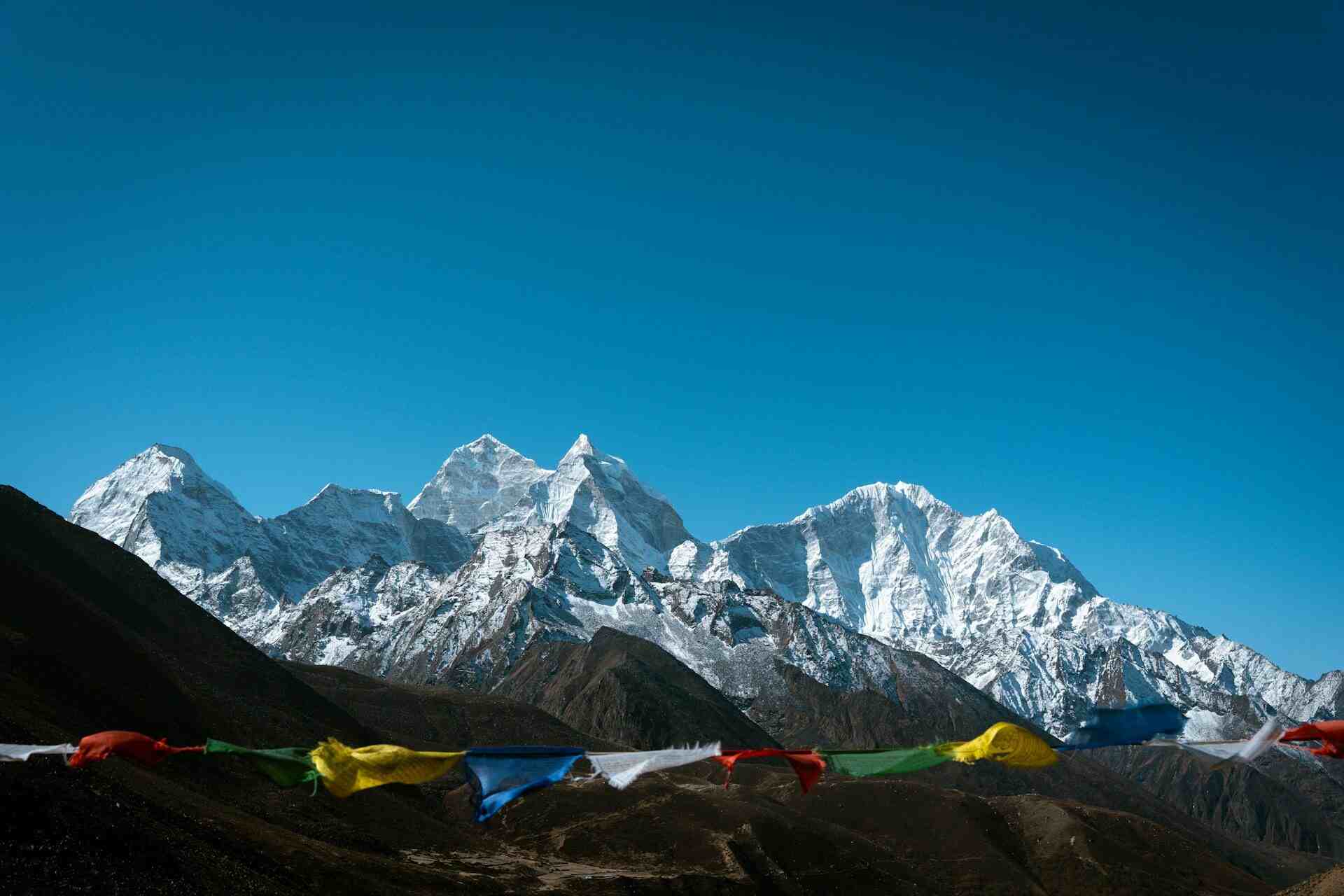
Though the Everest base camp trek can be scheduled at any time of the year, the weather in the Everest region does change from season to season. Storms, cold, fog, rain, snow, and trail conditions can all impact your trek. Knowing the best time to visit Everest Base Camp to enjoy better visibility and walking weather conditions.
Spring months (March-May) and fall months (September–November) are the ideal times to trek to Everest Base Camp. The weather tends to be more settled and predictable, the skies more clear and the views of the mountains are good during these months. There are also winter and monsoon treks, which can be more difficult due to the cold winter season and likely delays to flights during monsoon season.
What Is the Best Time to Trek Everest Base Camp?
The months with the best weather to trek Everest Base Camp are between March to May and September to November. The typical weather conditions are more predictable and there are fewer clouds in these months, and trails are in good condition. You'll probably find more people on the trail and at teahouses during these most popular trekking seasons.
October and November are among the best months to visit the Himalayas overall, but of course this varies with each season. You should look forward to autumn for excellent views of Everest and the surrounding mountains; the monsoon has usually followed and the atmosphere is good. Spring is also an excellent time, especially April or May, when the weather is warm, and the rhododendrons are in bloom. It's a personal choice, one based on what you prefer, whether it be a clear mountain view, warmer temperatures, less tourist traffic, or experiencing the Everest region in the Spring climbing season.
October and November are among the best months to visit the Himalayas overall, but of course this varies with each season. You should look forward to autumn for excellent views of Everest and the surrounding mountains; the monsoon has usually followed and the atmosphere is good. Spring is also an excellent time, especially April or May, when the weather is warm, and the rhododendrons are in bloom. It's a personal choice, one based on what you prefer, whether it be a clear mountain view, warmer temperatures, less tourist traffic, or experiencing the Everest region in the Spring climbing season.
Everest Base Camp Trek in Spring (March to May)
Spring is one of the most popular times to trek to Everest Base Camp. Weather conditions, days and trails, all get better after the winter season. In Spring, rhododendrons and other flowers add colour to the trail, particularly the lower parts of the trail. The primary Everest climbing season also is around April and May, thus actually trekking throughout these months may feel as if you are encountering climbing activity close to Base Camp.
Spring on the other hand, can be a busy time. April and May are busy months for trekkers and tea houses and flights may be booked up. Early March may be cold with some snow falling while late May may bring in some change that typically comes to hand into the monsoon.
Spring on the other hand, can be a busy time. April and May are busy months for trekkers and tea houses and flights may be booked up. Early March may be cold with some snow falling while late May may bring in some change that typically comes to hand into the monsoon.
Everest Base Camp Trek in Autumn (September to November)
The winter season is considered one of the best times to hike the Everest Base Camp Trek, along with the autumn season. In general, the monsoon has now come to an end, with better visibility, dry trails and spectacular views of the peaks of the Himalaya. October tends to be very popular as the weather remains fairly mild and the weather is mostly fair. Although cooler, November can become even clearer and the number of trekkers generally begins to fall towards the end of the month.
To note is that, early September can still have a bit of monsoon weather. April can be a suitable time for late-season shooting; however, if better weather is desired April is generally accompanied by rain and clouds.
To note is that, early September can still have a bit of monsoon weather. April can be a suitable time for late-season shooting; however, if better weather is desired April is generally accompanied by rain and clouds.
Everest Base Camp Trek in Summer/Monsoon (June to August)
Everest Base Camp Trek during Summer/Monsoon (June to August) is a unique experience in trekking which is not available in the Winter season. The main monsoon period in Nepal is between June to August. Although rain can affect the trail and mountain views, these months are less popular with most trekkers. Nepal has the highest mean rainfall during the monsoon season from June to September of each year.
Lower parts of this trail may be wet and slippery in the rain, and the mountains can be cloudy. Poor visibility can also cause delays or cancel flights to and from Lukla. But trekking during monsoons is not completely off-limits. The trails are significantly quieter, and with the lower valleys they can appear green and fresh. This season is more appropriate for the more advanced trekker who is accustomed to fluctuating weather and is not deterred by not seeing the mountains. But if you are a first-time trekker, spring or autumn would be better.
Lower parts of this trail may be wet and slippery in the rain, and the mountains can be cloudy. Poor visibility can also cause delays or cancel flights to and from Lukla. But trekking during monsoons is not completely off-limits. The trails are significantly quieter, and with the lower valleys they can appear green and fresh. This season is more appropriate for the more advanced trekker who is accustomed to fluctuating weather and is not deterred by not seeing the mountains. But if you are a first-time trekker, spring or autumn would be better.
Everest Base Camp Trek in Winter (December to February)
Winter in this region is one of the coldest times when some unfavourable events occur in the Everest region. On high elevations temperatures may dip into subzero levels at night. January is typically named the coldest month, and at Gorak Shep night temperatures could fall below -20°C. The benefit of the winter season is that barely anyone is on the trails. During the winter and on sunny days, there is beautiful mountain scenery, and a solitary and bitterly cold experience for seasoned trekkers.
Snow may fall at a higher point on the route and good preparation in terms of clothing, sleeping bags and equipment are essential. There may also be delays caused by the weather. The possibility for winter is there, however, and suits more experienced trekkers who can handle extreme cold weather.
Snow may fall at a higher point on the route and good preparation in terms of clothing, sleeping bags and equipment are essential. There may also be delays caused by the weather. The possibility for winter is there, however, and suits more experienced trekkers who can handle extreme cold weather.
Everest Base Camp Weather by Month

Weather conditions fluctuate in Everest Base Camp Trek in different months and have different characteristics, which provides a different trek on a different month. Each month has its own weather some are cold, snowy, and some have warmer weather, more sunshine, or increased rainfall.
The following general monthly weather description and trekking conditions give you a rough idea of weather and conditions. Just note that temperatures and weather at different heights can differ, as well as in other trekking areas such as Namche Bazaar, Gorak Shep and Everest Base Camp.
The following general monthly weather description and trekking conditions give you a rough idea of weather and conditions. Just note that temperatures and weather at different heights can differ, as well as in other trekking areas such as Namche Bazaar, Gorak Shep and Everest Base Camp.
| Month | General Conditions | Best For |
| January | Very cold, clear days possible, freezing nights | Solitude and experienced trekkers |
| February | Cold but gradually becoming warmer | Quiet trails and winter scenery |
| March | Cool, increasing sunshine, occasional snow | Fewer crowds and spring scenery |
| April | Mild and generally stable | Clear views and climbing-season activity |
| May | Warmer, generally good early in the month | Spring trekking and Everest expeditions |
| June | Increasing rain as monsoon begins | Experienced trekkers seeking quiet trails |
| July | Heavy monsoon rain and cloud cover | Solitude and green landscapes |
| August | Continued monsoon conditions | Quiet trails and lush scenery |
| September | Improving weather, especially later in the month | Transition into the autumn season |
| October | Stable weather and clear mountain views | Peak trekking conditions |
| November | Cold but very clear, fewer crowds later | Clear views and quieter trails |
| December | Very cold with clear days possible | Solitude and winter trekking |
These temperatures are only general guides. Conditions at Everest Base Camp, Gorak Shep, Namche Bazaar, and other points along the route can be very different because temperature decreases as elevation increases. Nepal Tourism Board notes that temperatures can drop by about 6°C for every 1,000 metres of elevation gain.
Which Season Is Best for You?
Each has their preferred time to travel to Everest Base Camp. This will depend on what you seek from your trek: a better view of the mountains, warmer weather, fewer crowds, quieter trails and so on. The following information should help you decide on the season that suits you and your trekking experience the most:
- For the best overall weather: Choose October or November.
- When choosing spring bloomers: Select March or April.
- Time for activity around Everest during the climbing season: April or May.
- For lesser crowds: Try late November - winter months or early spring.
- If you can accept a little rain and decreased visibility, a quieter and greener trail is possible: Monsoon.
- If it is your goal to see clearly and escape from the crowds this is a great time to be outside between December and February if you are an experienced trekker.
If you are a beginner trekker, the most pleasant seasons would be spring and autumn as they provide you with stable trekking conditions and better chances of observing the Himalayan scenery.
Tips for Choosing the Best Time for Everest Base Camp

While selecting the right month is crucial, and although you can go trekking anytime you like, there are a couple of factors you should take into account. In mountain regions the weather may rapidly alter and it can be possible to have different weather conditions at higher altitudes. When planning your Everest Base Camp Trek, be sure to consider the following tips:
- Make sure to monitor the weather: conditions can become unpredictable on the mountain, even in the best of trekking weather. Be sure to consult the latest forecasts in advance of, and while on, your hike.
- Schedule additional time for delays: Weather can impact flights coming from, and departing to Lukla, especially in monsoon and winter.
- Make reservations during busy times of the year: October, November, April and May may be busy. Make travel easier by making bookings beforehand.
- Be prepared for cold nights even in the spring or fall: At higher elevations there can be very cold nights. Bring appropriate layers, a warm sleeping bag, gloves and other cold weather gear.
- Avoid only considering the temperature to determine when to trek: It is important to consider the weather as well in the form of clear skies, snow falls, wind, rainfall, and visibility.
- Acclimatisation is essential too: Weather is important but so is the right acclimatization on a trek at a high elevation. The Nepal Tourism Board also advises to take the time to acclimatize during intermediate stops like Namche Bazaar, and not to rush the course.
Conclusion
Typically, the optimal time for trekking to EBC is the spring (March-May) or the autumn season (September-November). Often, the weather is clearer, mountain visibility is better and trekking conditions are more pleasant during these seasons. But it's up to you whether you're looking for lower numbers, mild weather, blooms in the spring, or winter solitude. Everest Base Camp Trek can be done at various seasons with proper planning.
At Nepalaya Treks and Expedition, we help trekkers plan their Everest Base Camp journey based on their preferred travel dates, experience, and trekking goals. We can help you arrange Everest Base Camp trekking packages, help you select the right time, and plan accordingly for what to expect on your trek. In conclusion, Nepalaya Treks and Expedition is one of the best tour and travel agency in Nepal, trusted by trekkers for offering a variety of itineraries all around the country.
At Nepalaya Treks and Expedition, we help trekkers plan their Everest Base Camp journey based on their preferred travel dates, experience, and trekking goals. We can help you arrange Everest Base Camp trekking packages, help you select the right time, and plan accordingly for what to expect on your trek. In conclusion, Nepalaya Treks and Expedition is one of the best tour and travel agency in Nepal, trusted by trekkers for offering a variety of itineraries all around the country.
Recommended Blogs:
FAQs on When Is the Best Time to Trek Everest Base Camp
1. What is the best month to trek to Everest Base Camp?
October tends to be one of the best times of year for everest base camp trek. After the monsoon the weather is generally settled, with nice clear skies and great views of the mountains. This factors in April, which is another good month to visit in case you want to see spring scenery and Everest during the climbing season.
2. Can I trek to Everest Base Camp during the monsoon season?
Yes, it is possible to hike up to Everest Base Camp during the monsoon but the weather may be less conductive. Rain, clouds, wet trails and decreased mountain visibility can occur during the months of June, July and August. For better weather and clearer views, spring or autumn are better times.
3. Is it possible to trek to Everest Base Camp in winter?
Of course, Everest Base Camp Trek is also possible in Winter. The conditions are very cold during December to February (particularly in high areas) and snow may be encountered on parts of the trail. But, during winter there are quieter times on the trails and great mountain views on sunny days.
4. Which is better for Everest Base Camp, spring or autumn?
The Everest Base Camp Trek is a great time of the year in both the Spring and Autumn seasons. The autumn (particularly October and November) are characterised by clear skies and conditions that improve the visibility of mountains after the monsoon. During the spring season (March-May), the weather is warmer, the rhododendrons bloom, and climbing expeditations take place on Everest.
Leave Your Comment.
Best Selling
Our Best Selling Packages You May Like.