What to Pack for Everest Base Camp Trek?
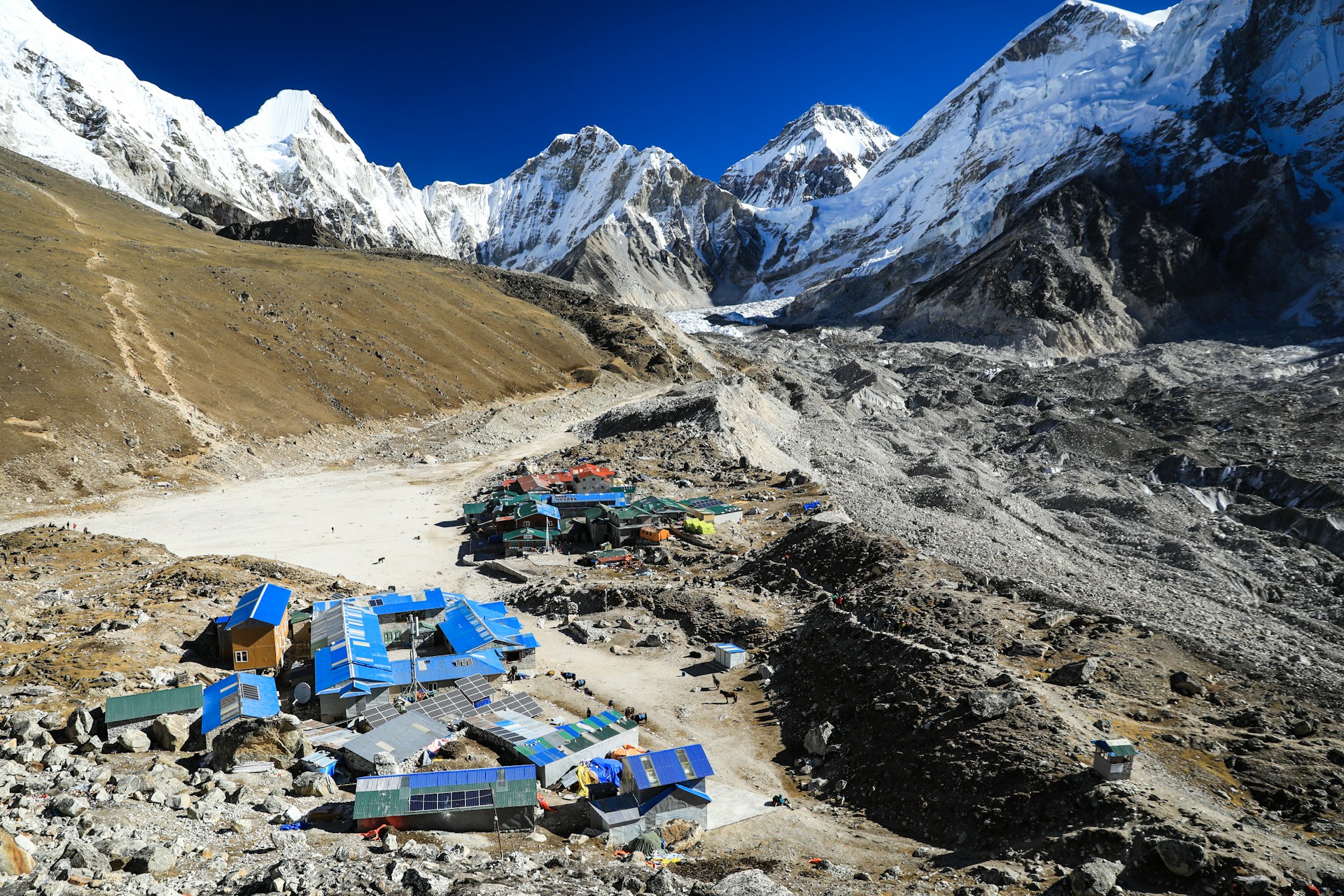
Planning Everest Base Camp trekking can be a bit confusing, particularly for those trekking at high elevations for the first time. The trail arcs through various weather extremes such as sunny, warm afternoons and cold, rainy mornings and freezing nights and gusting winds, as well as dramatic weather shifts. The higher you go, the colder it gets, and its appropriate attire and gear are essential to your well-being.
You don't have to wear all of your clothes and spend a lot of money on a ton of mountaineering gears for the Everest Base Camp Trek, however. The secret is packing smart and selecting lightweight, warm, comfortable and functional equipment. A good layering system is more useful because you can take layers on and off as the weather dictates and your level of activity.
To trek the Everest Base Camp 2026, this is the list of all of your Everest base camp needs, including clothing and footwear needs, sleeping needs, personal needs, and seasonal needs, along with a list of first aid supplies and electronics. This guide will get you properly prepared for any of your trekking seasons from spring to autumn, winter, or monsoon, and eliminate carrying all the unnecessary stuff.
You don't have to wear all of your clothes and spend a lot of money on a ton of mountaineering gears for the Everest Base Camp Trek, however. The secret is packing smart and selecting lightweight, warm, comfortable and functional equipment. A good layering system is more useful because you can take layers on and off as the weather dictates and your level of activity.
To trek the Everest Base Camp 2026, this is the list of all of your Everest base camp needs, including clothing and footwear needs, sleeping needs, personal needs, and seasonal needs, along with a list of first aid supplies and electronics. This guide will get you properly prepared for any of your trekking seasons from spring to autumn, winter, or monsoon, and eliminate carrying all the unnecessary stuff.
What Should You Pack for the Everest Base Camp Trek?

Everest Base Camp Trek typically occurs on a well developed trail, with lodges in tea houses. This implies that for an ordinary trek you won't need to bring technical climbing gear. But be prepared for very cold weather, long walking days, rocky trails and high altitudes.
Packing essentials include daypack, comfortable trekking boots, a duffel bag, a sleeping bag, basic toiletries, personal medicines, sun protection and essential electronics, along with warm and layered clothing. With a guide and porter, generally a larger pack will be carried by the guide and porter, with the exception of a daypack for walking around during the day.
Please ask your trekking company before travelling as some trekking companies supply things like a company duffel bag or sleep bag, down jacket, tripod etc.
Clothing Packing List for Everest Base Camp
The Everest Base Camp trail has a rapidly changing weather pattern. It's possible to get cold in the morning, warm when you're climbing, and cold once again in the evening. This is why it's better to have multiple layers than a ton of individual outfits to dress in.
Wearing clothes that are warm, comfortable, quick drying and will allow the ability to layer. Prevent overstuffing cotton clothes as this slows the drying process, and also absorbs moisture.
Wearing clothes that are warm, comfortable, quick drying and will allow the ability to layer. Prevent overstuffing cotton clothes as this slows the drying process, and also absorbs moisture.
1. Base Layers and Thermal Wear
Thermal base layers are crucial when the temperature drops and particularly at high altitudes. A thermal top and bottom can be worn under your regular trekking clothes during cold mornings and nights. Put on 2 pairs of base thermal clothes. Merino wool or synthetics are lighter choices because they will put you in a warmer, drier state of warmth quicker than cotton.
2. Fleece or Warm Insulating Layer
Extra warmth for cold mornings, evenings and rest stops with a fleece jacket or warm insulating layer. It also helps on days when the temperature falls at higher settlements (Dingboche, Lobuche and Gorakshep). A fleece is lightweight and convenient to pack - and an excellent middle layer for the trek.
3. Down Jacket
One of the essential items for Everest base camp trek is a warm down jacket. It gets quite cold nights after dark, particularly at higher elevations. A decent down jacket will keep you warm and not be overweight. Check in your package what is included or not included with the trekking companies - some of them give you a down jacket as well.
4. Waterproof and Windproof Jacket
A rain-proof, wind-proof outer jacket keeps you dry, snowy and windy. Can be used over your fleece and down jacket if it becomes colder or wetter. Opt for a lightweight, breathable, and convenient-to-pack jacket. The waterproof shell comes in handy even during the peak trekking seasons in the mountain when weather can change rapidly.
5. Trekking Pants and Comfortable Clothes
Take comfortable trekking pants suitable for hiking on rough terrain. Quick-drying pants work well for changing weather conditions, and may be used again and again. One or two pairs of trekking pants may be brought and thermal ones put on under them if the weather gets colder. For late night use in the tea houses, a comfortable pair of light trousers/dress pants and some warm clothes are also advisable.
6. Underwear, Socks, Gloves and Hats
Bring moisture-wicking underwear, and multiple pairs of comfortable trekking socks. Drying out your feet will make them less uncomfortable, and less prone to blisters. Consider wearing warm gloves, a warm hat/beanie and a sun hat. A buff / neck warmer is good to keep your face and neck warm and dry in harsh weather, including wind, dust and strong sun.
Footwear for the Everest Base Camp Trek
Since the Everest Base Camp Trek is a hike of many hours a day on rocky paths and on stone steps and on rough trails, it is important to have good footwear. Shoes must fit comfortably and break in before your trip; be sure to get them ready for the job beforehand. Don't wear brand new boots to-and-from for the first time on the trail. Blisters can develop from any type of boots, good or otherwise, if you have never worn them before.
1. Trekking Boots
For EBC Trek the most recommended footwear is the pair of comfortable with good grip and enables you to trek for longer duration and with more strength. Water proof or water resistant boots are helpful since you might encounter wet trails, snow or rain.
Typically, a trekking boot is all right for the standard Everest Base Camp Trek, from lightweight to mid-weight. Rockies boots are not necessary for a normal tea house walk, except in extreme instances.
Typically, a trekking boot is all right for the standard Everest Base Camp Trek, from lightweight to mid-weight. Rockies boots are not necessary for a normal tea house walk, except in extreme instances.
2. Camp Shoes or Sandals
Lightweight sandals or camp shoes may come in handy at the end of a long day of walking. They provide foot rests when in the tea house. Try to get something that is not too heavy so the bag doesn't become too heavy.
3. Extra Socks and Blister Protection
Pack a few good pairs of trekking socks and another pair to make use of when it gets wet. If you can, pack blister pickers or other blister protection products.Foot comfort comes from changing out the wet socks.
Backpack and Bags You Need for the EBC Trek
Selecting the right bags that suit the conditions is crucial for Everest Base Camp Trek. Most days of a trek will involve walking for many hours and a heavy or uncomfortable backpack can make it more difficult. Most trekkers will need just two pack bags, one for them to carry on their person and the other a duffel bag carrying their gear. Some things like your tent, sleeping bag, stove, etc that you might need while you are out can fit in your daypack. Your clothes and other less frequently used things may go in the main duffel bag. Properly organized bags will make it simpler to know what you have in your bags and will help you not to be carrying too many packs of trekking.
1. Daypack
For the Everest Base Camp Trek, a 25-30 litre daypack is typically considered sufficient. It needs to be comfortable to wear & space-friendly to accommodate required day-to-day gear.
There are some essentials to include in your daypack:
There are some essentials to include in your daypack:
- Water Bottles/Blood Flow Hydration Bladder
- Snacks
- Sunscreen and sunglasses
- A warm blanket or layer (such as a fleece blanket)
- A waterproof jacket
- Phone or camera
- Personal medicines
- Small personal items
You have to select a day bag that fits comfortably on the shoulder and has a comfortable belt around the waist. These attributes assist to distribute weight and ease walking workload for longer treks, particularly during hot days.
2. Duffel Bag
Most of your clothes, sleeping bag, toiletries and other gear is typically stored in a duffel bag. A porter will normally carry this bag from one tea house to the other and you will be carrying your day pack with you on a guided trek. Select a sturdy duffel with an easy latched design that will work in mountain situations. Don't over pack as trekking companies generally have a weight limit for the porter loaded bags. When packing, please refer to your trekking company regarding the weight limit.
3. Packing Cubes or Dry Bags
When you are organizing items in your duffel bag, pack cubes and dry bags can be of great help. They can be used to divide clean clothes, worn clothes, electronics, toiletries and more. Dry bags can also help save precious possessions from water damage. This will help you to navigate without opening your whole bag to find what you're looking for.
Essential Trekking Gear for Everest Base Camp

Appropriate equipment can make walking for long periods of time easier and less hazardous. For the standard EBC Trek, there is no need for tech equipment, but there are some essentials that are very useful.
Consider packing:
- Trekking poles
- Sleeping bag
- Headlamp
- Here are some water bottles or a hydration bladder to be worn.
- Water Purification Tablets or Drops
- Sunglasses which filter above 90 percent of UV radiation.Sunglasses with high UV filtering.
- Sunscreen
- A balm for lips that you can use to put sun protection on your lips.
- Water-resistant backpack cover
- Small personal towel
- Reusable water bottle
Trekking poles can be useful to maintain balance on rocky terrain, for example, when travelling downhill for extended periods of time, and mitigating knee stress. Also have a sleeping bag in case it gets cool at night at higher altitudes. Also check if some trekking companies will be having sleeping bags.
Toiletries and Personal Items to Pack
The tea house facilities will begin to get simpler the further up the Everest route you go. There may be a limit on hot showers, or showers can be a higher charge and in colder areas running water may be limited.
Because of this, try to bring only the toiletries that you use. Products that come with travel size are an excellent choice as far as conserving space and weight are concerned.
You should pack:
Because of this, try to bring only the toiletries that you use. Products that come with travel size are an excellent choice as far as conserving space and weight are concerned.
You should pack:
- Toothbrush and toothpaste
- Biodegradable soap
- Hand sanitiser
- Wet wipes
- Toilet paper
- Small quick-drying towel
- Lip balm
- Moisturiser
- Deodorant
- Personal hygiene products
- Small nail clippers
Just a toiletry bag is acceptable for the walk. Do not take in large bottles and/or unnecessary products.
Medical Kit and Medicines for the Everest Base Camp Trek
A small personal medical kit is handy on the journey. Trips can last for several days and will have minor issues like stomach discomfort, small cuts, blisters, and headaches. Bring any regular medication in boxes and enough for the trip. Other items can also be incorporated:
- Personal prescription medicines
- Pain relief medicine
- Bandages
- Blister plasters
- Antiseptic wipes
- Rehydration salts
- Basic stomach medicine
- Medication prescribed by your doctor
EBC Trek is a serious affair and altitude sickness is one of the major issues there. Avoid giving yourself any medicines without proper medical advice. Take acclimatisation days seriously, and follow your guide's directions; let your guide know right away if you are feeling ill.
Electronics and Power Essentials
There are numerous Charging facilities along the Everest Base Camp trek but charging may be limited and can incur a fee. As you ascend the mountains, power may become worse and worse.
Useful electronics include:
Useful electronics include:
- Mobile phone
- Power bank
- Charging cables
- Camera
- Spare camera batteries
- Headlamp
- Universal travel adapter
An advantage of a power bank is that it can come in handy when your batteries die due to cold weather. If possible, avoid leaving your phone, camera or batteries in extremely cold conditions. There is no need to bring lots of electronic devices with you. Simple electronics means weight and charging is minimalized.
What to Pack for Different Seasons
Depending on the time of your trek, the best packing list may vary slightly. Spring and autumn are the preferred seasons and winter or during the monsoons, extra preparation is essential for colder or wetter weather.
1. Spring (March to May)
Although this is a usual good trekking season; mornings and nights at height are still cold. Bring thermal layers, a warm down jacket, fleece, gloves, a warm hat and a quality sleeping bag. Don't forget to pack a waterproof jacket as there is always a chance of rain or snow depending on the area and altitude.
2. Autumn (September to November)
October is a fairly typical fall season with nice weather and views of the mountains. Temperatures are, however, quite cool with especially cold late October and November. Layered clothing is always important, down jackets, thermal clothing, gloves, and good sleeping bags are still needed. Sunscreen, sun glasses and hat are necessary in strong sunlight, which is also common.
3. Winter and Monsoon
Extra attention should be paid to cold temperatures during the winter when trekking. Warmer layers to wear, thicker gloves to put on, and more warmth for freezes in the morning or evening may be required. At lower elevations, during the monsoon season there may be rain and wet trails. Waterproof jacket, rain cover, quickly drying clothes and waterproof bags become more important. Activities can also be impacted by weather conditions, too, and travel plans may change.
What Not to Pack for the Everest Base Camp Trek
Packing too heavy with a bag is a common among the mistakes of Everest Base Camp Trek. You'll be walking a lot during the day, and it's best to avoid excess weight, as it can cause fatigue and discomfort. Don't bring all of the items you use at home or several items with the same function.Only bring the bare necessities and opt for lightweight and practical equipment that suits various weather conditions. Avoid packing:
- Too many clothes
- Heavy books
- Large toiletry bottles
- A number of pairs of heavy shoes
- Bulky cotton clothing
- Unnecessary electronics
- Technical climbing equipment
- Heavy expedition-style gear
You need not have technical climbing or expedition equipment on a standard Everest Base Camp trek. You'll be hiking a well-trod mountain path, so think only about packing essential clothing, footwear and equipment for a comfortable and safe hike.
Everest Base Camp Trek Packing Checklist
Check-out this list of items before heading on to Everest Base Camp. Being prepared for packing earlier aids one to avoid forgetting and to keep checking if one has packed too much. The document includes items you might need which range from clothes and shoes to trekking equipment, toiletries, personal medicine, electronics and important paperwork. The above items may be unnecessary depending on the time you are on a trek, your requirements and the service provided in your trekking package. Ensure you have a proper and up-to-date List and make sure you have updated it based on the weather forecast and your class trip plan.
Clothing
Clothing
- Thermal base layers
- Fleece or warm insulating layer
- Down jacket
- Waterproof and windproof jacket
- Trekking pants
- Comfortable evening clothes
- Underwear
- Trekking socks
- Warm gloves
- Warm hat or beanie
- Sun hat
- Buff or neck warmer
Footwear
- Comfortable trekking boots
- Camp shoes or sandals
- Extra trekking socks
- Blister protection
Bags and Trekking Gear
- 25–30 litre daypack
- Duffel bag
- Dry bags or packing cubes
- Trekking poles
- Sleeping bag
- Headlamp
- Water bottles or hydration bladder
- Water purification tablets or drops
Toiletries
- Toothbrush and toothpaste
- Biodegradable soap
- Hand sanitiser
- Wet wipes
- Toilet paper
- Lip balm
- Moisturiser
- Small towel
Medical and Personal Items
- Prescription medicines
- Basic first-aid supplies
- Pain relief medicine
- Blister plasters
- Rehydration salts
- Personal hygiene items
Electronics and Documents
- Mobile phone
- Power bank
- Charging cables
- Camera
- Spare batteries
- Passport
- Travel insurance documents
- Important travel documents
- Some cash
Tips for Packing Light for the Everest Base Camp Trek

Packing light can make the Everest Base Camp Trek much easier and more comfortable. You will be walking for several hours each day, so carrying unnecessary items can make the journey more tiring. You do not need to pack a separate outfit for every day. A few good-quality layers, some quick-drying clothes, and the option to wash clothes along the way are usually enough Before packing, check what your trekking company provides. Some companies include items such as a duffel bag, sleeping bag, down jacket, or trekking poles. Knowing this in advance can help you avoid carrying or buying items you may not need.
Here are some simple tips to help you pack light:
- Pack clothes that you can layer: A few warm layers are more useful than many separate outfits. You can add or remove layers depending on the temperature.
- Choose quick-drying clothes: These are easier to wash and dry during the trek.
- Keep your daypack light: You will carry it every day, so pack only the items you need while walking.
- Keep important items within reach: Water, snacks, sunscreen, a warm layer, rain jacket, and personal medicines should be easy to access.
- Check what your trekking company provides: You may not need to bring your own sleeping bag, down jacket, duffel bag, or trekking poles if they are already included.
- Use luggage storage in Kathmandu: If your hotel or trekking company offers luggage storage, leave behind anything you do not need on the mountain.
- Pack only what you will actually use: Avoid carrying extra clothes, large toiletries, unnecessary electronics, and other items that will only add weight.
A lighter bag makes the trek more comfortable and easier to manage. The goal is not to pack as little as possible, but to bring the items you genuinely need for the journey.
Conclusion
Packing for Everest Base Camp Trekking can be no more challenging. The essentials are to plan for hot and cold temperatures, early mornings and afternoon hours to walk, intense sunlight, and basic tea house amenities. Most of what you need will be covered in having a good layering system, comfortable trekking boots, a warm sleeping bag, sun protection, a small medical kit, and appropriate bags will do the rest.
Before the trek to Everest Base Camp, Nepalaya Treks , best tour and travel agency in Nepal , assists trekkers to have adequate information and practical help to trek to EBC. Whether it's selecting the appropriate equipment, planning for the trail and the mountain's many ever-changing conditions, we'll help you make things easier and organized. If you have the correct packing list, and the right preparation, you will focus less on the packing and the highly functional bags, and more on the trails, villages and amazing views of the Everest region.
Before the trek to Everest Base Camp, Nepalaya Treks , best tour and travel agency in Nepal , assists trekkers to have adequate information and practical help to trek to EBC. Whether it's selecting the appropriate equipment, planning for the trail and the mountain's many ever-changing conditions, we'll help you make things easier and organized. If you have the correct packing list, and the right preparation, you will focus less on the packing and the highly functional bags, and more on the trails, villages and amazing views of the Everest region.
FAQs About the Everest Base Camp Trek Packing List
1. How much luggage should I take for the Everest Base Camp Trek?
Most trekkers travel with a light day pack while on the trek and their backpacks are placed in a large duffel bag carried by the porters. This check should be made in advance of the trip as the weight restriction can vary with different trekking companies. A typical rule of thumb is 12-13kg in the trekking main duffel bag when shared between a porter and a double party.
2. Do I need a sleeping bag for the Everest Base Camp Trek?
A sleeping bag is advised as sleeping in the tea house rooms can get very cold at the higher altitudes. A warm sleeping bag may be included with some trekking companies so ensure you have submitted your package to them previously before adding your own. Use your own if available, texture is required, or as an alternative, you can use one that is appropriate for sub freezer temperatures.
3. What type of shoes are best for the Everest Base Camp Trek?
Most hikers will find that most comfortable and supportive trekking boot available for them will make it the best choice. Weather resistant/weather proof boots are helpful on wet trails, in the rain or snow. Break in new boots before embarking for the journey to avoid blisters.
4. Do I need crampons for the Everest Base Camp Trek?
Technical crampons are not necessary on the standard route to Everest Base Camp. But the snow and icy conditions will vary from time to time and season to season and weather to weather. Your guide or trekking company will be able to tell you if more than basic traction equipment is required for the conditions on the trail.
Leave Your Comment.
Best Selling
Our Best Selling Packages You May Like.