Everest Base Camp Trek Permit 2026/27: Cost & Training Tips
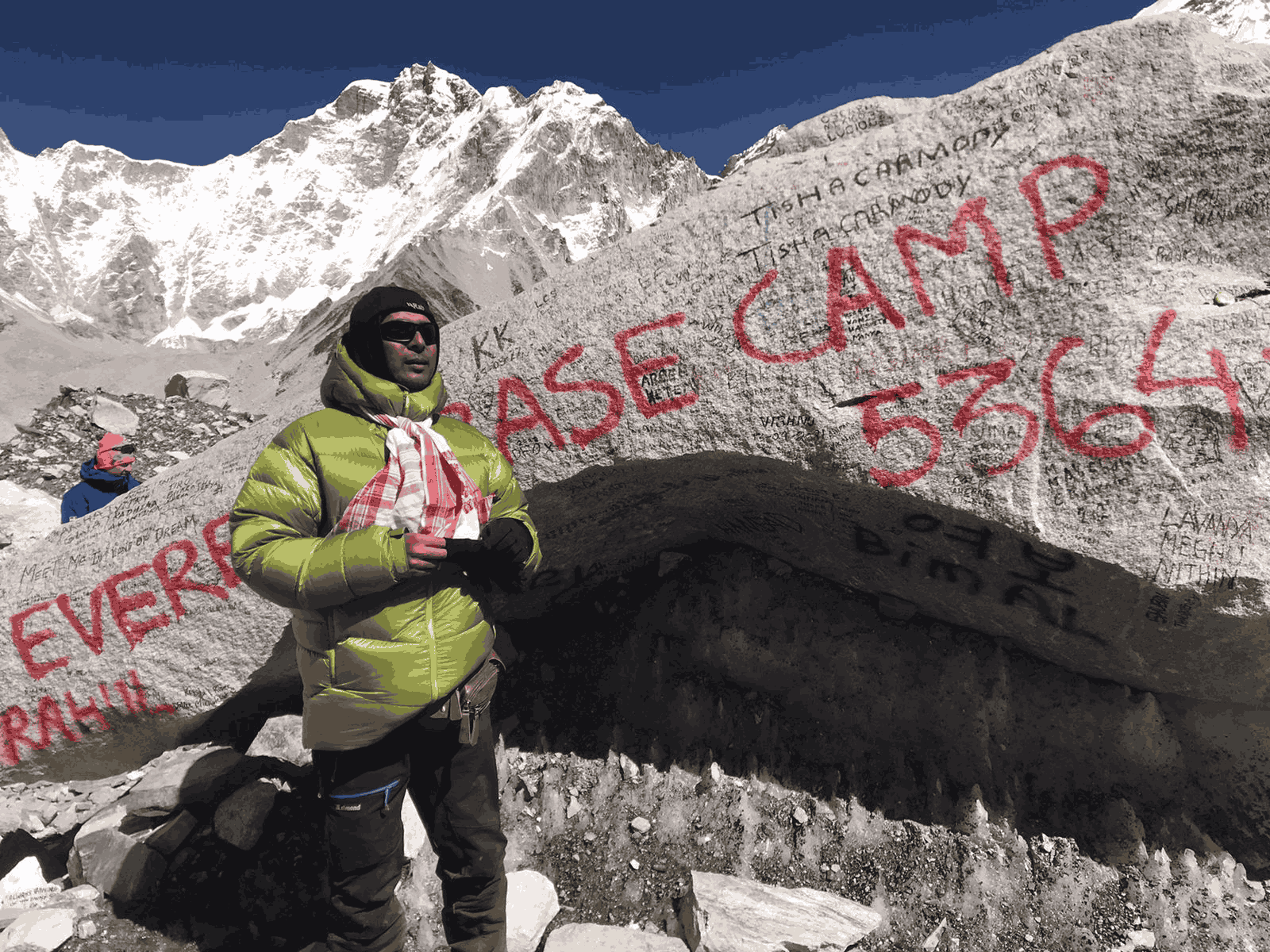
Everest Base Camp Trek is among one of the most popular tourist packages in Nepal. It winds through the picturesque Khumbu passing through the traditional Sherpa villages, suspension bridges, forests and magnificent mountain views, leading to Everest Base Camp at 5364 metres. However, preparing for the trek involves more than just booking your trip. Knowing the permits required, budgeting for the hike and being prepared to hike at higher altitudes is also important.
Planning your Everest Base Camp Trek for 2026/27? Understanding the permits needed, their costs and how to secure them can be a boon to your preparation. In addition to the paperwork, be sure to pay attention to your physical fitness, as you will be walking long distances per day on the steep trails going uphill and in high altitude regions. By planning and training appropriately, you can be better equipped for the trip.
Two main entry documents for the standard route from Lukla to Everest Base Camp are the Sagarmatha National Park Entry Permit and the Khumbu Pasang Lhamu Rural Municipality permit (also known as the Khumbu Trek Card). It is also advisable to look at the current TIMS requirements before leaving for the trek from your trekking company as the information varies from national to local trekking guidance.
You can get this permit at the checkpoints in Lukla or Monjo. Your trekking guide and/or agency can do the following for you: organise the payment; and keep a receipt for your inspection throughout the route.
Therefore, do not automatically add a TIMS fee to your budget without checking. Please check with your trekking company that there is a current mandate for the trek you are undertaking; and you should make all registrations etc prior to leaving for this trek (Mandate can vary depending on the route).
The price of the total permits for the Everest Base Camp Trek will vary according to the nationality you belong. The two main permits are around NPR 6,000/person for most international trekkers. For nationals of the SAARC countries, there is a separate fee and for the Nepalis an even lower amount of fee can be charged.
Fees are charged per person. Local fees and applicable taxes should be confirmed before departure.
These figures cover the two main entry charges for the standard Lukla route. If authorities or your trekking agency have given you any warranties that such a TIMS fee does apply to your trip, then tack it on to the expense of that trip, but otherwise do not need to add it to any trips you book. This could also change for other routes, e.g., the Jiri approach.
When trekking with a registered trekking agency, your guide can arrange the required permits and carry them during the trek. This simplifies the process as you don't need to handle a permit process for everyone.
Here is a general outline of the process:
Overall cost of a standard guided trek in 2026/27 is between USD 1,200 and USD 2,500 (or more) per person. Treks are usually cheaper if they are a budget group trek, whereas private and luxury treks cost more.
Additional costs to take into account are:
The Everest Base Camp Trek is a difficult trek due to the high altitude, steep uphill stretches, and long days of walking. No prior mountaineering experience is required, but be in reasonably good condition to take the hike in comfort.
The best time to prepare is at least 8 to 12 weeks before leaving. The journey demands a lot from the body; there are ways to acclimate your body to it: walking, strength training, endurance training, etc. The following are some sensible tips on preparing for the trip.
Increase walking length and time slowly starting with shorter walks. Try to train on bumpy up-and-down hills, as the path to the top of Everest has lots of Really Steep Stuff!
The following exercises are useful:
Here are a few ways that you can prepare:
Remember these guidelines when applying to a school:
At a Nepalaya Treks expert, we know what it takes to plan an Everest Base Camp trip. We can arrange trekking permits for trekking with usability, map the trekking routes, arrange trekking guides for the hikes and other services to the trekking for trekking guides. We are one of the trekking and tour operator in Nepal and our sole responsibility is to keep you safe, well organized and enjoying your trip. Explore the Everest Base Camp Day Trek package with Nepalaya Treks for a unique Himalayan experience.
Planning your Everest Base Camp Trek for 2026/27? Understanding the permits needed, their costs and how to secure them can be a boon to your preparation. In addition to the paperwork, be sure to pay attention to your physical fitness, as you will be walking long distances per day on the steep trails going uphill and in high altitude regions. By planning and training appropriately, you can be better equipped for the trip.
What Permits Do You Need for the Everest Base Camp Trek?
In order to trek to Everest Base Camp, you must book permits for Khumbu region beforehand. These permits are to enter Sagarmatha National Park and Khumbu Pasang Lhamu Rural Municipality. They also assist in the administration of trekking by the local authorities and the preservation of the natural environment.Two main entry documents for the standard route from Lukla to Everest Base Camp are the Sagarmatha National Park Entry Permit and the Khumbu Pasang Lhamu Rural Municipality permit (also known as the Khumbu Trek Card). It is also advisable to look at the current TIMS requirements before leaving for the trek from your trekking company as the information varies from national to local trekking guidance.
Sagarmatha National Park Entry Permit
Route of the Everest Base Camp trek traverses through the Sagarmatha National Park making it imperative to get the Sagarmatha National Park Entry Permit. The park serves to preserve the nature and wildlife of the region, forests and mountain landscapes. While on the trek from Phakding to Namche Bazaar, you will reach the Monjo Park entrance checkpoint.- Permit fee is subject to nationality. The published 2026/27 rates are:
- Foreign nationals: NPR 3,000 per person.
- Cost of running: NPR 1,500 per individual (SAARC nationals).
- Citizens of other nationalities: NPR 200 per person.
Khumbu Pasang Lhamu Rural Municipality Permit
Khumbu Pasang Lhamu Rural Municipality Permit is a local entry fee charged to the trekkers who visit the Khumbu region. Although both are necessary for the standard Everest Base Camp route, it's not together with the Sagarmatha National Park permit itself. Most foreign trekkers will pay NPR 3,000 per person for the 2026/27 season. The rate applicable may be different for the SAARC nationals and Chinese nationals; please check before traveling.You can get this permit at the checkpoints in Lukla or Monjo. Your trekking guide and/or agency can do the following for you: organise the payment; and keep a receipt for your inspection throughout the route.
Is a TIMS Card Required for the Everest Base Camp Trek?
The Trekkers' Information Management System (TIMS) card is necessary to register trekkers and to help maintain travel information for safety and management. However, existing trekking guides do not clearly explain the standard route to Everest Base Camp. Some national trekking guides recognise Everest Base Camp as one of the routes that requires an agency issued TIMS card and local guides, and through Khumbu recognise the Sagarmatha National Park permit and Khumbu Trek Card as the documents necessary for the standard route trekking Lukla.Therefore, do not automatically add a TIMS fee to your budget without checking. Please check with your trekking company that there is a current mandate for the trek you are undertaking; and you should make all registrations etc prior to leaving for this trek (Mandate can vary depending on the route).
Everest Base Camp Trek Permit Cost for 2026/27
The price of the total permits for the Everest Base Camp Trek will vary according to the nationality you belong. The two main permits are around NPR 6,000/person for most international trekkers. For nationals of the SAARC countries, there is a separate fee and for the Nepalis an even lower amount of fee can be charged.
Here is a breakdown of the commonly published permit fees for 2026/27:
|
Permit |
Foreign nationals |
SAARC nationals |
Nepali citizens |
|
Sagarmatha National Park |
NPR 3,000 |
NPR 1,500 |
NPR 100 |
|
Khumbu Pasang Lhamu Trek Card |
NPR 3,000 |
NPR 2,000 |
Confirm locally |
|
Total |
NPR 6,000 |
NPR 3,500 |
Varies |
Fees are charged per person. Local fees and applicable taxes should be confirmed before departure.
These figures cover the two main entry charges for the standard Lukla route. If authorities or your trekking agency have given you any warranties that such a TIMS fee does apply to your trip, then tack it on to the expense of that trip, but otherwise do not need to add it to any trips you book. This could also change for other routes, e.g., the Jiri approach.
How to Obtain Everest Base Camp Trek Permits
One of the essential steps to take before the Everest Base Camp Trek is getting the appropriate permits. The Sagarmatha National Park Entry Permit can be acquired in Kathmandu or Monjo checkpoint. Khumbu Pasang Lhamu Trek Card is normally issued at the local checkpoints in Lukla/Monjo.When trekking with a registered trekking agency, your guide can arrange the required permits and carry them during the trek. This simplifies the process as you don't need to handle a permit process for everyone.
Here is a general outline of the process:
- Pack Your Papers: Make sure your passport and any other papers you might need are packed. Your trekking company can also ask for your passport information and pictures.
- Acquire the entry permit of Sagarmatha national park: The national park permit is to be purchased from Kathmandu or at entry point of the national park, Monjo.
- Buy your Khumbu Trek Card: Book a local permit in Lukla and Monjo.
- Determine the TIMS requirement: Find out if the route you're running requires a TIMS card and if any other registration is required.
- Store permits safely: Permits or receipts should be carried along the hike, the permits may be inspected at various stages of the trail.
Other Costs to Consider for the Everest Base Camp Trek
Being a permit holder is only a partial component of the cost of Everest Base Camp Trek. You should also take account of travelling expenses, lodging, food, trekking and other costs. The total expenditure will be influenced by your travel plans, the number of people, travel period and what you need in your package.Overall cost of a standard guided trek in 2026/27 is between USD 1,200 and USD 2,500 (or more) per person. Treks are usually cheaper if they are a budget group trek, whereas private and luxury treks cost more.
Additional costs to take into account are:
- Flights to Lukla: Majority of trekkers fly to Lukla from Kathmandu and/or Ramechhap. In peak trekking seasons flights may fly from Ramechhap and it's worth noting you may need to make some money back on a road journey as well.
- Accommodation: There are teahouses and lodges; they are available along the route. The rate is dependent upon location, room facilities and availability.
- Food and drink: Things you need to budget for on the trek: food, tea and coffee, drinking water, snacks and other refreshments.
- Guide/porter service: If your trekking package does not include guide / porter service then you will have to pay for a guide / porter independently.
- Travel insurance and trekking insurance: Get insurances which include high altitude trekking insurance and emergency helicopter evacuation.
- Equipment for trekking: You may require to buy or hire in boots, warm clothing, sleeping bags, a backpack and walking poles etc. for trekking.
- Personal spending: Have some cash for Wi-Fi, battery chargers, hot spots, tipping and anything else that you may want to buy personally.
- Unforeseen expenses: Bad weather can make for delays that could require extra meals, accommodation, or transportation.
How to Prepare for the Everest Base Camp Trek?
The Everest Base Camp Trek is a difficult trek due to the high altitude, steep uphill stretches, and long days of walking. No prior mountaineering experience is required, but be in reasonably good condition to take the hike in comfort.
The best time to prepare is at least 8 to 12 weeks before leaving. The journey demands a lot from the body; there are ways to acclimate your body to it: walking, strength training, endurance training, etc. The following are some sensible tips on preparing for the trip.
Start Walking and Hiking Regularly
Walking is the easiest of all methods to train for the Everest Base Camp Trek. A lot of walking is involved, so be sure to get your body moving during the day as the going will be several hours long.Increase walking length and time slowly starting with shorter walks. Try to train on bumpy up-and-down hills, as the path to the top of Everest has lots of Really Steep Stuff!
- Begin with 30 minutes to 45 minutes of walking each day a few days each week.
- Slowly add length and duration of walk.
- Walk on uneven footings and inclines.
- Try your trekking boots during training to ensure they are comfortable.
Build Leg Strength and Endurance
Strengthening your leg muscles makes it easier to walk uphill, climb stairs, and walk downhill. Strength training also helps to improve balance and to minimize the physical effects of backpacking on the trek. There are some exercises you can do at home to help get your legs in shape and fit in some exercise as well.The following exercises are useful:
- Sit-ups: Work on the abdominal muscles.
- Lunges: Tone and strengthen the legs.
- Step-ups: Practice climbing on steep trails and stairs.
- Calf raises: Tone the lower legs for long walks out of the day.
- Planks: Improve abdominal strength and stability of the body.
Prepare for Long Walking Days
The Everest Base Camp Trek is a hike of several days where you could expect to walk for approximately 5 to 7 hours on each day. Therefore, it is good to take your body to be able to hold a longer period of physical activity without getting tired too soon. A good way to develop stamina is to slowly add distance onto your training walks. You can also try to do walking every day for a few days, and see how your body responds.Here are a few ways that you can prepare:
- Slowly build up to several hours walking.
- Walk every other day.
- Use a carry a lightly loaded back pack for longer training walks.
- Practice controlling your energy during activities, including during breaks with exercise.
- Take plenty of water and smart trek clothing and boots!
- This preparation will help make the longer walking days of the trek easier.
Allow Time for Acclimatization
One of the most significant steps in Everest Base camp hiking preparations is acclimatization. The further up you go, the less oxygen will be available for your body to acclimate to the altitude. This can make them more susceptible to altitude sickness, particularly if they go up too fast. There's no cure for altitude sickness, only physical fitness. A well-prepared program is required so that adjustments can be made to accommodate the change in elevation.Remember these guidelines when applying to a school:
- Consider adding acclimatisation days to the trekking route.
- Increase your speed causing your lift height to rise slowly instead of too high in one day.
- Take his/her suggestions regarding the walking pace and rest.
- Drink often and take your time on the hike!
- If you get headaches, nausea, dizziness or any unusual tiredness, point it out to your guide.
- If you begin to experience altitude sickness, stop ascending. If it is severe, medical attention should be sought, along with a descent to a lower altitude.
Conclusion
The process of planning the Everest Base Camp Trek is more complex than just picking a route and preparing your kit. Before heading to Everest Base Camp, make sure you have all the necessary permits and a clear idea of the trekking costs. Further, you'll want to prepare your body for long days walking and high elevations. With a bit of advance planning and regular exercise, the journey will be quicker and more pleasant.At a Nepalaya Treks expert, we know what it takes to plan an Everest Base Camp trip. We can arrange trekking permits for trekking with usability, map the trekking routes, arrange trekking guides for the hikes and other services to the trekking for trekking guides. We are one of the trekking and tour operator in Nepal and our sole responsibility is to keep you safe, well organized and enjoying your trip. Explore the Everest Base Camp Day Trek package with Nepalaya Treks for a unique Himalayan experience.
FAQs on Everest Base Camp Trek Permit, Costs and Training Tips
1) How much do Everest Base Camp trekking permits cost in 2026/27?
On the Everest Base Camp Trek, there are two permits to secure: first the Sagarmatha National Park Entry Permit and the second is the Khumbu Pasang Lhamu Rural Municipality permit. Total estimated cost for foreigners is NPR 6,000 per person and SAARC nationals are charged NPR 3,500 per person. The rates may vary, please check what the current rates are before making a hike.2) Can I get Everest Base Camp trekking permits in Kathmandu?
Yes, you can obtain the Sagarmatha National Park Entry Permit in Kathmandu before travelling to Lukla. Usually the Khumbu Pasang Lhamu Rural Municipality Permit is acquired in Lukla or at the checkpoint in the Khumbu region. If traveling with an agency, your guide can assist you in getting the necessary permits.3) Do I need a TIMS card for the Everest Base Camp Trek?
The standard Everest Base Camp Trek generally does not require a separate TIMS card because the Khumbu region has its own local permit system. Nepal Tourism Board, however, maintains that the Everest region is under national guidance of TIMS, whereas it is different between national guidance and local Khumbu practices. Please verify the latest requirements with a registered trekking company prior to travel.4) How many weeks should I train for the Everest Base Camp Trek?
It's suggested that you prepare for your Everest Base Camp Trek at least 8-12 weeks prior to departing. Strength exercises, walking, hiking, and tumbleweeding up and down the stairs help tone the legs and build fitness to support lengthy days of travel. Consider longer hikes weighted down with backpacks, if available, to get accustomed to the weight of the trekking gear. Tread slowly and build-up the distance and complexity of training.Leave Your Comment.
Best Selling
Our Best Selling Packages You May Like.