A Complete Guide to Nepal Trekking: Best Trails, Seasons & Travel Tips
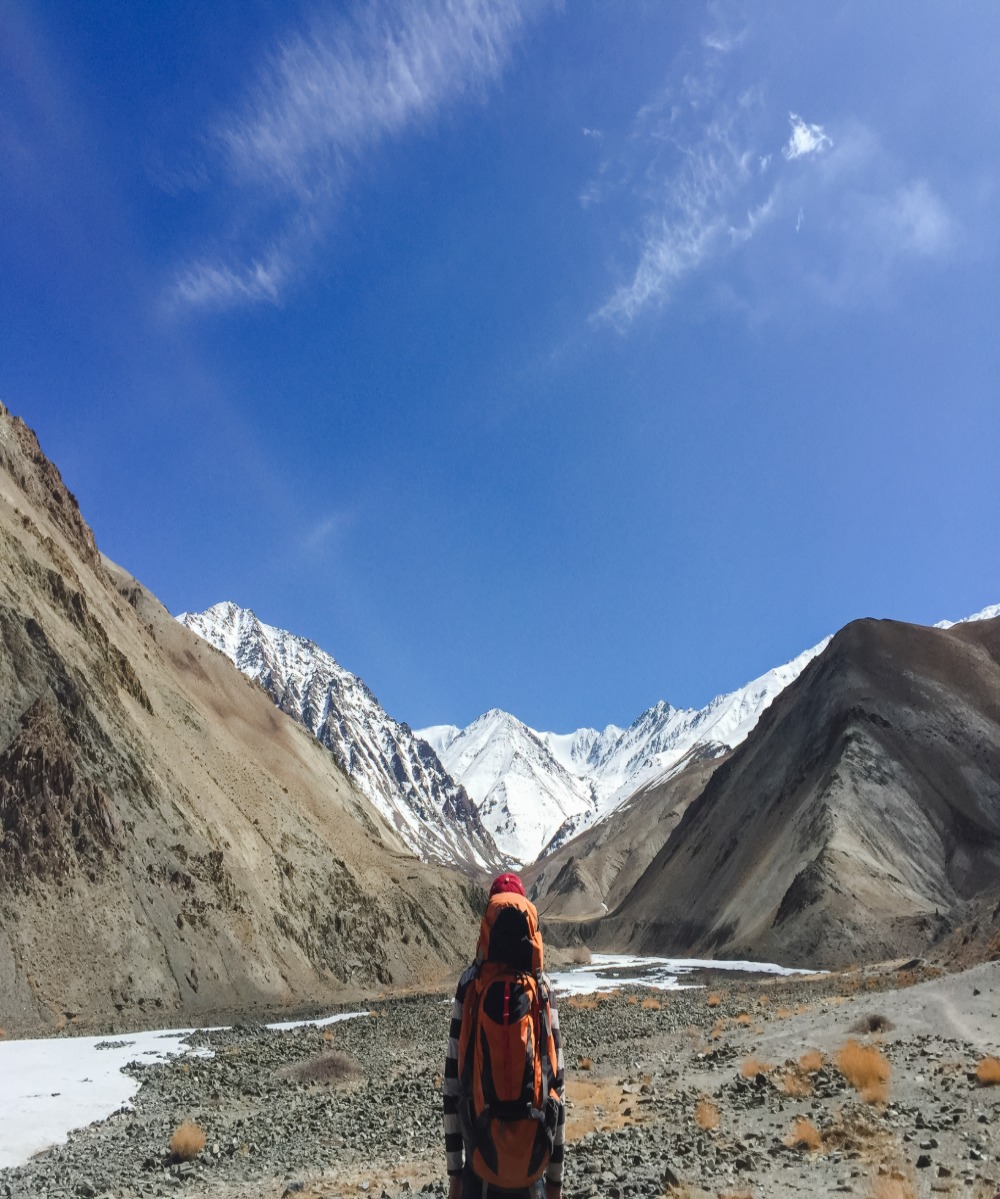
Nepal is the beating heart of Himalayan adventure. Home to eight of the world's fourteen 8,000-meter peaks, including Everest itself, it draws trekkers from every corner of the globe who want to walk among giants. But Nepal trekking is about far more than altitude bragging rights, it's a journey through terraced hillsides, pine and rhododendron forests, suspension bridges strung over glacial rivers, and villages where Buddhist prayer flags flutter beside centuries-old monasteries.
This guide covers everything you need to plan a trek in Nepal: the best seasons, top regions and routes, difficulty levels, fitness and packing preparation, altitude safety, costs, and how to trek responsibly, so you can turn a Himalayan dream into a well-planned reality.
Why Choose Nepal for Trekking?
- Home to the world's highest mountains — Everest, Annapurna, Manaslu, Dhaulagiri, Kanchenjunga, and more all rise within its borders.
- Stunning Himalayan scenery — snow-capped peaks, turquoise glacial lakes, deep river valleys, and alpine meadows shift dramatically as you gain elevation.
- Rich cultural experiences — Sherpa, Gurung, Tamang, Thakali, and Tibetan-influenced communities offer a living cultural tapestry along the trails.
- Diverse trekking routes for all skill levels — from gentle three-day hikes to demanding three-week expeditions.
- Warm hospitality of local communities — teahouse owners and guides are known for treating trekkers like family, not just customers.
Best Time for Trekking in Nepal
Spring (March–May)
Spring brings warming temperatures, generally stable weather, and some of the most colorful scenery of the year.
- Weather conditions: Mild days, cold nights at altitude, occasional afternoon clouds.
- Rhododendron blooms: Nepal's national flower turns hillsides red, pink, and white, especially around Ghorepani and Poon Hill.
- Popular trekking routes: Everest Base Camp, Annapurna Circuit, Annapurna Base Camp, and Langtang Valley.
Autumn (September–November)
Widely considered the best season to trek in Nepal.
- Clear skies and mountain views: The monsoon washes the dust from the air, leaving crisp, far-reaching visibility.
- Stable weather: Minimal rainfall and moderate temperatures make for comfortable trekking days.
- Peak trekking season: Trails and teahouses are busiest, so book permits and accommodation in advance.
Winter (December–February)
A quieter, colder alternative for experienced or budget-conscious trekkers.
- Advantages: Fewer crowds, clearer skies at lower elevations, discounted teahouse rates.
- Challenges: Sub-zero temperatures at altitude, snow-blocked high passes, and shorter daylight hours.
- Best winter trekking destinations: Ghorepani Poon Hill, Mardi Himal, Everest View Trek, and the Annapurna foothills.
Monsoon (June–August)
The least popular season for most of Nepal, but not without its rewards.
- Rainfall and trail conditions: Heavy rain, slippery trails, leeches at lower elevations, and occasional flight delays.
- Rain-shadow regions: Upper Mustang and Dolpo remain relatively dry and are excellent choices during the monsoon.
Best Trekking Regions in Nepal
Everest Region
- Everest Base Camp Trek
- Gokyo Lakes Trek
- Three Passes Trek
- Highlights: Sherpa culture, Sagarmatha National Park, Everest, Lhotse, and Ama Dablam.
Annapurna Region
- Annapurna Base Camp Trek
- Annapurna Circuit Trek
- Ghorepani Poon Hill Trek
- Highlights: Gurung villages, rhododendron forests, hot springs, and diverse landscapes.
Langtang Region
- Langtang Valley Trek
- Gosaikunda Trek
- Langtang, Gosaikunda, Helambu Trek
- Highlights: Fewer crowds, Tibetan-influenced culture, and easy access from Kathmandu.
Manaslu Region
Mustang Region
Popular Treks by Difficulty
Beginner-Friendly Treks
Moderate Treks
Challenging Treks
Essential Preparation Before Your Trek
Physical Fitness
- Cardio training before your trek
- Strength exercises for legs and core
- Practice hiking on uneven terrain
Packing Checklist
- Trekking boots
- Warm layered clothing
- Waterproof rain gear
- Backpack
- Sleeping bag
- Trekking poles
Documents & Permits
- Passport
- Trekking permits
- TIMS Card (where applicable)
- Restricted area permits
Altitude and Safety Tips
- Acclimatize properly.
- Learn the symptoms of altitude sickness.
- Stay hydrated.
- Ascend gradually.
- Have an emergency evacuation plan.
- Purchase travel insurance that covers high-altitude trekking.
Accommodation and Food
- Comfortable teahouses and lodges
- Traditional Nepali meals such as Dal Bhat
- Safe drinking water options
- Wi-Fi and charging facilities available on most popular routes
Hiring a Guide or Porter
- Better navigation and safety
- Valuable cultural insights
- Reduced physical strain with a porter
- Assistance during emergencies and altitude-related issues
Estimated Trekking Costs
- Trekking permits
- Guide and porter fees
- Accommodation
- Food and drinks
- Transportation
- Equipment rental
Responsible Trekking Tips
- Follow Leave No Trace principles.
- Respect local customs and traditions.
- Support local businesses and communities.
- Minimize plastic waste.
- Protect wildlife and natural environments.
Why Trek with a Local Trekking Company?
- Local trail expertise
- Permit arrangements
- Transportation and logistics
- Professional safety support
- Authentic cultural experiences
- Customized trekking itineraries
Frequently Asked Questions (FAQs)
1. What is the best trek for beginners?
Ghorepani Poon Hill and Mardi Himal are excellent beginner-friendly treks with spectacular mountain views.
2. Do I need a guide in Nepal for trekking?
A guide is mandatory for restricted regions like Manaslu and Upper Mustang. For other routes, hiring a guide is highly recommended for safety and a richer trekking experience.
3. How fit should I be for trekking?
A moderate level of fitness combined with several weeks of cardio and hiking preparation is sufficient for most popular treks.
4. What permits are required for trekking in Nepal?
Permit requirements vary depending on the trekking region and may include national park permits, conservation area permits, TIMS Cards, or restricted area permits.
5. Is trekking in Nepal safe?
Yes. With proper acclimatization, careful planning, a reliable guide, and comprehensive travel insurance, trekking in Nepal is considered safe.
6. What is the best month to trek?
October and November offer the clearest skies and most stable weather, while March and April are also excellent for trekking.
7. How much does a Nepal trek cost?
The overall cost depends on the trekking route, duration, permits, transportation, accommodation, and whether you hire guides and porters.
Conclusion
Nepal offers one of the richest trekking experiences on the planet a rare combination of towering mountain scenery, warm cultural encounters, and trails suited to every level of adventurer. Whether you're drawn to the iconic views of Everest Base Camp, the diverse landscapes of the Annapurna Circuit, or the remote mystique of Upper Mustang, choosing the right trek and season will make all the difference.
With the right preparation, respect for local customs, and a commitment to responsible travel, your Himalayan adventure can be both unforgettable and sustainable. To make your journey seamless, consider choosing the best tour and travel agency in Nepal for expert local guides, customized trekking packages, permit assistance, transportation, and complete travel support. Contact us to start planning your Nepal trekking adventure, or check out our other blogs for more trekking guides and tips.
Leave Your Comment.
Best Selling
Our Best Selling Packages You May Like.