How High Is Everest Base Camp? Weather Guide
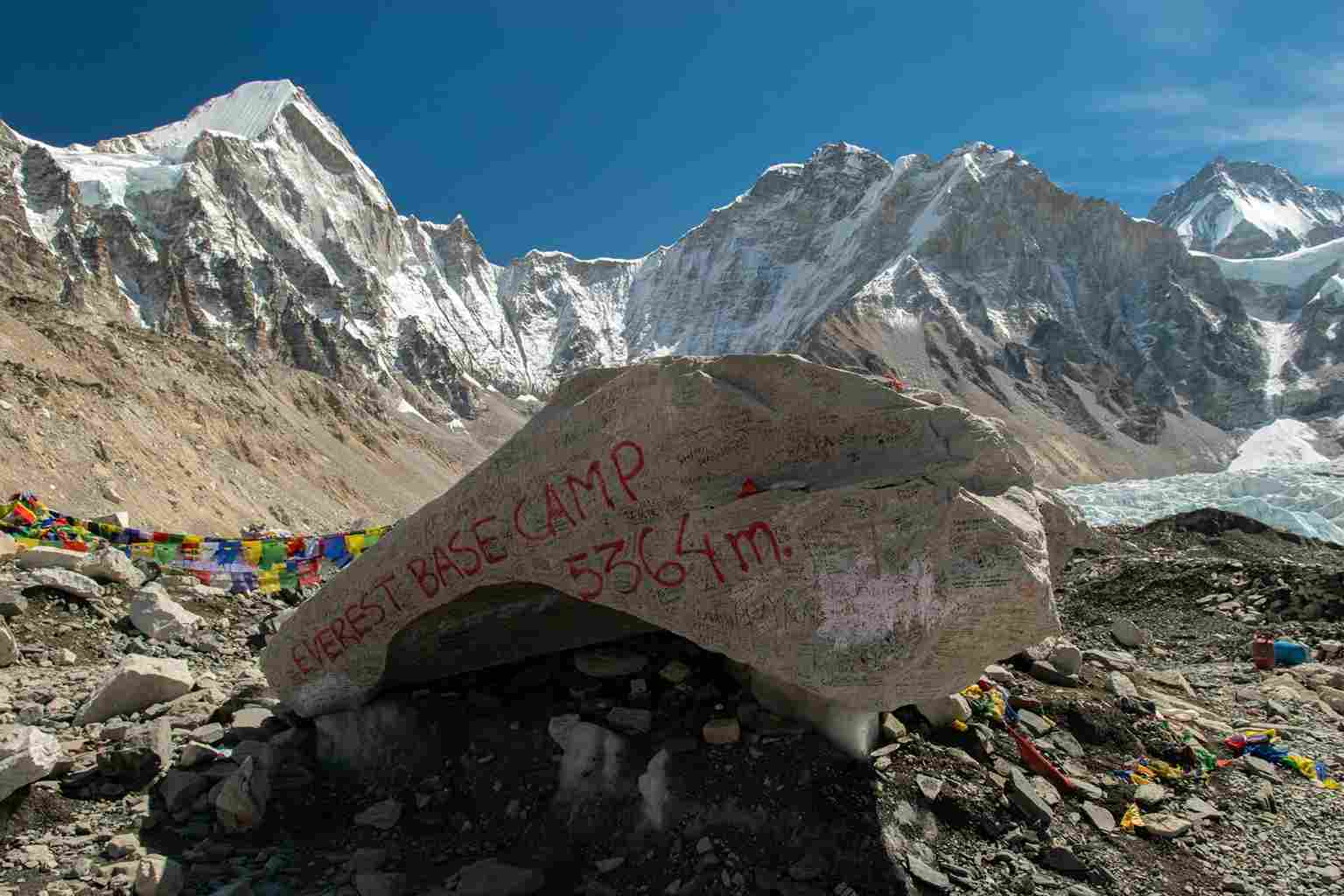
In this guide, we will explain what sort of weather and temperature can be found at Everest Base camp, how it varies throughout the year and when to trek. This will make it easier for you to know what to expect and prepare yourself accordingly for the trip.
How High Is Everest Base Camp?
One of the hiking difficulties of the trek is the rising altitude. But as you climb up the mountain the air thins out and the weather gets colder and colder which makes it harder for the body to adjust. Thus, taking sufficient time to acclimatize is therefore important. Ascending at a gradual pace and allowing enough rest days can help your body acclimate to the altitude and ease your journey.
What Is the Weather Like at Everest Base Camp?

Weather also varies with the season. In the summer, there is an influence of monsoon which makes the sky cloudy at times and sometimes it causes the mountain view to be blocked. Spring and autumn are frequently cloudy, and at times the view of the mountain is obstructed. More snow and freezing temperatures and strong winds are likely during the winter season, which is the coldest time of the year. The weather can also change rapidly in the mountains and it is important that trekkers always be prepared for changing weather.
Everest Base Camp Weather by Season
1. Spring (March to May)
Spring is also a hectic season in the Everest region due to the many visitors trekking and climbing in the region. This season is a great option for excellent weather and clear mountain vistas, but take into consideration that nights in higher altitudes may be cold.
2. Summer/Monsoon (June to August)
Generally, the summit sections of the trail are cooler than the lower portions, so rain may reach snowfall levels in these higher zones. Other factors like weather conditions can also cause delays in flight schedules to and from Lukla, and change one's travel plans. Though monsoon is not an apt time for most of the trekkers, Everest region, having a rain shadow area, does not get as much rainfall as others. When you decide to embark on a trek during these months, waterproof clothing, suitable shoes and flexibility of planning is important.
3. Autumn (September to November)
Temperatures start to get cool in November, particularly in the evening and higher locations. The weather can however be fine and dry at times, the perfect setting for trekking. Fall has great stable weather, clear mountain views and good trail conditions.
4. Winter (December to February)
The greatest benefit of trekking in the winter season is that it is largely uninhabited with few people and also quite clear mountain conditions. But when there is snow, ice and severe cold temperatures it can be more difficult. Those trekking in winter must take cold conditions into account and be ready to adjust their route if necessary.
Everest Base Camp Temperature Guide
The table below is a general guide to the temperatures you might expect at higher elevations at various times of the year:
| Season | Daytime Conditions at Higher Elevations | Nighttime Conditions |
| March to May | Around 0°C to 10°C | Below 0°C |
| June to August | Around 5°C to 15°C | Around 0°C or below |
| September to November | Around 0°C to 10°C | Below 0°C |
| December to February | Around -5°C to 5°C | Well below 0°C |
These are general temperature ranges, not exact forecasts. Actual Temperatures can vary depending on altitude, weather, wind, cloud cover, and whether it is day or night. The conditions at Everest Base Camp are also very cold compared to the trek starting points.
For example, temperatures in Lukla are much warmer than at the higher elevations of the trek. In October, Lukla can reach around 10°C to 14°C during the day, while areas near Gorak Shep can be close to 0°C to 2°C later in the month. This shows why temperatures become much colder as you gain altitude.
What Is the Best Time to Trek to Everest Base Camp?
The autumn season follows the monsoon and often there is a better view of the mountains and the trails tend to be dry. With extended daylight hours and warmer weather comes the spring season, but mornings and nights may be cool in the higher elevations. The months from November through March can be bitterly cold and the monsoon from June to August can be drizzly and cloudy with slick trails. These are not seasons of the tour route around Everest Base Camp that are as popular.
What Should You Pack for Everest Base Camp Weather?

Warm, completely waterproof, windproof clothing is needed in your packing list, along with comfortable trekking shoes and sun protection. The supplies required may differ from season to season. However these are the things that most returning trekkers will require.
Clothing
- Moisture-wicking base layers
- Fleece or warm mid-layer
- Down or insulated jacket
- Waterproof and windproof jacket
- Trekking trousers
- Warm thermal trousers
- Wool or thermal socks
- Warm gloves
- Beanie or warm hat
- Sun hat
- Comfortable trekking boots
- Sunglasses with good UV protection
Other Essentials:
- Sunscreen and lip balm with SPF
- Water bottles or hydration system
- Water purification tablets or filter
- Headlamp
- Trekking poles
- Backpack and rain cover
- Personal medication and basic first-aid items
- Toiletries
- Power bank
- Reusable water bottle
- Travel documents and permits
Note: For a complete, season-by-season breakdown of everything to pack, check out our detailed Everest Base Camp Packing List.
Tips for Dealing With Everest Base Camp Weather
- Dress in layers: Layer clothing, remove it if you get hot or add on if cold.
- Take a rain jacket or rain cover: Make sure you have a rain jacket or rain cover with you even on non-rainy days.
- Initiate early: mornings tend to be clearer and can give clearer opportunities for trekking and mountain sights.
- Hydrate: Drink plenty of water, particularly in hot climates and areas.
- Protect yourself from the sun: Wear sunscreen, sunglasses, and a hat to protect your skin and eyes.
- Leave plenty of time for the flights to arrive on time or be cancelled due to weather conditions especially to and from Lukla.
- Do acclimatization: Ensure adequate rest days and progression up the mountains is not rapid.
- Look at the forecast: Take advantage of daily weather reports, and avoid going out if it's not safe.
- Be ready for chilly evenings: The night has a way of cooling off rapidly, so be sure to have warm clothes on hand.
Conclusion
The Everest Base Camp Trek reaches 5,364 metres, where conditions can change rapidly and temperatures can drop sharply. Spring and autumn are the busiest and most reliable trekking seasons, offering clearer skies and more stable weather. You can make your trek more comfortable, enjoyable, and safer by wearing the right clothes, acclimatizing properly, and preparing for the weather conditions.
If you're a beginner planning your Everest Base Camp trek, Nepalaya Treks, the best tour and travel agency in Nepal, is a great choice, as we include proper acclimatization, experienced local guides, and support throughout the journey. Our inclusive Everest Base Camp Trek packages offer trekkers a chance to explore the Khumbu region while taking the right precautions for a safe and enjoyable trek.
Recommended Blogs:
1. How Difficult Is the Annapurna Base Camp Trek for Beginners?2. Which Is the Best Season for the Manaslu Circuit Trek? Guide 2026
FAQ on How High Is the Everest Base Camp
1. How high is Everest Base Camp?
2. How cold is Everest Base Camp?
3. What is the best month to trek to Everest Base Camp?
4. Can you trek to Everest Base Camp in winter?
5. Does it rain at Everest Base Camp?
6. Is Everest Base Camp colder than Kathmandu?
Leave Your Comment.
Best Selling
Our Best Selling Packages You May Like.