Langtang Valley Trek Difficulty & Weather: Month by Month
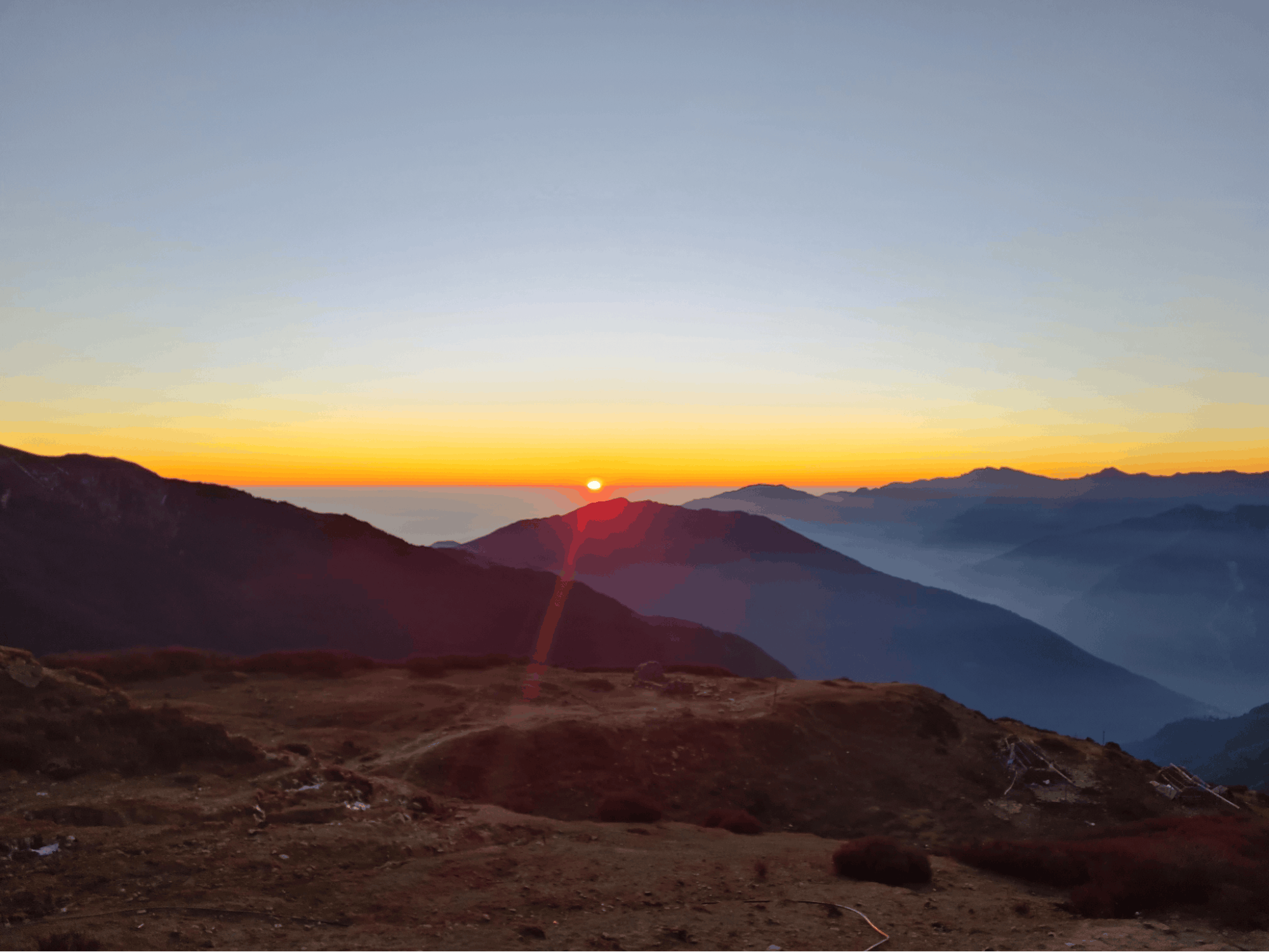
Langtang Valley Trek offers a scenic hiking route through green forests, traditional villages, and beautiful Himalayan mountain scenery. The Langtang Valley Trek is considered a moderate trek, but understanding its difficulty can help you prepare for the journey. The trail gradually ascends to Kyanjin Gompa at approximately 3,870 metres, where temperatures are significantly colder than in the lower areas of the valley.
Weather is also an important factor affecting the Langtang Valley Trek. Spring and autumn are typically the ideal seasons, as the weather is pleasant and the skies are clear, offering excellent trekking conditions. Rain and muddy trails can occur during the summer monsoon, while winter can be very cold with snowfall at higher elevations. This guide covers the difficulty and weather of the trek month by month to help you plan your journey.
How Difficult Is the Langtang Valley Trek?
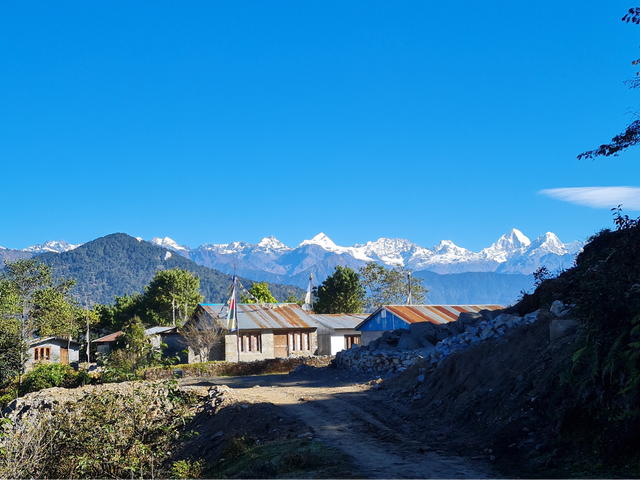
Many trekkers ask, 'Is the Langtang Valley Trek difficult?' Overall, it is considered a moderate trek that requires good physical fitness and preparation. This trek does not require technical climbing skills, but it involves several hours of walking daily, steep uphill sections, and rough mountain trails. The typical trekking duration is 7 to 10 days, depending on the starting point, walking speed, and time allocated for acclimatisation.
The trek begins at Syabrubesi and gradually passes through forests, small villages, and settlements along the Langtang River. The trail becomes steeper in some sections as it climbs higher, and walking may feel more challenging due to the lower oxygen levels. One of the main challenges is reaching Kyanjin Gompa at around 3,870 metres, particularly for those who are not accustomed to high altitudes.
The route also passes through traditional Tamang villages, where trekkers can experience local culture and mountain lifestyles. Those interested in exploring the cultural heritage of the region can also consider the Tamang Heritage Trek.
Several factors can affect the difficulty of the trek:
- Time spent walking each day: Trekkers can expect to walk approximately 5 to 7 hours daily on certain days, depending on the trail and itinerary.
- Altitude: The higher you climb, the less oxygen is available in the air. This can make walking more difficult and increase the risk of altitude sickness.
- Trail conditions: The route includes stone steps, rocky paths, forest trails, and uneven sections. Some areas may become more challenging during rainy, snowy, or icy conditions.
- Weather: Walking conditions can be affected by cold temperatures, strong winds, rain, and snow, especially at higher elevations.
- Physical fitness: Good stamina and leg strength help trekkers manage long walking days and steep inclines.
The Langtang Valley Trek does not require previous high-altitude trekking experience. However, building fitness through regular walking, hiking, and endurance exercises before the journey can make a significant difference. Allowing enough time for acclimatisation and following a suitable itinerary are also important.
Langtang Valley Trek Weather and Difficulty Month by Month
The weather in Langtang Valley changes throughout the year, and each season offers a different trekking experience. Spring and autumn are generally the best seasons, with pleasant weather and clear mountain views. Weather conditions also affect the difficulty of the Langtang Valley Trek, as winter brings cold temperatures and possible snowfall, while monsoon months often bring wet and muddy trails.
Temperatures also vary depending on elevation. Lower sections of the valley are generally warmer during the day, while areas such as Langtang Village and Kyanjin Gompa are cooler. Trekkers looking for a longer Himalayan journey can also consider the Langtang, Gosaikunda, Helambu Trek, which combines several destinations in the region.
This seasonal guide explains what to expect throughout the year and how each season can affect your trekking experience.
Spring (March to May)
Spring is one of the best seasons for the Langtang Valley Trek. Temperatures gradually become warmer, days are mostly bright and sunny, and forests become colourful with blooming flowers, particularly rhododendrons. Mountain views are generally excellent, especially in the mornings, although clouds may develop later in the day.
March can still bring chilly mornings and evenings, particularly at higher elevations. April is one of the best months for trekking, with pleasant temperatures and colourful forests. May is also a good month, although temperatures become warmer at lower elevations and occasional showers may occur as the monsoon approaches.
Here are some highlights for each month:
- March: Temperatures begin to warm up, although nights remain cold at higher altitudes. Lower forests start blooming with rhododendrons, and trails are generally suitable for trekking.
- April: One of the best times for the trek. The weather is generally pleasant, mountain views are clear, and rhododendron forests add colour to the scenery.
- May: Higher elevations remain cooler, while lower areas become warmer. Afternoon clouds and occasional rain showers may occur, so starting early is recommended.
Trekking difficulty: Spring is generally suitable for beginners and experienced trekkers alike. Trails are usually in better condition than during the monsoon, although some higher sections may still have snow, particularly in early spring.
Summer and Monsoon (June to August)
The Langtang region experiences warmer temperatures and frequent rainfall during summer and the monsoon season. The landscape becomes greener and more vibrant, although trekking conditions can become more challenging. Forested areas may experience heavy rainfall, muddy paths, slippery stone steps, and leeches.
Mountains are sometimes covered by clouds and fog, limiting visibility and mountain views. There is also a possibility of landslides along the trekking route and the road from Kathmandu to the starting point. Additionally, some teahouses at higher elevations may close during this season.
Weather conditions vary from month to month:
- June: The monsoon typically begins with regular rainfall and cloudy weather. Trails become wet and slippery, particularly during afternoon showers.
- July: Usually one of the rainiest periods of the year. Heavy rainfall, leeches, muddy trails, and landslides can make travelling more difficult.
- August: Rainfall generally continues but may gradually decrease towards the end of the month. Trails can remain muddy, and mountain views may be unpredictable.
Trekking difficulty: The Langtang Valley Trek becomes more challenging during the monsoon because of slippery terrain, heavy rainfall, and increased landslide risks. It is generally not recommended for inexperienced trekkers. Anyone planning to trek during this season should check current road and trail conditions and consider travelling with experienced local support.
Autumn (September to November)
Autumn is one of the best seasons for the Langtang Valley Trek. After the monsoon ends, the landscapes become fresh, the air is clearer, and mountain views are generally excellent. The weather is usually pleasant during the day, although mornings and nights can be cold at higher elevations.
October is among the best months to visit, as it typically brings less rainfall and clear skies. Temperatures begin to decrease in November, but it remains a good month for trekking, particularly around Kyanjin Gompa. Trails are generally in good condition and suitable for both beginners and experienced hikers.
Weather conditions during autumn vary:
- September: The first half of the month may still receive monsoon rainfall. Conditions generally improve towards the middle and end of September, making late September a better time to trek.
- October: One of the best months for the trek. The weather is generally pleasant, rainfall is limited, and mountain views are excellent. Nights can still be cold.
- November: Conditions are mostly dry and clear, although temperatures become colder. Freezing nights and occasional snowfall are possible at higher elevations, particularly towards the end of the month.
Trekking difficulty: Autumn is one of the easiest seasons for trekking because rainfall is generally low and weather conditions are more predictable. October is particularly suitable for beginners who have prepared for walking at higher altitudes. November is also a good option with appropriate warm clothing.
Winter (December to February)
The Langtang Valley Trek can be difficult during winter because of freezing temperatures, snowfall, and icy trails, particularly at higher elevations. Even in lower areas, daytime temperatures can be relatively mild, while mornings and nights become very cold as you gain altitude. Some trails may become icy and difficult to walk on, and snowfall is possible at higher elevations.
Winter conditions are not always harsh, as many areas offer clear skies, beautiful mountain views, and quieter trails. However, winter trekking requires additional preparation, appropriate clothing, and flexibility in your plans. Some teahouses may also close during the winter months, so checking accommodation availability before departure is important.
Here is what to expect during each winter month:
- December: Trekking is still possible, particularly in early December, with appropriate cold-weather clothing. Nights are cold, and the possibility of snowfall increases at higher elevations.
- January: Typically the coldest month of the year. Snow and ice may affect trails around Kyanjin Gompa, and nighttime temperatures can drop well below freezing.
- February: Temperatures remain cold, although days gradually become longer and warmer. Snow and icy trails may still be present at higher elevations.
Trekking difficulty: The Langtang Valley Trek is more challenging during winter because of freezing temperatures, snow, and icy trails. It is better suited to experienced trekkers equipped with appropriate winter gear who can plan their journeys according to weather conditions. Beginners may find spring or autumn more suitable.
Which Is the Best Month for the Langtang Valley Trek?
October is generally the best month for the Langtang Valley Trek because of stable weather, clear skies, and excellent mountain views. The monsoon has usually ended by this time, and trails are generally drier and easier to navigate. April is another excellent month, as rhododendrons are in bloom and daytime temperatures are pleasant.
However, the best month depends on the type of trekking experience you prefer. Some months offer quieter trails, while others provide better mountain views or warmer temperatures.
Here is a simple guide to help you choose:
| Month | Trekking Conditions | Best For |
|---|---|---|
| March | Good, but still cold | Quieter trails and spring scenery |
| April | Excellent | Rhododendron blooms and pleasant weather |
| May | Good, with occasional rain | Warmer days and green landscapes |
| June–August | Challenging | Experienced trekkers prepared for monsoon conditions |
| September | Better towards the end | Fresh landscapes and fewer crowds |
| October | Excellent | Clear mountain views and stable weather |
| November | Very good, but colder | Clear skies and quieter trails |
| December | Cold, especially at night | Experienced trekkers seeking quieter trails |
| January–February | Very cold, with possible snow | Experienced winter trekkers |
April and October are excellent months for undertaking your first trek in Langtang Valley. Both months generally offer pleasant weather and good trail conditions. However, mountain weather can change unexpectedly, and local trail conditions may vary. Always check the forecast and current trail conditions before starting your journey.
How to Prepare for the Langtang Valley Trek in Different Weather Conditions
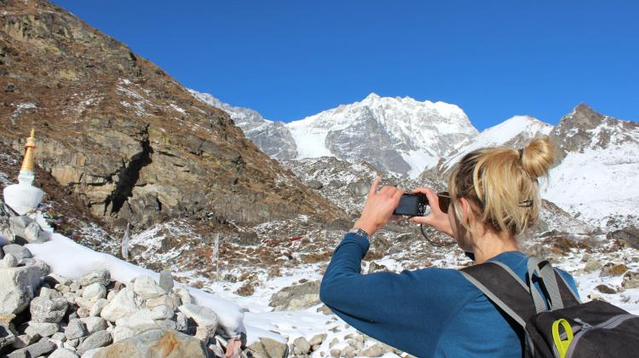
Preparing for the Langtang Valley Trek involves more than packing clothes and trekking equipment. Before starting your journey, consider the nature of the trail, weather conditions, daily walking hours, and altitude. Proper preparation can help you manage different seasonal conditions and make your trek more comfortable.
Understanding what makes the Langtang Valley Trek difficult can help you choose the right clothing, equipment, and training schedule.
Before departure, you can also review Nepalaya Treks' essential trekking information to understand important arrangements and preparations for trekking in Nepal.
Here are some useful preparation tips:
- Bring appropriate clothing: Pack warm layers, thermal wear, a fleece jacket, and a waterproof outer layer. Temperatures can change quickly as you gain altitude, so layering allows you to adjust to different conditions.
- Take along rain gear: During spring and monsoon, carry a rain jacket, backpack rain cover, and waterproof trekking boots. These help keep you dry on wet trails.
- Carry dry, warm clothing: Winter trekkers should bring a thermal jacket, down jacket, insulated gloves, warm hat, and suitable sleeping bag. Microspikes may also be useful on icy trails.
- Take comfortable trekking boots: Choose sturdy boots with good grip and ankle support. Break them in before your trek to avoid discomfort and blisters.
- Build your physical fitness: Spend a few weeks preparing for the physical demands of the trek. Regular walking, hiking, and leg-strengthening exercises can help improve stamina and make steep climbs easier.
- Bring sun protection: Carry sunscreen, sunglasses, and a hat. Sun exposure can be strong at higher elevations, even in cold weather.
- Stay hydrated: Drink enough water throughout the trek and avoid rushing uphill. Proper acclimatisation is important to reduce the risk of altitude-related illness.
- Know the trail conditions: Check with your guide or local trekking contacts before departure to understand the latest trail conditions.
These preparations are especially important during the monsoon and winter seasons.
Even when trekking during the best seasons, it is important to expect unexpected weather changes. Having suitable gear and allowing enough time for your journey through Langtang Valley can make the trek safer and more comfortable.
Conclusion
The Langtang Valley Trek is a moderate trekking route that beginners can complete with proper preparation and acclimatisation. Its difficulty depends on weather, elevation, and trail conditions during your visit. Spring and autumn are generally the best seasons for enjoying mountain scenery and comfortable trekking conditions. However, extra care is necessary during the monsoon and winter because of heavy rainfall, slippery trails, snowfall, and freezing temperatures. April and October are particularly good months to plan your journey.
Nepalaya Treks can help you plan your Langtang Valley journey with a suitable itinerary, experienced local support, and travel arrangements. Whether you are a beginner or an experienced trekker, the Langtang region offers a memorable Himalayan experience.
Frequently Asked Questions (FAQs)
1) Which month is best for the Langtang Valley Trek?
October is an excellent month for the Langtang Valley Trek because the weather is generally stable, skies are clear, and mountain views are impressive. April is another good option, offering pleasant weather and blooming rhododendron forests. Both months provide favourable trekking conditions.
2) Is the Langtang Valley Trek difficult for beginners?
The Langtang Valley Trek is a moderate trek suitable for beginners with reasonable fitness and proper preparation. The route includes steep inclines, rocky paths, and long walking days of around 5 to 7 hours. Beginners should prepare through regular exercise and allow sufficient time for acclimatisation.
3) Does it snow during the Langtang Valley Trek?
Yes, snowfall is possible in Langtang Valley, particularly during winter and at higher elevations. Snow is more common between December and February, although it can also occur in early spring and late autumn. The amount of snowfall depends on weather conditions and elevation.
4) Can you do the Langtang Valley Trek during the monsoon?
Although trekking in Langtang Valley is possible during the monsoon season from June to August, it is generally not the most recommended time. Heavy rainfall can make trails muddy and slippery, while leeches, landslides, and cloudy weather can affect the trekking experience. Those choosing this season should take proper precautions and travel with experienced local support.
5) How cold does Langtang Valley get in winter?
Temperatures in Langtang Valley can drop below freezing during winter, particularly at higher elevations. At Kyanjin Gompa (3,870 metres), nighttime temperatures can reach approximately -10°C to -15°C on particularly cold nights. Warm clothing, insulated equipment, and appropriate winter trekking gear are essential.
Leave Your Comment.
Best Selling
Our Best Selling Packages You May Like.