Manaslu Circuit Trek Permit Cost & Requirements: Full Guide (2026)
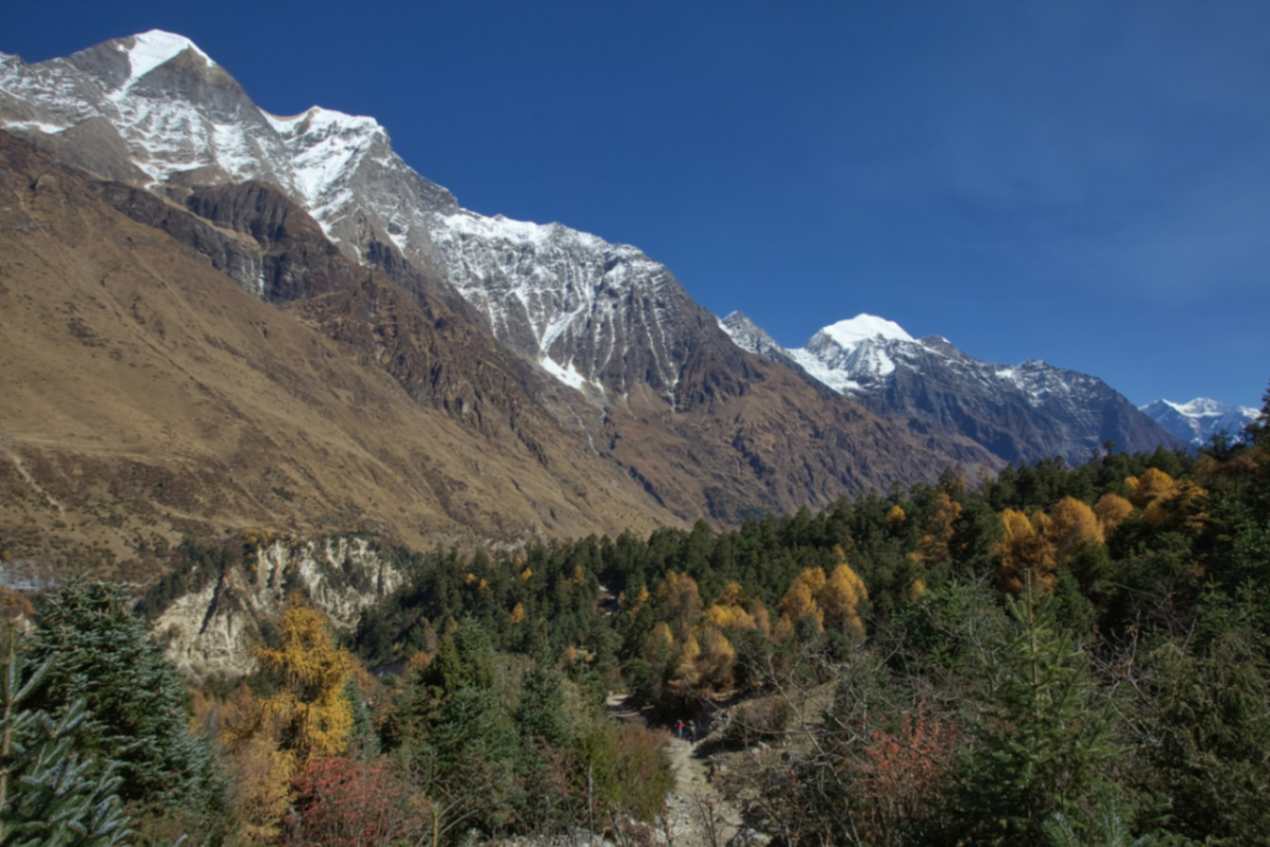
The Manaslu Circuit Trek is among the most enjoyable treks that you can undertake in Nepal. With the Manaslu Circuit Trek, you will have the opportunity to explore breathtaking Himalayan landscapes, unique mountain villages, and a trek on a less crowded region compared to the Everest and Annapurna regions. As such, the trekking route to the Manaslu Circuit Trek takes you across the Manaslu Conservation Area, which is a protected region in the vicinity of the Tibetan border. Therefore, you, as the trekker, will have to acquire some permits prior to embarking on the trip. The permits include the Manaslu Restricted Area Permit (RAP), Manaslu Conservation Area Permit (MCAP), and Annapurna Conservation Area Permit (ACAP).
This guide will help you understand the new fees for the permit for the Manaslu Circuit Trek, the required documents, and how you will get the permit.
This guide will help you understand the new fees for the permit for the Manaslu Circuit Trek, the required documents, and how you will get the permit.
Why Do You Need to Get a Permit for Manaslu Circuit Trek?

Manaslu Circuit Trek is one of the most fulfilling trekking routes in Nepal; however, the trekking route includes restricted areas. Because of this, you need special permits to progress in this trek. The Government of Nepal has introduced these special permits to protect the region's unique cultural heritage, preserve the mountain environment, and regulate tourism in the remote region. In addition to that, all trails for the Manaslu Circuit Trek end up reaching the Annapurna Region once they cross the Larkya La Pass. In this regard, permits for the conservation of both Manaslu and Annapurna Conservation Areas are also required. The issuance of trekking permits in the region will contribute towards ensuring the sustainability of the region while providing safety to the trekkers at the same time. With all this kept in mind, some of the major reasons for requiring permits include:
- Protect the Restricted Area in proximity to the Nepal-Tibet border.
- Preserve the culture and heritage of the region, which is affected by Tibetan communities residing in the mountain regions.
- Contribute towards conservation efforts aimed at protecting forests, rivers, animals, and alpine regions.
- Keep trekking paths maintained and build bridges and other infrastructure facilities.
- Ensure the safety of the trekkers by registering their presence through official checkpoints.
- Encourage responsible tourism by limiting the number of people and their impact on the environment.
- At various checkpoints throughout the path, you will be required to have all valid permits for the trek.
Manaslu Circuit Trek Permits Required
In case you have planned for the Manaslu Circuit Trek, then you will need three types of permits to undertake the entire trek. Since the trek passes through both the Manaslu and Annapurna Conservation Areas, all three permits are mandatory for most foreign trekkers.
1. Manaslu Restricted Area Permit (RAP)
The Manaslu Restricted Area Permit (RAP) is the most important permit for the trek. It is required for the section between Jagat and Dharapani, which is designated as a restricted area by the Government of Nepal due to its proximity to the Nepal–Tibet border.
Unlike other trekking permits, the RAP has a seasonal pricing system, with higher fees during the peak trekking seasons. The permit is issued by Nepal's Department of Immigration, and it can only be obtained through a registered trekking agency as part of an organized trek.
Current RAP fees are:
Unlike other trekking permits, the RAP has a seasonal pricing system, with higher fees during the peak trekking seasons. The permit is issued by Nepal's Department of Immigration, and it can only be obtained through a registered trekking agency as part of an organized trek.
Current RAP fees are:
| Travel Period | Permit Fee |
| September–November | USD 100 per person for the first 7 days + USD 15 for each additional day |
| December–August | USD 75 per person for the first 7 days + USD 10 for each additional day |
With the majority of Manaslu Circuit trip schedules having more than seven days to spend within the restricted area, many of those who plan on trekking will have to pay the extra fee per day.
2. Manaslu Conservation Area Permit (MCAP)
The Manaslu Conservation Area Permit (MCAP) gives you access to the Manaslu Conservation Area, which consists of wildlife, forest, glacier, and the old villages of the mountains. The money generated through this permit goes into conservation work.
This permit is valid throughout the whole trip.
This permit is valid throughout the whole trip.
3. Annapurna Conservation Area Permit (ACAP)
After crossing the Larkya La Pass (5,106 m), the trail enters the Annapurna Conservation Area. Because of this, every trekker must also obtain an Annapurna Conservation Area Permit (ACAP) before beginning the trek.
Like the MCAP, this permit supports conservation programs, trail maintenance, and sustainable tourism across one of Nepal's most popular trekking regions. It is also valid for the entire trek.
Like the MCAP, this permit supports conservation programs, trail maintenance, and sustainable tourism across one of Nepal's most popular trekking regions. It is also valid for the entire trek.
| Visitor | Cost |
| Foreign Nationals | NPR 3,000 |
| SAARC Nationals | NPR 1,000 |
| Nepali Citizens | Free |
Manaslu Circuit Trek Permit Cost (2026)

Before you plan your trip and make any estimates regarding the same, it becomes imperative for you to be aware of the permit charges, as the total charges depend on the time of the year and the number of days that you intend to spend in the restricted area, due to the fact that the RAP charge varies seasonally. Additionally, apart from the RAP permit, you will require the Manaslu Conservation Area Permit and the Annapurna Conservation Area Permit, which have a fixed rate. Below is a table with the permit fees:
| Permit | Foreign Nationals | SAARC Nationals |
| Restricted Area Permit (Sep–Nov) | USD 100 (first 7 days) + USD 15/day thereafter | USD 100 (first 7 days) + USD 15/day thereafter |
| Restricted Area Permit (Dec–Aug) | USD 75 (first 7 days) + USD 10/day thereafter | USD 75 (first 7 days) + USD 10/day thereafter |
| Manaslu Conservation Area Permit (MCAP) | NPR 3,000 | NPR 1,000 |
| Annapurna Conservation Area Permit (ACAP) | NPR 3,000 | NPR 1,000 |
For most trekkers, the total permit cost will depend on the season and the number of days spent inside the restricted area.
- September–November: Around USD 100–175, plus NPR 6,000 for the MCAP and ACAP.
- December–August: Around USD 75–145, plus NPR 6,000 for the MCAP and ACAP.
Take note that the numbers stated above refer only to the cost of the permit fees. The numbers do not include the guide fee, trekking agency service charge, porter fee, accommodation, food, transportation, and any other individual cost incurred while on the trek.
Who can Apply for the Permit?
After the talk about the cost of permits, let us discuss who can apply for permits. As the Manaslu Circuit Trek involves passing through the Manaslu and Annapurna Conservation Areas as well as through a Restricted Area, permit requirements are strictly enforced through checkpoints situated at different points on the trail. Although the permits required by all foreign trekkers are almost identical, the fees and qualifications differ based on one's citizenship. By knowing what is required in advance, one can avoid any problems or delays in meeting these requirements before starting the trek.
The permit requirements apply to:
The permit requirements apply to:
- Foreign Nationals: All trekkers who come from outside the SAARC countries should have obtained the three permits before embarking on the Manaslu Circuit Trek. The permits include the Restricted Area Permit (RAP), Manaslu Conservation Area Permit (MCAP) and Annapurna Conservation Area Permit (ACAP).
- SAARC nationals: The trekkers who come from the SAARC countries are required to get the RAP, MCAP and ACAP. While the Restricted Area Permit fee charged is the same as it would be for the other foreign nationals, there are discounts offered to SAARC nationals for the Manaslu and Annapurna.
- Nepali citizens: Nepalese trekkers are not required to obtain the Restricted Area Permit and are exempt from paying conservation area permit fees for the Manaslu and Annapurna Conservation Areas. However, they may still need to present valid identification at checkpoints during the trek.
It should be noted that the Restricted Area Permit (RAP) has additional requirements that all foreign and SAARC trekkers must follow. Unlike many other trekking regions of Nepal, the Manaslu Circuit cannot be trekked independently. The Government of Nepal requires trekkers to do the following:
- Book the trek through a registered trekking agency in Nepal.
- Travel in a group of at least two trekkers (excluding the licensed guide).
- Be accompanied by a licensed trekking guide throughout the restricted area.
Because of these regulations, solo trekkers cannot apply for the RAP themselves. In such a case, one needs to get in touch with trekking agencies like Nepalaya Treks and Expeditions, one of the best trekking and travel agencies in Nepal. The procedure ensures the regulation of tourism and the safety of trekkers, as well as preserving the unique heritage of the Manaslu area.
Manaslu Trek Permit Requirements
Obtaining the permits for the Manaslu is a simple process. However, there are several government regulations that every trekker must follow, so it's worth reviewing our important trip notes before you begin. All the permit applications must meet eligibility requirements. Proper preparation of the required papers beforehand and registering via a trekking company licensed for organizing such treks will facilitate an easy process of obtaining the permit.
1. Minimum Number of Trekkers
In order to apply for the Manaslu Restricted Area Permit (RAP), you should be a member of a group comprising no less than two people trekking. Your guide will not be counted as one of these people; that is why you should have two or more trekkers accompanying you on the trip.
The regulation was adopted by the Government of Nepal. If you're traveling solo, most trekking agencies can often pair you with another trekker so you can meet this requirement.
The regulation was adopted by the Government of Nepal. If you're traveling solo, most trekking agencies can often pair you with another trekker so you can meet this requirement.
2. Book Through a Licensed Trekking Agency
You cannot apply for the Restricted Area Permit on your own. The permit must be processed through a government-registered trekking agency in Nepal, which will submit the application to the Department of Immigration on your behalf.
Your trekking company will take care of obtaining the needed conservation permits (MCAP and ACAP). Normally, all that will be needed from you is the provision of necessary documents.
Your trekking company will take care of obtaining the needed conservation permits (MCAP and ACAP). Normally, all that will be needed from you is the provision of necessary documents.
3. Hire a Licensed Trekking Guide
A licensed trekking guide is compulsory for doing the Manaslu Circuit Trek. It is applicable to all who come to the restricted area and is enforced by the Nepalese government.
Apart from fulfilling the formalities, hiring a licensed trekking guide is also very beneficial for a pleasant experience. A guide will help you in the following matters:
Apart from fulfilling the formalities, hiring a licensed trekking guide is also very beneficial for a pleasant experience. A guide will help you in the following matters:
- navigation through routes;
- communication with the locals;
- arranging accommodation.
Their local knowledge will be invaluable in the remote parts of the trail and high-altitude passes such as Larkya La Pass.
4. Bring a Valid Passport and Nepal Visa
In order to have the required permits issued, you will be asked to provide the following documents:
- Valid passport with Nepal visa.
- Photocopy of your passport's information page.
- Passport-sized recent photographs if required by your trekking agency.
The trekking agencies require these documents prior to arrival in Nepal in order to apply for your permits ahead of time. This will ensure that your permits are ready prior to the commencement of your trek.For more details on documentation, packing, and travel preparation, check out our essential information for trekking in Nepal.
Manaslu Circuit Trek Permit Process
Now that we have gone through the necessary details on the requirements and cost of the Manaslu Circuit Trek Permit, it is time for us to move on to the process you will have to follow to get these permits. This whole process is quite simple, and all you need to do is just submit the documents whenever required, verify the necessary documents and pay the required permit fees. Since it is not allowed to trek independently within the restricted zone of the trail, the trekking agency you choose will take care of the whole process for you, including applying for Restricted Area Permit (RAP), Manaslu Conservation Area Permit (MCAP) and Annapurna Conservation Area Permit (ACAP).
The following is an outline of how the whole process of getting the permits for Manaslu Circuit Trek takes place:
The following is an outline of how the whole process of getting the permits for Manaslu Circuit Trek takes place:
- Select a licensed and registered trekking agency in Nepal.
- Submit the necessary documents, wherever applicable, that include a copy of your passport, Nepal visa and passport-sized photographs.
- Check your trekking schedule, the travel dates, and how many days you'll stay in the restricted zone.
- Provide the necessary permit costs, as well as service charges of the agency, if any.
- The agency arranges for the processing of permits and gets them from the concerned government departments even before the commencement of your trek.
After the issuance of the permits, the guide normally carries the original permits during the entire trek because they have to present them at different checkpoints. It's wise to keep copies of the passport and visa with you just in case you need them for identification purposes.
Tips to Save Time When Applying

Although the process of getting a permit for the Manaslu Circuit Trek is generally hassle-free, preparing your documents and travel plans in advance can save time and help you avoid delays. This applies in particular during the high trekking season in Nepal. The most important steps one can undertake to save time in obtaining permits include the following:
- If one plans to trek during spring or autumn, when there is high demand for permits, book your trip several weeks before.
- Choose a reputable, government-registered trekking agency that organizes Manaslu Circuit Treks.
- Ensure your passport is valid and will be valid for the period of your stay in Nepal.
- Your Nepal Visa needs to be acquired before your Trekking Permit because you will require the visa details.
- You should decide on what time you will go for the trekking trip, and the path that you will follow.
- Take photocopies of your passport, visa, and passport-sized photos for sending them to your trekking agency.
- Answer all the questions from your trekking agency regarding documentation and other issues in a timely manner, in order not to prolong the processing of permits.
- Take your passport during trekking since officials can check your identity through your permit.
- Check your permits prior to going out of Kathmandu to see whether your name, passport number and trekking dates are right.
Planning ahead will make your experience easier and give you more time to prepare yourself. By preparing your paperwork ahead of time and hiring a trustworthy trekking agency, you will ensure that you have all the permits ready before starting your trip, and be able to enjoy your amazing adventure around Manaslu.
Conclusion
Getting the right permits is an important stage in planning a Manaslu Circuit Trek. As you will go through the restricted area and two conservation areas, everyone needs to have the necessary paperwork ready before starting their trek. While the permit process might seem confusing at first, it is easy once you hire a licensed trekking agency. It is possible to ensure that nothing can come between you and your adventure by having knowledge about the latest permit fees, having all the relevant documents in place, and getting ready for the date that you have fixed.
Some useful information related to the permit fees for the Manaslu Circuit Trek has been provided in our blog. If you seek further insights into the various aspects of travel and trekking in Nepal, do check out some of our other blogs. And if you want the best travel and tourism agency for Manaslu Circuit Trek, look no further than Nepalaya Treks and Expeditions.
Some useful information related to the permit fees for the Manaslu Circuit Trek has been provided in our blog. If you seek further insights into the various aspects of travel and trekking in Nepal, do check out some of our other blogs. And if you want the best travel and tourism agency for Manaslu Circuit Trek, look no further than Nepalaya Treks and Expeditions.
Frequently Asked Questions
1. How much do Manaslu Circuit Trek permits cost?
The total cost depends on the season and the number of days you spend in the restricted area. The most common permit for most foreigners includes the RAP, MCAP, and ACAP, where the RAP is collected according to the season and duration of the trek.
2. Can I do the Manaslu Circuit Trek alone?
No. It is not possible to do a solo trek in the restricted area. You have to organize the trek through an authorized agency, and you have to trek in a group of at least two persons excluding the guide.
3. How much time does it take to get the permits?
The majority of trekking agencies get all the permits arranged in just one or two days from the day they receive your documents and payment. To avoid any last-minute delays, it's best to submit the necessary paperwork a few days before your planned trek departure.
Leave Your Comment.
Best Selling
Our Best Selling Packages You May Like.